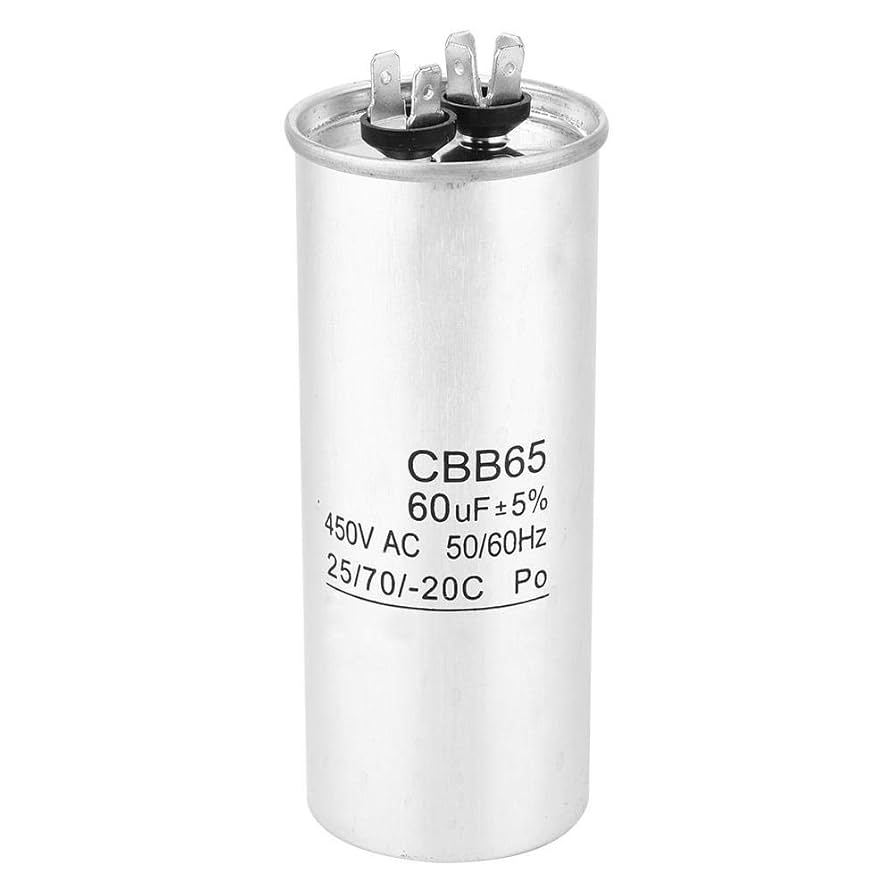
Have you ever wondered what keeps your air conditioner running smoothly, especially during those hot summer days? One small but powerful part plays a big role in making sure your AC starts up and cools your home efficiently.
That part is called the air conditioner capacitor. If your AC suddenly stops working or struggles to start, this tiny component might be the reason. Understanding what an air conditioner capacitor is and how it works can save you time, money, and frustration.
Keep reading to discover why this little device is so important for your comfort.
Role Of An Air Conditioner Capacitor
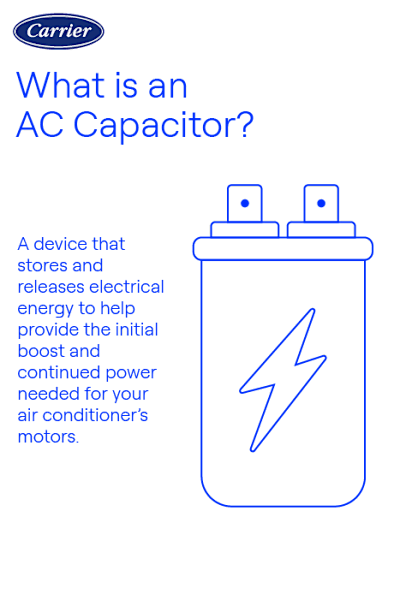
An air conditioner capacitorstores and releases energy to start and run the motor. It helps the compressor and fan motor work smoothly. Without a good capacitor, the AC may fail to start or work inefficiently.
Types Of Capacitors In Ac Units
- Start Capacitor:Provides a quick boost to start the motor.
- Run Capacitor:Keeps the motor running steadily.
- Dual Capacitor:Combines start and run capacitors in one unit.
How Capacitors Impact Ac Performance
Capacitors affect the efficiencyand reliabilityof your AC. A bad capacitor can cause the motor to struggle or stop. This leads to higher energy useand poor cooling. Replacing a faulty capacitor can restore the AC’s performance quickly.

Credit: www.amazon.ca
Signs Of A Faulty Capacitor
Signs of a faulty capacitoroften include the air conditioner not starting properly or running erratically. A common symptom is a humming sound without the fan spinning. The unit may also turn off suddenly or fail to cool as expected.
Other symptoms to watch for are increased energy bills and warm air blowing from the vents. These problems happen because the capacitor helps start and run the motor. If it fails, the motor struggles to work efficiently.
Effects on cooling efficiencycan be serious. The air conditioner uses more power and cools less effectively. This puts extra strain on other parts and can cause more damage over time. Early detection is key to avoid costly repairs.
Testing An Ac Capacitor
Testing an AC capacitor needs some basic tools. You will need a multimeterwith a capacitance setting or an analog meter. A screwdriver helps to remove the capacitor from the unit. Safety glovesare also important to avoid shocks.
First, turn off power to the AC unit. Discharge the capacitor by touching the terminals with a screwdriver.
Remove the capacitor from the system. Set the multimeter to the capacitance mode. Connect the meter probes to the capacitor terminals.
Read the value on the meter. Compare it with the capacitor’s rated capacitance. If the reading is much lower or shows no value, the capacitor is likely bad.
Check for any physical damage like bulges or leaks. Replace the capacitor if it looks damaged or the test fails.
Credit: www.carrier.com
Replacing A Damaged Capacitor
Safety is keywhen replacing an air conditioner capacitor. Always turn off powerat the breaker before starting. Use a voltage testerto check if the unit is dead. Wear insulated glovesto avoid shocks. Capacitors can hold a charge even when the power is off. Discharge the capacitorby connecting its terminals with a screwdriver that has an insulated handle.
Choosing the right replacement capacitor means matching voltageand microfarad (µF) ratings. Check the old capacitor’s label for these numbers. Using a wrong capacitor can damage your AC unit or cause it to fail.
- Mount the new capacitor securely in the same spot.
- Connect wires to the correct terminals, following the labels.
- Double-check all connections before turning power back on.
- Use a multimeter to test the new capacitor’s function if possible.
Maintaining Your Air Conditioner Capacitor
Check the capacitor for any signs of damage like bulges or leaks. A swollen capacitor often means it needs replacement. Listen for strange noises when the air conditioner starts. These sounds can point to capacitor problems.
Keep the area around the capacitor clean and free from dust. Dust and dirt can cause the capacitor to overheat. Make sure the connections are tight and not corroded. Loose wires can stop the capacitor from working well.
| Tip | How It Helps |
|---|---|
| Inspect monthly | Spot problems early before they get worse |
| Clean contacts | Ensures good electrical connection and prevents shorts |
| Avoid moisture | Prevents corrosion and electrical failure |
| Use surge protectors | Protects capacitor from power spikes |
Turning off the AC during storms can protect the capacitor. Avoid power surges by using proper electrical devices. A well-maintained capacitor lasts longer and keeps the AC cool.

Credit: www.amazon.ca
Cost Considerations
The price range for capacitorsvaries based on size and type. Small capacitors can cost as low as $10. Larger or special types may reach $50 or more. Prices also depend on the brand and quality.
Professional repairusually costs more because it includes labor fees. Hiring a technician ensures the job is done safely and correctly. On the other hand, a DIY approachcan save money but needs basic tools and knowledge.
- Capacitor price: $10 to $50+
- Professional repair: higher cost, expert work
- DIY repair: lower cost, needs skills
- Safety is key with electrical parts
Frequently Asked Questions
What Does An Air Conditioner Capacitor Do?
An air conditioner capacitor stores and releases electrical energy. It helps start the motor and keeps it running smoothly. Capacitors are essential for the efficient operation of your AC unit, ensuring a steady power supply. Without a functioning capacitor, your air conditioner may struggle to start or run.
How Long Do Ac Capacitors Last?
AC capacitors typically last between 10 to 20 years. Their lifespan can be affected by factors like usage and environmental conditions. Regular maintenance can help extend their life. Signs of a failing capacitor include frequent cycling, humming noises, and difficulty starting the AC unit.
Can A Bad Capacitor Damage An Ac?
Yes, a bad capacitor can damage an AC unit. It can cause the motor to overheat and fail. This can lead to costly repairs or replacements. Regular inspections and timely replacements of capacitors can prevent these issues and ensure efficient AC performance.
How Do I Know If My Ac Capacitor Is Bad?
Signs of a bad AC capacitor include your AC unit not starting, humming noises, or frequent cycling. You might also notice reduced cooling performance. If you suspect a faulty capacitor, consult a professional technician for diagnosis and replacement.
Conclusion
An air conditioner capacitor helps start and run the motor smoothly. It stores and releases electrical energy quickly. Without it, the AC might not work or could stop suddenly. Knowing its role helps you understand AC problems better. Regular checks keep your system running longer.
Small parts can make a big difference. Take care of your AC to stay cool and comfortable. Simple steps prevent costly repairs later. Remember, a healthy capacitor means a healthy air conditioner.