Have you ever wondered what makes braided fishing line so strong and reliable? If you want to improve your fishing game, understanding what your line is made of can make a huge difference.
Knowing the materials behind braided fishing line helps you choose the right one for your needs and boosts your confidence on the water. Keep reading, and you’ll discover the secrets that give braided lines their incredible strength and durability—information every serious angler should know.

Credit: www.amazon.ca
Materials Behind Braided Lines
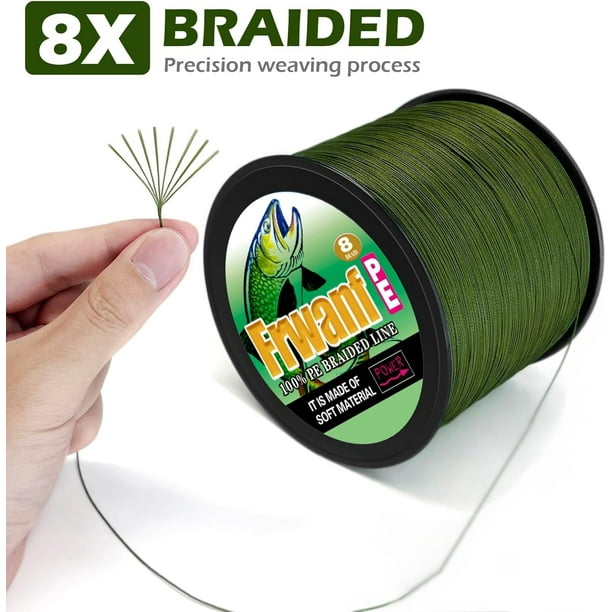
Braided fishing lines are strong and thin. They are made from special fibers that hold up well in water.
These fibers are woven tightly to make the line tough. Different fibers give different qualities to the lines.
Spectra Fiber
Spectra fiber is a type of ultra-high-molecular-weight polyethylene. It is very strong and light.
This fiber resists water and chemicals well. It also has low stretch, which helps with better control.
Dyneema Fiber
Dyneema is another ultra-high-molecular-weight polyethylene fiber. It is known for its high strength.
Dyneema fibers are thin but strong. They float on water and are resistant to abrasion.
Other Synthetic Fibers
Some braided lines use fibers like nylon or polyester. These fibers add flexibility and durability.
These synthetic fibers may not be as strong as Spectra or Dyneema. But they offer good value and performance.
Credit: seaguar.com
Braiding Techniques
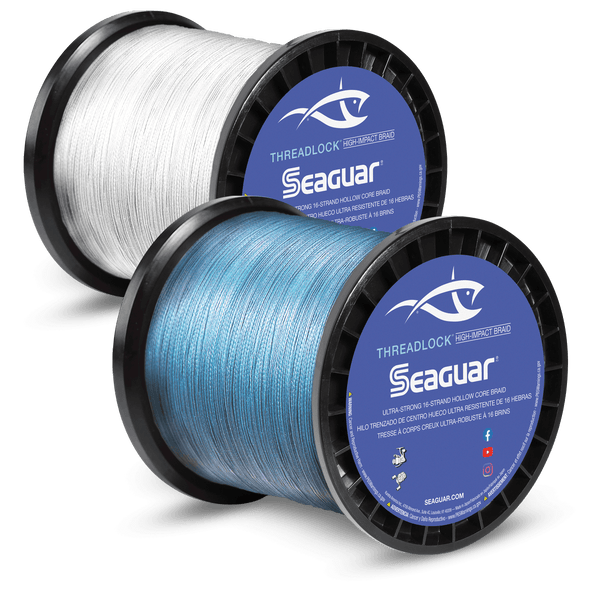
Braided fishing lines are made by weaving several strands of fiber together. This weaving creates a strong and thin line. Different braiding methods change the line’s strength and flexibility.
Understanding how braids are made helps anglers pick the right line for their needs. Let’s look at common types of braids and how they affect line durability.
Types Of Braids
There are several braiding styles used in making fishing lines. Each style affects the line’s feel and strength. The main types include square braid, round braid, and hollow braid.
- Square Braid:This method interlaces fibers in a square pattern. It creates a line that is smooth and strong.
- Round Braid:Fibers are woven in a round shape. This braid is softer and easier to handle.
- Hollow Braid:This style forms a hollow center inside the line. It makes the line more flexible and good for knot tying.
Impact On Strength And Durability
The braiding technique directly affects how strong and durable the fishing line is. A tighter braid usually means more strength and less stretch.
| Braid Type | Strength | Durability | Flexibility |
| Square Braid | High | Very Durable | Moderate |
| Round Braid | Medium | Durable | High |
| Hollow Braid | Moderate | Good | Very High |
Strength Factors
Braided fishing line is known for its strength. It is made from synthetic fibers. These fibers are woven together tightly.
The materials used and the weaving process affect the line’s strength. Let’s explore the key strength factors.
Tensile Strength
Tensile strength is a key factor. It measures how much weight the line can handle before breaking. Braided lines have high tensile strength.
This strength comes from the strong fibers used. These fibers include Spectra or Dyneema. They provide great durability and can handle big fish.
Abrasion Resistance
Abrasion resistance is important for fishing lines. It shows how well the line can withstand rubbing against rocks or other surfaces.
Braided lines offer good abrasion resistance. This makes them ideal for rough environments. They last longer than other lines.
Knot Strength
Knot strength is crucial for secure fishing. It refers to how well a knot holds without slipping or breaking.
Braided lines have excellent knot strength. Proper knots ensure the line stays intact when pulling fish.
- Use strong knots like the Palomar knot
- Test knots before fishing
- Re-tie knots often for safety
Comparing Braided Lines To Other Lines
Fishing lines come in different types, each made for specific needs. Braided lines are popular for their strength and thinness.
This guide compares braided lines with monofilament and fluorocarbon lines. Understanding their differences helps you choose the right line.
Monofilament Vs Braided
Monofilament lines are made from a single strand of nylon. They are stretchy and easy to handle for beginners.
Braided lines use many thin fibers woven together. They have almost no stretch and are very strong for their size.
- Monofilament stretches more, helping absorb shocks.
- Braided lines are thinner but stronger than monofilament.
- Monofilament floats on water; braided usually sinks.
- Braided lines last longer and resist abrasion better.
Fluorocarbon Vs Braided
Fluorocarbon lines are made from a special plastic that sinks quickly. They are less visible underwater, making fish less scared.
Braided lines do not sink fast but are very strong and thin. They have no stretch but are more visible than fluorocarbon.
- Fluorocarbon is nearly invisible in water.
- Braided lines have more strength and less stretch.
- Fluorocarbon is good for clear water fishing.
- Braided lines work well where strong hooks are needed.
Applications Of Braided Line
Braided fishing line is made of many small fibers woven together. It is strong and thin compared to other lines. This makes it useful for different fishing needs.
Anglers use braided line in many fishing environments. It works well in both fresh and saltwater. It also suits special fishing styles and gear.
Freshwater Fishing
Braided line is popular in freshwater fishing for its strength and sensitivity. It lets anglers feel bites easily. It also casts far and resists breaking on sharp rocks.
Many fish like bass, pike, and catfish are caught using braided line. It helps when fishing in heavy cover like weeds or logs.
Saltwater Fishing
Braided line is strong against saltwater conditions. It does not stretch much, which helps control big fish. It also lasts longer in salty water.
Fishermen use braided line for species like redfish, tarpon, and tuna. It handles rough surfaces like coral reefs and rocks well.
Specialized Uses
Braided line suits special fishing methods. It is good for deep-sea fishing and ice fishing because of its strength and low stretch. It also works well with certain lures and rigs.
- Fly fishing with braided backing
- Fishing heavy cover or thick vegetation
- Using topwater or heavy lures
- Long-distance casting in tournaments
Care And Maintenance
Braided fishing line is strong and durable but needs care to last long. Proper cleaning and storage keep it working well.
Taking simple steps helps avoid damage and keeps the line smooth for better fishing.
Cleaning Techniques
Cleaning braided fishing line removes dirt, salt, and debris that harm the fibers. Use mild methods to protect the line’s strength.
Rinse the line with fresh water after each use, especially if fishing in saltwater. Use a soft cloth to wipe away grime gently.
- Fill a bucket with fresh, cool water
- Soak the line spool for a few minutes
- Gently rub the line with a soft cloth
- Rinse again with clean water
- Let the line dry completely before storing
Storage Tips
Store braided fishing line in a cool, dry place to avoid damage. Keep it away from sunlight and heat, which weaken the fibers.
Use a spool holder or line container to prevent tangles and knots. Avoid placing heavy objects on the line to keep its shape.
- Keep the line away from direct sunlight
- Store in a dry, cool environment
- Use a spool or line holder to keep it neat
- Avoid bending or crushing the line
- Check the line regularly for wear and tear

Credit: www.meltontackle.com
Frequently Asked Questions
What Materials Are Used In Braided Fishing Lines?
Braided fishing lines are made from ultra-strong synthetic fibers. Common materials include Spectra, Dyneema, and polyethylene. These fibers are woven tightly to create a durable, thin, and flexible line. This construction enhances strength and abrasion resistance compared to monofilament lines.
How Is Braided Fishing Line Manufactured?
Braided fishing line is made by weaving multiple strands of synthetic fibers. The fibers are tightly braided to form a single, strong line. This process increases tensile strength and reduces line stretch, making it ideal for heavy-duty fishing applications.
Why Is Braided Fishing Line Preferred Over Other Types?
Braided fishing line offers superior strength and sensitivity. It has minimal stretch, allowing better hook sets and fish control. Its thin diameter provides longer casting distance. Additionally, it resists abrasion well, making it suitable for tough fishing environments.
Does Braided Fishing Line Float Or Sink?
Braided fishing line generally sinks because it is made from dense synthetic fibers. However, some manufacturers add special coatings to make it float. The sinking property helps anglers fish deeper waters effectively.
Conclusion
Braided fishing line is made from strong synthetic fibers woven tightly. These fibers give the line high strength and low stretch. Anglers prefer it for durability and sensitivity. Knowing the materials helps choose the right line for fishing. It fits well with many fishing styles and conditions.
Understanding its makeup can improve your fishing experience. Choose braided line when you need strength and reliability. Simple yet effective for many fishing needs.