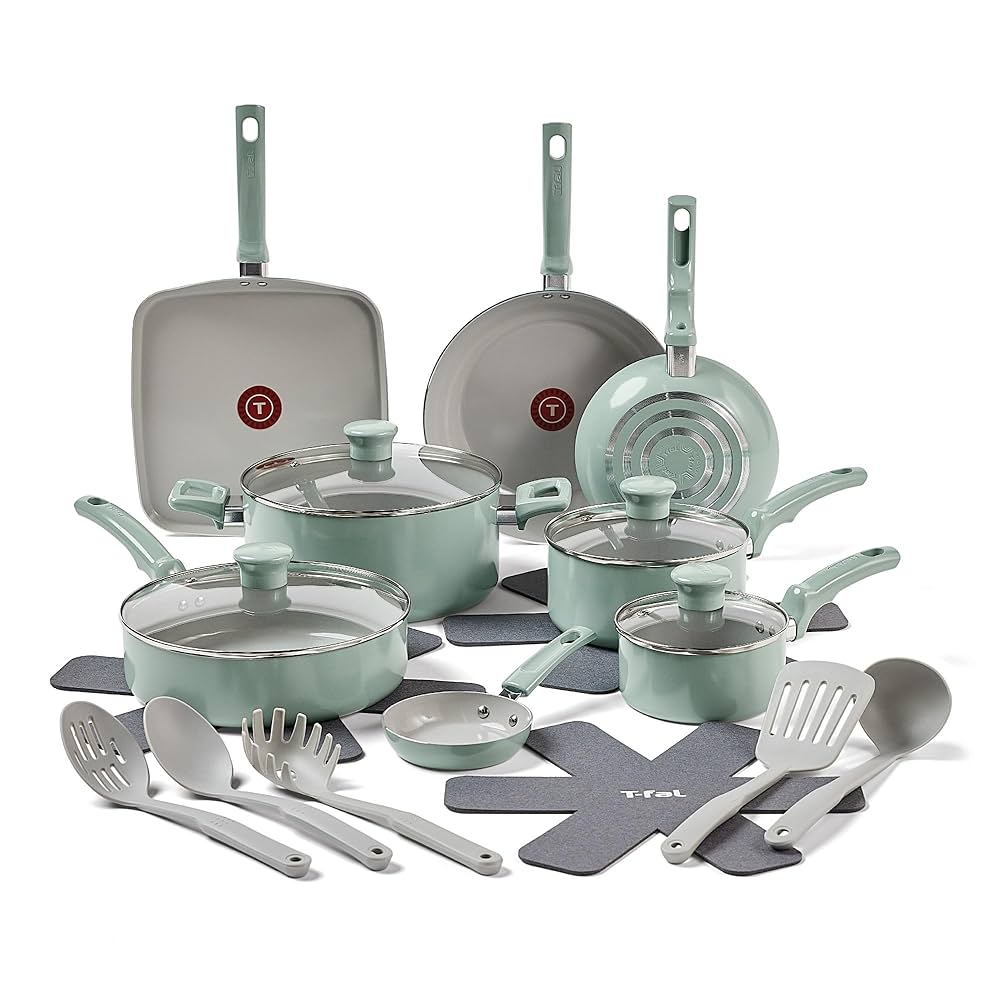
Are you tired of dealing with sticky pans and stubborn stains every time you cook? Imagine using cookware that heats evenly, cleans up easily, and adds a touch of style to your kitchen.
That’s where ceramic cookware comes in. But what exactly is ceramic cookware, and why should it be your next kitchen upgrade? Keep reading, and you’ll discover how this popular option can change the way you cook—and make your time in the kitchen more enjoyable than ever.

Credit: www.amazon.ca
Ceramic Cookware Basics
Ceramic cookware is popular for cooking healthy meals. It has a smooth, non-stick surface that helps reduce oil use. Many cooks like its even heating and easy cleaning.
This type of cookware comes in different shapes and sizes. It works well on many heat sources and is often free of harmful chemicals.
Types Of Ceramic Cookware
Ceramic cookware can be made from pure ceramic or ceramic-coated materials. Each type has unique features for cooking.
- Pure Ceramic:Made entirely from clay and baked at high temperatures. It is strong and retains heat well.
- Ceramic-Coated:Metal pans coated with a ceramic layer for non-stick use. They heat quickly and clean easily.
- Enamel-Coated Cast Iron:Cast iron with a ceramic enamel layer. It combines durability with easy cleaning.
- Glass Ceramic:Used mainly for bakeware, it handles high oven temperatures without damage.
How Ceramic Cookware Is Made
Making ceramic cookware involves shaping, firing, and coating. The process gives the cookware its heat resistance and smooth surface.
| Step | Description |
| 1. Shaping | Clay or metal is formed into the desired pan shape. |
| 2. Firing | Pure ceramic pieces are baked in a kiln at high heat. |
| 3. Coating | Metal pans get a ceramic non-stick layer applied and cured. |
| 4. Cooling | The cookware cools down to harden the ceramic surface. |
| 5. Quality Check | Each piece is checked for smoothness and defects. |
Credit: rachaelray.com
Advantages Of Ceramic Cookware
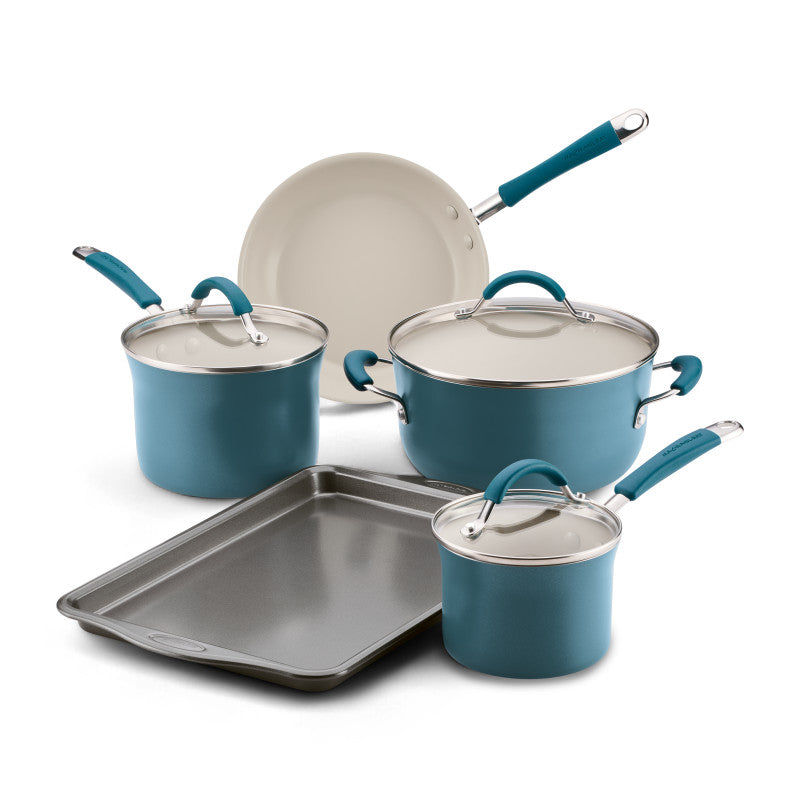
Ceramic cookware is popular in many kitchens. It offers several benefits that make cooking easier.
This type of cookware uses a ceramic coating on metal or pure ceramic material. It is known for being safe and practical.
Non-toxic And Safe Cooking
Ceramic cookware does not contain harmful chemicals. It is free from PFOA, PTFE, and other toxins found in some non-stick pans.
This makes it a good choice for healthy cooking. It does not release fumes even at high temperatures.
Heat Distribution And Retention
Ceramic cookware spreads heat evenly across its surface. This helps food cook uniformly without hot spots.
It also keeps heat well, so food stays warm longer after cooking. This saves energy and time.
Durability And Scratch Resistance
Ceramic coating is hard and resists scratches better than many other coatings. It keeps the cookware looking new.
Good quality ceramic cookware lasts a long time if you use it carefully. It does not peel or chip easily.
Easy Cleaning And Maintenance
The smooth surface of ceramic cookware makes it easy to clean. Food does not stick much, so washing is simple.
It usually only needs warm water and mild soap. This saves effort and keeps the cookware in good shape.
Common Uses For Ceramic Cookware
Ceramic cookware is popular in many kitchens. It offers a non-stick surface without chemicals.
People use ceramic pots and pans for various cooking tasks. This cookware works well for different meals.
Everyday Cooking Applications
Ceramic cookware is great for daily cooking. It heats food evenly and cleans easily.
Use ceramic pans for frying eggs, sautéing vegetables, or cooking meat. The surface stops food from sticking.
- Frying and sautéing
- Cooking soups and stews
- Preparing sauces
- Reheating leftovers
Baking With Ceramic Cookware
Ceramic cookware is safe for oven use. Many people bake casseroles, bread, and desserts in it.
The ceramic surface distributes heat well. This helps bake foods evenly without burning.
- Baking casseroles and lasagna
- Making bread and muffins
- Baking desserts like brownies and cakes
Suitable Cooking Techniques
Ceramic cookware works best with medium to low heat. It keeps food from sticking without extra oil.
You can use ceramic pots and pans for simmering, steaming, and slow cooking. Avoid high heat to protect the coating.
- Simmering soups and sauces
- Steaming vegetables with lids
- Slow cooking stews and braises
- Light frying and sautéing

Credit: www.amazon.ca
Comparing Ceramic To Other Cookware
Ceramic cookware is popular for its non-toxic surface and easy cleaning. It is often compared to other common types of cookware. Understanding the differences helps you pick the best one for your needs.
This article looks at ceramic cookware versus nonstick, cast iron, and stainless steel cookware. Each has unique features and benefits.
Ceramic Vs Nonstick Cookware
Ceramic cookware uses a natural coating made from sand and minerals. Nonstick cookware usually has a synthetic coating like Teflon. Both make cooking and cleaning easier.
- Ceramic heats evenly and resists scratches well.
- Nonstick cookware is very easy to clean but may wear off faster.
- Ceramic is free of chemicals like PTFE and PFOA.
- Nonstick coatings may release fumes if overheated.
- Ceramic cookware can handle higher temperatures safely.
Ceramic Vs Cast Iron
Cast iron is heavy and great for high heat cooking. Ceramic cookware is lighter and heats faster. Both have their own care needs.
| Feature | Ceramic Cookware | Cast Iron Cookware |
|---|---|---|
| Weight | Lightweight | Heavy |
| Heat Retention | Moderate | High |
| Maintenance | Easy to clean | Needs seasoning and drying |
| Reactivity | Non-reactive | Can react with acidic foods |
| Durability | Can chip if dropped | Very durable and long-lasting |
Ceramic Vs Stainless Steel
Stainless steel is strong and resists rust. Ceramic cookware offers a nonstick surface without metals. Both are good for healthy cooking.
- Stainless steel heats unevenly but is good for searing.
- Ceramic heats evenly and is easier to clean.
- Stainless steel can stick if not used with enough oil.
- Ceramic is non-reactive and safe for all foods.
- Both are dishwasher safe but hand washing extends life.
Tips For Choosing Ceramic Cookware
Ceramic cookware is popular for its non-stick surface and even heat. It is a good choice for healthy cooking.
Choosing the right ceramic cookware can make cooking easier and safer. Here are some tips to help you pick the best set.
What To Look For In Quality
Good ceramic cookware has a smooth, non-stick surface that lasts long. Check if the coating is free from harmful chemicals.
The base should be sturdy and fit your stove type. Look for even heat distribution to avoid hot spots.
- Non-toxic, lead and cadmium free coating
- Scratch-resistant and durable surface
- Thick base for even heating
- Compatible with your stove (gas, electric, induction)
Size And Shape Options
Choose cookware sizes that fit your cooking needs. Smaller pans are good for sauces, larger ones for meals.
Different shapes suit different foods. Deep pots are great for soups, flat pans work well for frying.
- Small pans (8-10 inches) for eggs and sauces
- Medium pans (10-12 inches) for daily meals
- Large pots for soups and stews
- Special shapes like grill pans or woks for specific recipes
Price Considerations
Ceramic cookware comes in many price ranges. Higher prices often mean better quality and longer life.
Buy what fits your budget but avoid very cheap sets. They may wear out quickly or have poor coating.
- Set a budget before shopping
- Compare features and warranties
- Consider buying from trusted brands
- Check reviews to avoid low-quality items
Care And Maintenance
Ceramic cookware offers great cooking performance and a smooth surface. Proper care keeps it looking good and working well for a long time.
Cleaning, avoiding damage, and storing ceramic cookware correctly help protect its coating and shape.
Cleaning Methods
Clean ceramic cookware after every use to prevent food buildup. Use gentle tools and avoid harsh cleaners.
- Let the cookware cool before washing.
- Use warm water and mild dish soap.
- Clean with a soft sponge or cloth.
- Avoid abrasive pads or metal scrubbers.
- For stuck food, soak in warm soapy water for 15 minutes.
- Dry thoroughly with a soft towel after washing.
Avoiding Damage
Protect ceramic cookware from scratches and cracks by handling it carefully. Use the right utensils and heat settings.
| Action | What to Do |
| Utensils | Use wooden, silicone, or plastic tools only |
| Heat | Cook on low to medium heat; avoid high heat |
| Cleaning | Do not use metal scrubbers or harsh chemicals |
| Dropping | Handle with care to avoid cracks or chips |
Storage Tips
Store ceramic cookware carefully to keep its surface safe and avoid damage from stacking.
Try these storage ideas:
- Place soft cloth or paper towels between stacked pans.
- Store cookware in a dry place to prevent moisture damage.
- Keep lids separate or upside down to save space and avoid scratches.
- Use hooks or racks for hanging pots and pans.
Frequently Asked Questions
What Is Ceramic Cookware Made From?
Ceramic cookware is made from clay hardened by high heat. It often features a non-stick coating derived from sand. This coating is free from harmful chemicals like PTFE and PFOA. It provides an eco-friendly and safe cooking surface.
Is Ceramic Cookware Safe For Health?
Yes, ceramic cookware is safe for health. It is free from harmful toxins like PTFE and PFOA. The non-stick coating is derived from natural materials. It provides a healthier alternative to traditional non-stick cookware.
How Do You Clean Ceramic Cookware?
Clean ceramic cookware using warm water and mild detergent. Avoid using abrasive scrubbers that can damage the surface. A soft sponge or cloth works best. For stubborn stains, soak the cookware in warm soapy water.
Does Ceramic Cookware Work On All Stovetops?
Ceramic cookware works on most stovetops, including gas and electric. However, it may not be suitable for induction stovetops. Check the manufacturer’s instructions for compatibility. Always use low to medium heat to maintain the cookware’s longevity.
Conclusion
Ceramic cookware offers a healthy and easy way to cook meals. It heats evenly and cleans up quickly. These pots and pans do not use harmful chemicals. They work well for many types of food. Choosing ceramic cookware can make cooking safer and more fun.
Try it in your kitchen to see the difference. Simple, durable, and safe—ceramic cookware fits everyday cooking needs.