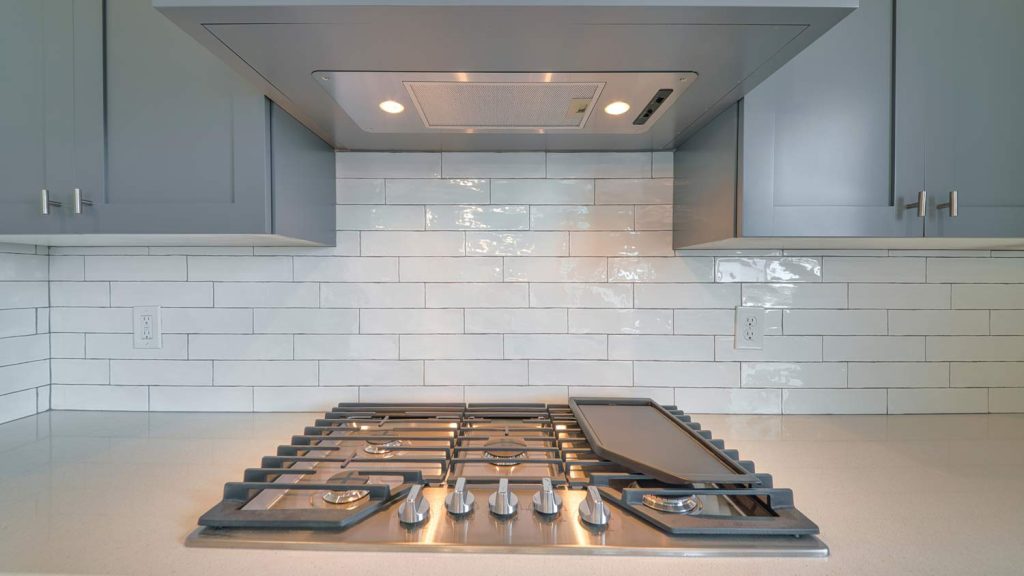
Ever wondered why your kitchen feels stuffy or why cooking odors linger long after you’ve prepared a meal? The secret to a fresher and cleaner kitchen lies in understanding a simple concept: CFM in range hoods.
You might have heard the term thrown around when shopping for a new range hood, but what does it really mean for you and your home? Imagine cooking without the worry of smoke or grease sticking to your walls or cabinets.
By unlocking the mystery of CFM, you can transform your cooking experience. Stay with us as we dive into what CFM is, why it matters, and how choosing the right CFM can make your kitchen more efficient and enjoyable.

Credit: www.amazon.ca
Cfm And Range Hoods
CFM plays a key role in choosing the right range hood. It shows how well the hood moves air out of your kitchen. The better the airflow, the cleaner your kitchen stays.
Understanding CFM helps you pick a range hood that fits your cooking needs. It affects how fast smoke, steam, and odors leave your kitchen.
What Cfm Means
CFM stands for Cubic Feet per Minute. It measures the volume of air a range hood can move each minute. A higher CFM means the hood moves more air. It clears smoke and smells quicker.
CFM helps compare different range hoods. It shows their power clearly and simply. Knowing CFM ensures you get the right model for your kitchen size.
Why Cfm Matters
CFM affects kitchen air quality. Low CFM may not remove smoke well. This leaves your kitchen smoky and uncomfortable.
Too high CFM can be noisy and use more energy. The right CFM balances airflow and quiet operation. It keeps your kitchen fresh and peaceful.
Cooking style also matters. Heavy frying needs higher CFM than light cooking. Match CFM to your cooking habits for best results.
Factors Affecting Airflow
Airflow in a range hood depends on several key factors. These factors influence how well the hood removes smoke, odors, and grease from the kitchen air. Understanding these elements helps in choosing the right range hood for your cooking needs.
Duct Size And Length
The size and length of the duct affect airflow significantly. Larger ducts allow air to pass through more easily. Long or narrow ducts reduce airflow and lower the hood’s efficiency. Sharp bends in ducts can also block air movement. Proper duct installation ensures better ventilation and higher CFM performance.
Fan Type And Speed
Different fans create different airflow speeds. High-speed fans push more air out quickly. Some range hoods offer multiple fan speeds for flexibility. The type of fan motor also matters for airflow power. Efficient fans consume less energy while maintaining strong airflow.
Range Hood Design
The design of the range hood impacts how air is captured and moved. A well-designed hood directs smoke and steam toward the fan. Larger hoods cover more cooking area, improving airflow capture. Filters and vents inside the hood also affect air movement. Streamlined designs reduce air resistance and increase CFM.
Choosing The Right Cfm
Choosing the right CFM (Cubic Feet per Minute) for your range hood is essential to maintain a clean and odor-free kitchen. The CFM rating tells you how much air the hood can move in one minute, which directly affects how well it removes smoke, steam, and cooking smells. Getting this number right ensures your kitchen stays fresh without wasting energy or creating too much noise.
Matching Cfm To Cooktop Size
Your cooktop size is a key factor in deciding the ideal CFM. A small two-burner stove needs less airflow compared to a large six-burner range. As a general guide, aim for at least 100 CFM for every 10 inches of cooktop width.
- If you have a 30-inch cooktop, a 300 CFM hood is a good starting point.
- For a 36-inch cooktop, consider a range hood with around 350 to 400 CFM.
This simple calculation helps you avoid underpowered hoods that can’t clear the air or oversized models that use more power and make more noise than necessary.
Considering Cooking Habits
Think about how often and what type of cooking you do. If you frequently fry, grill, or cook with strong spices, you’ll need a higher CFM to handle the extra smoke and odors. On the other hand, if your cooking mostly involves boiling or simmering, a lower CFM might be enough.
Ask yourself: Do you often have multiple burners on high heat? This usually means more smoke and grease, requiring a stronger ventilation system. Adjust your CFM choice based on these habits to keep your kitchen comfortable and clean.
Room Size Impact
The size of your kitchen influences how effectively a range hood works. Larger kitchens with high ceilings need more powerful hoods because the air volume is bigger. A hood with too low CFM in a large room won’t clear the air fast enough, leaving smells lingering.
Consider the kitchen’s dimensions and airflow patterns. Sometimes adding a hood with adjustable fan speeds is smart, so you can increase ventilation during heavy cooking and lower it when you need less noise.
Improving Airflow Efficiency
Improving airflow efficiency in your range hood is key to ensuring your kitchen stays fresh and free from smoke, odors, and grease. The CFM (cubic feet per minute) rating measures how much air your hood moves, but achieving maximum performance depends on more than just the number. Small tweaks in installation, regular maintenance, and smart upgrades can significantly boost how well your range hood works.
Proper Installation Tips
Installing your range hood correctly sets the foundation for efficient airflow. Make sure the ductwork is as short and straight as possible—long or winding ducts reduce the CFM’s effectiveness.
Seal all joints tightly to prevent air leaks that can sap your hood’s power. Position the hood at the recommended height above your cooktop; too high or too low can decrease airflow efficiency.
Maintenance And Cleaning
Dirty filters and clogged ducts slow down airflow dramatically. Clean or replace filters regularly—grease buildup blocks air and strains the fan motor.
Check the vent caps outside your home to ensure they are free of debris or obstructions. How often do you inspect your range hood’s components? Regular care can help keep the CFM working at its best.
Upgrading Components
Sometimes, improving your range hood means upgrading parts. Installing a more powerful fan or high-quality filters can increase airflow without replacing the entire unit.
Consider adding a variable speed control to adjust airflow based on your cooking needs. This helps maintain efficient ventilation while saving energy.
Common Misconceptions
Understanding CFM (cubic feet per minute) in range hoods is crucial, but there are many misconceptions that can lead you to choose the wrong ventilation system. People often think that higher CFM always means better performance, but that’s not necessarily true. Let’s clear up some common myths to help you make smarter decisions for your kitchen.
Higher Cfm Always Better?
You might assume that the stronger the airflow, the better the range hood will perform. However, choosing a range hood with excessively high CFM can cause problems.
Too much airflow can pull smoke and odors too quickly, disrupting your kitchen’s air balance. It may also pull heated or cooled air out of your home, increasing energy bills.
Instead of just picking the highest CFM, consider your kitchen size, cooking habits, and venting type. A 600 CFM hood can be ideal for many kitchens, while very large spaces or heavy cooking may require more.
Noise Vs. Power Balance
Many people don’t realize that higher CFM often means more noise. A powerful motor can be loud enough to disrupt conversations or phone calls while you cook.
Finding the right balance between power and quiet operation is key. Some models offer multi-speed settings, so you can use a lower, quieter speed for light cooking and ramp up when needed.
Think about how often you cook and how sensitive you are to noise. Would you prefer a quieter hood that’s effective for everyday use, or a louder model that handles big meals?
Credit: streamlinebath.com
Energy And Cost Considerations
Energy and cost play a big role in choosing the right CFM for your range hood. Selecting the right airflow can save money and reduce electricity use. Balancing power and efficiency helps keep your kitchen fresh without high bills.
Energy Consumption
Higher CFM means stronger airflow but uses more energy. A range hood with too high CFM wastes electricity. Using a hood with the right CFM keeps energy use low. Efficient motors and good design also lower power needs. Running the hood only when needed cuts energy waste.
Cost Vs. Performance
Range hoods with higher CFM cost more upfront. They clear smoke and odors faster but may increase energy bills. Lower CFM models cost less but might not ventilate well enough. Finding a balance means good air quality without overspending. Consider your kitchen size and cooking habits for best value.

Credit: www.amazon.ca
Frequently Asked Questions
What Does Cfm Mean In A Range Hood?
CFM stands for Cubic Feet per Minute. It measures how much air a range hood can move. Higher CFM means better ventilation and faster removal of smoke and odors from your kitchen.
How To Choose The Right Cfm For My Range Hood?
Choose CFM based on your cooktop size and cooking style. Generally, 100 CFM per linear foot of cooktop works well. For heavy cooking, select a higher CFM for effective smoke and grease removal.
Why Is Cfm Important For Kitchen Ventilation?
CFM determines how efficiently your range hood clears smoke, steam, and odors. Proper CFM keeps your kitchen air clean and prevents grease buildup. It ensures a healthier and more comfortable cooking environment.
Can Too High Cfm Harm My Kitchen Ventilation?
Too high CFM can create excessive airflow and noise. It may also cause backdraft issues or pull conditioned air out. Balance CFM with your kitchen size and ventilation system for optimal performance.
Conclusion
CFM in range hoods shows how much air moves per minute. Higher CFM means better air cleaning power. Choose a CFM that fits your kitchen size and cooking style. Too low CFM won’t remove smoke well. Too high CFM can waste energy and make noise.
Knowing CFM helps you pick the right range hood. It keeps your kitchen fresh and safe. A good range hood makes cooking more comfortable. Remember, CFM is key for clean air in your home.