
Have you ever noticed the “Dehum” setting on your air conditioner and wondered what it actually does? You’re not alone.
Understanding this feature can make a big difference in how comfortable your home feels, especially during humid days. Imagine enjoying cool air without that sticky, damp feeling—sounds great, right? You’ll discover exactly what “Dehum” means, how it works, and why using it can improve your indoor comfort.
Keep reading to unlock the secret to a fresher, more comfortable space.

Credit: www.duracomfort-life.com
Dehumidification In Air Conditioners
Air conditioners help in removing moisturefrom the air. They cool the air, which causes water vapor to turn into liquid. This process is called dehumidification. The cold surface inside the AC unit collects the moisture, which then drains away.
The refrigerantplays a key role. It moves through pipes and absorbs heat from the air. As the air cools, its ability to hold moisture drops. This makes the water vapor condense on the coils. The refrigerant then carries the heat outside, keeping the room dry and cool.
| Component | Function |
|---|---|
| Refrigerant | Absorbs heat and cools the air |
| Cooling Coil | Condenses moisture from air |
| Drain Pan | Collects and removes water |

Credit: www.nytimes.com
Benefits Of Dehumidifying Air
Dehumidifying airmakes the room feel cooler and more comfortable. It helps reduce sticky, damp feelings inside your home. This is good for your healthbecause dry air lowers the chance of breathing problems and allergies.
Stopping mold and mildewis very important. These can grow in wet, humid places and cause damage. Removing moisture with an air conditioner keeps mold from spreading and keeps your home safe.
Protecting your home and furniture is easier with less humidity. Wet air can ruin wood, paint, and fabrics. Dry air helps keep your walls, floors, and furniture in better shape for longer.
Types Of Dehumidification Systems
Built-in AC dehumidification features help remove moisture while cooling. These systems use the AC’s normal function to take water from the air. They are easy to use but work best in small spaces or mild humidity.
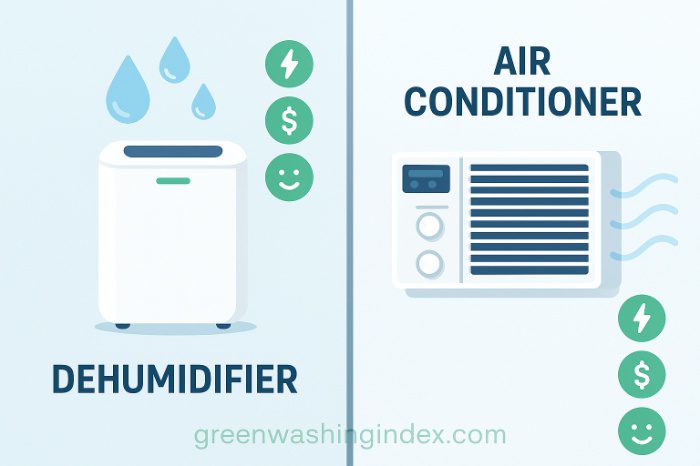
Standalone dehumidifiers are devices made just to remove water from the air. They work well in very wet places. You can move them around where you need less moisture. These devices often have a tank to catch water or a way to drain it out.
Hybrid solutions combine AC cooling and dehumidifying in one system. They offer better control over humidity and temperature. These systems save energy by working smarter to keep air dry and cool at the same time.
How To Optimize Humidity With Your Ac
Setting the right temperature helps the AC remove moisture effectively. Cooler settings increase dehumidification but can make rooms too cold. Choose a comfortable temperature between 72°F and 78°F for balance. Fan speed affects how air moves over the coils, which impacts humidity. Higher fan speeds circulate air faster but may reduce moisture removal. Lower speeds improve dehumidification but slow cooling.
Many air conditioners have modes like “Dry” or “Dehumidify.” These modes focus on lowering humidity without much cooling. Use these modes during humid days to keep the air dry and comfortable. “Auto” mode adjusts settings automatically for both cooling and moisture control.
Keep your AC clean for the best performance. Regularly clean or replace filters to ensure good airflow. Check and clean the coils to improve moisture removal. Clear drains and pipes to prevent water backup. Routine maintenance helps the AC run efficiently and controls humidity better.
Common Issues And Troubleshooting
Signs of poor dehumidificationinclude a damp feeling indoors and visible moisture on walls or windows. You might notice musty smells or condensation build-up. The air conditioner may run longer but not remove humidity well. This can make the room feel sticky or uncomfortable.
Causes of excess humidityoften involve dirty air filters, blocked drain lines, or low refrigerant levels. A faulty compressor or fan may reduce moisture removal. Sometimes, improper air conditioner size or poor ventilation leads to high humidity.
When to call a professionalmatters if humidity stays high despite cleaning filters. Strange noises, leaks, or water pooling around the unit require expert help. Professionals can check refrigerant levels, clear drains, and fix mechanical issues safely.
Energy Efficiency And Dehumidification
Dehumidificationin air conditioners helps remove moisture from the air. This makes rooms feel cooler and more comfortable. Balancing cooling and moisture removal keeps the air fresh and dry. Too much moisture can cause mold and damage. Air conditioners work harder when they remove moisture, which can increase energy use.
Energy bills may rise if the dehumidification runs too long. Keeping the AC on the right setting saves energy. Use a fan to help air move and reduce moisture. Close windows and doors to keep humid air out. Set the thermostat to a comfortable but not too low temperature.
| Energy-Saving Tips |
|---|
|
Credit: www.greenwashingindex.com
Frequently Asked Questions
What Does Dehum Mean On An Air Conditioner?
The “dehum” setting on an air conditioner refers to its dehumidification function. This setting removes excess moisture from the air. It helps maintain a comfortable indoor environment. By reducing humidity, it can also make the air feel cooler. This setting is beneficial in humid climates.
How Does Dehum Improve Indoor Air Quality?
The dehum feature reduces excess moisture, which can prevent mold growth. It helps in maintaining a healthier indoor environment. Lower humidity levels can also reduce allergens in the air. This improves overall air quality and comfort. It’s an effective way to enhance indoor air conditions.
Is Dehum Energy Efficient?
Yes, using the dehum function can be energy efficient. It typically requires less energy compared to cooling. By reducing humidity, it may allow for a higher thermostat setting. This can lead to energy savings. It’s a cost-effective way to maintain comfort without overcooling.
Can Dehum Replace A Dehumidifier?
While dehum settings reduce humidity, they’re not as powerful as standalone dehumidifiers. Dehumidifiers are designed specifically for removing moisture. If you have significant humidity issues, a dehumidifier might be necessary. However, for general comfort, the dehum function can be sufficient.
Conclusion
Dehum on an air conditioner helps remove extra moisture from the air. It makes rooms feel cooler and more comfortable. This feature is useful in humid places or during wet seasons. Using dehum can also protect your home from mold and mildew.
Understanding this function helps you choose the right AC for your needs. Keep your space fresh and healthy by using dehum wisely. It’s a simple way to improve air quality and comfort.