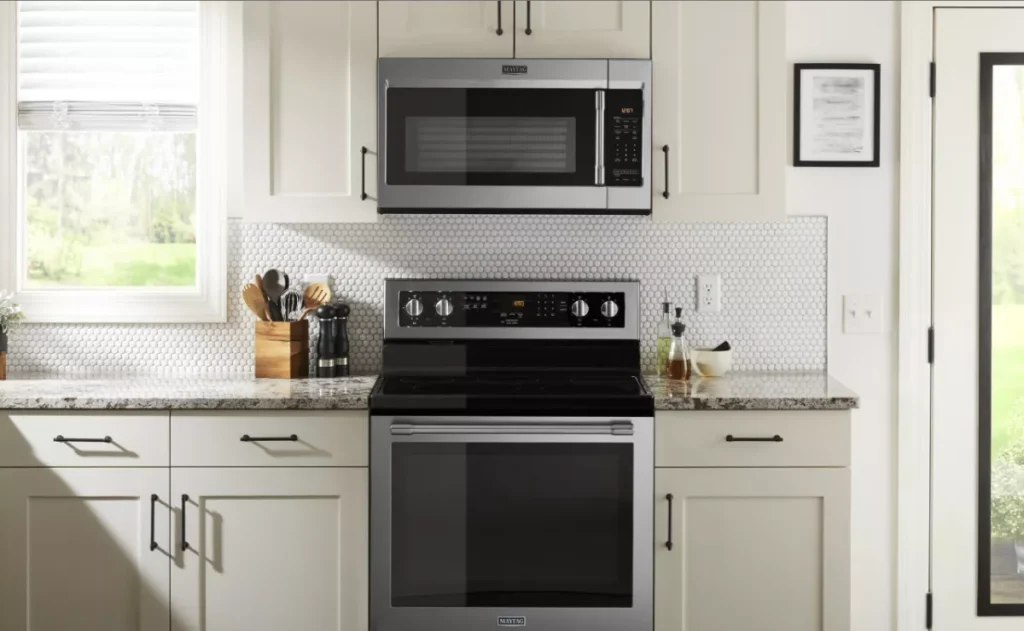
Have you ever stood in your kitchen, staring at your microwave and oven, wondering which one to use for your next meal? You’re not alone.
Many people are unsure about the differences between these two kitchen staples. Understanding these differences can help you make better cooking decisions and even save you time and energy. Imagine the satisfaction of perfectly cooked meals, every time you use the right appliance.
You’ll discover the distinct features, benefits, and uses of both microwaves and ovens. This knowledge can transform your cooking experience and make your kitchen adventures more enjoyable and efficient. So, are you ready to become a kitchen pro? Let’s dive in and clear up the confusion once and for all!
Microwave Basics
A microwave is a common kitchen tool found in many homes. It heats food quickly using special waves. These waves are called microwaves, and they work differently than ovens. Understanding how microwaves work helps you use them better and safely.
How Microwaves Heat Food
Microwaves use radio waves to heat food. These waves target water molecules inside the food. The water molecules start to move fast. This movement creates heat, which warms the food from the inside out. Unlike ovens, microwaves do not heat the air around the food.
This method cooks food quickly and evenly. It also helps save energy. The microwave stops heating as soon as you turn it off. That means the food cools faster compared to oven-cooked food.
Common Uses Of Microwaves
- Reheating leftovers quickly
- Defrosting frozen food safely
- Cooking simple meals like popcorn or instant noodles
- Warming beverages such as coffee or tea
- Melting butter or chocolate for recipes
Microwaves are convenient for fast cooking tasks. They are not ideal for baking or browning food. For those tasks, an oven is better.
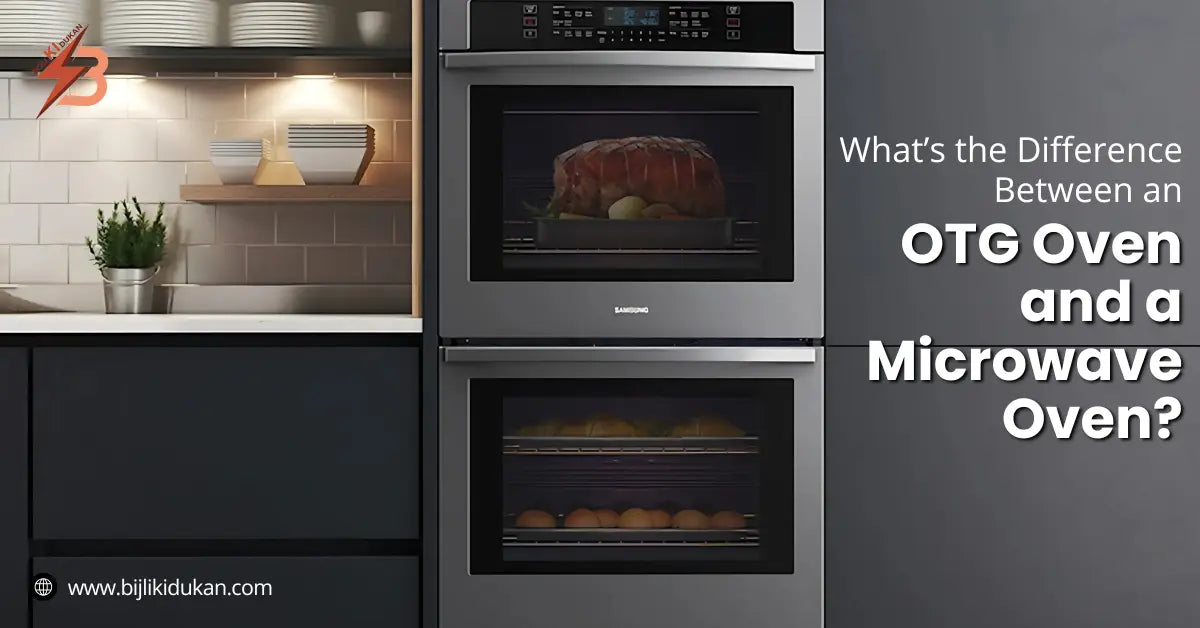
Credit: www.bijlikidukan.com
Oven Essentials
Ovens are a staple in kitchens worldwide, offering more than just a way to heat food. Understanding the essentials of how ovens work can help you choose the right one and use it effectively. Let’s break down the types of ovens and how they cook food, so you get a clear picture of their role in your cooking routine.
Types Of Ovens
Ovens come in various forms, each designed for specific cooking needs. Here are some common types you might encounter:
- Conventional Ovens:These use heating elements at the top and bottom to cook food through radiant heat.
- Convection Ovens:Equipped with fans, they circulate hot air around the food, cooking it faster and more evenly.
- Toaster Ovens:Compact and versatile, ideal for small meals or reheating without heating a full-sized oven.
- Steam Ovens:Use steam to cook food gently, preserving moisture and nutrients.
Choosing the right type depends on your cooking habits and the dishes you prepare most often. Have you ever wondered if a convection oven could cut down your cooking time?
How Ovens Cook Food
Ovens cook food primarily through heat transfer methods like conduction, convection, and radiation. In conventional ovens, heat radiates from the elements, warming the air inside the oven and then the food’s surface.
Convection ovens add a fan to move the hot air evenly, reducing hot spots and cooking food more uniformly. This method is especially useful for baking and roasting.
Steam ovens work differently by injecting moisture, which helps cook food quickly while keeping it tender. This technique is great for vegetables and fish, where dryness can be an issue.
Have you noticed how your favorite roast tastes different when cooked in a convection oven versus a conventional one? That difference comes down to how heat interacts with your food inside these ovens.
Heating Methods Compared
Understanding how microwaves and ovens heat your food can help you choose the right appliance for your cooking needs. Both use heat but in very different ways, affecting cooking time, texture, and flavor. Let’s break down these heating methods to see what really happens inside your microwave and oven.
Microwave Radiation Vs. Conventional Heat
Microwaves use electromagnetic waves that cause water molecules in your food to vibrate rapidly. This vibration creates heat, cooking the food from the inside out, usually in just a few minutes.
Ovens, on the other hand, rely on conventional heat through radiation and hot air circulation. Heat moves from the oven walls or heating elements to the food’s surface and then gradually penetrates inward.
- Microwave heating is faster because it targets water molecules directly.
- Ovens take longer but provide even cooking and browning due to surface heat.
- Microwaves can’t brown or crisp food like ovens do.
Impact On Food Texture And Flavor
Because microwaves heat food quickly, textures can turn out softer or even soggy, especially with bread or fried items. You might notice that reheated pizza in a microwave loses its crisp crust and becomes chewy.
Ovens excel at developing textures through browning and caramelization. When you roast vegetables or bake cookies, the dry heat helps create a satisfying crunch and richer flavors.
Have you ever wondered why leftovers taste different after reheating in a microwave? It’s mostly due to the lack of surface heat, which means no Maillard reaction—the chemical process that adds flavor and color.
Cooking Time And Efficiency
Cooking time and efficiency are key factors when choosing between a microwave and an oven. Both appliances heat food differently, affecting how fast and evenly meals cook. Understanding these differences helps in picking the right tool for your needs. Speed and energy use vary greatly between the two, influencing daily cooking routines and kitchen energy bills.
Speed Of Microwaves
Microwaves cook food very quickly. They use electromagnetic waves to heat water molecules inside the food. This method heats food from the inside out. Most microwave meals take just a few minutes. Defrosting frozen food also happens fast. The quick cooking saves time during busy days. However, microwaves may not brown or crisp food well.
Oven Cooking Duration
Ovens take longer to cook food. They use hot air to cook food evenly on all sides. Baking or roasting often needs 20 minutes or more. The heat surrounds the food, creating a crispy texture and rich flavors. Ovens use more energy during cooking. They work best for large meals or dishes needing slow cooking. Patience is key with oven cooking, but the results are often worth it.
Energy Consumption
Energy consumption is a key factor when choosing between a microwave and an oven. It affects electricity bills and environmental impact. Understanding how much power each appliance uses helps make a smart choice.
Power Usage Of Microwaves
Microwaves use electromagnetic waves to heat food quickly. They consume less energy because they heat only the food, not the air around it. Most microwaves use between 600 and 1200 watts of power. The cooking time is short, which saves electricity.
Microwaves are efficient for reheating and simple cooking tasks. They do not need to preheat, reducing energy waste. This makes microwaves a good option for quick meals.
Energy Needs Of Ovens
Ovens use electric heating elements or gas to cook food. They consume more energy because they heat the entire oven space. A typical electric oven uses 2000 to 5000 watts. Cooking times are longer compared to microwaves.
Ovens require preheating, which adds to energy use. They are better for baking or roasting but less efficient for quick heating. Using an oven for small tasks can lead to higher energy bills.
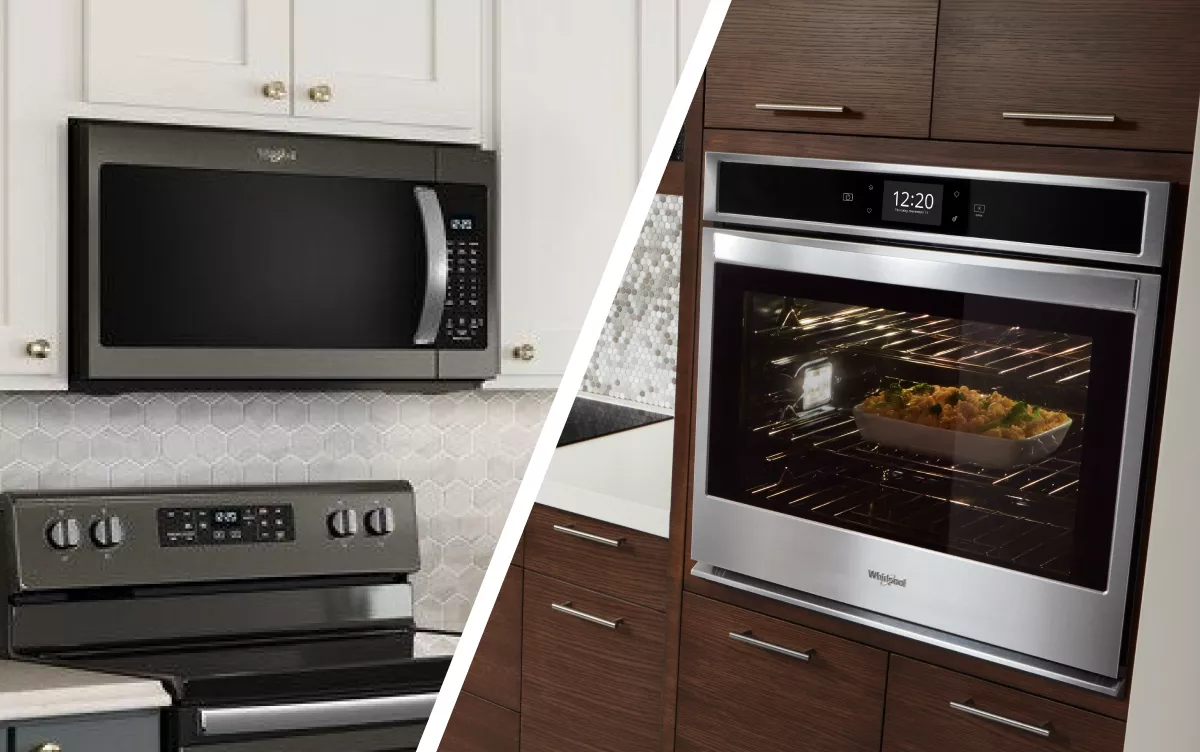
Credit: www.whirlpool.com
Safety Considerations
Safety is a key factor when using microwaves and ovens. Both appliances use heat but in different ways. Understanding safety tips helps avoid accidents and keeps your kitchen safe.
Microwave Safety Tips
- Use microwave-safe containers only.
- Never heat sealed containers or eggs in shells.
- Keep the door seal clean and undamaged.
- Avoid metal objects inside the microwave.
- Do not operate when the door is open or damaged.
- Stir food midway to prevent hot spots.
- Let food stand after heating to allow even heat distribution.
Oven Safety Practices
- Always use oven mitts when handling hot trays.
- Keep flammable items away from the oven.
- Do not leave the oven unattended during cooking.
- Ensure proper ventilation in the kitchen.
- Check the oven’s temperature settings carefully.
- Clean spills regularly to prevent smoke or fire.
- Turn off the oven immediately after use.
Maintenance And Cleaning
Maintenance and cleaning keep your microwave and oven working well. Dirt and food spills can cause bad smells and reduce efficiency. Regular care saves money and extends the appliance’s life. Each has its own cleaning and maintenance needs.
Cleaning Microwaves
Wipe the inside after each use to avoid stains. Use a damp cloth with mild soap for easy cleaning. Steam helps remove stuck food:
- Place a bowl with water and lemon juice inside.
- Run the microwave for 3-5 minutes.
- Let steam soften the grime, then wipe clean.
Clean the turntable and door seals regularly. Avoid harsh cleaners that can damage the surface. Dry all parts before closing the door.
Oven Maintenance
Remove crumbs and spills after each cooking session. Use oven cleaner or a baking soda paste for tough stains. Keep the racks clean by soaking them in warm, soapy water. Check the door seals for cracks or wear. Replace seals if heat escapes. Inspect heating elements for damage or buildup. Clean the exterior with a soft cloth and gentle cleaner.
Cost And Durability
Understanding the cost and durability of microwaves and ovens can help you make a smarter purchase. These two factors often influence how long your appliance serves you without extra expenses. Let’s break down what you should expect in terms of price and lifespan.
Price Ranges
Microwaves usually cost less upfront compared to ovens. You can find basic microwaves for under $50, while more advanced models with extra features may go up to $300 or more.
Ovens, especially built-in or convection types, often start around $400 and can climb past $2,000 depending on brand and functionality. If budget is tight, a microwave might seem like the obvious choice.
But consider how often you’ll use each. Are you okay spending more now for an oven that fits your cooking style better? Or does a microwave’s lower price fit your daily needs perfectly?
Longevity And Repairs
Ovens generally last longer than microwaves, with average lifespans of 13-15 years versus 7-10 years for microwaves. This difference matters if you want an appliance that won’t need replacement soon.
Microwaves often have fewer repair options and can become costly to fix. Ovens tend to be more durable and easier to service because of their simpler mechanical parts.
Think about your willingness to repair versus replace. Would you rather invest in an oven that may outlast you or a microwave that might need swapping out in less than a decade?
Choosing Between Microwave And Oven
Choosing between a microwave and an oven depends on what you want to achieve in your kitchen. Both have their unique strengths and are suited for different cooking tasks. Understanding when to use each appliance can save you time and improve your cooking results.
When To Use A Microwave
Microwaves are perfect for quick heating and reheating. If you need to warm up leftovers or defrost frozen food, a microwave does the job fast and efficiently.
They also work well for simple tasks like melting butter or cooking microwave-friendly meals. If you value speed and convenience, the microwave is your best friend.
Think about those busy mornings when you need to heat your coffee or oatmeal quickly. Microwaves can help you save precious minutes without compromising your schedule.
When To Opt For An Oven
Ovens excel in baking, roasting, and cooking meals that require even, consistent heat. If you want crispy textures or browned surfaces, an oven is the right choice.
Think about baking a cake, roasting vegetables, or cooking a whole chicken. These tasks need the slow and steady heat an oven provides to develop flavors and textures properly.
Do you enjoy experimenting with recipes that need precise temperature control? Ovens give you that flexibility, making them essential for serious cooking projects.
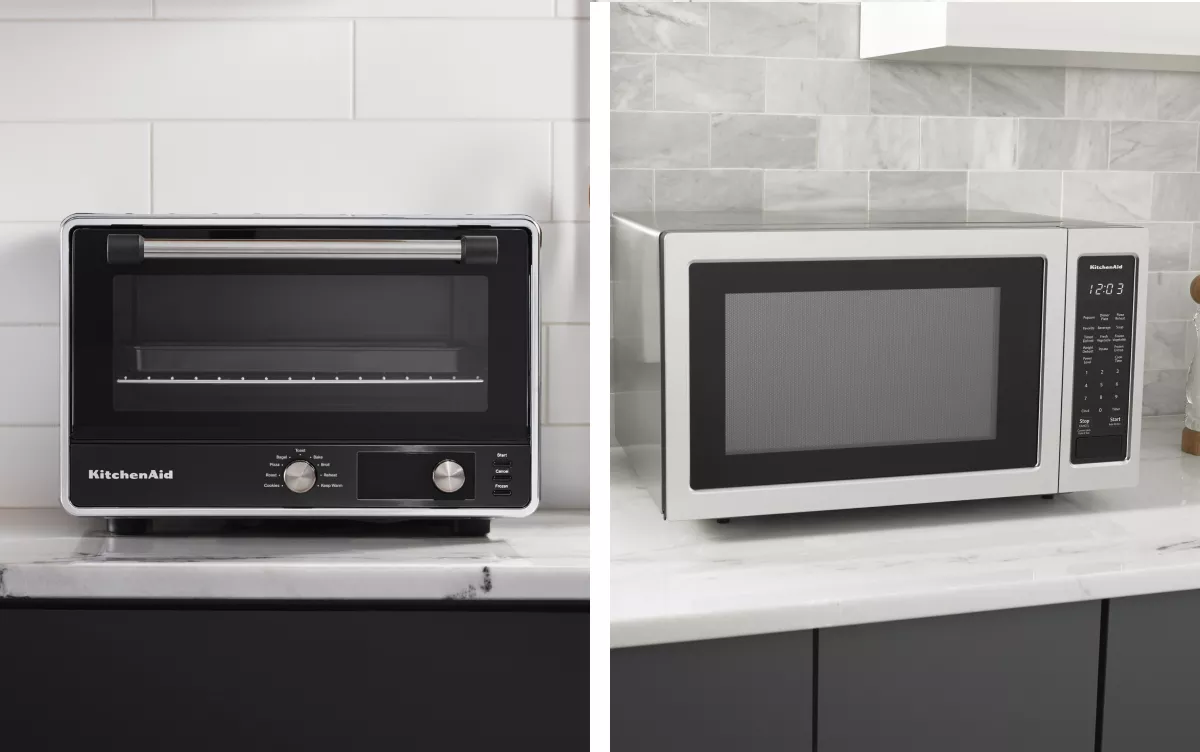
Credit: www.kitchenaid.com
Frequently Asked Questions
What Is The Main Difference Between Microwave And Oven?
A microwave uses electromagnetic waves to heat food quickly. An oven cooks food by surrounding it with hot air. Microwaves are faster, while ovens provide even cooking and browning.
Can A Microwave Replace A Traditional Oven?
Microwaves are great for reheating and quick cooking. However, ovens are better for baking and roasting. Each appliance serves different cooking needs, so they complement rather than replace each other.
Which Cooks Food Faster: Microwave Or Oven?
Microwaves cook food significantly faster than ovens. They heat food from inside out using electromagnetic waves. Ovens take longer as they cook by heating air around the food.
Are Microwaves Safe Compared To Ovens?
Microwaves are safe when used properly. They use non-ionizing radiation that doesn’t alter food chemically. Ovens use conventional heat, which is also safe but slower for cooking.
Conclusion
Microwaves heat food quickly using radiation waves. Ovens cook food slowly with hot air. Each has its own use in the kitchen. Microwaves are great for reheating and quick meals. Ovens work best for baking and roasting. Knowing these differences helps you choose the right tool.
Both appliances make cooking easier every day. Choose based on your cooking needs and time. Simple and clear—now you know how they differ.