Ever found yourself battling smoke, lingering odors, or grease splatters in your kitchen and wondered if there’s a better solution? Imagine cooking your favorite meals without these hassles.
That’s where a ductless range hood steps in, offering a breath of fresh air—literally. This innovative kitchen appliance might just be the game-changer you’ve been searching for. But what exactly is a ductless range hood, and how can it transform your cooking space into a cleaner, more pleasant environment?
Stick around as we unravel the secrets of this essential kitchen upgrade, and discover why it might be the perfect fit for your home.
Ductless Range Hood Basics
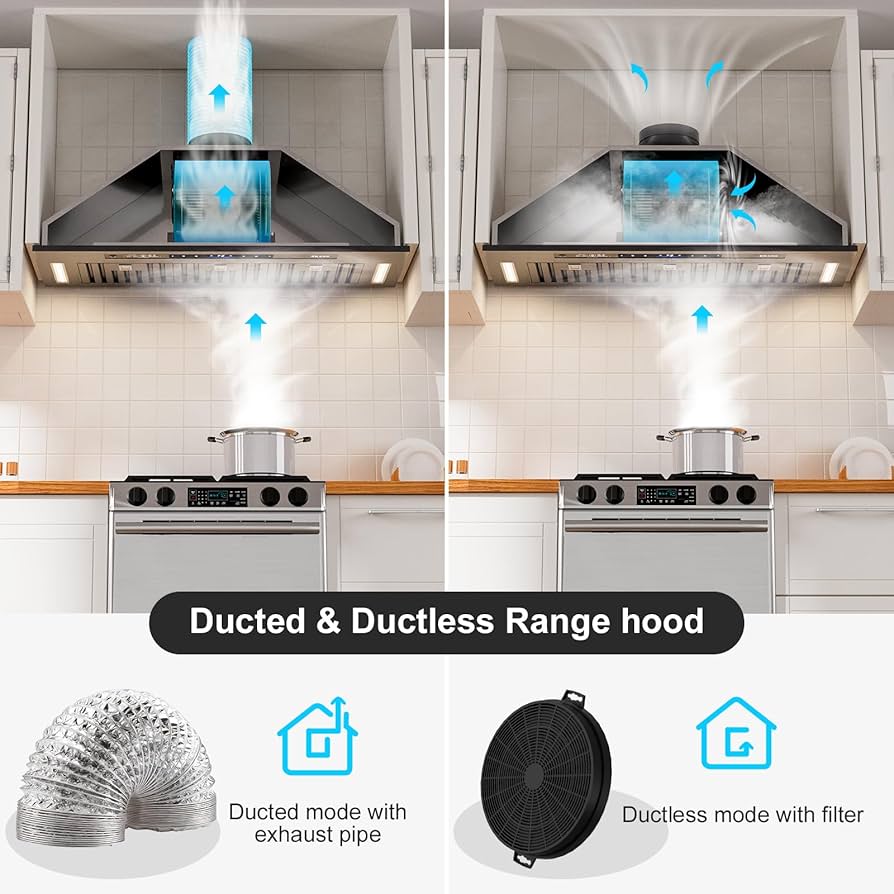
Understanding the basics of a ductless range hood can change how you think about kitchen ventilation. Unlike traditional hoods that vent air outside, ductless range hoods recirculate the air within your kitchen. This makes them a great choice for spaces where installing ductwork isn’t possible or practical.
How It Works
A ductless range hood pulls in cooking fumes, smoke, and odors through a fan. Instead of sending this air outside, it passes through special filters that clean it. The filtered air is then released back into the kitchen, free from most grease and smells.
Have you ever noticed lingering smells after cooking? A ductless hood tackles that by continuously filtering and refreshing the air. It’s a simple process but effective in keeping your kitchen air clean without the need for a vent to the outdoors.
Key Components
- Fan:Moves the air from your cooking surface into the hood.
- Filters:Typically include a grease filter and a charcoal filter to trap particles and odors.
- Lighting:Provides illumination directly over your stove for better visibility.
- Control Panel:Allows you to adjust fan speed and lighting based on your cooking needs.
These parts work together quietly and efficiently. Knowing what each component does helps you choose the right hood and maintain it properly. Have you checked your hood’s filters recently? Clean filters mean better air quality and longer-lasting performance.

Credit: www.baillios.com
Benefits Of Ductless Range Hoods
Ductless range hoods offer many benefits for kitchens without external venting options. They use filters to clean the air before recirculating it back into the room. These hoods improve the cooking environment while being easy to set up and energy-saving. Here are the key benefits of ductless range hoods.
Improved Air Quality
Ductless range hoods trap smoke, grease, and odors effectively. They use charcoal or carbon filters to absorb smells and airborne particles. This process helps keep the kitchen air fresh and clean. It reduces cooking smells that linger in your home.
Easy Installation
Ductless hoods do not require external vent ducts. This makes installation simpler and faster. You can place them almost anywhere above the stove. No need for cutting holes or complex vent systems. This saves time and lowers installation costs.
Energy Efficiency
Ductless range hoods use less energy than vented models. They recycle the air instead of pushing it outside. This helps keep indoor temperatures stable. It reduces heating and cooling costs in your home. The filters also last long, cutting replacement frequency.
Types Of Filters Used
Ductless range hoods rely on filters to keep your kitchen air clean. These filters trap grease, smoke, and odors. Different filters serve unique purposes. Understanding these types helps you choose the right hood for your needs.
Charcoal Filters
Charcoal filters remove odors and smoke from the air. They use activated carbon to trap smells. These filters do not catch grease or particles. They are common in ductless range hoods because they refresh the air before releasing it.
Charcoal filters need regular replacement. Over time, they lose their ability to absorb odors. Replacing them keeps your kitchen smelling fresh.
Grease Filters
Grease filters catch oil and fat particles from cooking. They protect the hood’s motor and the kitchen environment. Most grease filters are made of metal mesh or baffles. Metal mesh filters trap grease in fine layers. Baffle filters force air to change direction, dropping grease inside.
Grease filters are washable. Cleaning them often prevents buildup and fire risks. They are essential for maintaining good airflow.
Filter Maintenance Tips
- Clean grease filters every 1 to 3 months.
- Replace charcoal filters every 3 to 6 months.
- Use warm water and mild detergent for cleaning metal filters.
- Check manufacturer instructions for specific care guidelines.
- Regular maintenance extends the life of your range hood.
Choosing The Right Model
Choosing the right ductless range hood means balancing functionality with your kitchen’s unique needs. It’s not just about picking the most powerful or the most stylish model. You need to consider several factors that affect how well the hood performs and fits into your cooking space.
Size And Power
The size of your range hood should match the size of your cooktop. A hood that’s too small won’t capture all the smoke and odors effectively. On the other hand, an oversized hood might overwhelm your kitchen space and increase costs unnecessarily.
Power is measured in cubic feet per minute (CFM), indicating how much air the hood can move. If you cook often or use high-heat methods like frying or grilling, aim for a higher CFM. For lighter cooking, a lower CFM model may be enough.
Noise Levels
Noise can be a deal-breaker for many people. A powerful range hood that sounds like a jet engine will make your kitchen less enjoyable. Look for models that offer a balance of strong airflow and quiet operation.
Some manufacturers provide decibel (dB) ratings. Aim for a hood with noise levels below 60 dB for comfortable conversation while cooking. Have you ever had a noisy appliance that made you avoid using it? This is why noise matters.
Design And Aesthetics
Your range hood should blend with your kitchen’s style without dominating it. Ductless models come in various finishes like stainless steel, black, or white, and different shapes such as wall-mounted or under-cabinet.
Think about your kitchen’s existing colors and materials. Do you want the hood to stand out or blend in? Choosing the right design ensures your kitchen looks cohesive and inviting.
Installation Considerations
Installing a ductless range hood requires careful planning to ensure it works efficiently and fits seamlessly into your kitchen. Unlike traditional vented hoods, ductless models recycle air through filters, which changes how and where you place them. Thinking through installation details helps you avoid common pitfalls and get the best performance.
Placement Options
Your ductless range hood should be placed where it can capture the most cooking fumes effectively. Typically, this means mounting it directly above your stove or cooktop, about 20 to 30 inches from the surface. Placing it too high can reduce its ability to trap smoke, while placing it too low may interfere with cooking.
Consider the size of your kitchen and airflow patterns. If your kitchen is small, a centrally located hood works well. In larger kitchens or open layouts, you might need additional air circulation solutions. Have you checked how your kitchen’s layout affects air movement before deciding on a spot?
Electrical Requirements
Ductless range hoods need a reliable power source to operate their fans and lights. Most models require a standard 110-120 volt electrical outlet nearby. It’s important to ensure your kitchen’s wiring can support the hood without overloading circuits.
Check if your range hood comes with a plug or if it needs to be hardwired. If you’re unsure about your home’s electrical setup, consulting a licensed electrician is a smart move. Proper electrical installation not only keeps your hood running smoothly but also keeps your kitchen safe.

Credit: www.davesappliancewin.com
Comparing Ductless And Ducted Hoods
Choosing between ductless and ducted range hoods can impact your kitchen’s air quality, design, and budget. Both types aim to keep your cooking space fresh, but they work differently and suit different needs. Understanding their key differences helps you decide what fits your lifestyle and kitchen setup best.
Performance Differences
Ducted hoods vent air outside, effectively removing smoke, steam, and odors from your kitchen. This often means better air quality and less chance of lingering smells. Ductless hoods, however, filter the air through charcoal or carbon filters and recirculate it back into the room.
This makes ductless hoods less powerful at removing moisture and heavy smoke. If you cook a lot of greasy or smoky dishes, ducted hoods usually perform better. But if your cooking is lighter or your space doesn’t allow for venting outside, ductless might be enough.
Cost Factors
Ductless range hoods generally cost less upfront because they don’t require ductwork installation. You save on materials and labor, which can be significant if your kitchen walls or ceilings make venting difficult. Filters need replacing every few months, which adds to ongoing costs.
Ducted hoods have higher installation costs but less maintenance since they don’t rely on filters. Over time, this might balance out depending on how often you replace ductless filters. Thinking about your budget, do you prefer a lower initial cost or less hassle later?
Space Constraints
If your kitchen lacks exterior walls or space for ductwork, a ductless hood is often the only option. These units are easier to install in apartments or homes with complex layouts. They also tend to be more compact, freeing up space above your stove.
Ducted hoods require venting through walls or ceilings, which may not be possible in some homes. This can limit your design choices or require costly remodeling. Have you measured your kitchen space and checked for venting options before choosing?
Maintaining Cleaner Air
Maintaining cleaner air in your kitchen is vital for health and comfort. A ductless range hood helps by filtering out smoke, odors, and grease. Keeping it clean ensures it works well and keeps your air fresh.
Regular Cleaning
Regular cleaning removes grease and dust buildup. Wipe the exterior with a damp cloth and mild soap. Clean the fan blades carefully to avoid damage. Avoid harsh chemicals that can harm the finish. Clean the hood at least once every two weeks.
Filter Replacement Schedule
Filters trap smoke and particles but get clogged over time. Replace charcoal or carbon filters every 3 to 6 months. Metal grease filters need washing every month. Follow manufacturer guidelines for the best schedule. Fresh filters improve air flow and odor removal.

Credit: www.searshomeservices.com
Common Myths And Facts
Many people have questions about ductless range hoods, often clouded by myths and misunderstandings. Sorting fact from fiction helps you make better decisions for your kitchen ventilation. Let’s clear up some common myths and offer you the real scoop.
Myth: Ductless Range Hoods Are Less Effective
Some believe ductless hoods don’t remove smoke or odors well. In reality, these hoods use high-quality filters that trap grease and neutralize smells efficiently. If you maintain the filters regularly, a ductless system can keep your kitchen air fresh just like ducted ones.
Myth: Ductless Range Hoods Are Noisy
Noise worries stop many from choosing ductless hoods. However, modern models are designed for quiet operation, often running at noise levels similar to a conversation. If you find a noisy hood, it’s usually due to an older design or poor installation, not the ductless concept itself.
Fact: Ductless Range Hoods Are Easy To Install
You don’t need extensive remodeling to add a ductless hood. They don’t require venting through walls or ceilings, which means less hassle and lower installation costs. This makes them perfect for apartments or kitchens where adding ducts is impossible.
Fact: Regular Filter Maintenance Is Crucial
Filters are the heart of ductless hoods. Neglecting them leads to poor performance and lingering odors. Cleaning or replacing filters as recommended ensures your range hood works at its best, keeping your kitchen air clean.
Myth: Ductless Range Hoods Don’t Improve Kitchen Air Quality
Some think that because ductless hoods recirculate air, they don’t help with air quality. But with activated charcoal and grease filters, these hoods effectively reduce airborne grease, smoke, and odors. They won’t remove humidity as ducted hoods do, but they significantly improve air cleanliness.
Have you noticed any myths that stopped you from considering a ductless range hood before? Understanding these truths might change how you look at kitchen ventilation options.
Frequently Asked Questions
What Is A Ductless Range Hood?
A ductless range hood filters air without external venting. It uses charcoal filters to remove odors and grease. This type suits kitchens lacking ductwork. It recirculates clean air back into the room, improving indoor air quality efficiently.
How Does A Ductless Range Hood Work?
It pulls cooking fumes through a grease filter first. Then, charcoal filters absorb odors and smoke particles. Cleaned air is recirculated into your kitchen. No external duct or vent is needed, making installation easier.
Are Ductless Range Hoods Effective In Ventilation?
Yes, they effectively reduce smoke, grease, and odors indoors. However, they don’t remove heat or moisture outside. For kitchens with limited ventilation options, ductless hoods offer practical air cleaning.
What Are The Benefits Of Ductless Range Hoods?
They’re easy to install without external ductwork. They improve air quality by filtering smoke and odors. Ductless hoods save space and work well in apartments or condos. Filters are replaceable and require regular maintenance.
Conclusion
Ductless range hoods offer easy installation and flexible placement. They clean air by filtering smoke, grease, and odors. These hoods do not need ducts, saving space and costs. They work best in small kitchens or where venting is hard. Keep filters clean for good performance and longer life.
Choosing the right ductless hood improves kitchen air quality. Simple to use and maintain, they help keep your cooking area fresh. A smart choice for many homes.