Have you ever wondered why some cutting boards last longer and stay sharper on your knives? The secret might be in the type of wood used—specifically, something called an end grain cutting board.
If you want a board that protects your knives, looks beautiful, and stands up to heavy use, understanding what an end grain cutting board is can change the way you cook forever. Keep reading, and you’ll discover why this special board could be the perfect addition to your kitchen.
Credit: www.kimecopak.ca
End Grain Cutting Board Basics
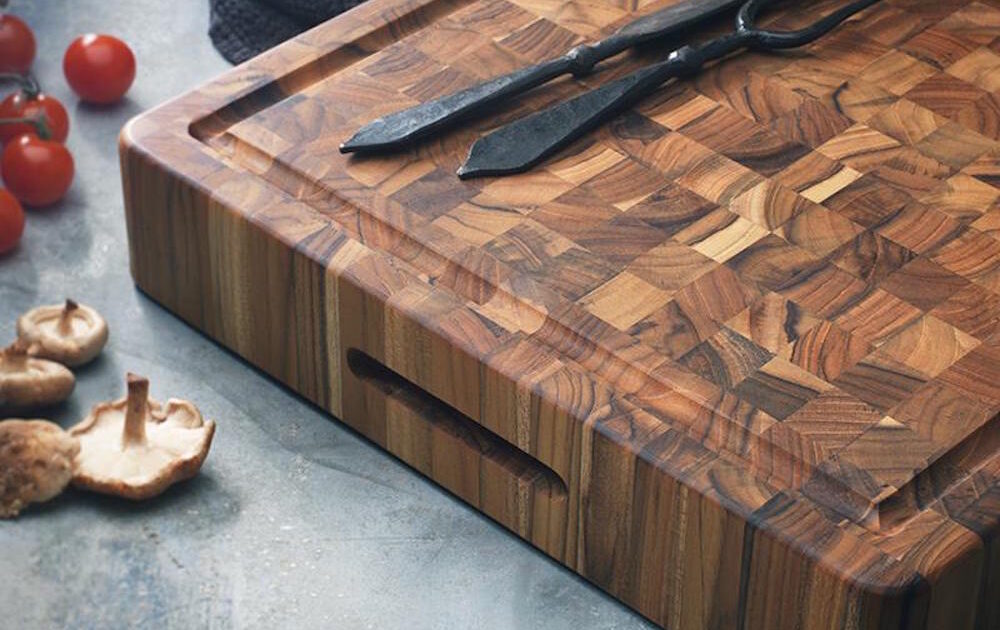
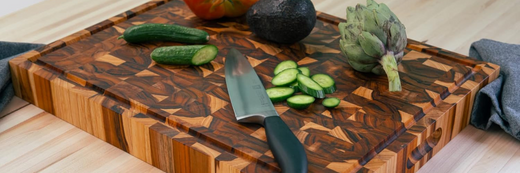
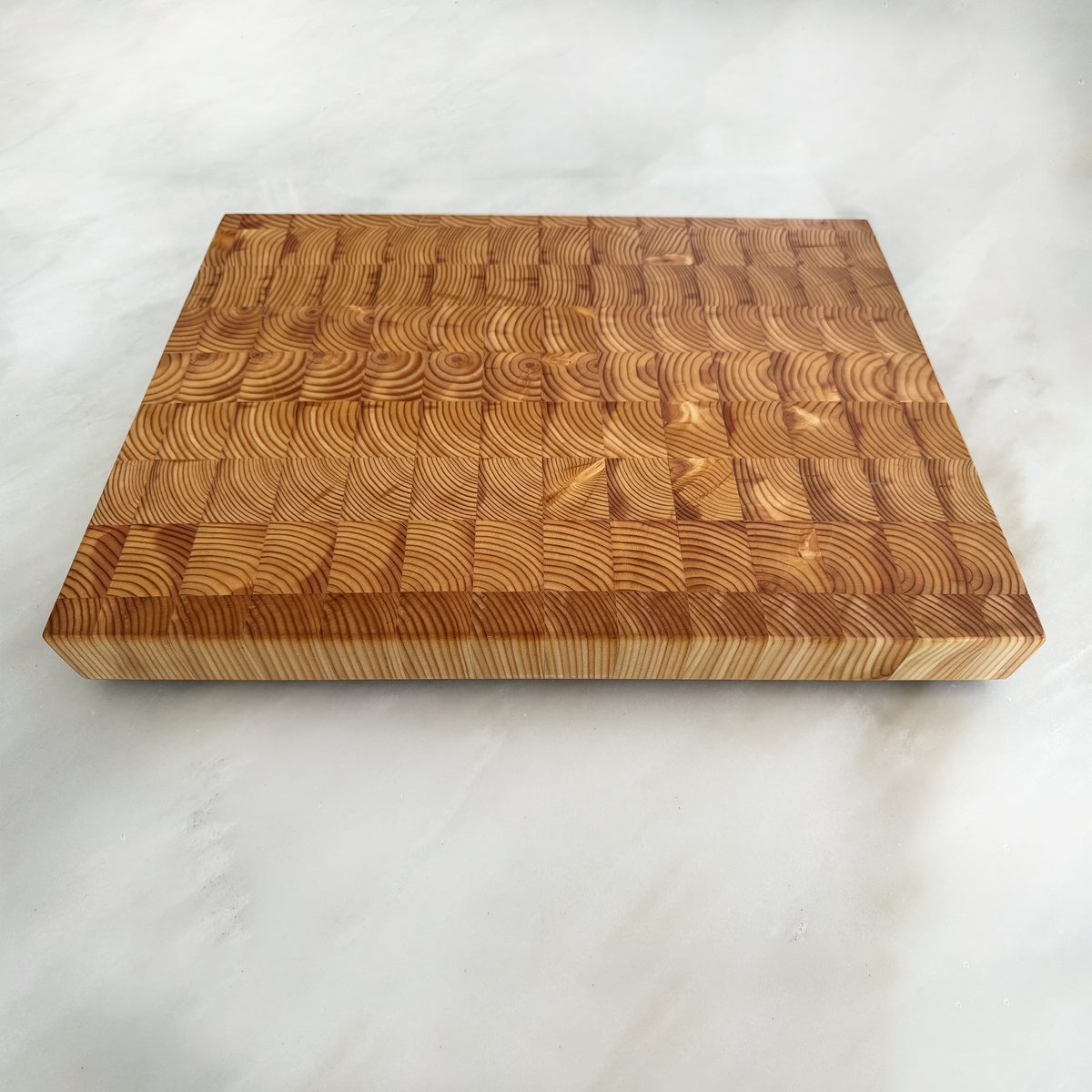
An end grain cutting board shows the wood’s grain on the cutting surface. This means you see the ends of the wood fibers, not the side.
These boards are popular because they protect knives and last a long time. They also look unique and stylish in the kitchen.
What Sets End Grain Apart
End grain boards have a special pattern from the wood fiber ends. This pattern helps the board heal after cutting.
The wood fibers stand up, so knife cuts go between them. This keeps the board smooth and your knives sharp longer.
- Wood fibers absorb cuts better
- Less damage to knives
- Self-healing surface
- Unique checkerboard or mosaic look
Common Wood Choices
Hardwoods are best for end grain boards. They are strong and resist cuts well.
- Maple: Light color, very durable
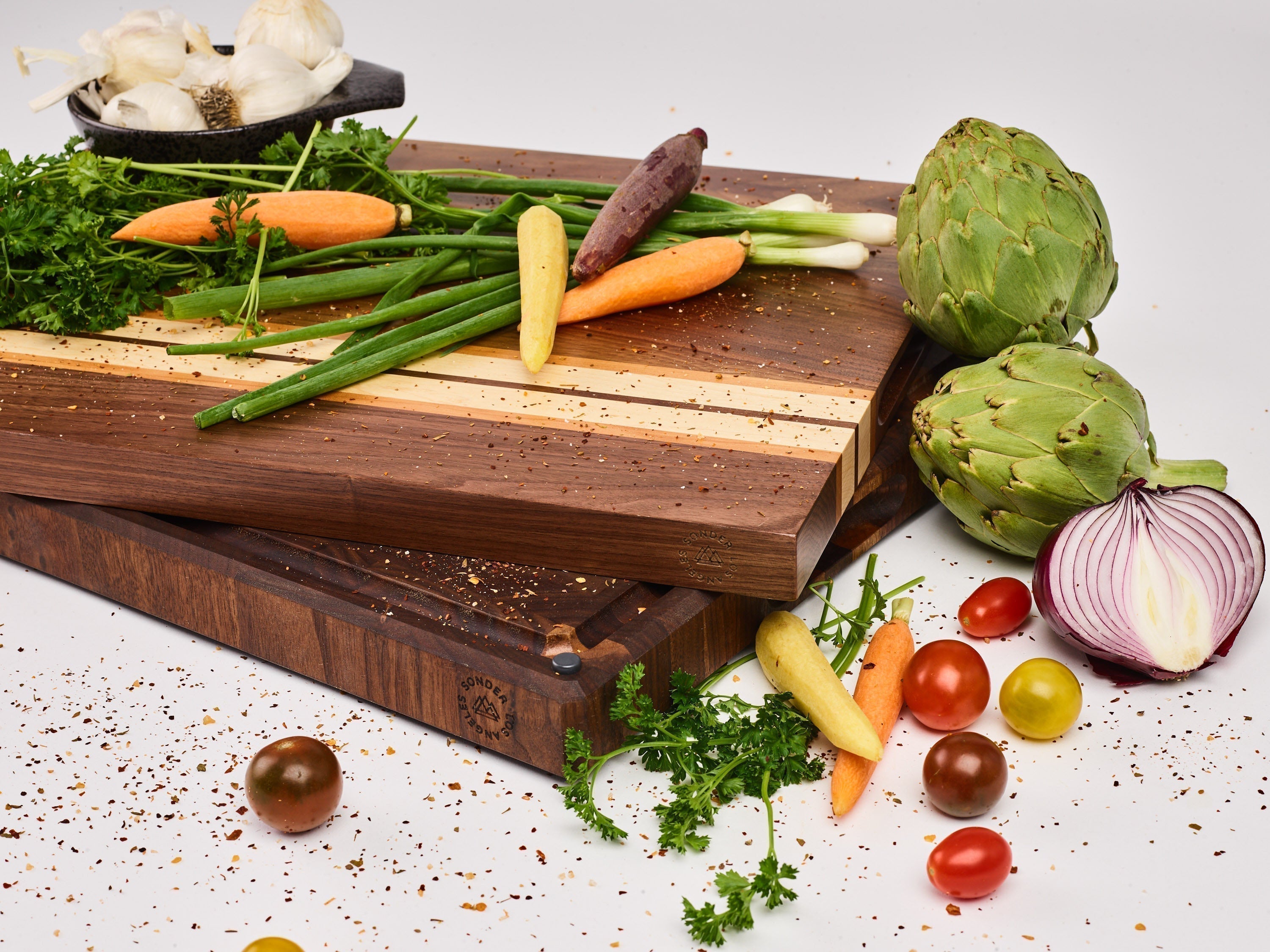
- Walnut: Dark color, rich look
- Cherry: Warm reddish tone
- Oak: Strong and textured
- Beech: Smooth and light
Mixing different woods can create a beautiful design. Each wood type adds a unique color and pattern.
Benefits Of End Grain Boards
End grain cutting boards are a popular choice in kitchens. They offer unique benefits compared to other types of boards. These benefits make them a smart investment for regular cooking.
This article explains three main benefits of end grain boards. We will look at durability, how they protect knives, and their resistance to damage.
Durability And Longevity
End grain boards last longer than other cutting boards. The wood fibers are arranged vertically. This helps the board absorb cuts without breaking.
- The board heals itself as the fibers close after cutting.
- It does not crack or warp easily over time.
- Regular oiling can keep the board strong for years.
Knife-friendly Surface
End grain boards are gentle on knives. The vertical wood fibers let the knife cut between them. This reduces dulling and keeps blades sharper.
| Surface Type | Effect on Knife |
| End Grain | Protects edges, stays sharp longer |
| Edge Grain | Moderate wear on blades |
| Plastic | Can dull knives faster |
Resistance To Wear And Tear
End grain boards resist damage better than flat boards. The wood fibers absorb force from knives and impacts. This prevents deep cuts and scratches.
- Cut marks are less visible on end grain boards.
- Boards maintain a smooth surface longer.
- They handle heavy use in busy kitchens.
Crafting End Grain Boards
End grain cutting boards are popular for their durability and unique look. They are made by arranging wood pieces so the grain faces up. This makes the board gentle on knives and long-lasting.
Making an end grain board takes care and attention. You need to choose the right wood, join it well, and finish it properly to create a strong board.
Wood Selection And Preparation
Select hardwoods like maple, walnut, or cherry for strength and beauty. Avoid soft woods, which can dent easily. Cut the wood into strips, then square them for a tight fit.
- Use dry, stable wood with little moisture.
- Cut strips to equal thickness.
- Remove any knots or defects.
- Arrange colors and grains for a nice pattern.
Glue-up Techniques
Glue the wood strips with the end grain facing up. Use strong wood glue and clamp the pieces tightly. Let the glue dry fully to avoid weak spots.
| Glue Type | Clamping Time | Drying Time |
| Wood Glue (PVA) | 30 minutes | 24 hours |
| Epoxy | 60 minutes | 48 hours |
| Polyurethane | 45 minutes | 24 hours |
Sanding And Finishing
Sand the board starting with coarse grit and move to fine grit. This smooths the surface and removes glue residue. Finish with a food-safe oil or wax to protect the wood.
- Sand with 80 grit, then 120, 220, and 320.
- Use mineral oil or beeswax for finishing.
- Apply oil evenly and let it soak in.
- Buff the board to a soft shine.
Credit: sonderla.com
Maintenance Tips
End grain cutting boards need care to last long and stay safe to use. Proper maintenance keeps the board looking good and working well.
Simple daily cleaning and regular conditioning can protect your board. Fixing small damages early helps avoid bigger problems.
Cleaning Best Practices
Clean your end grain cutting board after every use. Avoid soaking it in water or putting it in a dishwasher. Use mild soap and warm water instead.
- Use a soft sponge or cloth to clean the surface
- Rinse with warm water immediately after washing
- Dry the board upright or on a rack to air dry
- Do not leave the board wet or submerged
- Disinfect with vinegar or diluted bleach if needed
Oiling And Conditioning
Oiling your board keeps the wood moist and prevents cracking. Use food-safe mineral oil or conditioning cream regularly to protect the surface.
| Frequency | Recommended Method |
| Weekly | Apply a thin layer of mineral oil |
| Monthly | Use a board cream with beeswax for extra protection |
| When dry | Reapply oil or cream to restore moisture |
Repairing Minor Damages
Small scratches and cuts can be fixed to keep your board smooth. Sand the damaged area lightly with fine sandpaper and then re-oil.
- Clean the board before sanding
- Use 220-grit sandpaper for minor scratches
- Sand in the direction of the wood grain
- Remove dust with a damp cloth
- Apply oil to the sanded area to seal it
Choosing The Right Board
End grain cutting boards are popular for their durability and knife-friendly surface. Choosing the right board can improve your kitchen experience.
This guide covers size, price, and trusted brands to help you select the best end grain cutting board.
Size And Thickness Considerations
Size and thickness affect how the board fits your kitchen and handles daily tasks. Bigger boards offer more space but take up room.
- Choose a size that matches your countertop space.
- Thicker boards last longer and resist warping.
- Consider weight; thick boards can be heavy to move.
- Smaller boards are easier to clean and store.
Price Vs. Quality
Price often reflects the wood quality and craftsmanship of the board. Higher price usually means better materials and durability.
| Price Range | Quality Features | Typical Use |
| Low | Basic wood, thinner boards | Light kitchen use |
| Mid | Better wood, thicker, more durable | Regular home cooking |
| High | Premium hardwoods, handcrafted | Professional or heavy use |
Brands And Makers To Know
Some brands offer consistent quality in end grain cutting boards. Look for makers with good reviews and craftsmanship.
- John Boos – known for sturdy, classic boards.
- Boos Blocks – offers a wide range of sizes and woods.
- Custom local makers – often handmade with unique designs.
- Totally Bamboo – eco-friendly and affordable options.
Credit: www.deerparkwoodwork.com
Comparing End Grain To Other Boards
End grain cutting boards differ from other types in how the wood fibers are arranged. This affects how they handle knives and wear over time.
Understanding these differences helps you choose the right board for your kitchen needs.
Edge Grain Vs. End Grain
Edge grain boards show the long side of wood strips glued together. End grain boards show the wood fibers’ ends facing up.
End grain boards are softer on knives because the fibers absorb the blade’s impact. Edge grain boards are harder and can dull knives faster.
- End grain boards last longer with heavy use.
- Edge grain boards are usually cheaper and lighter.
- End grain boards have a unique checkerboard look.
- Edge grain boards often have a simpler design.
Plastic And Composite Alternatives
Plastic and composite boards offer different benefits compared to wood. They are often easier to clean and less porous.
| Material | Durability | Knife Friendliness | Maintenance |
| End Grain Wood | High | Very Good | Requires Oil |
| Edge Grain Wood | Medium | Good | Requires Oil |
| Plastic | Medium | Fair | Dishwasher Safe |
| Composite | High | Good | Hand Wash Recommended |
Frequently Asked Questions
What Is An End Grain Cutting Board?
An end grain cutting board is made by arranging wood blocks with grain ends facing up. This design makes the board durable and gentle on knives. It resists deep cuts and self-heals from small scratches, making it ideal for heavy kitchen use.
How Does End Grain Differ From Edge Grain Boards?
End grain boards show wood fibers vertically, while edge grain boards display fibers horizontally. End grain boards are more durable and knife-friendly. Edge grain boards are usually less expensive but wear out faster and show knife marks more easily.
Why Choose An End Grain Cutting Board?
End grain boards last longer and protect your knives better. Their surface absorbs knife impact, reducing blade dullness. They also have a natural, attractive wood pattern that improves with use, making them both practical and aesthetically pleasing.
How To Maintain An End Grain Cutting Board?
Clean with mild soap and warm water; avoid soaking. Regularly oil with food-safe mineral oil to prevent drying and cracking. Avoid dishwasher use, as heat and moisture damage the wood. Proper care keeps the board functional and beautiful for years.
Conclusion
End grain cutting boards offer durability and beauty. They protect your knives, ensuring a longer lifespan. Their unique design absorbs impacts, reducing visible scratches. Easy to maintain with regular oiling. A practical and stylish addition to your kitchen. Perfect for everyday use.
These boards also add a touch of elegance. Whether you’re chopping vegetables or slicing bread, they handle it all. Investing in one brings functionality and style to cooking. A reliable choice for chefs and home cooks alike. Consider an end grain board for your next kitchen upgrade.