
Have you ever wondered what happens to the gases your car produces after you press the gas pedal? Understanding your vehicle’s exhaust system can give you a clearer picture of how your car works and why it’s important for both performance and safety.
You’ll discover what an exhaust system is, how it affects your ride, and why keeping it in good shape matters more than you might think. Ready to learn something that can improve your driving experience? Let’s dive in.
Credit: globalmuffler.ca
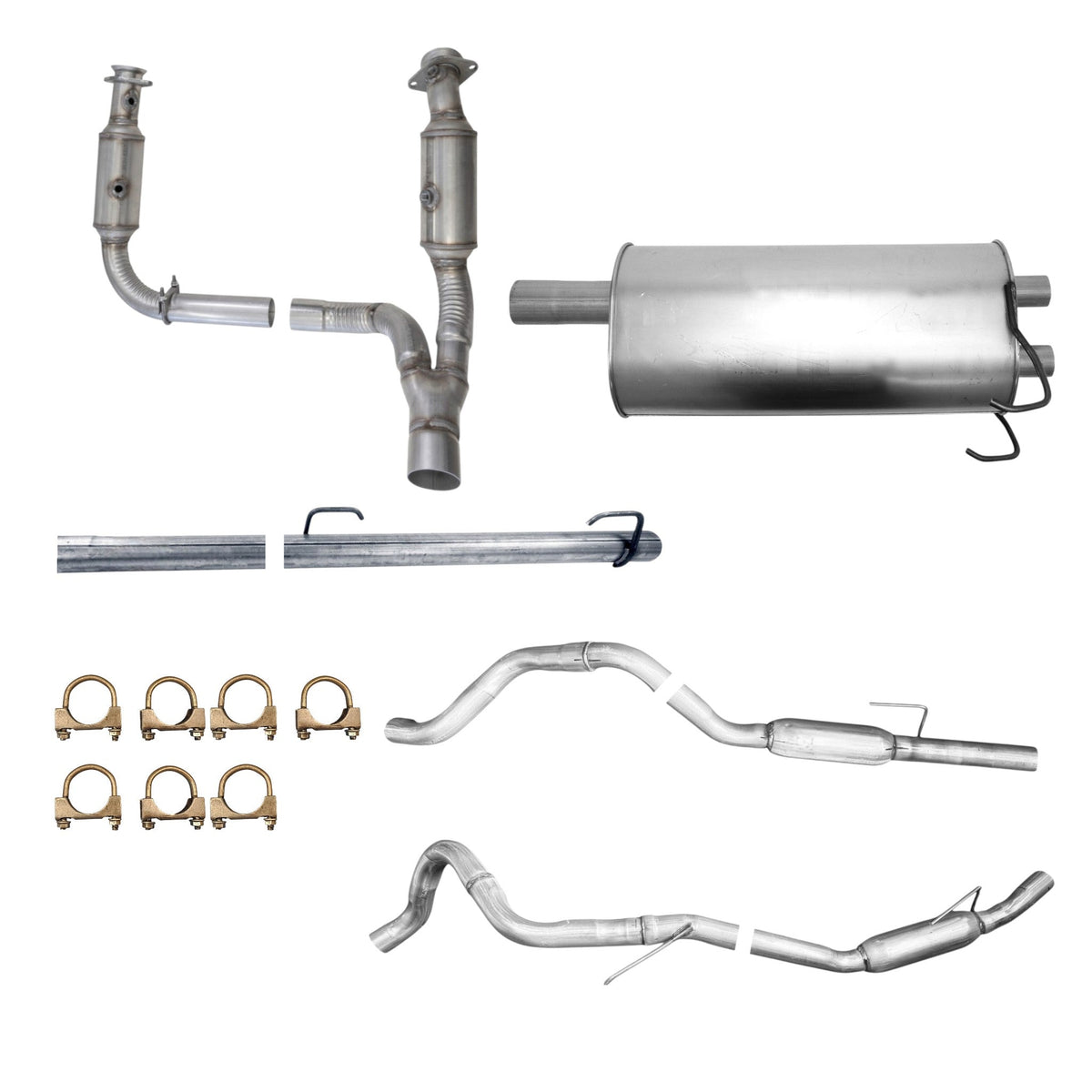
Components Of An Exhaust System
The exhaust system helps remove gases from an engine. It also reduces noise and harmful emissions.
This system has several parts that work together. Each part has a special job to keep the car running well.
Manifold
The manifold collects exhaust gases from the engine cylinders. It sends the gases into the exhaust pipes.
Catalytic Converter
The catalytic converter cleans harmful gases from the exhaust. It changes dangerous gases into safer ones.
- Converts carbon monoxide into carbon dioxide
- Reduces nitrogen oxides
- Breaks down unburned fuel
Muffler
The muffler lowers the noise made by exhaust gases. It uses chambers and tubes to reduce sound.
| Part | Function |
|---|---|
| Chambers | Cancel sound waves |
| Tubes | Direct gas flow |
| Insulation | Absorb noise |
Exhaust Pipes
Exhaust pipes carry gases from the manifold through the system. They release gases safely outside the vehicle.
Credit: www.performancepartscanada.ca
How An Exhaust System Works
The exhaust system moves gases away from the engine. It helps keep the car running smoothly and safely. This system controls harmful gases and noise from the engine.
Understanding how the exhaust system works shows its role in a vehicle’s performance. It also helps explain why it needs regular care and checks.
Process Of Expelling Gases
The engine creates gases when fuel burns inside. These gases must leave the engine quickly. The exhaust system guides these gases outside the vehicle safely.
- Exhaust gases exit the engine cylinders.
- They enter the exhaust manifold, which collects them.
- Gases pass through the catalytic converter, which reduces pollution.
- They move through the muffler to lower noise.
- Finally, gases leave through the tailpipe into the air.
Role In Engine Performance
The exhaust system affects how well the engine runs. It controls back pressure, which is the resistance gases feel when leaving. Proper back pressure helps the engine work efficiently.
| Component | Effect on Performance |
|---|---|
| Exhaust Manifold | Collects gases and directs them smoothly |
| Catalytic Converter | Reduces harmful emissions without lowering power |
| Muffler | Controls noise and affects exhaust flow |
| Tailpipe | Releases gases safely outside the vehicle |
Benefits Of A Well-functioning Exhaust System
The exhaust system helps remove gases from the engine. It guides harmful fumes away from your car safely.
A well-working exhaust system keeps your car running smooth and clean. It also improves the engine’s performance.
Improved Fuel Efficiency
A good exhaust system helps the engine breathe better. This means it uses fuel more wisely and saves gas.
When gases leave the engine quickly, the engine works less hard. This reduces fuel waste and lowers costs.
Reduced Emissions
The exhaust system cleans harmful gases before they leave the car. This helps protect the air we breathe.
Cars with good exhaust systems produce fewer pollutants. This keeps the environment safer and healthier.
- Less carbon monoxide
- Lower nitrogen oxide
- Reduced hydrocarbons
Enhanced Engine Lifespan
A well-maintained exhaust system stops heat and pressure from building up. This protects engine parts from damage.
When the engine runs cooler and cleaner, it lasts longer. This saves money on repairs and replacements.
Types Of Exhaust Systems
An exhaust system removes gases from the engine. It helps the car run smoothly.
There are different types of exhaust systems. Each type has its own design and benefits.
Single Exit Pipe
The single exit pipe is the most common exhaust system. It has one pipe at the rear of the vehicle.
This type is simple and cost-effective. It is found on many standard cars and light trucks.
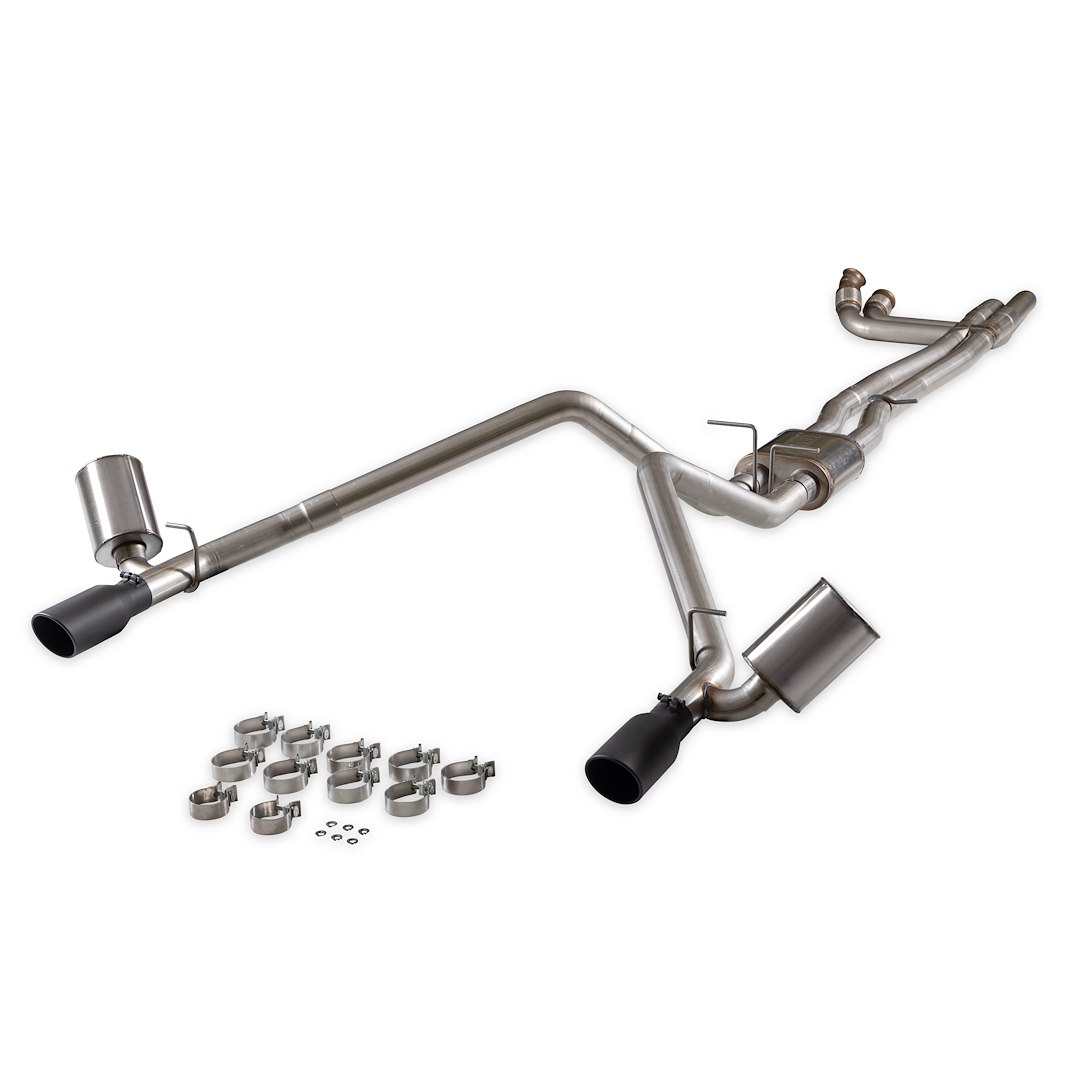
Dual Exit Pipe
Dual exit pipes have two exhaust pipes. Both pipes release gases from the engine separately.
- Improves engine breathing
- Can increase power slightly
- Offers a sportier look
- May produce a louder sound
Opposite Dual Exhaust
Opposite dual exhaust systems have two pipes exiting on opposite sides. This helps balance exhaust flow.
| Feature | Description |
|---|---|
| Pipe Position | Two pipes exit on opposite sides of the car |
| Performance | Better exhaust flow and engine efficiency |
| Sound | Deeper and balanced exhaust tone |
| Appearance | Symmetrical look from both sides |
Common Exhaust System Issues
The exhaust system helps remove gases from the engine. It keeps your car quiet and safe.
Over time, parts of the exhaust system may fail. This causes problems that affect your car’s performance.
Leaks And Cracks
Leaks and cracks happen when the exhaust pipes or muffler get damaged. Small holes let gases escape.
These leaks can make your car noisy and may let harmful gases enter the cabin. They also reduce fuel efficiency.
- Caused by road debris or heat stress
- Lead to louder engine noise
- May trigger check engine light
- Can cause poor fuel economy
Rust And Corrosion
Rust forms on exhaust parts due to moisture and salt. It weakens the metal and causes holes.
Corrosion spreads fast if not fixed. It can make the exhaust system fail completely and cause leaks.
- Common in wet or snowy climates
- Weakens exhaust pipes and muffler
- Leads to noisy exhaust and gas leaks
- Needs early repair to avoid costly damage
Maintenance Tips
The exhaust system helps remove harmful gases from a vehicle. Keeping it in good shape is important for safety and performance.
Regular maintenance can stop problems before they become costly. Follow these tips to care for your exhaust system.
Regular Inspections
Check the exhaust system often to find leaks or damage early. Look under the vehicle for rust or holes.
Listen for loud noises or unusual sounds while the engine runs. These can mean parts are loose or broken.
- Inspect pipes and mufflers for rust or holes
- Look for loose clamps or hangers
- Listen for unusual noises from the exhaust
- Check for strong smells of exhaust gas inside the car
Cleaning And Repairs
Keep the exhaust system clean to prevent rust and build-up. Wash it gently during regular car cleaning.
Fix small problems quickly. Replace damaged parts to avoid bigger issues. Use a professional mechanic if unsure.
- Clean exhaust tips with mild soap and water
- Remove rust spots with a wire brush
- Seal small holes with exhaust repair tape
- Replace damaged pipes or mufflers promptly
Innovations In Exhaust Systems
An exhaust system carries gases from a vehicle’s engine to the outside air. It helps reduce pollution and noise. Recent changes in technology make these systems cleaner and more efficient.
New designs improve both environmental safety and engine performance. These changes help cars meet strict rules and run better on roads.
Eco-friendly Technologies
Modern exhaust systems use materials and methods to cut harmful emissions. These technologies protect the air and reduce the carbon footprint.
- Catalytic converters that change toxic gases into less harmful ones
- Particulate filters that trap tiny soot particles
- Use of lightweight metals to improve fuel efficiency
- Advanced sensors that monitor and adjust emissions in real time
Performance Enhancements
Exhaust systems also affect how well an engine runs. Improvements focus on better airflow and sound control.
| Feature | Benefit | Example |
| Variable valve timing | Optimizes exhaust flow | Improves horsepower and fuel economy |
| High-flow mufflers | Reduces back pressure | Increases engine power |
| Titanium pipes | Lightweight and durable | Enhances acceleration |

Credit: t1motorsports.ca
Frequently Asked Questions
What Is An Exhaust System In A Vehicle?
An exhaust system directs harmful gases away from the engine. It reduces pollution and noise. It also improves engine efficiency and performance.
How Does The Exhaust System Work?
The exhaust system channels gases from the engine to the tailpipe. It uses components like the manifold, catalytic converter, and muffler to clean and quiet emissions.
Why Is The Exhaust System Important?
The exhaust system prevents toxic gases from entering the cabin. It lowers noise pollution and helps the engine run smoothly. It also reduces harmful emissions.
What Are Common Exhaust System Problems?
Common issues include leaks, rust, and clogged catalytic converters. These problems reduce performance, increase noise, and cause pollution. Timely repairs ensure safety and efficiency.
Conclusion
An exhaust system helps your vehicle run clean and quiet. It moves harmful gases away from the engine. This keeps the air around you safer to breathe. Good exhaust care also improves your car’s performance. Simple checks can prevent costly repairs later.
Knowing how it works helps you spot problems early. Keep your exhaust system in good shape for a smooth ride. It’s a small part with a big job. Understanding it makes you a smarter vehicle owner.