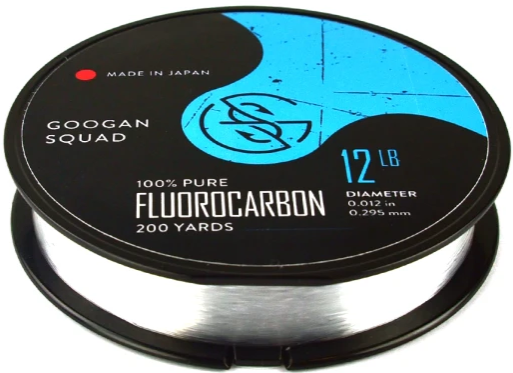
If you’re serious about fishing, you’ve probably heard about fluorocarbon fishing line. But what exactly is it, and how can it improve your time on the water?
Understanding this special type of fishing line could be the key to catching more fish and making your fishing experience smoother and more enjoyable. You’ll discover what fluorocarbon fishing line is, why it stands out from other lines, and how it can give you an edge every time you cast.
Keep reading to unlock the secrets that could change the way you fish forever.

Credit: www.amazon.ca
Fluorocarbon Line Basics
Fluorocarbon fishing line is popular among anglers. It offers special features for fishing in many conditions.
This line is different from regular fishing lines in how it looks and performs underwater.
Material Composition
Fluorocarbon line is made from a plastic called polyvinylidene fluoride. This plastic has unique qualities.
The line is made by melting and shaping this plastic into thin, strong fibers for fishing.
Key Properties
Fluorocarbon fishing line has several important features that help anglers fish better.
- It is nearly invisible underwater because its light bends like water.
- The line resists water absorption, so it stays strong even when wet.
- It is tougher and more abrasion-resistant than many other lines.
- The line sinks faster, which helps in deep fishing.
- It resists UV rays better, so it lasts longer in the sun.
Comparison With Other Lines
Fluorocarbon line is different from monofilament and braided lines. Each type has its own uses.
| Line Type | Visibility | Strength | Water Absorption | Sink Rate |
|---|---|---|---|---|
| Fluorocarbon | Low | High | Very Low | Fast |
| Monofilament | Medium | Medium | High | Slow |
| Braid | High | Very High | Low | Slow |
Anglers choose fluorocarbon when they need a line that is hard to see and sinks well.

Credit: seaguar.com
Advantages For Anglers
Fluorocarbon fishing line offers many benefits for anglers. It is a preferred choice because of its unique qualities.
Understanding these advantages helps in making the right choice for your fishing needs.
Invisibility Underwater
Fluorocarbon line is nearly invisible when submerged. This is due to its refractive index being similar to water.
- Fish are less likely to see the line
- Ideal for clear water conditions
- Increases chances of catching wary fish
Abrasion Resistance
This fishing line is known for its high abrasion resistance. It withstands rough underwater surfaces.
| Material | Resistance Level |
| Nylon | Medium |
| Fluorocarbon | High |
| Braid | Low |
Sensitivity And Strength
Fluorocarbon is both sensitive and strong. It allows anglers to feel subtle bites and provides reliable strength.
Choosing The Right Fluorocarbon Line
Fluorocarbon fishing line is popular for its low visibility and durability. Picking the right line helps you catch more fish and avoid breakage.
This guide covers key points to consider when choosing fluorocarbon line for your fishing needs.
Line Diameter And Strength
Line diameter affects how strong and invisible your line is underwater. Thinner lines are less visible but may break easier.
- Thicker lines offer more strength but are easier for fish to see
- Thinner lines work well in clear water and for cautious fish
- Match the diameter to the type of fish you want to catch
Test Weight Considerations
Test weight is the maximum load your line can handle without breaking. Choosing the right test weight is important for your fishing style.
| Fish Type | Recommended Test Weight |
| Small Panfish | 2-6 lbs |
| Trout and Bass | 6-12 lbs |
| Large Bass and Pike | 12-20 lbs |
| Saltwater Species | 20+ lbs |
Brand And Quality Factors
Choosing a good brand ensures consistent quality and performance. Look for lines with strong abrasion resistance and low stretch.
- Read reviews and ask local anglers for recommendations
- Check for warranty or satisfaction guarantees
- Consider price but don’t sacrifice quality for cost
- Higher quality lines last longer and perform better

Credit: www.amazon.ca
Using Fluorocarbon Line Effectively
Fluorocarbon fishing line is a popular choice for anglers because it is strong and hard to see underwater. It sinks faster than other lines and resists damage from sunlight and water.
To use fluorocarbon line well, you need to know how to tie knots, the best ways to fish with it, and how to care for it. This helps you catch more fish and keep your line in good shape.
Knot Tying Tips
Fluorocarbon line is stiff and slippery, so some knots work better than others. Use knots that hold tight and do not slip easily.
Wet the line before tightening knots to avoid friction damage. Pull knots slowly and firmly for a strong hold.
- Use knots like the Palomar, Improved Clinch, or Double Uni
- Keep knot loops small and neat
- Trim excess line close to the knot
Best Fishing Techniques
Fluorocarbon line works well for many fishing styles because it sinks and is less visible. Try slow retrieves and letting your bait sink naturally.
Use it for fishing in clear water or around rocks and weeds. The line’s strength helps avoid breaks from sharp edges or fish bites.
- Cast near structures where fish hide
- Use light lures to match the line’s thin diameter
- Let your bait sink before reeling in slowly
Maintenance And Storage
Keep your fluorocarbon line clean and dry to extend its life. Salt and dirt can weaken the line over time.
Store your line in a cool, dark place to avoid damage from heat and sunlight. Replace your line if you see cracks or frays.
- Rinse line with fresh water after saltwater fishing
- Dry line before storing to prevent mold
- Check line for damage before each use
Common Myths And Misconceptions
Fluorocarbon fishing line is popular among anglers. Many myths surround its use and performance. These myths can confuse beginners and experts alike.
This article clears up common misunderstandings about fluorocarbon line. We look at durability, cost, and fish species suitability.
Durability Myths
Many anglers think fluorocarbon line is unbreakable. This is not true. While it resists abrasion well, it can still break under high tension.
Another myth says fluorocarbon does not stretch. In fact, it has low stretch but some give. This helps absorb shocks from fish bites.
Cost Vs. Performance
Fluorocarbon line is often seen as too expensive for average fishing. But its cost can be worth the benefits.
| Factor | Fluorocarbon | Nylon Monofilament |
| Price per yard | Higher | Lower |
| Abrasion resistance | Strong | Moderate |
| Visibility underwater | Low | Higher |
| Stretch | Low | Higher |
Consider the type of fishing to decide if fluorocarbon fits your budget and needs.
Suitability For Different Fish Species
Some believe fluorocarbon line works for all fish species equally. This is not true. It suits some fish better than others.
- Fluorocarbon is good for fish with sharp teeth because it resists cuts.
- It works well in clear water due to low visibility.
- For big, strong fish, the low stretch helps feel bites better.
- In murky water, other lines might work better.
Fluorocarbon Line In Various Fishing Scenarios
Fluorocarbon fishing line is known for its low visibility and strong resistance. It works well in many fishing situations. This line is made from a material that sinks faster than nylon.
Anglers use fluorocarbon line for different water types and fishing styles. Below, we explore how it helps in freshwater, saltwater, and ice fishing.
Freshwater Applications
In freshwater fishing, fluorocarbon line blends well with water. It is less visible to fish in clear lakes and rivers. This makes it ideal for catching species like bass and trout.
- Good abrasion resistance near rocks and weeds
- High sensitivity for feeling bites
- Less stretch compared to nylon lines
- Suitable for various freshwater techniques
Saltwater Fishing
Fluorocarbon line holds up well in saltwater. It resists damage from salt and sun better than other lines. Many saltwater anglers prefer it for both inshore and offshore fishing.
| Feature | Benefit |
| Low visibility | Fish less likely to see the line |
| High abrasion resistance | Protects against rough coral and rocks |
| Good knot strength | Secure connections with hooks and lures |
| Water resistance | Does not absorb water, stays strong |
Ice Fishing Uses
Ice fishing needs line that works well in cold, clear water. Fluorocarbon is a smart choice because it stays strong and sinks fast. This helps keep the bait near fish under the ice.
- Less visible under clear ice
- Resistant to cold temperatures
- Fast sinking to reach deeper water
- Strong enough for ice fishing rods
Future Trends In Fluorocarbon Lines
Fluorocarbon fishing lines are evolving with new technology. These changes aim to improve performance and reduce harm to nature.
Understanding future trends helps anglers choose better lines and supports sustainable fishing practices.
Innovations In Material
New materials make fluorocarbon lines stronger and more flexible. Manufacturers use additives to increase abrasion resistance.
- Improved knot strength for secure catches
- Better invisibility underwater for stealth fishing
- Enhanced durability to resist wear and tear
- Lighter lines that cast farther and more smoothly
Environmental Impact
Fluorocarbon lines can last a long time in water, which risks pollution. New trends focus on making these lines more eco-friendly.
| Focus Area | Details |
| Biodegradability | Development of lines that break down faster |
| Recycling | Programs to reuse old fishing lines |
| Reduced Toxicity | Using safer chemicals in production |
| Waste Management | Encouraging proper disposal by anglers |
Market Developments
The market for fluorocarbon lines grows as more anglers demand quality and eco-friendly options. Prices may vary with new technology.
Key Market Trends:
- Increase in online sales and global reach
- More brands offering recycled line options
- Growing interest in premium, high-performance lines
- Partnerships between manufacturers and environmental groups
Frequently Asked Questions
What Is Fluorocarbon Fishing Line Made Of?
Fluorocarbon fishing line is made from polyvinylidene fluoride polymer. This material makes the line dense, durable, and nearly invisible underwater. It resists water absorption and abrasion well, providing strong performance for anglers in various fishing conditions.
How Does Fluorocarbon Fishing Line Differ From Nylon?
Fluorocarbon is denser and less visible underwater than nylon. It resists UV damage and absorbs less water. Nylon is stretchier and cheaper but less abrasion-resistant. Fluorocarbon offers better sensitivity and durability for serious fishing.
Is Fluorocarbon Fishing Line Better For Freshwater Or Saltwater?
Fluorocarbon line performs well in both freshwater and saltwater. Its resistance to UV rays and abrasion makes it ideal for harsh saltwater environments. Freshwater anglers also benefit from its invisibility and sensitivity when targeting wary fish.
Can Fluorocarbon Line Sink Faster Than Other Lines?
Yes, fluorocarbon sinks faster due to its higher density. This helps lures reach deeper water quickly. Anglers use fluorocarbon when they need better control over lure depth and presentation.
Conclusion
Fluorocarbon fishing line offers clear visibility and strong strength. It sinks faster than other lines, helping you reach fish easily. This line resists abrasion well, lasting longer in rough conditions. Many anglers choose it for its low stretch and sensitivity.
Understanding its features can improve your fishing experience. Try it to see how it suits your style. Simple, reliable, and effective—fluorocarbon line is a smart choice.