Have you ever wondered why milk stays fresh in your fridge but doesn’t freeze solid? Understanding the freezing point of milk can offer you insights into its unique properties and how it behaves differently from water and other liquids.
Knowing this can be particularly useful, whether you’re a curious home cook, a student, or someone interested in food science. We’ll uncover the fascinating science behind milk’s freezing point and why it matters in your everyday life. Stick around to discover some surprising facts that might just change the way you think about this everyday staple.

Credit: www.worldwidesurgical.com
Freezing Point Basics
The freezing point of milk is a key quality indicator in dairy science. It tells us the temperature at which milk turns solid. This point is important for farmers, manufacturers, and quality controllers. It helps detect if water has been added to milk and checks milk purity. Understanding freezing point basics helps ensure milk safety and quality.
Definition Of Freezing Point
The freezing point is the temperature where milk changes from liquid to solid. Pure milk freezes slightly below 0°C, around -0.54°C. This lower freezing point than water is due to milk’s natural salts and sugars. Knowing this temperature helps identify milk adulteration and maintain product standards.
Factors Affecting Milk’s Freezing Point
Several factors change milk’s freezing point. These include:
- Milk Composition:Fat, protein, and lactose levels affect freezing point.
- Added Water:Water raises the freezing point closer to 0°C.
- Temperature:Milk temperature before testing can influence results.
- Milk Source:Cow breed and diet impact milk composition and freezing point.
- Processing:Pasteurization and homogenization may cause slight changes.
Monitoring these factors ensures accurate freezing point measurements. This supports milk quality control and consumer safety.
Credit: www.academia.edu
Freezing Point Range In Milk
The freezing point of milk is a critical quality measure for dairy products. It helps identify adulteration and maintain freshness. Milk’s freezing point is not a fixed value but falls within a specific range. This range varies slightly due to milk’s natural composition and processing methods.
Understanding this range helps producers and consumers ensure milk purity and safety. The freezing point range also reflects milk’s natural properties and differences among milk types. Let’s explore the typical values and how they vary.
Typical Freezing Point Values
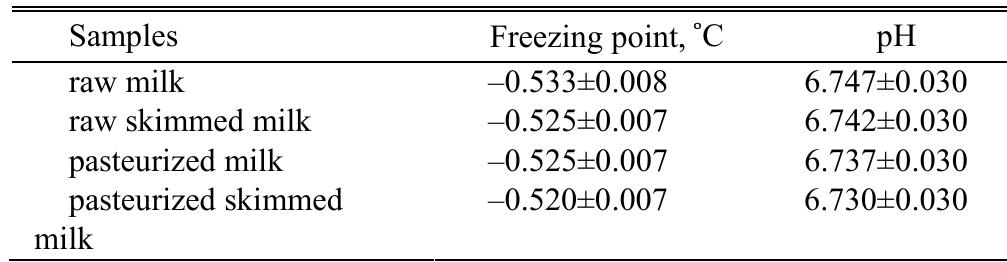
Milk usually freezes below the freezing point of pure water. Its freezing point is lower because of dissolved solids like lactose and minerals. The typical freezing point of cow’s milk ranges from about -0.512°C to -0.540°C.
This range is narrow but important. It helps detect if water has been added to milk, which raises the freezing point closer to 0°C. Dairy labs use this range to check milk authenticity. Values outside the typical range may indicate contamination or poor quality.
Variations Among Different Milk Types
Different animals produce milk with varied freezing points. Goat and sheep milk usually freeze at slightly lower temperatures than cow’s milk. This difference results from higher solid content in these milks.
Processed milks like skim or pasteurized milk may show slight shifts in freezing point. Fat removal or heat treatment can alter the milk’s composition. This causes minor changes in the freezing point range but remains close to typical values.
Understanding these variations helps in quality control across dairy products. It ensures each milk type meets safety and freshness standards.
Importance In Dairy Industry
The freezing point of milk is a key factor in the dairy industry. It helps maintain milk quality and ensures safety for consumers. Understanding this property supports better control and efficient processing. It also helps detect any changes that may affect the milk’s natural state. This knowledge plays a vital role in delivering fresh and pure dairy products.
Quality Control And Adulteration Detection
Freezing point measurement is crucial for quality control. Pure milk has a consistent freezing point range. Variations may indicate added water or impurities. This simple test helps identify adulteration quickly. It protects consumers from diluted or unsafe milk. Dairy producers use it to maintain product standards. Early detection prevents financial losses and health risks.
Impact On Milk Processing
The freezing point affects many processing steps in dairies. It influences temperature control during storage and transportation. Accurate freezing point data helps optimize pasteurization and cooling. It ensures milk retains its natural taste and nutrients. Adjustments based on freezing point improve product shelf life. Processors rely on this information to enhance efficiency and safety.
Credit: www.mdpi.com
Methods To Measure Freezing Point
Measuring the freezing point of milk is crucial for ensuring its purity and quality. Various methods exist, each with its own advantages and challenges. Understanding these techniques can help you choose the best approach for your needs.
Cryoscope Technology
Cryoscope technology is the most common and reliable way to measure the freezing point of milk. It works by cooling a small milk sample until it freezes, then precisely recording the temperature at which ice crystals form.
This method detects added water in milk, as pure milk freezes at a lower temperature than diluted milk. Laboratories and dairy farms widely use cryoscopes due to their accuracy and speed.
You might wonder how sensitive this technology is. Even a tiny amount of added water can shift the freezing point, making cryoscope testing a powerful tool for quality control.
Alternative Measurement Techniques
Besides cryoscopes, there are other methods to measure milk’s freezing point, though they might not be as precise.
- Thermistor-based devices:These use electronic sensors to detect temperature changes but may require calibration for accuracy.
- Manual freezing point determination:This involves cooling milk in a controlled environment and visually observing ice formation, suitable for small-scale testing.
- Refractometry:While not directly measuring freezing point, refractometers assess milk concentration, indirectly indicating water addition.
Choosing the right method depends on your resources and accuracy needs. Have you considered how precise your current testing process is, and whether upgrading could protect your product better?
Factors Influencing Freezing Point Changes
The freezing point of milk is not a fixed value; it can shift based on several factors. Understanding what influences these changes helps you better assess milk quality and detect any adulteration. Let’s dive into key reasons why the freezing point of milk might vary.
Addition Of Water Or Other Substances
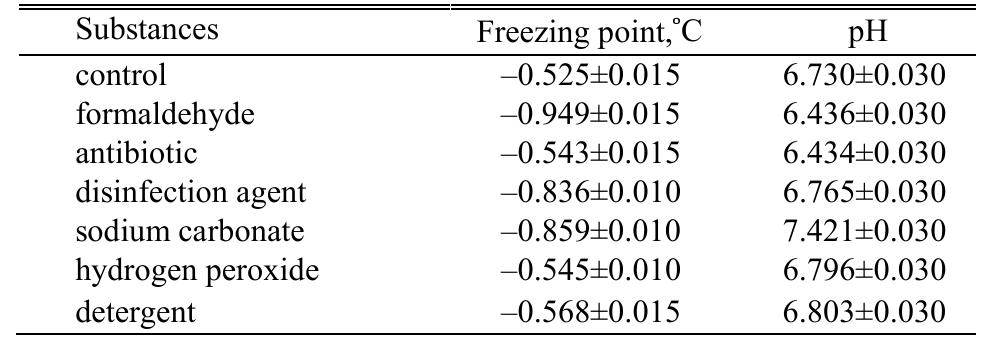
Have you ever wondered why diluted milk freezes at a higher temperature? Adding water raises the freezing point because pure water freezes at 0°C, which is much higher than milk’s natural freezing point.
Besides water, other substances like sugar or salts also alter the freezing point. For example, if someone adds sugar to milk, it lowers the freezing point, making it freeze at a colder temperature than usual.
Detecting these changes is crucial for milk producers and consumers alike. Do you check the freezing point to ensure your milk hasn’t been tampered with?
Milk Composition And Storage Conditions
Milk’s natural components—fat, proteins, lactose, and minerals—affect its freezing point. Variations in these elements, caused by breed differences or feed quality, can slightly shift the freezing temperature.
Storage conditions also play a role. If milk is stored improperly, bacterial growth can change its composition, influencing the freezing point.
Have you noticed milk tastes or behaves differently depending on how long it’s been stored? That’s a sign its freezing point might have changed due to altered composition.
Applications Of Freezing Point Data
Freezing point data of milk plays a vital role in various dairy industry processes. It helps monitor milk quality and detect adulteration. This data guides producers and regulators to maintain high standards. Understanding its applications reveals why freezing point analysis is essential.
Ensuring Milk Authenticity
Freezing point measurement helps detect added water in milk. Water lowers the freezing point of pure milk. If freezing point rises above normal, it signals possible dilution. This simple test protects consumers from fake or diluted milk. It also maintains trust in dairy products.
Regulatory Standards And Compliance
Authorities set freezing point limits to ensure milk quality. Dairy farms must meet these standards for legal sales. Regular testing prevents the distribution of substandard milk. It supports public health by enforcing safety rules. Compliance also helps producers avoid fines and penalties.
Frequently Asked Questions
What Is The Freezing Point Of Milk?
The freezing point of milk is typically around -0. 54°C (31. 0°F). It varies slightly due to milk composition and purity. This value helps detect adulteration and quality issues in dairy products.
Why Is Milk’s Freezing Point Important?
Milk’s freezing point indicates purity and quality. It helps detect added water or impurities. This ensures milk safety and maintains dairy industry standards.
How Is Milk’s Freezing Point Measured?
Milk’s freezing point is measured using a cryoscope. This device accurately detects the temperature at which milk solidifies. It is a standard method in dairy testing labs.
Does Milk’s Freezing Point Vary By Type?
Yes, milk’s freezing point can vary slightly by animal species and diet. Cow, goat, and buffalo milk have similar but distinct freezing points due to composition differences.
Conclusion
The freezing point of milk tells us about its quality and purity. It helps detect water added to milk. Knowing this point keeps milk safe and fresh. Farmers and buyers both use this simple test. It is a useful tool in the dairy world.
Milk’s freezing point stays just below zero Celsius. This small fact matters a lot for milk safety. Remember, understanding milk helps everyone make better choices. Keep this in mind when you buy or store milk.