
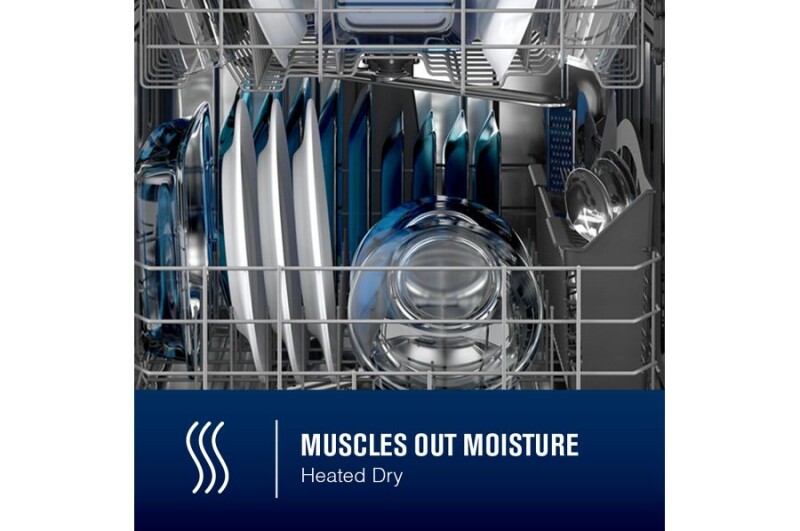
Have you ever unloaded your dishwasher only to find your dishes aren’t as dry as you’d hoped? You’ve probably noticed that button labeled “Heated Dry” on your dishwasher.
But what exactly does it do, and is it worth using? Understanding the Heated Dry function could be the key to perfectly dry dishes every time. We’re diving into the ins and outs of the Heated Dry feature, explaining how it works and whether it’s right for you.
Stick around, and you’ll discover how this function can save you time and eliminate those pesky water spots on your dinnerware. Don’t let damp dishes disrupt your routine—uncover the secrets of Heated Dry now!
Credit: sorensonsappliance.com
Heated Dry Basics
Heated dry is a common feature on many dishwashers. It helps remove water from dishes at the end of the wash cycle. This makes dishes ready to use or store without waiting. Understanding how heated dry works can help you choose the right dishwasher or use it better.
How Heated Dry Works
Heated dry uses heat to evaporate water from dishes. A heating element inside the dishwasher warms the air. This warm air circulates and dries the dishes. The heat causes water droplets to turn into steam and disappear. This process reduces water spots and speeds up drying time.
Types Of Drying Methods
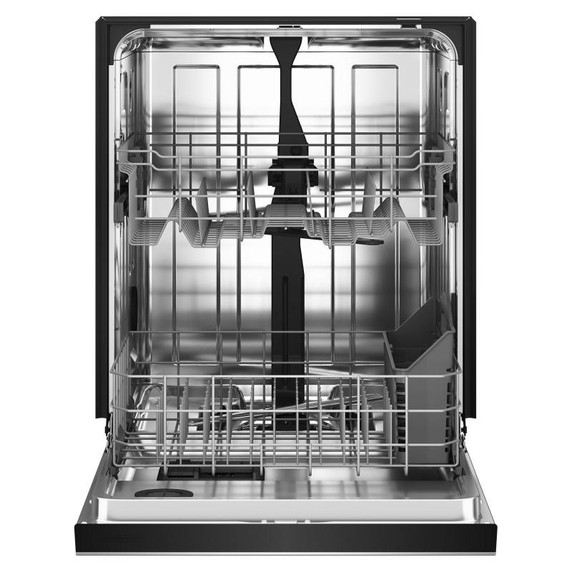
- Heated Dry:Uses an electric heating element to warm the air inside the dishwasher.
- Air Dry:Relies on natural air flow without extra heat. It takes longer but saves energy.
- Condensation Dry:Uses the heat from the final rinse and cools the dishwasher walls. Water condenses and drains away.
- Fan Dry:Some dishwashers use a fan to blow air inside for faster drying.
Credit: unionvilleappliance.com
Benefits Of Heated Dry
Heated dry is a feature on many dishwashers that uses heat to help dry your dishes after the wash cycle. It offers several benefits that can improve your kitchen routine and the cleanliness of your dishes. Understanding these benefits can help you decide if heated dry is worth using every time.
Enhanced Drying Performance
Heated dry significantly improves how well your dishes dry. Without it, dishes often come out wet or with water droplets that take time to evaporate. By adding heat, the water evaporates faster, leaving your plates, glasses, and utensils ready to use or put away right away.
Have you ever noticed how hand-washing sometimes leaves water spots or streaks? Heated dry cuts down on that frustration by giving your dishes a more complete drying process.
Reduced Water Spots
Water spots can be annoying, especially on glassware and shiny utensils. Heated dry helps reduce these spots by evaporating water more thoroughly. This means fewer spots and streaks, so your dishes look cleaner and clearer.
If you live in an area with hard water, you might find heated dry especially helpful. It minimizes the mineral deposits that cause those stubborn marks on your dishes.
Improved Hygiene
Drying dishes with heat also adds a layer of hygiene. The warmth helps kill any remaining bacteria or germs that survive the washing cycle. This is particularly useful for baby bottles, cutting boards, and other items where cleanliness is critical.
Think about the last time you found a damp dishcloth or sponge—it’s a breeding ground for bacteria. Heated dry helps keep your dishes just as dry and hygienic as possible, reducing the risk of contamination in your kitchen.
Energy Usage And Efficiency
Understanding the energy usage and efficiency of the heated dry feature on your dishwasher can help you make smarter choices for your home and the environment. This feature uses extra power to heat the drying cycle, which impacts your overall electricity consumption. Knowing how it compares to other drying methods and exploring greener options might change how you use your dishwasher every day.
Power Consumption Compared To Air Dry
Heated dry cycles typically consume more electricity than air drying because they use a heating element to evaporate water quickly. This process can add about 0.3 to 0.5 kilowatt-hours to each wash cycle, depending on your dishwasher model. If you use heated dry regularly, it can noticeably increase your monthly energy bill.
In contrast, air dry relies on natural evaporation without extra power, making it a more energy-efficient choice. However, air dry can take longer, and your dishes might not come out completely dry, especially on humid days. Have you ever noticed water spots or the need to towel dry after using air dry?
Eco-friendly Alternatives
If you want to reduce energy use without sacrificing convenience, consider these alternatives:
- Skip heated dry:Open the dishwasher door after the final rinse to let dishes air dry faster.
- Use eco modes:Many dishwashers offer energy-saving cycles that optimize drying without extra heating.
- Choose efficient models:Look for dishwashers with Energy Star certification, which often use less power during drying.
By adjusting your habits, you can cut energy use while still enjoying clean, dry dishes. What small change could you try today to save energy without losing convenience?
When To Use Heated Dry
Heated dry is a useful dishwasher setting that helps remove moisture from dishes after washing. It uses heat to speed up the drying process, leaving dishes ready to use. Knowing when to use heated dry can save time and protect your kitchenware.
Best For Plastic And Non-porous Items
Heated dry works well for plastic dishes and containers. These items often hold water in small crevices that air drying misses. The heat helps evaporate water quickly, preventing spots and streaks.
Non-porous items like glass and metal also benefit. The heat removes water droplets that can cause water marks. This leaves surfaces clean and shiny without extra wiping.
Avoiding Heat Damage
Not all dishes should use heated dry. Some materials like thin plastics can warp or melt under heat. Wood and delicate items may crack or fade if exposed to high temperatures.
Choose air dry for sensitive items. It keeps them safe by avoiding heat exposure. Check manufacturer instructions to prevent damage and maintain your dishware’s life.
Common Issues And Solutions
Heated dry is a popular feature in dishwashers. It helps dishes dry faster by using heat to evaporate water. Despite its benefits, some common issues can arise. These problems may affect drying performance or cause other concerns. Understanding these issues helps keep your dishwasher working well.
Spotting And Residue
Spots and residue often appear on dishes after heated dry cycles. Hard water minerals leave white spots. Sometimes, detergent buildup causes film or streaks. These marks make dishes look dirty despite washing.
- Use a rinse aid to reduce spotting.
- Clean the dishwasher filter regularly.
- Try using less detergent if residue appears.
- Run a vinegar rinse cycle monthly to remove buildup.
Noise And Heat Concerns
Heated dry can cause extra noise or heat during operation. The heating element may hum or buzz. Some heat escapes from the dishwasher door. These are usually normal but can be worrying.
- Check that the dishwasher is level to reduce noise.
- Ensure no objects touch the heating element.
- Leave the door slightly open after the cycle to cool down.
- Inspect the heating element for damage if noise is loud.
Maintenance Tips
Regular maintenance keeps heated dry working properly. Small actions prevent many common problems. Simple care extends your dishwasher’s life and performance.
- Clean spray arms to maintain good water flow.
- Remove food debris from filters after each use.
- Run a cleaning cycle with dishwasher cleaner monthly.
- Check door seals for cracks and clean them often.
- Use dishwasher-safe items to avoid damage during heating.
Heated Dry Vs Air Dry
The choice between heated dry and air dry in dishwashers affects drying results and energy use. Each method has distinct features that influence how dishes come out after a wash. Understanding these differences helps in choosing the best drying option for your needs.
Performance Comparison
Heated dry uses a heating element to warm the air inside the dishwasher. This process speeds up drying and reduces water spots on dishes. It works well for plastics and other items that hold moisture.
Air dry does not use heat. Instead, it opens the dishwasher door slightly to let steam escape and air circulate. This method takes longer but uses no extra electricity for drying. Sometimes, dishes may remain wet or have spots.
Cost Implications
Heated dry increases the dishwasher’s energy use. This leads to higher electricity bills over time. The cost varies depending on how often you use this setting.
Air dry saves energy because it avoids heating elements. This results in lower electricity costs. It is a budget-friendly choice for those aiming to reduce power use.
Tips For Spotless Dishes
Spotless dishes depend on more than just the heated dry option in your dishwasher. Small habits and proper care make a big difference. These tips help your dishes come out clean and dry every time. Follow simple steps to improve your dishwasher’s performance and keep your dishes shining.
Proper Loading Techniques
Place dishes so water reaches every surface. Avoid overcrowding to allow water and heat to circulate. Bowls and cups should face downward. Plates need to stand upright and not block spray arms. Keep pots and pans on the bottom rack for best cleaning.
Using The Right Detergents
Choose detergents designed for your water type. Use the correct amount to avoid residue. Powder, gel, or pods work well if used properly. Look for detergents with enzymes for tough stains. Avoid using too much detergent to prevent spots and film.
Regular Dishwasher Cleaning
Clean the filter regularly to stop food buildup. Wipe door seals and edges to prevent mold. Run an empty cycle with vinegar or dishwasher cleaner monthly. Check spray arms for clogs and clear them out. Keeping the machine clean helps dishes dry better and stay spotless.

Credit: www.brothersmain.com
Frequently Asked Questions
What Does Heated Dry Mean On A Dishwasher?
Heated Dry uses an internal heating element to evaporate water from dishes. It speeds up drying and reduces water spots. This feature enhances convenience by providing dry dishes right after the cycle ends.
Does Heated Dry Consume More Electricity?
Yes, Heated Dry uses extra electricity to power the heating element. It increases energy consumption compared to air-dry options. However, it delivers faster and more effective drying, saving you time.
Can I Use Heated Dry With Plastic Dishes?
Heated Dry is not ideal for most plastics. High heat can warp or melt some plastic items. It’s safer to air dry plastics or check the dishwasher manual for plastic drying recommendations.
Is Heated Dry Necessary For Clean Dishes?
Heated Dry doesn’t affect cleaning quality, only drying. Dishes get clean during the wash cycle. Heated Dry simply ensures dishes come out dry and ready to use immediately.
Conclusion
Heated dry helps dishes dry faster after washing. It uses heat to remove water from plates and cups. This feature saves time and keeps dishes ready to use. Not all dishwashers have heated dry, so check before buying. Using heated dry can also reduce spots on glassware.
It makes cleaning easier and more effective every day. Understanding heated dry helps you choose the right dishwasher for your needs. Simple but useful for a clean kitchen routine.