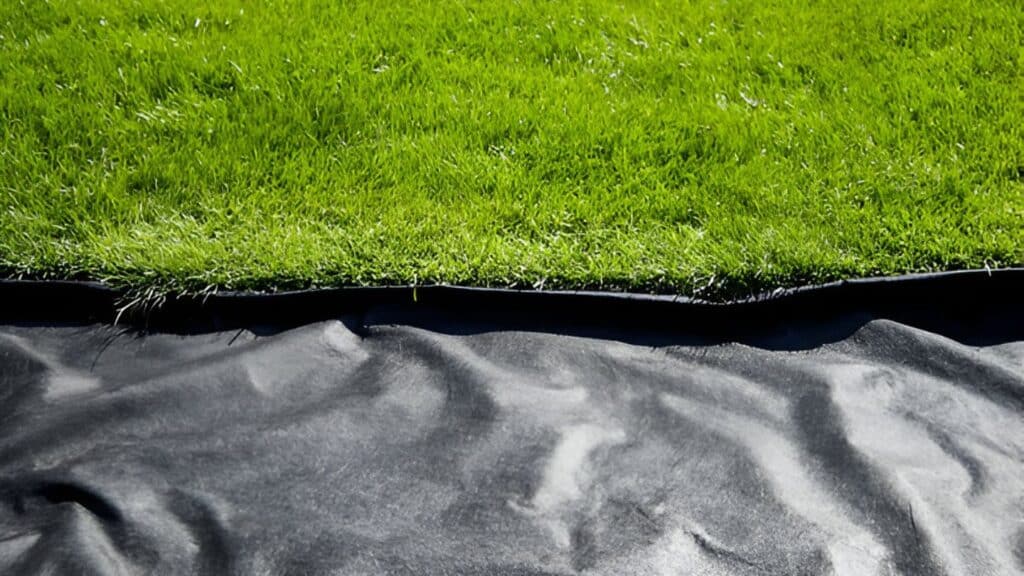
Have you ever wondered what makes landscaping fabric such a powerful tool for your garden? If you want to keep weeds at bay while letting water and nutrients reach your plants, understanding what landscaping fabric is made of can help you choose the right one.
Knowing the materials behind this fabric will give you the confidence to use it effectively and make your garden thrive. Let’s dive in and uncover the secrets behind landscaping fabric so you can get the best results for your outdoor space.

Credit: mulchpros.com
Types Of Landscaping Fabric
Landscaping fabric helps control weeds and improve soil health. It comes in different types based on how it is made.
Each type has unique features that make it suitable for certain gardening tasks.
Woven Fabrics
Woven fabrics are made by weaving thin strips of plastic or other materials. This creates a strong and durable fabric.
They allow water and air to pass through but block most sunlight to stop weed growth.
- Made from polypropylene or polyester strips
- Very strong and tear-resistant
- Good for heavy foot traffic areas
- Allows water drainage
Non-woven Fabrics
Non-woven fabrics are made by bonding fibers together using heat or chemicals. They do not have a woven pattern.
These fabrics are softer and more flexible but less strong than woven types.
| Feature | Woven Fabrics | Non-Woven Fabrics |
|---|---|---|
| Material | Strips of plastic | Fibers bonded together |
| Strength | High | Medium |
| Flexibility | Less flexible | More flexible |
| Water permeability | Good | Good |
| Common use | Paths, driveways | Flower beds, gardens |
Perforated Plastic Sheets
Perforated plastic sheets are thin plastic films with small holes punched in them. These holes let water and air reach the soil.
They block sunlight completely, which helps prevent weed growth but can also limit soil breathing.
Common benefits of perforated plastic sheets:
- Easy to cut and install
- Blocks nearly all sunlight
- Water drains through holes
- Can last several years in sunlight

Credit: www.yahoo.com
Common Materials Used
Landscaping fabric helps control weeds and protect soil. Different materials make these fabrics durable and effective. Each type offers unique benefits for garden and landscape use.
Here, we look at three common materials used to make landscaping fabric. Understanding these helps you choose the right fabric for your needs.
Polypropylene
Polypropylene is a popular synthetic fiber used in landscaping fabric. It is strong, lightweight, and water-resistant. This material allows water and air to pass through but blocks weeds effectively.
- Durable and tear-resistant
- Resists mold and mildew
- Cost-effective option
- UV resistant to prevent breakdown
Polyester
Polyester fabric is another synthetic option for landscaping. It is known for its strength and durability. Polyester resists stretching and holds up well under sunlight and moisture.
| Feature | Benefit |
| High tensile strength | Lasts longer under pressure |
| UV resistance | Does not degrade quickly |
| Water permeability | Allows soil to breathe |
| Mildew resistance | Prevents fabric rotting |
Natural Fibers
Natural fibers include materials like jute, coir, and burlap. These fabrics are biodegradable and eco-friendly. They break down over time and add nutrients to the soil.
Benefits of natural fiber landscaping fabric:
- Environmentally safe and sustainable
- Improves soil health as it decomposes
- Good for short-term weed control
- Less durable than synthetic fabrics
Properties Of Landscaping Fabrics
Landscaping fabric is a useful tool in gardening and landscaping. It helps control weeds, retain soil moisture, and improve plant growth.
Understanding the properties of landscaping fabrics can help you choose the right one for your garden needs.
Durability
Durability is an important property of landscaping fabric. It ensures the fabric lasts longer and withstands wear and tear.
Landscaping fabrics are often made of polypropylene or polyester. These materials are strong and resistant to damage.
- Polypropylene resists tearing and punctures.
- Polyester is strong and flexible.
- Both materials are lightweight yet sturdy.
Water Permeability
Water permeability is crucial for plant health. It allows water to pass through the fabric and reach the soil.
This property helps maintain soil moisture while preventing waterlogging. Proper water flow supports healthy root systems.
- Ensures plants receive adequate water.
- Prevents soil erosion.
- Supports efficient drainage.
Uv Resistance
UV resistance protects the fabric from sun damage. It prolongs the lifespan of the fabric, even in sunny areas.
UV-treated fabrics are less likely to degrade. This ensures the fabric remains effective over time.
- Reduces fading and brittleness.
- Maintains fabric strength under sunlight.
- Suitable for exposed outdoor use.
Benefits Of Different Materials
Landscaping fabric is made from various materials, each with unique benefits. These materials help control weeds, keep soil moist, and affect the environment differently.
Choosing the right fabric material can improve your garden’s health and reduce maintenance work.
Weed Control Efficiency
Some fabrics block sunlight better than others. This stops weeds from growing under the fabric.
Polypropylene fabric is strong and blocks most light. It is great for stopping weeds. Polyester fabrics also work well but may let some light through.
- Polypropylene fabric blocks almost all light, preventing weed growth.
- Polyester fabric is durable and blocks most sunlight.
- Natural fabrics like jute allow some light but still reduce weeds.
Soil Moisture Retention
Some fabrics let water pass through easily. This helps keep soil moist without flooding it.
Woven fabrics, made from polypropylene or polyester, allow water and air to reach the soil. Non-woven fabrics may block water more, which can harm plants.
- Woven fabrics allow water and air to pass, keeping soil healthy.
- Non-woven fabrics may reduce water flow and trap moisture.
- Natural fabrics absorb water and slowly release it to soil.
Environmental Impact
Synthetic fabrics last longer but can harm the environment if not disposed of properly.
Natural fabrics like jute and coir break down over time. They add organic matter to the soil and are better for the earth.
- Polypropylene and polyester fabrics are durable but not biodegradable.
- Natural fabrics decompose and improve soil health.
- Choosing biodegradable fabric reduces plastic waste.
Choosing The Right Fabric For Your Garden
Landscaping fabric helps control weeds and keeps soil healthy. Choosing the right fabric depends on your garden’s needs.
This guide explains what to consider when picking landscaping fabric. Focus on soil type, climate, and your plants.
Soil Type Considerations
Different soils hold water and nutrients differently. Choose fabric that matches your soil type for best results.
| Soil Type | Fabric Type | Reason |
| Clay | Permeable fabric | Allows water drainage to prevent waterlogging |
| Sandy | Thicker fabric | Helps retain moisture and reduce drying |
| Loamy | Standard fabric | Balances water flow and weed control |
Climate Factors
Climate affects how fabrics perform. Consider rain, sun, and temperature in your area.
- In wet climates, use fabrics that drain well to avoid root rot.
- In dry areas, choose fabrics that keep soil moist longer.
- For sunny spots, UV-resistant fabrics last longer.
Plant Types And Needs
Plants have different root depths and water needs. Select fabric that supports their growth.
| Plant Type | Fabric Feature | Benefit |
|---|---|---|
| Shallow-rooted | Thin, breathable fabric | Allows easy root growth and air flow |
| Deep-rooted | Durable, strong fabric | Supports long-term weed control |
| Water-loving | Water-permeable fabric | Ensures good water flow to roots |
Installation Tips For Landscaping Fabric
Landscaping fabric helps control weeds and improve soil health. Proper installation makes it work best.
Follow simple steps to prepare, secure, and maintain the fabric for long-lasting results.
Preparing The Area
Clear the area of weeds, rocks, and debris before laying the fabric. Smooth the soil surface to avoid bumps.
Make sure the ground is dry to help the fabric stay in place. Trim grass and roots near edges.
Securing The Fabric
Roll out the fabric evenly over the prepared area. Overlap edges by 6 inches to prevent weed growth.
Use landscape staples or pins every few feet to hold the fabric firmly. Anchor edges well to stop lifting.
- Place staples about 12 inches apart along edges
- Add extra staples in the center for stability
- Cut fabric around plants carefully to avoid damage
Maintenance Practices
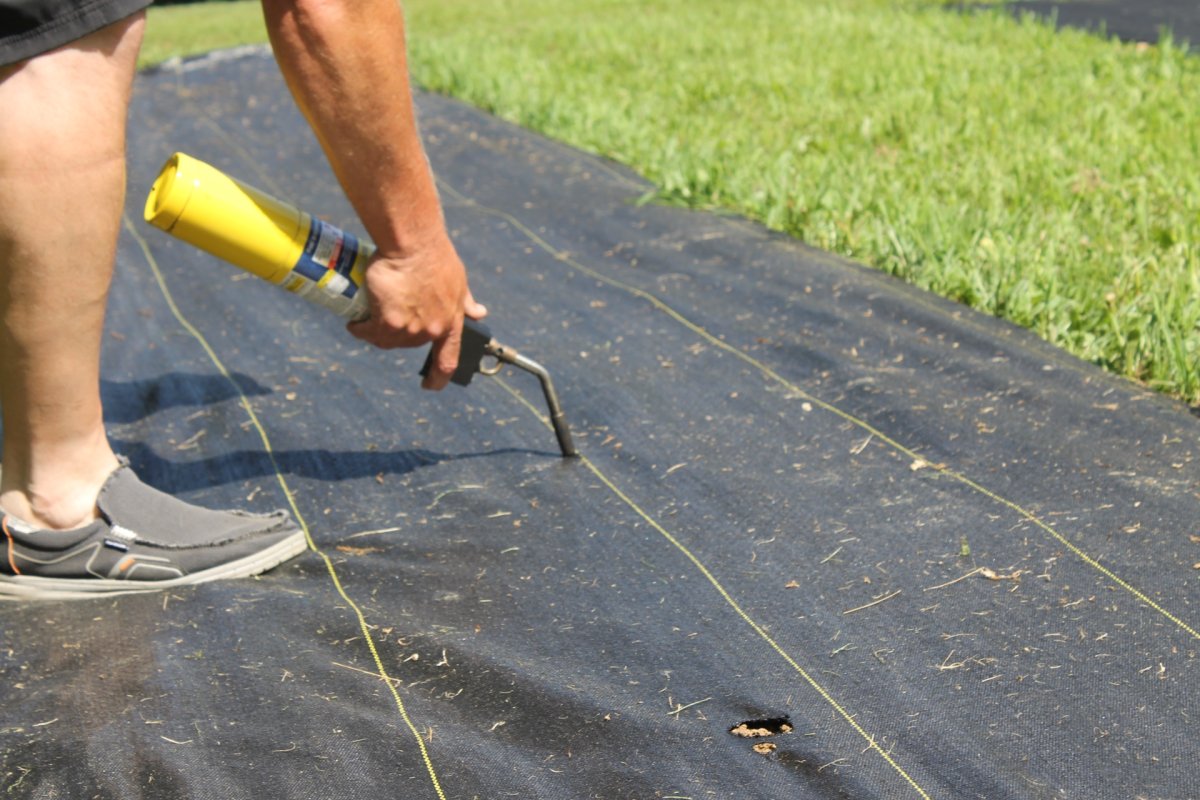
Check the fabric regularly for tears or holes. Repair any damage quickly to keep weeds out.
Keep mulch or rocks on top of the fabric to protect it from sunlight. Remove weeds that grow near edges.
- Replace damaged staples or pins as needed
- Clear debris that may trap moisture under the fabric
- Trim plants that grow over the fabric edges
Credit: www.bobvila.com
Frequently Asked Questions
What Materials Are Used In Landscaping Fabric?
Landscaping fabric is mainly made from woven or non-woven polypropylene or polyester fibers. These materials allow water and air to pass while blocking weeds. They are durable, UV-resistant, and help improve soil moisture retention and temperature control.
Is Landscaping Fabric Biodegradable Or Synthetic?
Most landscaping fabrics are synthetic, made from polypropylene or polyester. Some biodegradable options use natural fibers like jute or coir, which break down over time. Synthetic fabrics last longer but do not decompose, making them better for long-term weed control.
How Does Landscaping Fabric Prevent Weed Growth?
Landscaping fabric blocks sunlight, stopping weed seeds from germinating. Its porous nature lets water and air reach soil while preventing weeds from growing through. This reduces the need for herbicides and manual weeding in garden beds.
Can Landscaping Fabric Improve Soil Moisture Retention?
Yes, landscaping fabric helps soil retain moisture by reducing evaporation. It allows water to penetrate while limiting direct sun exposure on soil. This maintains consistent moisture levels, promoting healthier plant growth and reducing watering frequency.
Conclusion
Landscaping fabric is mainly made from woven or non-woven materials like polypropylene. These fabrics stop weeds but let water and air reach the soil. They are strong, durable, and easy to use in gardens or yards. Choosing the right fabric helps plants grow better and keeps your garden neat.
Now, you know what landscaping fabric is made of and why it works well. It’s a simple tool to make gardening easier and cleaner. Try it to see the difference in your outdoor space.