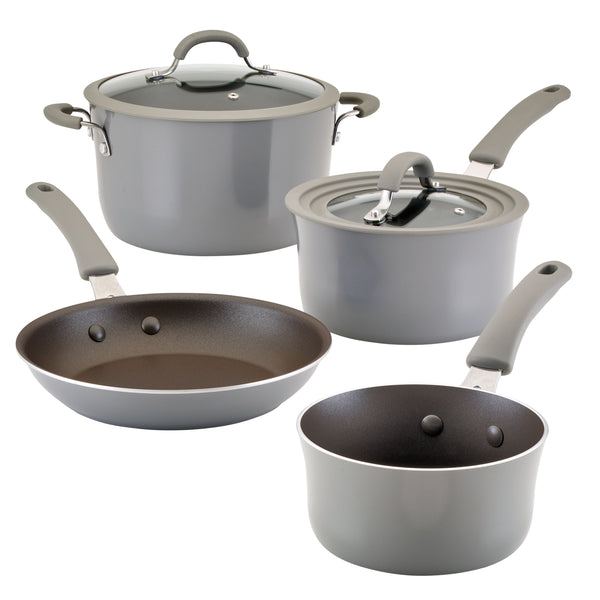
Have you ever struggled with food sticking to your pans, making cooking and cleaning a hassle? If so, nonstick cookware might be the solution you’re looking for.
But what exactly is nonstick cookware, and how can it change the way you cook? You’ll discover everything you need to know about nonstick cookware—how it works, why it’s popular, and whether it’s the right choice for your kitchen. Keep reading, and you’ll soon see how this simple kitchen tool can save you time, effort, and frustration.
Nonstick Cookware Basics
Nonstick cookware has a special coating that stops food from sticking. It makes cooking and cleaning easier.
These pans are popular in many kitchens for their convenience. They help cook food without using much oil.
How Nonstick Surfaces Work
Nonstick surfaces have a smooth layer that stops food from sticking. This layer reduces friction during cooking.
The coating creates a barrier between the food and pan. This makes it easy to flip or remove food without damage.
Common Materials Used
Several materials make nonstick cookware. Each has its own features and uses.
- Polytetrafluoroethylene (PTFE), often called Teflon
- Ceramic coatings made from inorganic minerals
- Anodized aluminum with a hard surface layer
- Silicone coatings used for bakeware
Benefits In Everyday Cooking
Nonstick cookware makes cooking simpler and healthier. It saves time and effort in the kitchen.
- Use less oil or butter for cooking
- Easy to clean by hand or in a dishwasher
- Food cooks evenly without sticking or burning
- Great for cooking eggs, pancakes, and delicate foods

Credit: www.amazon.ca
Types Of Nonstick Coatings
Nonstick cookware uses different coatings to prevent food from sticking. Each coating has unique properties and uses.
Knowing the types of nonstick coatings helps you choose the best one for your cooking needs.
Ptfe-based Coatings
PTFE is a popular nonstick coating known for its smooth surface. It allows food to cook evenly and clean easily.
- PTFE coatings resist high heat but can degrade above 500°F (260°C).
- They are easy to clean with mild detergents and soft sponges.
- Nonstick performance lasts if you avoid metal utensils and overheating.
Ceramic Coatings
Ceramic coatings use a silica-based layer that is free of PTFE and PFOA. It provides a natural nonstick surface.
| Feature | Ceramic Coating |
| Heat Resistance | Up to 450°F (232°C) |
| Durability | Less durable than PTFE |
| Cleaning | Easy but avoid abrasive pads |
| Health Concerns | No harmful chemicals |
Anodized Aluminum
Anodized aluminum is aluminum treated to create a hard, non-reactive surface. It is not a coating but improves cookware durability.
Key benefits of anodized aluminum cookware include:
- Strong and scratch-resistant surface
- Even heat distribution
- Non-reactive with acidic foods
- Easy to clean
Choosing The Right Nonstick Pan
Nonstick pans make cooking and cleaning easier. Picking the right pan depends on your needs and kitchen setup.
This guide explains what to think about before buying a nonstick pan.
Size And Shape Considerations
Choose a pan size that fits your usual cooking amounts. Small pans suit cooking for one or two people. Larger pans work better for families or batch cooking.
- Small pans: 8 to 10 inches wide
- Medium pans: 10 to 12 inches wide
- Large pans: over 12 inches wide
- Shape matters: round pans are good for frying, square pans offer more cooking space
Compatibility With Cooktops
Not all nonstick pans work on every cooktop. Check if your pan matches your stove type to avoid damage or poor heating.
| Cooktop Type | Compatible Pan Base |
| Gas | Any nonstick pan |
| Electric | Flat-bottomed pans |
| Induction | Magnetic base pans only |
| Ceramic | Flat and smooth base pans |
Price Vs Quality
Expensive pans often last longer and resist scratches. Cheap pans may wear out quickly but cost less upfront.
- Look for thick, durable coating
- Check if handles are sturdy and heat-resistant
- Consider brands with good reviews on durability
- Balance your budget with how often you cook
Care And Maintenance Tips
Nonstick cookware is popular for easy cooking and cleaning. Proper care keeps the coating safe and working well.
Follow simple steps to protect your pans and enjoy cooking for years.
Cleaning Without Damage
Cleaning nonstick pans gently helps keep their surface smooth. Avoid harsh scrubbing that can scratch the coating.
Use soft sponges and mild soap to clean your cookware. Rinse well and dry with a soft cloth.
- Wash with warm, soapy water
- Use non-abrasive sponges or cloths
- Avoid steel wool and stiff brushes
- Dry pans immediately after washing
Avoiding Common Mistakes
Many people damage nonstick pans by using metal utensils or overheating them. These mistakes reduce pan life.
Use wooden, silicone, or plastic tools. Cook on low to medium heat to keep the coating safe.
- Do not use metal spatulas or forks
- Avoid cooking on very high heat
- Do not put pans in a hot oven unless safe
- Do not store pans with heavy items on top
Extending Pan Lifespan
Taking extra steps can make your nonstick cookware last longer. Proper storage and care are important.
Season your pan occasionally and avoid sudden temperature changes to protect the surface.
- Use a small amount of oil to season the pan
- Let pans cool before washing
- Store pans carefully to avoid scratches
- Replace pans if the coating peels or flakes
Health And Safety Factors
Nonstick cookware is popular for easy cooking and cleaning. Many people wonder about its safety and health effects. Understanding health and safety factors helps you use these pans wisely.
This guide covers chemical safety concerns, proper usage temperatures, and safe alternatives to nonstick cookware.
Chemical Safety Concerns
Nonstick coatings often contain chemicals like PTFE and PFOA. These can release harmful fumes if overheated. Using cookware safely reduces risks to your health.
- Avoid heating empty nonstick pans
- Do not use nonstick cookware above 500°F (260°C)
- Replace cookware if the coating peels or scratches
- Keep good ventilation in the kitchen
Proper Usage Temperatures
Nonstick coatings break down at high temperatures. Cooking at safe temperatures keeps the coating intact and food safe to eat.
| Cookware Type | Safe Max Temperature | Risk if Overheated |
|---|---|---|
| PTFE-based Nonstick | Up to 500°F (260°C) | Releases toxic fumes |
| Ceramic-coated | Up to 600°F (315°C) | Coating can crack or wear |
| Cast Iron (seasoned) | Very high, over 700°F (370°C) | Less risk of toxic release |
Safe Alternatives
Some cookware types do not use harmful chemicals. These options offer safety and good cooking results.
- Stainless steel pans – durable and chemical-free
- Cast iron skillets – natural nonstick when seasoned
- Ceramic cookware – free from PTFE and PFOA
- Glass cookware – safe for baking and microwaving
Cooking Techniques For Nonstick Pans
Nonstick pans are popular for easy cooking and cleaning. They have a special coating that stops food from sticking.
Using the right techniques helps keep your nonstick pan in good shape. It also makes cooking easier and healthier.
Best Foods To Cook
Nonstick pans work well for cooking foods that are delicate or soft. They help cook evenly without breaking the food.
Eggs, pancakes, and fish are great choices for nonstick pans. Vegetables and stir-fries also cook nicely without sticking.
- Eggs and omelets
- Pancakes and crepes
- Fish fillets
- Sautéed vegetables
- Stir-fried dishes
Using Less Oil
Nonstick pans need very little oil or butter. This helps make meals lower in fat and calories.
Use a small amount of oil or cooking spray to keep food moist. You can also use broth or water to prevent sticking.
- Use just a teaspoon of oil or less
- Try cooking spray for even coverage
- Replace oil with broth or water when possible
- Wipe excess oil with a paper towel
Preventing Food Sticking
To keep food from sticking, heat the pan on low to medium heat before adding food. Avoid cooking on high heat.
Use wooden, silicone, or plastic utensils to protect the pan’s coating. Clean the pan gently with soft sponges.
- Preheat pan on low or medium heat
- Use non-metal utensils only
- Do not overheat empty pans
- Clean with soft sponges, not scrubbers
- Allow pan to cool before washing
Troubleshooting Common Issues
Nonstick cookware makes cooking and cleaning easier. Still, problems can happen with these pans. This guide helps you fix common issues.
Understanding these problems can extend the life of your nonstick pots and pans. Let’s look at some usual troubles and how to handle them.
Scratches And Peeling
Scratches or peeling happen if you use metal utensils or scrub too hard. These can harm the nonstick surface and cause food to stick.
- Avoid metal spoons or forks; use wood or silicone tools.
- Do not use abrasive scrubbers or steel wool.
- Stop using the pan if the coating peels to avoid health risks.
- Clean gently with soft sponges and mild soap.
Uneven Heating
Uneven heating can cause some food to burn while other parts remain raw. It happens if the cookware warps or the heat is too high.
| Cause | Effect | Fix |
| Warped pan base | Uneven cooking | Replace cookware |
| High heat setting | Hot spots | Use medium or low heat |
| Improper stove use | Uneven heat spread | Match pan size to burner |
Reconditioning Tips
Reconditioning your nonstick cookware can help restore some of its performance. These tips keep pans working longer.
- Heat the pan on low for 1-2 minutes before cooking.
- Rub a small amount of cooking oil on the surface after cleaning.
- Do not soak the pan for long periods; dry it well after washing.
- Store pans carefully to avoid scratches.
Credit: www.cuisinart.ca
Credit: www.costco.ca
Frequently Asked Questions
What Is Nonstick Cookware Made Of?
Nonstick cookware is typically made from aluminum or stainless steel. It features a coating like Teflon to prevent food from sticking. This coating allows for easier cooking and cleaning. Some brands use ceramic or other advanced materials for a nonstick surface.
Always follow care instructions to maintain its effectiveness.
Is Nonstick Cookware Safe To Use?
Yes, nonstick cookware is generally safe for cooking. When used properly, it poses no health risks. Avoid overheating as it can damage the coating. Use wooden or silicone utensils to prevent scratching. Always check the manufacturer’s guidelines for safe use and maintenance.
How Do I Clean Nonstick Cookware?
To clean nonstick cookware, use mild dish soap and a soft sponge. Avoid abrasive cleaners and steel wool, which can damage the coating. Hand washing is recommended to preserve the nonstick surface. If food sticks, soak the cookware in warm water before cleaning.
Can I Use Metal Utensils On Nonstick Pans?
It’s best to avoid using metal utensils on nonstick pans. Metal can scratch and damage the nonstick coating. Instead, use silicone, wood, or plastic utensils to prolong the life of your cookware. Always handle with care to maintain its nonstick properties.
Conclusion
Nonstick cookware helps cook food with less oil and cleanup. It saves time and makes cooking easier for everyone. Choosing the right nonstick pan depends on your needs and budget. Always care for it gently to keep the coating safe.
Using nonstick pots and pans can make your kitchen tasks smoother. Try it out and enjoy simple, healthy cooking every day.