
Imagine the joy of cooking on a sleek, smooth surface that not only enhances the look of your kitchen but also makes meal preparation a breeze. If you’ve ever wondered about the magic behind this modern marvel, you’re in the right place.
A radiant cooktop might just be the kitchen upgrade you didn’t know you needed. But what exactly is a radiant cooktop, and how can it transform your cooking experience? We’ll delve into its wonders, unraveling its benefits and features, and helping you decide if it’s the perfect fit for your culinary adventures.
Ready to discover a new way to cook? Let’s dive in!
Radiant Cooktop Basics
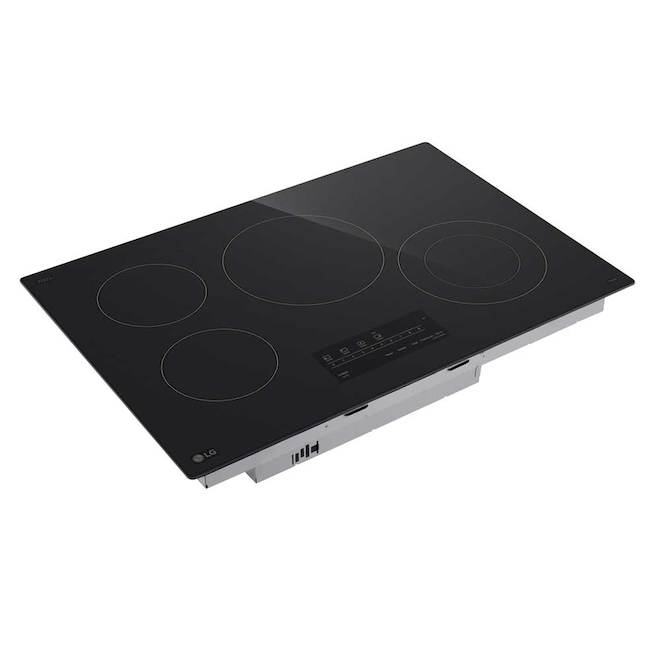
Radiant cooktops offer a simple and effective way to cook food. They use electricity to heat a smooth, glass surface. This design makes them easy to clean and stylish in any kitchen. Understanding their basics helps you decide if they suit your cooking needs.
How Radiant Cooktops Work
Radiant cooktops use electric heating elements under a glass surface. These elements heat up and transfer heat through the glass. The heat then cooks the food in your pots or pans. The glass surface stays smooth and flat, which helps with cleaning.
The heat spreads evenly across the cooking area. This means food cooks more uniformly. The cooktop can be turned on or off quickly. Some models have sensors to control the heat precisely.
Key Features To Know
- Flat glass surface for easy cleaning
- Electric heating elements beneath the glass
- Even heat distribution for consistent cooking
- Fast heating and cooling times
- Simple controls, often with touch buttons
- Safe to touch after cooling down
- Compatible with most cookware types
These features make radiant cooktops a popular choice. They combine convenience with reliable cooking performance. Their design fits well in modern kitchens and suits everyday cooking tasks.
Credit: www.rona.ca
Benefits Of Radiant Cooktops
Radiant cooktops offer several benefits that make cooking easier and more efficient. They provide a smooth, sleek surface that heats quickly and cooks food evenly. These cooktops combine modern design with practical features to enhance your kitchen experience.
Energy Efficiency
Radiant cooktops use electricity directly to heat the cooking surface. This reduces wasted energy compared to traditional electric coil cooktops. The heating elements warm up fast, which saves time and power. Lower energy use means smaller electric bills and less environmental impact.
Even Heat Distribution
The heating elements beneath the glass surface spread heat evenly. This prevents hot spots that can burn food or leave it undercooked. Consistent heat helps you cook meals perfectly every time. It also allows better control over cooking temperatures.
Ease Of Cleaning
The smooth glass surface is simple to clean. Spills do not get trapped in coils or burners. Just wipe the surface with a damp cloth to remove messes quickly. This saves time and keeps your kitchen looking neat and tidy.
Types Of Radiant Cooktops
Radiant cooktops come in different types, each designed to fit various kitchen styles and cooking needs. Understanding these options can help you pick the right one that matches your lifestyle and cooking habits. Let’s look at the two main types of radiant cooktops and what makes each unique.
Glass Ceramic Models
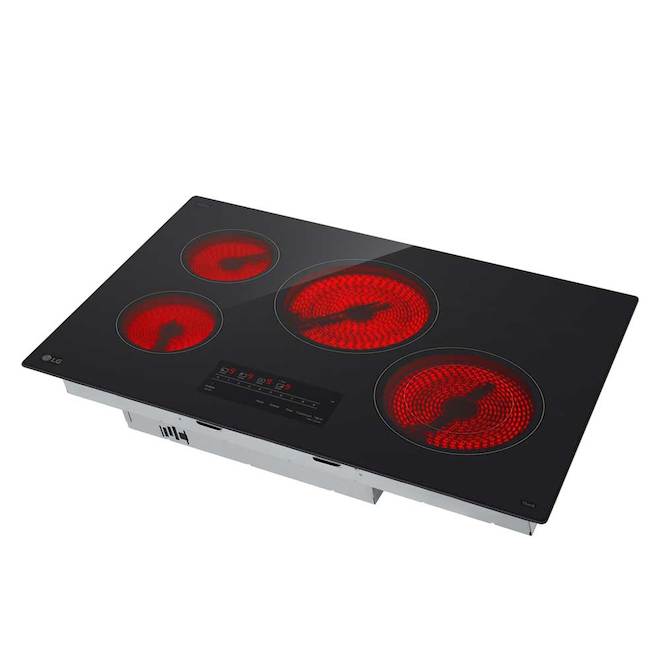
Glass ceramic radiant cooktops have a smooth, sleek surface that many find easy to clean. The heating elements sit just beneath the glass, glowing red when in use, which lets you see exactly where the heat is concentrated.
These models heat up quickly and provide even cooking temperatures, which is great for precise cooking tasks. However, you need to be careful with heavy pots and abrasive cleaners, as the glass surface can scratch or crack.
Have you noticed how a smooth surface makes wiping spills easier? That’s a big plus if you want to spend less time on kitchen cleanup.
Electric Coil Variants
Electric coil radiant cooktops use visible metal coils that heat up when electricity passes through them. These are usually less expensive than glass ceramic models and can handle heavier cookware without worry.
They take a bit longer to heat up and cool down, which means you need to watch your cooking times more closely. But many cooks appreciate the durability and straightforward design of coil cooktops.
Think about your cooking style: do you prefer a classic look and don’t mind a bit of extra heat-up time? If yes, electric coil might be your best fit.
Credit: www.rona.ca
Choosing The Right Radiant Cooktop
Choosing the right radiant cooktop affects your cooking experience greatly. It needs to fit your kitchen size and your cooking style. Consider the options carefully to find a model that works best for you.
Size And Burner Options
Radiant cooktops come in different sizes, usually ranging from 24 to 36 inches. Choose a size that fits your countertop space perfectly. Burner options vary, too. Some models have four burners, while others have five or more. Consider how many dishes you cook at once. More burners mean more cooking flexibility.
Control Features
Controls on radiant cooktops can be knobs or touch controls. Knobs offer a simple, traditional way to adjust heat. Touch controls look modern and are easy to clean. Some models include digital displays for precise temperature settings. Choose controls that feel comfortable and easy to use.
Safety Considerations
Safety is key when picking a radiant cooktop. Look for features like automatic shut-off and hot surface indicators. These features prevent accidents and burns. Some cooktops also have child lock functions. These add protection if children are around the kitchen.
Maintenance Tips
Maintaining your radiant cooktop ensures it stays efficient and looks great for years. Regular care can prevent common problems and extend the life of your appliance. Let’s look at simple ways you can keep your cooktop in top shape.
Cleaning Techniques
Always wait for the cooktop to cool down before cleaning to avoid burns or damage. Use a soft cloth or sponge with warm, soapy water for daily cleaning. Avoid abrasive pads that can scratch the smooth surface.
For tougher stains, a special cooktop cleaner works well. Apply a small amount, let it sit for a minute, then wipe gently. You might be surprised how easily burnt-on food lifts with the right cleaner.
Don’t forget to clean the control knobs and edges where grime tends to build up. Removing knobs (if possible) lets you clean underneath and prevent sticky buildup. Have you checked these often-overlooked spots lately?
Troubleshooting Common Issues
If your cooktop isn’t heating properly, first check the power supply and circuit breakers. Sometimes the problem is as simple as a tripped breaker or loose plug. Have you inspected these before calling for repairs?
Uneven heating can be caused by dirty or damaged heating elements. Clean the elements gently and look for signs of wear or cracks. Replacing faulty parts early saves you from bigger headaches later.
When controls become unresponsive, resetting the cooktop by unplugging it for a few minutes can help. If the problem persists, consult your user manual or contact customer support. How confident do you feel troubleshooting small issues yourself?

Credit: www.jennair.com
Comparing Radiant Cooktops With Other Types
Choosing the right cooktop for your kitchen can be tricky, especially with so many options available. Understanding how radiant cooktops compare to others helps you pick what fits your cooking style and needs. Let’s look closer at how radiant cooktops stand against induction and gas cooktops.
Radiant Vs Induction
Radiant cooktops use electric heating elements beneath a smooth glass surface to heat cookware. They warm the cookware by transferring heat through the glass, which means the cooktop itself gets hot.
Induction cooktops, on the other hand, use magnetic fields to heat the cookware directly. This makes induction cooktops heat up faster and cool down quicker after you turn them off.
- Radiant cooktops work with all types of cookware, while induction requires magnetic-based pots and pans.
- Induction is generally more energy efficient, but radiant cooktops can be simpler to use if you already have a favorite set of non-magnetic cookware.
- Radiant surfaces stay hot longer, so you need to be cautious after cooking.
Have you ever burnt yourself on a hot glass cooktop? That’s something induction users rarely worry about since the surface stays cool unless cookware is present.
Radiant Vs Gas
Gas cooktops offer instant flame and visible heat control, which many home cooks prefer for precision. Radiant cooktops heat through electricity, so they don’t provide the same immediate feedback as a gas flame.
Gas cooktops cool down quickly after the flame is off, while radiant cooktops remain hot for a while. This difference affects how quickly you can move on to the next cooking step or clean up.
| Feature | Radiant Cooktop | Gas Cooktop |
|---|---|---|
| Heat Control | Slower response, gradual heat changes | Instant adjustment with flame |
| Cookware Compatibility | Works with all flat-bottom cookware | Works with all types of cookware |
| Cleaning | Smooth surface, easy wipe down | Grates and burners need regular cleaning |
| Safety | Surface remains hot after use | Open flame risk |
Think about your cooking habits: Do you need quick heat adjustments or prefer a smooth surface that’s easier to clean? Your answer might guide you toward one type over the other.
Maximizing Efficiency While Cooking
Maximizing efficiency while cooking on a radiant cooktop means getting the most heat with the least energy and time. It’s about understanding how this type of cooktop works and using the right tools and techniques to save both power and patience. Have you ever wondered why some meals take longer than they should or why your energy bill spikes after a week of cooking? The secret often lies in what you use and how you cook.
Best Cookware Choices
Not all pots and pans perform well on a radiant cooktop. You want cookware with flat, smooth bottoms that make full contact with the heating element. This ensures heat transfers efficiently and evenly.
- Material matters:Stainless steel with an aluminum or copper core offers quick, even heating.
- Avoid warped or rounded-bottom pans:These reduce contact and waste energy.
- Size it right:Match the pan size to the heating zone to prevent heat loss.
I once switched from old, warped pans to quality stainless steel and noticed faster boiling times and less wasted heat. Your cookware choices can make a surprising difference in cooking speed and energy use.
Cooking Techniques For Speed And Savings
How you cook can save you time and energy on a radiant cooktop. Using the right techniques keeps heat focused where it’s needed most.
- Preheat selectively:Only heat the burner before adding food if a recipe calls for it.
- Use lids:Covering pots traps heat and speeds up cooking.
- Batch cooking:Prepare multiple meals or ingredients at once to reduce total cook time.
- Simmer instead of boil:Once boiling, lower the heat to simmer and save energy.
Think about your last meal prep—could you have saved minutes and energy by covering your pot or using a bigger burner for your pan? Small changes in technique can lead to noticeable savings on your electric bill and more free time.
Frequently Asked Questions
What Is A Radiant Cooktop?
A radiant cooktop uses electric heating elements beneath a smooth glass surface. It heats cookware evenly and quickly, offering easy cleaning and precise temperature control.
How Does A Radiant Cooktop Work?
It heats metal coils under the glass surface, which then transfer heat to the cookware. The glass remains warm but not directly heated, ensuring safety and efficiency.
Are Radiant Cooktops Energy Efficient?
Radiant cooktops are moderately energy efficient. They use electricity effectively but cool down slower than induction cooktops, which can lead to some energy loss.
Can All Cookware Be Used On Radiant Cooktops?
Most flat-bottomed cookware works well on radiant cooktops. However, cast iron and stainless steel are preferred for best heat conduction and cooking results.
Conclusion
Radiant cooktops use heat from electric coils under a smooth surface. They offer even heating and easy cleaning. Many kitchens prefer them for their simple design and reliable cooking. You can cook most meals with good temperature control. They fit well in homes that want modern, easy-to-use appliances.
Understanding radiant cooktops helps you choose the right stove. A smart choice for everyday cooking needs.