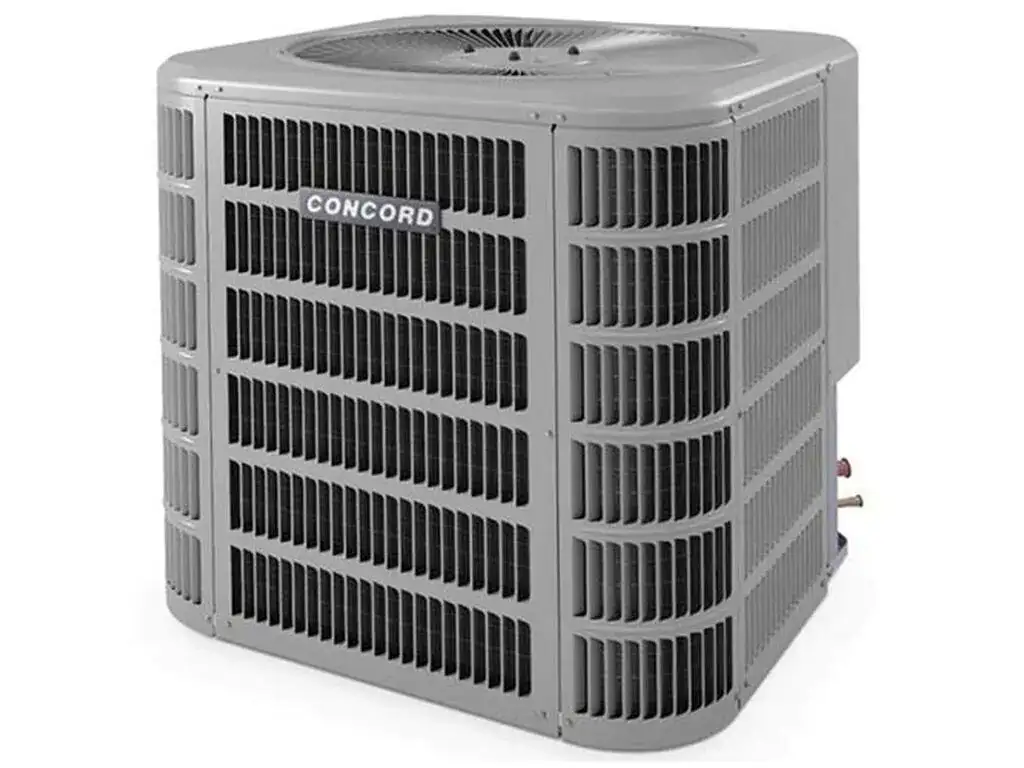
Have you ever wondered what makes your air conditioner cool the air so effectively? The secret lies in a key component called the condenser.
Understanding what the air conditioner condenser is and how it works can help you take better care of your cooling system and even save on energy bills. You’ll discover exactly what the condenser does, why it’s important, and simple tips to keep it running smoothly.
Keep reading to unlock the cool comfort you deserve!
Basics Of Air Conditioner Condenser
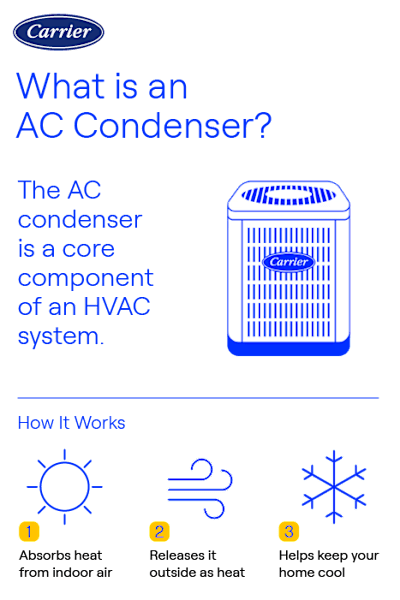
The air conditioner condenser is a key part of the cooling system. It helps remove heat from inside your home to the outside air.
Understanding the condenser helps you see how your air conditioner works to keep you cool.
What Is An Air Conditioner Condenser?
The condenser is a metal unit outside your house. It contains coils and a fan that cool the refrigerant gas.
This part changes the hot gas back into a liquid by releasing heat to the air.
How Does The Condenser Work?
The condenser receives hot gas from the compressor. Then, it cools the gas by pushing air over the coils.
The cooled gas turns into liquid and moves to the indoor unit to absorb heat again.
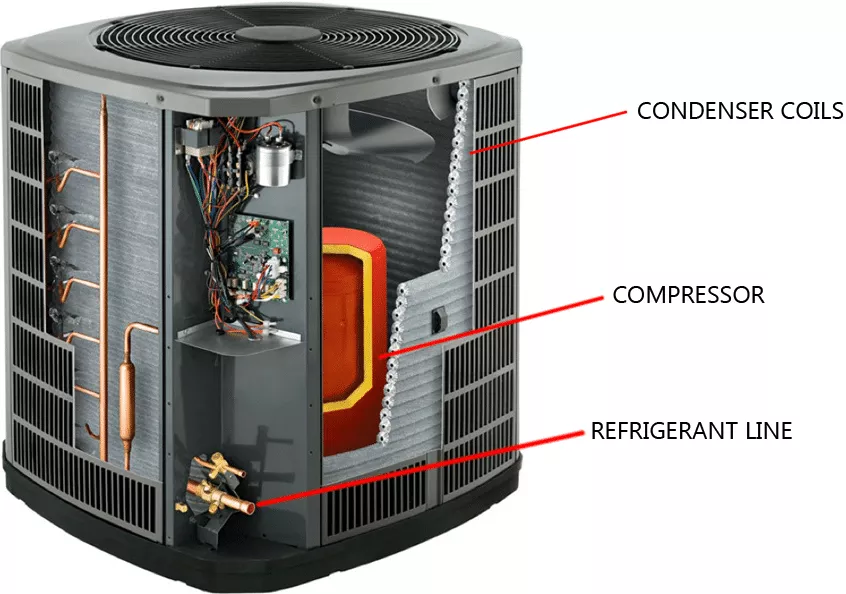
Main Parts Of A Condenser
The condenser has several important parts that work together to cool the refrigerant.
- Coils:Metal tubes where the refrigerant flows and cools down.
- Fan:Moves air across the coils to carry away heat.
- Compressor:Pressurizes refrigerant and sends it to the condenser (usually nearby).
- Fins:Help spread heat from coils to the air faster.
Why Is The Condenser Important?
The condenser removes heat from your home. Without it, your air conditioner cannot cool the air.
A clean and working condenser makes your AC efficient and saves energy.
Credit: kayplumbing.com
Key Components Of A Condenser
The condenser is a vital part of an air conditioner. It helps cool down the hot gas from the compressor.
This cooling process turns the gas back into a liquid. The condenser has several key parts that work together.
Coils And Fins
Coils carry the hot refrigerant gas from the compressor. They are usually made of copper or aluminum.
Fins surround the coils and help move heat away. They increase the surface area for better cooling.
- Coils hold and move refrigerant
- Fins help air flow and heat transfer
- Both work to cool the refrigerant quickly
Compressor Role
The compressor pushes the refrigerant through the system. It raises the pressure and temperature of the gas.
This hot gas then flows into the condenser coils. The compressor keeps the refrigerant moving continuously.
- Pressurizes refrigerant gas
- Makes the gas hot and dense
- Keeps refrigerant flowing through system
Refrigerant Function
The refrigerant carries heat from inside your home to outside. It changes from gas to liquid in the condenser.
This change releases heat into the air. The cooled liquid then goes back inside to absorb more heat.
- Absorbs heat inside the home
- Releases heat outside in condenser
- Changes state between gas and liquid
Types Of Air Conditioner Condensers
The air conditioner condenser is a key part of the cooling system. It helps release heat from inside a building to the outside air. There are different types of condensers. Each type works in a special way to cool the refrigerant.
Choosing the right condenser depends on the system size, location, and cooling needs. Below are the main types of air conditioner condensers.
Air-cooled Condensers
Air-cooled condensers use air to cool the refrigerant. A fan blows air over the condenser coils. The heat from the refrigerant moves to the air outside. This type is common in homes and small buildings.
- Easy to install
- Low maintenance
- Works well in dry climates
- Less efficient in hot weather
Water-cooled Condensers
Water-cooled condensers use water to cool the refrigerant. Water flows through tubes inside the condenser. Heat from the refrigerant passes to the water. This water is then cooled in a cooling tower.
| Feature | Water-Cooled Condensers |
| Cooling Method | Water flowing through tubes |
| Efficiency | High, especially in large systems |
| Space Needed | More than air-cooled |
| Maintenance | Requires water treatment |
Evaporative Condensers
Evaporative condensers combine air and water to cool the refrigerant. Water sprays over the condenser coils. Air passes over the coils and water. The water evaporates, which cools the refrigerant inside.
- Uses less water than water-cooled types
- More efficient than air-cooled in hot climates
- Needs regular cleaning to avoid buildup
- Works well where water is available
How Condensers Work
The air conditioner condenser is a key part of the cooling system. It helps remove heat from inside your home. This process keeps the air cool and comfortable.
The condenser works by changing hot gas into a cooler liquid. This change releases heat to the outside air.
Heat Exchange Process
The condenser has coils that hold hot refrigerant gas. Fans blow air over these coils. The air takes heat from the gas and carries it outside.
As the gas loses heat, it cools down and becomes a liquid. This liquid then moves to other parts of the air conditioner.
- Hot gas flows into condenser coils
- Fans blow air over coils to remove heat
- Gas cools and changes into liquid
- Heat is released outside the home
Pressure And Temperature Dynamics
The condenser works under high pressure to cool the refrigerant. High pressure helps the gas turn into liquid faster. This change also lowers the temperature of the refrigerant.
Maintaining the right pressure and temperature is important. It keeps the air conditioner running smoothly and saves energy.
- High pressure helps gas change to liquid
- Temperature drops as refrigerant cools
- Correct levels improve air conditioner efficiency
- Pressure and temperature control the cooling cycle
Installation Considerations
Installing an air conditioner condenser requires careful planning. Proper setup helps the system work well and last longer.
Consider where to place the condenser and how much space it needs. Also, think about how air moves around it.
Location And Space Requirements
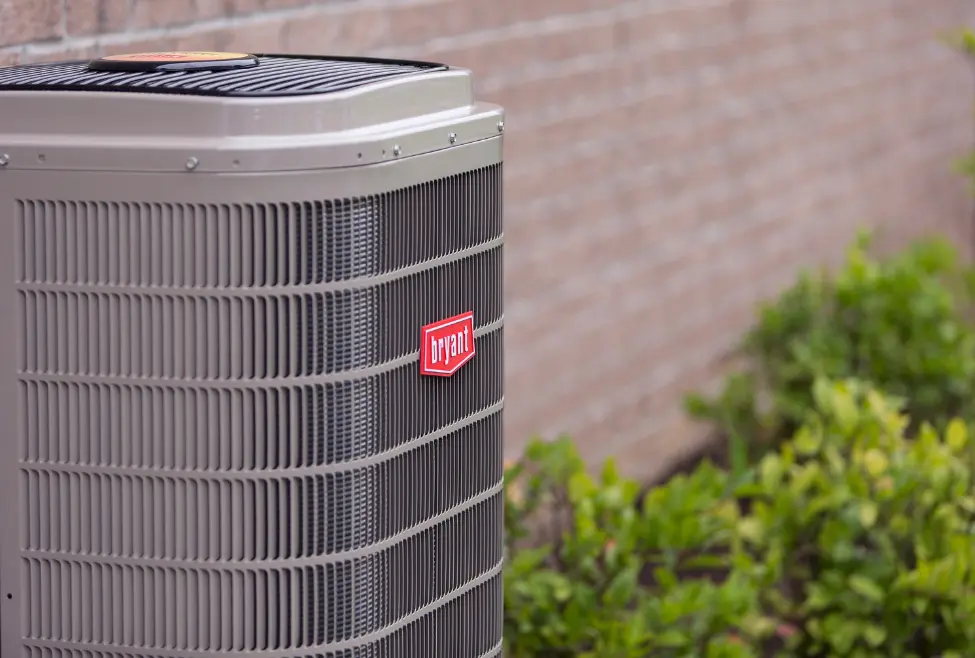
Choose a location that is easy to access for maintenance. Avoid placing it near plants or objects that block airflow.
Leave enough space around the condenser to keep it cool and allow service work. Check local rules for minimum clearances.
- Keep at least 2 feet of clearance on all sides
- Place on a flat, stable surface
- Stay away from direct sunlight if possible
- Avoid locations near noisy areas to reduce disturbance
Ventilation Needs
The condenser needs good airflow to release heat from the system. Poor ventilation causes the unit to work harder and use more energy.
Do not block air vents or cover the condenser with objects. Make sure there is space for air to move freely around it.
- Keep at least 3 feet of open space above the condenser
- Do not place near walls or fences that block air
- Clear leaves, dirt, and debris regularly
- Use a protective cover only when the unit is off
Maintenance Tips For Efficiency
The air conditioner condenser plays a key role in cooling your home. Proper care keeps it working well and saves energy.
Regular maintenance helps your condenser last longer and prevents costly repairs.
Regular Cleaning
Dirt and debris reduce the condenser’s efficiency. Clean it often to keep air flowing freely.
- Turn off power before cleaning
- Remove leaves and grass around the unit
- Use a soft brush to clean fins gently
- Wash condenser with a hose, avoid high pressure
- Clear any blockages from drainage area
Checking For Leaks
Leaks in the condenser reduce cooling power and waste refrigerant. Look for signs of leaks to fix early.
| Leak Indicator | What to Do |
| Oily residue on pipes | Call technician to inspect |
| Unusual hissing sounds | Turn off unit and schedule service |
| Reduced cooling | Check refrigerant levels professionally |
Professional Inspections
Experts find problems early and keep your condenser running smoothly. Schedule inspections yearly.
- Test refrigerant pressure
- Check electrical connections
- Inspect condenser coils
- Examine fan motor operation
- Clean or replace air filters
Common Issues And Troubleshooting
The air conditioner condenser is a key part of your cooling system. It helps release heat from inside your home to the outside. Sometimes, problems can happen with the condenser. These issues can stop your air conditioner from working well.
Knowing common problems and how to fix them can save you time and money. This guide explains three main issues with condensers and offers simple troubleshooting tips.
Overheating Problems
Overheating is a common issue with condensers. It happens when the condenser cannot cool down properly. Dirt buildup or blocked airflow often causes this. Overheating can make the air conditioner stop working or break down.
- Check and clean the condenser coils regularly.
- Clear any debris around the condenser unit.
- Make sure the fan is running smoothly and is not blocked.
- Check the refrigerant level; low levels can cause overheating.
Unusual Noises
Strange sounds from the condenser can show a problem. Common noises include rattling, buzzing, or grinding. These sounds may mean loose parts, a failing fan motor, or debris inside the unit.
| Noise Type | Possible Cause | What to Do |
| Rattling | Loose parts or debris | Turn off power and tighten or remove debris |
| Buzzing | Electrical issues or fan motor | Check wiring or call a technician |
| Grinding | Worn fan motor bearings | Replace or repair the fan motor |
Reduced Cooling Effectiveness
If your air conditioner cools less than before, the condenser might be the cause. Dusty coils, low refrigerant, or a broken compressor can reduce cooling power. Check these parts to find the issue.
- Clean the condenser coils to remove dirt.
- Inspect refrigerant levels and refill if needed.
- Listen for compressor sounds; a faulty compressor needs repair.
- Ensure the condenser fan runs during cooling cycles.
Credit: www.lochardplumbingheatingandcooling.com
Energy Efficiency And Condensers
The air conditioner condenser plays a key role in cooling your home. It helps release heat from inside to outside. This process needs energy and affects your electricity bills.
Understanding how condensers impact energy use can help you save money and reduce your carbon footprint. Choosing the right condenser makes a big difference.
Impact On Energy Consumption
The condenser works by pushing heat outside. If it is not efficient, it uses more power. A dirty or old condenser can make your air conditioner work harder.
- Efficient condensers lower energy use.
- Regular cleaning improves performance.
- Proper size reduces electricity waste.
- Good airflow helps heat release.
- High SEER ratings mean better efficiency.
Choosing Energy-efficient Models
Selecting an energy-efficient condenser saves money over time. Look for models with high SEER ratings and Energy Star labels. These use less power and last longer.
| Feature | Benefit |
|---|---|
| High SEER Rating | Lower electricity bills |
| Energy Star Certified | Meets strict efficiency standards |
| Variable Speed Fan | Adjusts power use to need |
| Corrosion-Resistant Coils | Longer life and better cooling |
Credit: www.carrier.com
Frequently Asked Questions
What Is The Function Of An Air Conditioner Condenser?
The condenser releases heat absorbed from indoors to the outside air. It changes refrigerant from gas to liquid. This process cools your home efficiently.
Where Is The Air Conditioner Condenser Located?
The condenser is usually placed outside the home. It works with the indoor unit to cool air. Proper placement ensures efficient heat exchange and system performance.
How Does The Condenser Impact Ac Efficiency?
A clean, well-maintained condenser improves cooling performance. It helps refrigerant cool faster, saving energy. Dirty condensers can cause overheating and reduce efficiency.
What Materials Are Used In Ac Condensers?
Condensers use copper or aluminum coils for heat transfer. These metals conduct heat well and resist corrosion. This ensures long-lasting and efficient operation.
Conclusion
The air conditioner condenser plays a key role in cooling your home. It helps release heat from inside to outside. Keeping it clean ensures your AC works well. Regular checks prevent costly repairs later. Understanding this part makes you better prepared.
A well-maintained condenser saves energy and money. Simple care leads to longer AC life. Remember, small steps keep your air cool and fresh.