
Are you tired of your car struggling to perform its best? Your engine’s health depends a lot on a clean fuel system.
But with so many fuel system cleaners out there, how do you know which one really works? Choosing the right cleaner can save you money, boost your engine’s power, and improve fuel efficiency. You’ll discover the best fuel system cleaner on the market—one that’s proven to keep your engine running smoothly.
Keep reading to find out how you can give your car the care it deserves.

Credit: www.youtube.com
Factors To Consider In A Fuel System Cleaner
Choosing the best fuel system cleaner means looking at several key factors. These factors help you pick a product that works well for your vehicle.
Understanding these points ensures you get a cleaner that keeps your engine running smoothly and efficiently.
Effectiveness In Cleaning
The main goal of a fuel system cleaner is to remove dirt and deposits from the fuel system. This keeps the engine parts clean and working properly.
Look for cleaners that can clean fuel injectors, intake valves, and combustion chambers well. A strong cleaner will improve fuel flow and engine performance.
- Removes carbon buildup
- Improves fuel injector spray
- Restores engine power and smoothness
Compatibility With Vehicles
Not all fuel system cleaners work with every vehicle type. Some are made for gasoline engines, others for diesel.
Check if the cleaner is safe for your car’s engine and fuel type. Using the wrong cleaner can cause damage or poor results.
- Gasoline engine cleaners
- Diesel engine cleaners
- Safe for older and newer vehicles
Ease Of Use
A good fuel system cleaner should be simple to use. Most come in bottles you add directly to the fuel tank.
Check the instructions to see if the cleaner fits your routine. Easy use saves time and avoids mistakes.
- Pour-in formula for quick use
- No need to remove parts
- Clear instructions included
Cost And Value
Fuel system cleaners come in different price ranges. Consider how much you pay compared to the benefits you get.
A cheaper cleaner may work well but might need frequent use. Expensive ones can be stronger and last longer.
- Price per bottle
- Number of uses per bottle
- Long-term savings from engine care

Credit: www.archoil.com
Top Fuel System Cleaners
Fuel system cleaners help remove deposits from engines. They improve fuel efficiency and engine performance.
Choosing the right cleaner depends on your vehicle type and budget. Here are some of the best options on the market.
Best Overall Choice
The best overall fuel system cleaner works well for most vehicles. It cleans injectors, valves, and combustion chambers.
This cleaner improves gas mileage and reduces engine knocking. It is easy to use and safe for all gasoline engines.
- Removes carbon deposits effectively
- Compatible with all gas engines
- Improves engine performance quickly
- Easy to pour into the fuel tank
Best For High Mileage Vehicles
High mileage cars need a cleaner that handles tough deposits. This cleaner restores engine power and smooths idle.
It helps reduce emissions and extends engine life. Regular use keeps older engines running better.
- Targets heavy carbon buildup
- Improves fuel economy in old engines
- Reduces engine roughness
- Safe for vehicles with over 75,000 miles
Best Budget Option
For those on a budget, this cleaner offers good results at a low cost. It cleans fuel injectors and intake valves.
This option is easy to find in stores and works well with regular use. It is a simple way to maintain engine health.
- Affordable price
- Improves engine smoothness
- Compatible with all gasoline cars
- Works best with frequent use
Best For Diesel Engines
Diesel engines need a cleaner that removes soot and carbon. This product is designed for diesel fuel systems.
It helps reduce smoke and improves fuel efficiency. Use it regularly to keep diesel engines clean and strong.
- Formulated for diesel fuel systems
- Removes soot and carbon deposits
- Reduces exhaust smoke
- Improves diesel engine performance
Benefits Of Using Fuel System Cleaners
Fuel system cleaners help keep your engine clean and running well. They remove dirt and deposits from fuel injectors and intake valves.
Using these cleaners regularly improves your car’s overall performance and saves money on repairs.
Improved Engine Performance
Fuel system cleaners remove build-up that blocks fuel flow. This allows the engine to run smoother and faster.
A clean fuel system helps your engine start easily and reduces rough idling or stalling.
Reduced Emissions
Dirty fuel systems can cause incomplete fuel burning. This increases harmful gases from your car.
Using fuel system cleaners lowers these emissions by improving fuel combustion inside the engine.
Fuel Efficiency Boost
When the fuel system is clean, fuel burns more efficiently. This means your car uses less gas to run the same distance.
Regular use of fuel system cleaners can help you save money on fuel over time.
How To Use A Fuel System Cleaner
Using a fuel system cleaner helps keep your engine running smoothly. It removes deposits from fuel injectors and valves. Proper use can improve fuel efficiency and reduce emissions.
Follow simple steps to add the cleaner safely and effectively. This guide shows how to use it right and avoid common mistakes.
Step-by-step Guide
Start by reading the instructions on your fuel system cleaner product. Each cleaner may have specific directions.
- Make sure your fuel tank is at least a quarter full before adding the cleaner.
- Shake the bottle well to mix the solution.
- Pour the cleaner into the fuel tank slowly to avoid spills.
- Fill up your tank with fuel right after adding the cleaner.
- Drive normally to let the cleaner work through the system.
Using the cleaner regularly can help maintain your engine’s performance over time.
Common Mistakes To Avoid
Many people make errors that reduce the cleaner’s effectiveness or harm the engine.
| Mistake | Effect |
|---|---|
| Adding cleaner to an empty tank | Can cause damage to the fuel pump |
| Using too much cleaner | May clog fuel filters or injectors |
| Skipping regular use | Deposits build up again quickly |
| Ignoring product instructions | Results may vary or cause harm |
Avoid these mistakes to keep your fuel system cleaner working well. Follow directions and use the right amount each time.
Expert Tips For Maintaining A Clean Fuel System
Keeping your fuel system clean helps your engine run smoothly. Dirt and deposits can build up over time. This can cause poor fuel efficiency and engine problems.
Using the right fuel system cleaner and following a maintenance plan keeps your vehicle in good shape. Learn how to spot issues early and care for your fuel system regularly.
Regular Maintenance Schedule
Cleaning your fuel system at set times prevents buildup. Follow these tips to keep your engine parts clean and working well.
- Check your owner’s manual for cleaning intervals.
- Use fuel system cleaner every 3,000 to 5,000 miles.
- Replace fuel filters as recommended by the manufacturer.
- Inspect fuel injectors for clogs or leaks yearly.
- Keep your fuel tank at least a quarter full to avoid rust.
Signs Your Fuel System Needs Cleaning
Watch for these signs to know if your fuel system needs attention. Early action can avoid costly repairs.
| Symptom | Possible Cause | Effect |
| Engine hesitation | Clogged fuel injectors | Slow acceleration |
| Rough idle | Dirty fuel system | Engine stalling |
| Reduced fuel economy | Fuel buildup | Higher fuel costs |
| Check engine light | Fuel delivery issues | Engine performance drop |
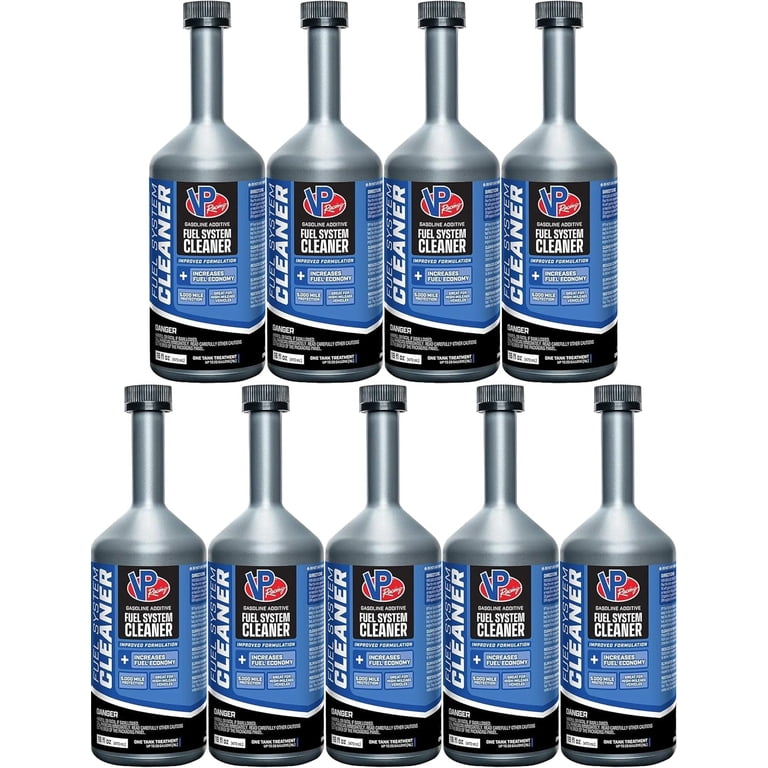
Credit: www.walmart.com
Frequently Asked Questions
What Is A Fuel System Cleaner?
A fuel system cleaner is a chemical additive. It removes deposits in fuel injectors, carburetors, and intake valves. This improves engine performance and fuel efficiency. Regular use keeps the fuel system clean and prevents costly repairs.
How Often Should I Use Fuel System Cleaner?
Most experts recommend using a fuel system cleaner every 3,000 to 5,000 miles. This interval helps maintain optimal engine function. Check your vehicle’s manual for specific guidance. Consistent use prevents buildup and improves fuel economy.
Can Fuel System Cleaners Damage My Engine?
When used as directed, fuel system cleaners are safe. Overuse or using the wrong type may harm engine components. Always choose a product compatible with your vehicle. Follow the instructions carefully to avoid potential damage.
Which Fuel System Cleaner Works Best For Gasoline Engines?
Top brands like Chevron Techron, Sea Foam, and BG 44K are highly rated. They effectively remove deposits and improve engine performance. Choose one with proven results and positive user reviews. Always pick a cleaner designed for gasoline engines.
Conclusion
Choosing the best fuel system cleaner helps your engine run smoothly. It removes deposits and improves fuel efficiency. Regular use keeps your car healthy and saves money. Always follow the product instructions for best results. Clean fuel systems mean better performance and fewer problems.
Pick a cleaner that fits your vehicle’s needs and budget. Taking care of your fuel system is smart car care. Simple steps can make a big difference in how your engine works. Keep your car running strong with the right fuel cleaner.