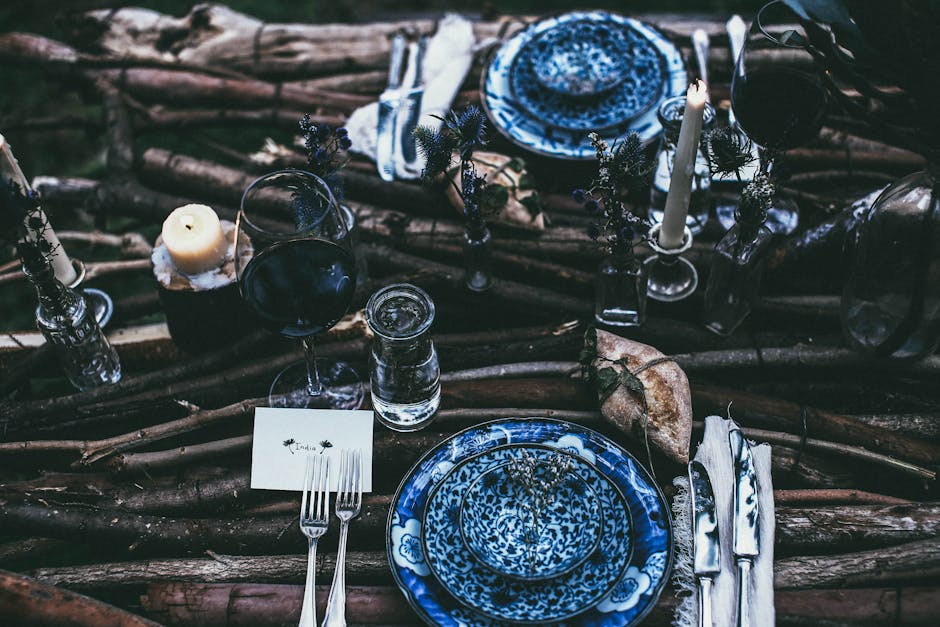
Choosing the right dinnerware set can change the way you enjoy your meals every day. You want something that looks great, feels good in your hand, and lasts through many dinners and gatherings.
But with so many materials out there—porcelain, stoneware, glass, and more—it’s hard to know which one is truly the best for your home. You’ll discover the key differences between popular materials and find out which dinnerware set matches your lifestyle, budget, and style perfectly.
Keep reading, and you’ll never have to worry about picking the right dinnerware again.
Popular Dinnerware Materials
Choosing the best material for dinnerware sets depends on style, durability, and use. Different materials offer unique benefits.
Here are some popular dinnerware materials and their key features to help you decide.
Porcelain
Porcelain is a strong, white ceramic made by firing clay at high temperatures. It looks smooth and often has a shiny finish.
It is durable, chip-resistant, and safe for microwave and dishwasher use. Porcelain is great for formal and everyday dining.
Stoneware
Stoneware is a type of pottery fired at high heat. It is thicker and heavier than porcelain, with a rustic look.
Stoneware is strong and chip-resistant but not as delicate as porcelain. It works well for casual meals and daily use.
Earthenware
Earthenware is fired at lower temperatures, so it is more porous and less strong. It has a warm, earthy appearance.
This material is more prone to chipping and cracking. It is best for decorative use or light everyday dining.
Bone China
Bone china contains bone ash, making it very strong and lightweight. It has a translucent, delicate look.
Bone china is resistant to chipping and can handle daily use. It is often used for elegant dinnerware sets.
Melamine
Melamine is a type of plastic that looks like ceramic but is much lighter. It is very durable and break-resistant.
Melamine is great for outdoor dining and children because it does not break easily. It is not safe for microwave use.
Glass
Glass dinnerware offers a clean, modern look. It is usually clear but can come in colors and patterns.
Glass is microwave and dishwasher safe but can chip or break if dropped. It works well for casual and formal meals.
Metal
Metal dinnerware includes stainless steel and aluminum. It is very durable and often used outdoors.
Metal sets are lightweight and unbreakable but may not be microwave safe. They add a modern, industrial touch to the table.
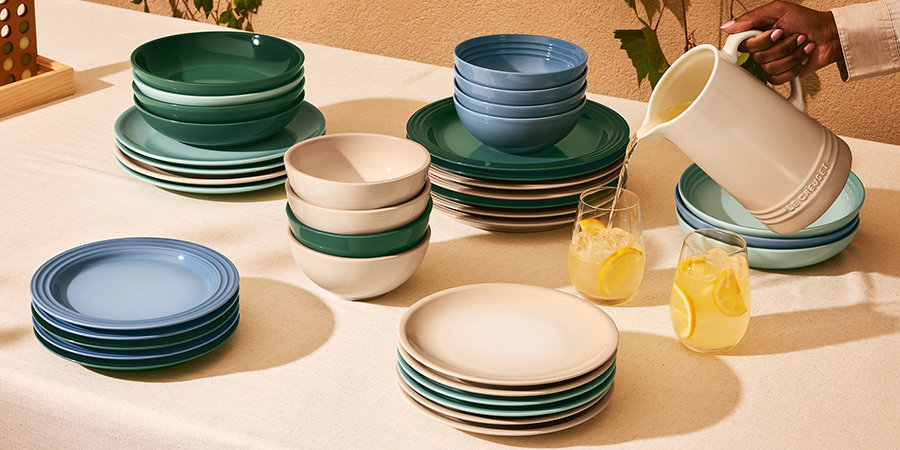
Credit: www.lecreuset.ca
Durability And Strength
Choosing the best material for dinnerware sets depends on durability and strength. These qualities ensure your dishes last long and stay in good shape.
We will explore scratch resistance, chip and crack resistance, and heat tolerance to help you decide.
Scratch Resistance
Scratch resistance is key to keeping dinnerware looking new. Some materials resist scratches better than others.
- Porcelain and stoneware have a hard surface that resists scratches well.
- Melamine is strong but can scratch over time with rough use.
- Glass can show scratches easily if not handled carefully.
Chip And Crack Resistance
Chips and cracks reduce the life of dinnerware. Strong materials prevent these damages.
| Material | Chip Resistance | Crack Resistance |
|---|---|---|
| Porcelain | Medium | High |
| Stoneware | High | Medium |
| Bone China | Low | High |
| Glass | Low | Low |
Heat Tolerance
Heat tolerance affects how well dinnerware handles hot food and cleaning.
Here is a quick overview of heat tolerance by material:
- Porcelain:Can handle high heat, safe for microwave and dishwasher.
- Stoneware:Good heat resistance but avoid sudden temperature changes.
- Melamine:Not microwave safe; tolerates warm temperatures only.
- Glass:Varies; some types handle heat well, others may crack.
Aesthetic Appeal
Choosing the best material for dinnerware sets depends a lot on how they look. Aesthetic appeal means the visual beauty and style of the dishes.
The right dinnerware can enhance your dining experience and fit your home decor. Let’s explore important factors like finish, colors, and style choices.
Finish And Texture
The finish and texture of dinnerware create the first impression. Smooth finishes give a modern look. Matte textures feel soft and natural.
Some materials have a glossy surface that reflects light. Others have rough or patterned textures that add character.
Color And Design Options
Colors and designs vary widely depending on the material. Porcelain offers bright whites and detailed patterns. Stoneware shows earthy tones well.
- Ceramic sets often feature hand-painted designs.
- Glass dinnerware can be clear or tinted.
- Metal sets usually come in silver or gold finishes.
- Melamine offers bold, fun colors and prints.
Timeless Vs Trendy Styles
Timeless styles stay popular for years. They use simple shapes and neutral colors. Trendy styles change with fashion and often use bright colors or unusual forms.
| Style Type | Key Features | Material Suitability |
| Timeless | Classic, neutral colors, simple shapes | Porcelain, stoneware |
| Trendy | Bold colors, unique shapes, patterns | Melamine, glass, ceramic |

Credit: www.vancassotableware.com
Safety And Health Considerations
Choosing the right dinnerware set is important for your health. Some materials can release harmful substances.
This guide covers key safety points about lead, cadmium, microwave use, oven use, and dishwasher safety.
Lead And Cadmium Content
Lead and cadmium can be found in some ceramic and porcelain glazes. These metals may cause health problems if they leach into food.
Look for dinnerware labeled as lead-free and cadmium-free. Avoid sets with bright, glossy finishes that do not state safety standards.
- Check for certification from food safety authorities.
- Do not use chipped or cracked dishes, as they may release toxins.
- Choose brands that test for heavy metals.
Microwave And Oven Safety
Not all dinnerware is safe for microwaves or ovens. Some materials can crack or release harmful chemicals when heated.
| Material | Microwave Safe | Oven Safe |
| Glass | Yes | Sometimes (check label) |
| Ceramic | Yes | Usually (low heat) |
| Plastic | Only microwave-safe types | No |
| Metal | No | Yes |
Dishwasher Compatibility
Using a dishwasher can save time. But some dinnerware may fade or get damaged in the dishwasher.
- Porcelain and stoneware often handle dishwashers well.
- Hand-painted or delicate sets may lose color.
- Plastic dinnerware can warp if dishwasher temperature is too high.
- Check manufacturer instructions for dishwasher use.
Maintenance And Care
Choosing the best material for dinnerware sets means knowing how to care for them. Proper maintenance keeps your plates and bowls looking new. It also helps avoid damage and stains.
This guide covers cleaning tips, storage ideas, and ways to extend the life of your dinnerware.
Cleaning Tips
Cleaning your dinnerware properly depends on the material. Always check if your set is dishwasher safe. Use mild detergents and soft cloths to avoid scratches.
- Wash delicate materials like porcelain by hand.
- Use warm water and gentle soap for all types.
- Rinse thoroughly to remove soap residue.
- Avoid abrasive scrubbers that can damage surfaces.
- Dry with a soft towel to prevent water spots.
Storage Recommendations
Store dinnerware safely to avoid chips and cracks. Stack plates with care. Use separators or soft cloth between items if possible.
| Material | Best Storage Method |
| Ceramic | Use felt liners between plates |
| Glass | Store upright to avoid pressure |
| Stoneware | Avoid stacking too high |
| Melamine | Keep away from direct sunlight |
Longevity Practices
Follow these steps to extend your dinnerware’s lifespan. Handle each piece with care and avoid sudden temperature changes.
- Do not place hot dishes directly from oven to cold surfaces.
- Avoid using metal utensils that can scratch the surface.
- Inspect your dinnerware regularly for cracks or chips.
- Replace damaged pieces to prevent injuries or stains.
- Use proper cleaning and storage methods consistently.

Credit: vaaree.com
Cost And Value
Choosing the best material for dinnerware sets depends on cost and value. Some materials are cheap but may not last long. Others cost more but offer better durability.
Understanding the balance between price and quality helps you pick the right dinnerware for your needs.
Budget-friendly Options
Materials like melamine and basic stoneware are easy on the wallet. They offer good looks without a high price tag. These sets work well for daily use.
These options often come in many designs and colors. They are lightweight and less likely to break from small drops.
- Melamine: affordable and durable but not microwave safe
- Basic stoneware: affordable with varied styles but can chip
- Earthenware: low cost but less durable than other ceramics
Investment Pieces
Porcelain and bone china are pricier materials. They offer elegance and long-lasting use. These sets are good for special occasions.
Though expensive, these materials resist chips and cracks better. They keep their shine after many washes.
- Porcelain: high quality, chip-resistant, suitable for formal dining
- Bone china: lightweight, strong, with a translucent finish
Cost Vs Durability
Cheaper materials save money upfront but may wear out faster. More durable materials cost more but last longer. Think about how you will use the dinnerware.
For everyday use, durable materials may offer better value. For occasional use, budget options can be enough.
| Material | Cost | Durability | Best Use |
|---|---|---|---|
| Melamine | Low | Medium | Everyday casual |
| Stoneware | Low to Medium | Medium | Daily use |
| Earthenware | Low | Low | Casual dining |
| Porcelain | High | High | Formal dining |
| Bone China | High | High | Special occasions |
Best Material For Different Lifestyles
Choosing the right material for dinnerware sets depends on your daily needs. Different lifestyles call for different types of materials.
This guide will help you find the best materials for families with kids, entertaining guests, everyday use, and special occasions.
Families With Kids
Families with kids need dinnerware that is safe and durable. Materials should resist breaking and be easy to clean.
Plastic and melamine are great choices. They are lightweight and won’t shatter when dropped. Silicone plates are also good for toddlers.
- Plastic: affordable, durable, and dishwasher safe
- Melamine: looks like ceramic but stronger
- Silicone: soft, flexible, and safe for little kids
Entertaining Guests
When hosting guests, appearance matters. Dinnerware should look elegant and feel special. Porcelain and bone china are excellent options.
These materials have a smooth finish and a refined look. They are also sturdy enough for multiple uses and dishwasher safe.
- Porcelain: classic, elegant, and durable
- Bone china: lightweight and slightly translucent
- Stoneware: rustic look with good strength
Everyday Use
For daily meals, choose materials that balance durability and style. Stoneware and earthenware work well for everyday use.
They are strong enough for regular use and come in many colors and designs. Microwave and dishwasher safety is common with these materials.
- Stoneware: chip resistant and versatile
- Earthenware: affordable and colorful
- Tempered glass: modern look and sturdy
Special Occasions
For special events, choose materials that add a touch of luxury. Fine china and porcelain sets are ideal for celebrations.
These materials offer a polished look with detailed designs. They are delicate but perfect for memorable dinners and holidays.
- Fine china: elegant and delicate
- Porcelain: smooth and classy
- Crystal accents: add sparkle to the table
Frequently Asked Questions
What Materials Are Best For Dinnerware Durability?
Porcelain and bone china are top choices for durability. Porcelain is chip-resistant and highly durable. Bone china combines elegance with strength, making it ideal for everyday use. Stoneware is another durable option, offering a rustic appeal. Consider your lifestyle and how often you use your dinnerware when choosing the material.
Is Stoneware Dinnerware A Good Option?
Yes, stoneware is a popular choice for dinnerware. It offers a stylish, rustic look and is durable. Stoneware is typically dishwasher and microwave safe, making it convenient for daily use. It retains heat well, keeping food warm longer. However, it can be heavier than other materials.
Are Melamine Dinnerware Sets Safe For Kids?
Melamine dinnerware is safe and ideal for kids. It’s lightweight, durable, and resistant to breakage. Melamine is perfect for outdoor use and children’s meals. However, it’s not suitable for microwave use. Ensure you buy BPA-free melamine for added safety. Always follow the manufacturer’s care instructions to maintain its quality.
How Does Bone China Compare To Porcelain?
Bone china is lighter and more translucent than porcelain. It combines elegance with strength, making it ideal for formal settings. Porcelain is denser and more chip-resistant, perfect for everyday use. Both materials are dishwasher safe. Bone china is often more expensive due to its delicate manufacturing process.
Conclusion
Choosing the best material for dinnerware sets depends on your needs. Porcelain offers elegance and durability. Stoneware feels rustic and is strong. Glass looks modern and is easy to clean. Melamine suits outdoor use and resists breakage. Consider your lifestyle and budget before deciding.
Each material has unique benefits and drawbacks. Pick what fits your daily use and style. Enjoy meals with dinnerware that feels right for you.