If you want to keep your wood cutting boards looking fresh and lasting longer, choosing the right oil is key. You might wonder which oil works best to protect your boards from cracking, drying out, or absorbing unwanted smells.
The truth is, not all oils are safe or effective for your kitchen tools. You’ll discover the best oils that nourish and protect your wood cutting boards, making them safer and more beautiful for years to come. Keep reading to learn how a simple oil choice can make a big difference for your kitchen.
Benefits Of Oiling Wood Boards
Oiling wood cutting boards helps keep them strong and looking good. It adds a layer of care that wood needs to last longer.
Using oil on your board keeps it safe from damage and improves its natural beauty. This simple step is important for every wood board owner.
Protection Against Moisture
Wood can absorb water, which causes damage over time. Oiling creates a barrier that stops water from soaking in.
This prevents bacteria and mold from growing inside the wood. It also keeps the board safe from stains and bad smells.
Enhancing Wood Grain
Oil brings out the natural colors and patterns of the wood grain. It makes the board look richer and more attractive.
The wood grain becomes clearer and shines softly. This makes your cutting board a nice piece to show in your kitchen.
Preventing Cracks And Warping
Dry wood can crack and bend out of shape. Oiling keeps the wood moist and flexible.
Regular oiling stops the board from drying too fast. This helps it keep its shape and stay smooth for longer.

Credit: www.amazon.com
Types Of Oils For Cutting Boards
Oiling wood cutting boards keeps them strong and clean. Different oils work better for different needs.
Choosing the right oil helps stop cracks and keeps your board safe for food.
Mineral Oil
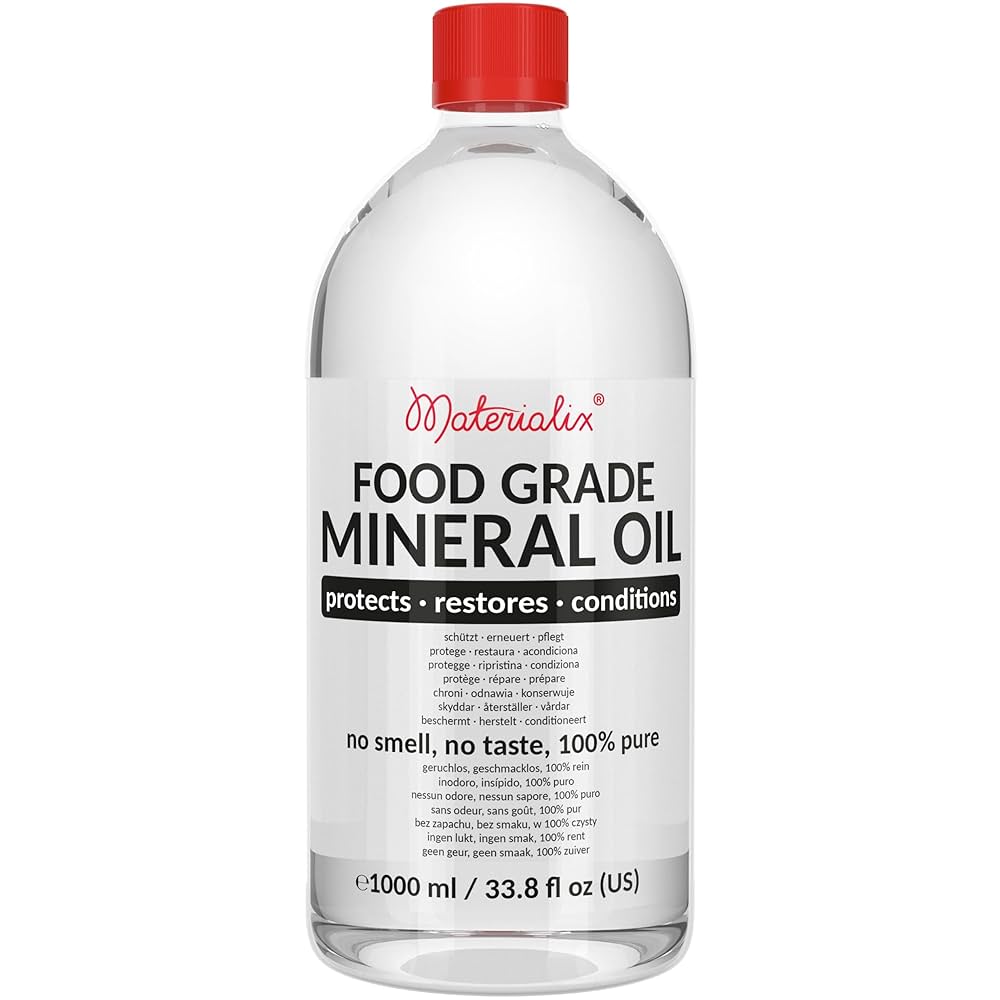
Mineral oil is a popular choice for cutting boards. It soaks in well and protects the wood from drying out. It is safe for food contact and does not go bad quickly.
Food-grade Oils
Food-grade oils are safe to use on surfaces that touch food. These oils do not contain harmful chemicals. They help keep boards smooth and clean.
- Mineral oil
- Beeswax blends
- Coconut oil (refined)
- Walnut oil
Natural Oils
Natural oils come from plants or nuts. They add a nice shine and protect wood naturally. Some natural oils dry hard, which helps seal the wood.
| Oil Type | Source | Drying Property |
| Linseed Oil | Flax Seeds | Dries Hard |
| Tung Oil | Tung Tree Seeds | Dries Hard |
| Olive Oil | Olives | Does Not Dry |
| Coconut Oil | Coconuts | Does Not Dry |
Synthetic Oils
Synthetic oils are man-made. They can give long-lasting protection. Some synthetic oils mix with other ingredients to improve safety and durability.
Common synthetic oil features:
- Water resistance
- Non-toxic formulas
- Easy application
- Long shelf life
Why Mineral Oil Is Popular
Mineral oil is a common choice for wood cutting boards. It protects the wood and keeps it looking good. Many people trust it for its safety and ease of use.
This oil works well to keep wood from drying out and cracking. It is simple to apply and does not harm food contact surfaces.
Non-toxic And Safe
Mineral oil is food-grade and safe for kitchen use. It does not contain harmful chemicals. This makes it a good choice for cutting boards where food is prepared.
Because it is non-toxic, mineral oil will not spoil food or cause allergies. It is gentle on the skin too, so it is safe for regular handling.
Affordable And Easy To Find
You can buy mineral oil at many stores. It is less expensive than other oils used for wood care. This makes it a popular option for many people.
- Available in pharmacies and supermarkets
- Comes in various sizes
- Budget-friendly for regular use
- Does not expire quickly
Long-lasting Protection
Mineral oil soaks into wood and seals it against moisture. This helps prevent cracking and warping over time. It also keeps the board smooth and clean.
| Benefit | Details |
| Moisture Barrier | Prevents water from entering wood |
| Wood Longevity | Reduces cracking and splitting |
| Surface Smoothness | Keeps board easy to clean |
Credit: walrusoil.com
Natural Oils To Consider
Choosing the right oil helps keep wood cutting boards in good condition. Natural oils protect the wood from drying out and cracking.
Some natural oils work better than others. They absorb well and do not go rancid quickly.
Coconut Oil
Coconut oil is a popular choice for wood cutting boards. It is natural and has a pleasant scent. This oil soaks into the wood and creates a water-resistant surface.
Look for virgin or unrefined coconut oil. It lasts longer and does not smell like processed oil.
Walnut Oil
Walnut oil is another natural option. It dries hard and forms a protective layer on the wood. It also does not go rancid quickly, unlike some vegetable oils.
- Penetrates deeply into wood fibers
- Dries to a hard finish
- Safe for food contact
- Has a mild nutty smell
Beeswax Blends
Beeswax blends mix beeswax with natural oils. This combo adds extra protection. Beeswax seals the wood and keeps moisture out.
| Benefit | Description |
|---|---|
| Water Resistance | Beeswax forms a strong barrier against water |
| Long-lasting | Blends last longer than oils alone |
| Easy to apply | Soft texture makes spreading simple |
| Food Safe | Safe for use on cutting boards and kitchen tools |
Oils To Avoid
Choosing the right oil for wood cutting boards is important. Some oils can damage the wood or make it unsafe for food.
This section explains oils you should not use on your wood cutting boards.
Vegetable Oils
Vegetable oils like canola, corn, and soybean dry out and become sticky. They can make your cutting board feel rough.
These oils can also turn rancid, causing bad smells and taste.
- Canola oil
- Corn oil
- Soybean oil
- Sunflower oil
Olive Oil
Olive oil is popular in kitchens but not good for cutting boards. It can go rancid and leave a sticky surface.
Rancid olive oil smells bad and can attract bacteria, which is unsafe for food contact surfaces.
Linseed Oil
Raw linseed oil can be used but dries very slowly. It may stay sticky for weeks or months.
Treated linseed oil (boiled) contains chemicals that can be toxic and should not touch food surfaces.
- Raw linseed oil: slow drying, sticky
- Boiled linseed oil: contains harmful chemicals
How To Apply Oil Properly
Oiling wood cutting boards keeps them strong and safe. It stops the wood from drying out and cracking. Using the right technique helps the oil soak in well.
Follow simple steps to clean, oil, and care for your board. This guide covers cleaning, applying oil, and drying for best results.
Cleaning The Board
Before oiling, clean the board to remove dirt and food bits. Use warm water and mild soap. Avoid soaking the board to protect the wood.
Dry the board completely with a clean towel. Letting it air dry ensures no moisture stays inside the wood.
Application Techniques
Use a soft cloth or paper towel to apply the oil. Apply a small amount and rub it in the wood grain. Cover the entire surface, including edges and sides.
- Pour a small amount of oil on the board.
- Use circular motions to spread the oil evenly.
- Let the oil soak in for at least 20 minutes.
- Wipe off any extra oil with a clean cloth.
- Repeat if the board looks dry or rough.
Drying And Maintenance
After oiling, let the board dry fully before use. This can take several hours or overnight. Store the board in a dry place away from heat.
| Maintenance Task | Frequency | Notes |
|---|---|---|
| Oil the board | Once a month | Or when wood looks dry |
| Clean with soap and water | After each use | Wipe dry immediately |
| Deep clean with vinegar or lemon | Every 2-3 months | Removes odors and stains |
Frequency Of Oiling
Oiling your wood cutting board keeps it strong and safe. It stops the wood from drying out and cracking.
The best oil for wood boards is food-safe mineral oil. It soaks into the wood and protects it well.
Signs Your Board Needs Oil
Look for dry spots or light color changes on your board. These show the wood is losing moisture.
Cracks or rough areas mean the board needs oiling soon. Oiling stops damage from getting worse.
- The wood looks dull or faded
- Water no longer beads on the surface
- Small cracks or rough patches appear
- The board feels dry or rough to touch
Regular Maintenance Schedule
Oil your cutting board every 3 to 4 weeks. This keeps the wood hydrated and in good shape.
If you use the board a lot, oil it once a week. Clean and dry the board before applying oil each time.
- Clean board with warm water and mild soap
- Dry completely before oiling
- Apply a generous amount of mineral oil
- Let oil soak for a few hours or overnight
- Wipe off any extra oil with a clean cloth

Credit: www.whittlewaxes.com.au
Top Brands And Products In 2025
Choosing the best oil for wood cutting boards keeps them strong and safe. Oiling stops the wood from drying and cracking. It also helps keep the board clean and smooth.
In 2025, many brands offer good oils for cutting boards. Some use mineral oil, while others use natural blends. Knowing the difference helps you pick the right product.
Best Mineral Oils
Mineral oil is clear and odorless. It is safe for food and does not go bad. Many people use mineral oil because it soaks into wood well and protects it from water.
Top brands in 2025 offer pure mineral oil made for cutting boards. These oils are easy to apply and keep boards looking new.
- John Boos Mystery Oil – a mix of mineral oil and beeswax
- Howard Butcher Block Conditioner – pure mineral oil formula
- Thirteen Chefs Food Safe Mineral Oil – food-grade and odorless
- Clove Mineral Oil – high purity and good absorption
Popular Natural Oil Blends
Natural oil blends mix oils like coconut, jojoba, and beeswax. These oils add shine and protect wood without chemicals. They also smell nice and are safe for food use.
These blends work well for people who prefer natural ingredients. They help keep the cutting board smooth and water-resistant.
- Bee’s Oil Organic Cutting Board Oil – jojoba and coconut oils
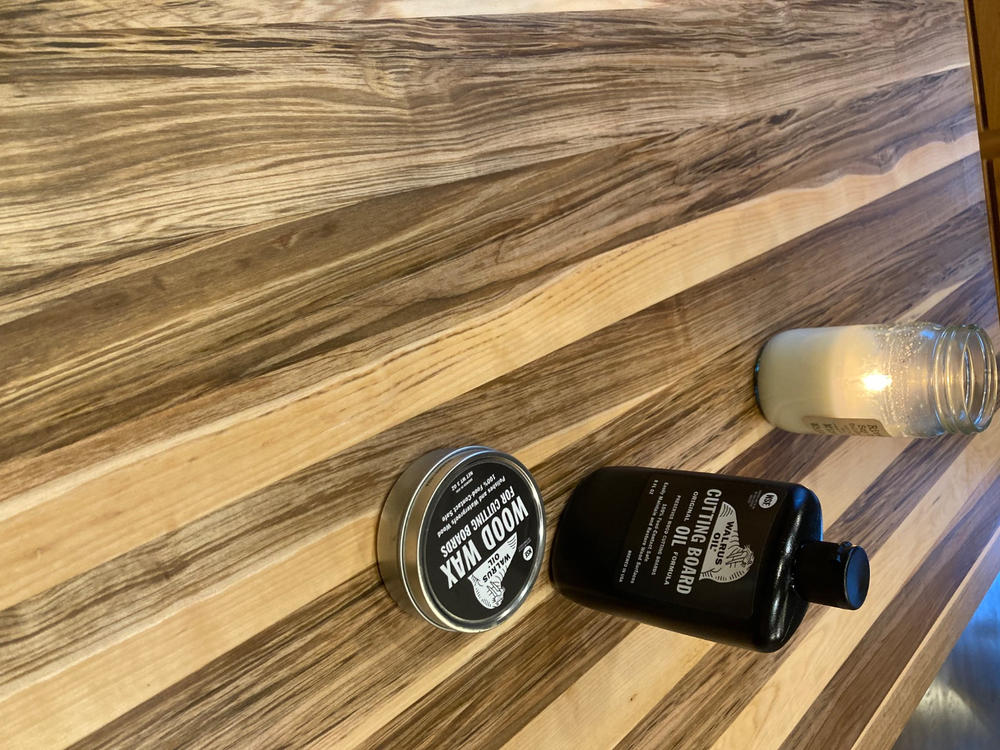
- Walrus Oil Wood Conditioner – natural oils with beeswax
- Earthborn Elements Cutting Board Oil – plant-based and non-toxic
- Otter Wax Food Safe Wood Conditioner – beeswax and coconut oil blend
Diy Oil Mixtures
Oiling wood cutting boards keeps them safe and looking good. Making your own oil mix is easy and affordable.
Many oils work well for wood, but some mixes give better protection and shine. You can find simple recipes below.
Simple Recipes
Use natural oils that do not go rancid. Mineral oil is popular because it is safe and odorless.
- Mix 1 part mineral oil with 1 part beeswax for a smooth finish.
- Combine mineral oil with a few drops of vitamin E oil to help protect wood.
- Use pure coconut oil, but only refined to prevent smell and spoilage.
- Mix mineral oil with walnut oil for a natural shine and protection.
Safety Tips
Choose oils safe for food contact. Avoid oils that can spoil or cause allergies.
- Do not use vegetable oils like olive or sunflower, which can go rancid.
- Test the oil mix on a small board area before full use.
- Store your oil mixture in a clean, sealed container away from heat.
- Keep oils out of reach of children and pets.
Frequently Asked Questions
What Oils Are Best For Cutting Boards?
Mineral oil and beeswax are ideal for cutting boards. They penetrate the wood, providing nourishment and protection. These oils are food-safe and prevent the wood from drying out and cracking. Regular application maintains the board’s appearance and longevity, ensuring safe food preparation.
Can I Use Olive Oil On Wood Boards?
Olive oil is not recommended for wood boards. It can become rancid over time, leading to unpleasant odors. Instead, use food-grade mineral oil. It’s stable and won’t spoil, ensuring your cutting board remains safe and effective for food preparation.
How Often Should I Oil My Cutting Board?
Oil your cutting board once a month. Regular oiling keeps the board hydrated and prevents cracks. If used frequently, consider oiling more often. A well-maintained board enhances durability and provides a safe surface for food preparation.
Is Coconut Oil Safe For Cutting Boards?
Coconut oil is not ideal for cutting boards. It can go rancid, affecting the board’s usability. Opt for mineral oil, which is stable and won’t spoil. This ensures your cutting board remains in good condition and safe for food contact.
Conclusion
Choosing the right oil keeps your wood cutting board strong and safe. Mineral oil is a popular choice because it soaks in well and protects wood. Food-safe oils help stop cracks and stains from forming. Regular oiling makes your board last longer and look better.
Remember, natural oils like coconut or beeswax blends also work well. Keep your board clean and dry before oiling for best results. Simple care helps your board stay fresh and useful every day.