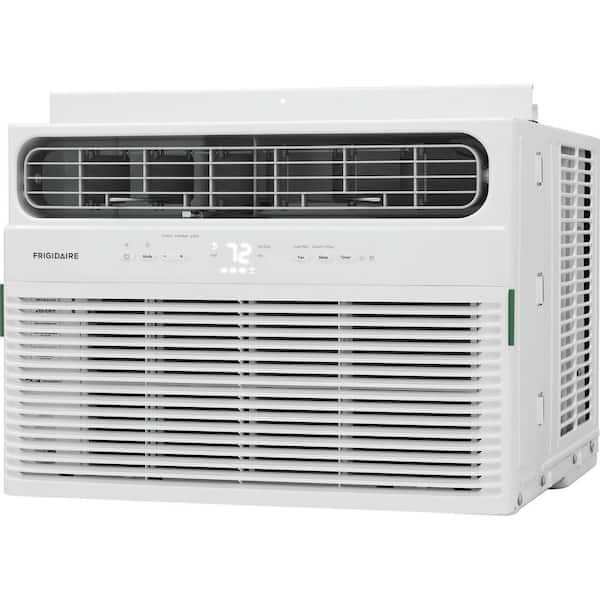
Are you struggling to keep your space cool during those scorching hot days? Finding the right air conditioner can make all the difference, especially when you need powerful cooling.
But what exactly is the biggest BTU air conditioner, and how can it help you stay comfortable no matter how high the temperature climbs? You’ll discover everything you need to know about high-BTU air conditioners—what they are, how they work, and why choosing the right size matters for your comfort and energy bills.
Keep reading to find out how to cool your space efficiently and effectively!
Understanding Btu And Its Importance
BTU stands for British Thermal Unit. It measures energy in heating and cooling systems.
Knowing BTU helps you pick the right air conditioner size. This improves comfort and saves energy.
Definition Of Btu
A BTU is the amount of heat needed to raise one pound of water by one degree Fahrenheit. It shows how much cooling or heating power a device has.
Role Of Btu In Air Conditioning
BTU helps to size air conditioners. Bigger rooms need more BTUs to cool properly.
- Small rooms: 5,000 to 8,000 BTUs
- Medium rooms: 8,000 to 12,000 BTUs
- Large rooms: 12,000 to 18,000 BTUs
- Very large spaces: 18,000+ BTUs
Impact On Cooling Efficiency
| BTU Rating | Room Size | Effect on Efficiency |
|---|---|---|
| Too Low | Large room | AC runs constantly, wastes energy |
| Too High | Small room | Short cycles, poor humidity control |
| Proper Size | Matched room | Efficient cooling and energy use |
Factors Influencing Btu Needs
BTU stands for British Thermal Unit. It measures how much cooling power an air conditioner has. The bigger the room, the more BTUs you need. Several factors affect the BTU size you require.
Choosing the right BTU size helps your air conditioner work well. Too small means it struggles. Too big wastes energy. Let’s look at key factors that influence BTU needs.
Room Size And Layout
The size of your room is the first thing to check. Larger rooms need more BTUs to cool them properly. The shape and layout also matter. Open rooms cool differently than closed rooms.
High ceilings or many corners can make cooling harder. This means you might need more BTUs than just the room’s square footage suggests.
- Measure the room’s length and width to find square feet
- Consider open floor plans that share space
- Account for high ceilings or unusual shapes
Climate And Geographic Location
The climate where you live affects BTU needs. Hotter places need stronger air conditioners. Cooler areas require less power. Sun exposure also changes how much cooling you need.
Locations with high humidity may feel warmer. This means you may want a bigger unit or one with dehumidifying features.
- Hot, sunny climates need higher BTUs
- Cooler, shaded areas need fewer BTUs
- High humidity means more cooling power
Insulation And Window Types
Good insulation keeps cool air inside. Poor insulation lets warm air in. Windows also affect cooling. Large windows or single-pane glass let heat enter easily.
Better insulated homes need fewer BTUs. If your home has many windows or thin walls, choose a larger BTU air conditioner to keep the room cool.
- Check wall and attic insulation quality
- Note the number and size of windows
- Consider double-pane or tinted windows for less heat
Largest Btu Air Conditioners On The Market
BTU stands for British Thermal Unit. It measures cooling power in air conditioners. The bigger the BTU, the more space the unit can cool.
Large BTU air conditioners are used for big rooms, halls, or commercial spaces. These units can cool areas of 3,000 square feet or more.
Top Brands And Models
Several brands offer large BTU air conditioners. These include well-known names with reliable products.
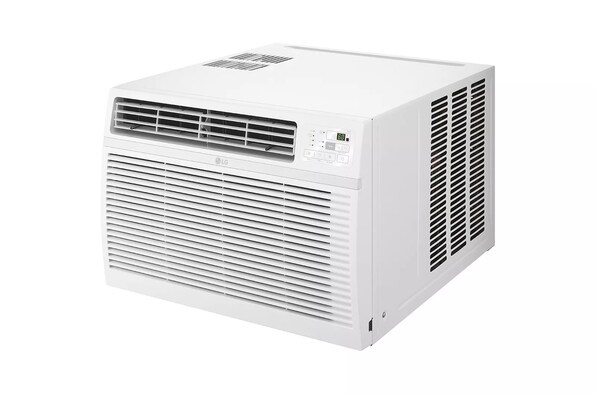
- LG – Models with up to 36,000 BTU capacity
- Frigidaire – Offers units around 30,000 BTU
- Whirlpool – Known for 24,000 to 36,000 BTU models
- GE Appliances – Provides powerful 30,000+ BTU units
- Friedrich – Known for high-quality, large BTU units
Features Of High Btu Units
High BTU air conditioners have special features to cool large spaces effectively. They often include multiple fan speeds and advanced filters.
These units may have smart controls, allowing easy temperature settings. Many come with dehumidifiers to reduce moisture in big rooms.
- Powerful compressors for fast cooling
- Multiple fan speeds for airflow control
- Remote or smart app control
- Energy-saving modes
- Built-in air filters for cleaner air
Energy Efficiency Considerations
Large BTU units use more energy. Look for models with high Energy Efficiency Ratio (EER) ratings to save power.
Energy Star certified units meet strict efficiency standards. Using timers and programmable thermostats can lower electricity use.
- Check EER or SEER ratings before buying
- Choose Energy Star certified models
- Use programmable thermostats to control cooling
- Regular maintenance keeps units efficient
- Seal windows and doors to prevent cool air loss

Credit: www.sylvane.com
Pros And Cons Of High Btu Units
High BTU air conditioners offer strong cooling for large spaces. They work well in big rooms or open areas.
It is important to know the benefits and limits of these powerful units before buying one.
Advantages Of Maximum Cooling Power
High BTU units cool rooms quickly and keep the temperature steady. They handle hot days better than smaller units.
- Fast and strong cooling for large spaces
- Can cool multiple rooms or open floor plans
- Reduces humidity effectively
- Works well in extreme heat conditions
Potential Drawbacks And Limitations
High BTU air conditioners may be too powerful for small rooms. This can cause the unit to turn on and off often, which wastes energy.
- May cool too fast, causing uneven temperatures
- Larger size can be harder to install
- Noisy operation compared to smaller units
- Not ideal for very small rooms
Cost And Energy Consumption
| Aspect | High BTU Units | Standard BTU Units |
|---|---|---|
| Initial Cost | Higher | Lower |
| Energy Use | More electricity needed | Less electricity needed |
| Maintenance | May cost more | Usually less expensive |
Choosing The Right Btu For Your Needs
Choosing the correct BTU for your air conditioner is key to comfort. BTU means British Thermal Unit. It measures how much heat an air conditioner can remove from a room.
Picking the right size saves energy and keeps your space cool. A unit that is too big or too small will not work well.
Assessing Your Space Requirements
First, measure the size of the room you want to cool. Larger rooms need air conditioners with higher BTU ratings.
- Measure the length and width of your room.
- Multiply length by width to get square footage.
- Consider ceiling height and sun exposure.
- Note the number of people who use the room.
- Check for heat from appliances or lighting.
Comparing Different Models
Air conditioners come in many sizes and styles. Compare the BTU capacity and features before buying.
| Model | BTU Capacity | Room Size (sq ft) | Energy Rating |
| Model A | 10,000 | 300-450 | High |
| Model B | 14,000 | 450-600 | Medium |
| Model C | 18,000 | 600-1,000 | High |
Professional Installation Recommendations
Installing a large BTU air conditioner needs care. A professional can ensure the unit works well and safely.
- Check if your electrical system supports the unit.
- Place the air conditioner where airflow is best.
- Seal windows and doors to keep cool air inside.
- Schedule regular maintenance for efficient operation.
Credit: www.lg.com
Maintenance Tips For High Btu Air Conditioners
High BTU air conditioners keep large spaces cool. Proper maintenance helps them work well and last longer. Simple care steps can prevent many problems.
This guide covers cleaning, seasonal checks, and fixing common issues for these powerful AC units.
Regular Cleaning And Filter Replacement
Cleaning your air conditioner often improves air quality and efficiency. Filters catch dust and dirt that can block airflow.
- Turn off the unit before cleaning.
- Remove and wash or replace the air filters every 1 to 3 months.
- Clean the coils gently to remove dirt buildup.
- Check and clear debris from the outdoor unit.
Seasonal Check-ups
Seasonal checks keep your air conditioner ready for heavy use. Inspect parts and test the system before hot or cold seasons.
| Check Item | What to Look For | Action Needed |
|---|---|---|
| Thermostat | Proper temperature control | Replace batteries or recalibrate |
| Electrical connections | Loose wires or corrosion | Tighten or replace parts |
| Drain lines | Blockages or leaks | Clear blockages and clean lines |
| Refrigerant levels | Low or leaking refrigerant | Refill or repair leaks |
Troubleshooting Common Issues
Some problems happen often with high BTU units. Knowing how to fix them saves time and money.
- If the AC does not cool, check the thermostat settings first.
- Unusual noises may mean loose parts or debris inside.
- Water leaks often come from clogged drain lines.
- Foul smells can indicate mold or dirty filters.
- If the unit cycles on and off quickly, it may be overheating.

Credit: www.appliancecorner.com
Frequently Asked Questions
What Is The Biggest Btu Air Conditioner Available?
The biggest BTU air conditioners typically range around 60,000 BTUs. These units are designed for large spaces, commercial buildings, or industrial use, providing powerful cooling for areas up to 3,000 square feet or more.
How Do Btus Affect Air Conditioner Performance?
BTU, or British Thermal Unit, measures an air conditioner’s cooling power. Higher BTU means stronger cooling capacity, suitable for larger rooms. Choosing the correct BTU ensures efficient cooling without energy waste or insufficient temperature control.
Can Big Btu Units Cool Large Spaces Efficiently?
Yes, large BTU air conditioners are specifically built to cool big spaces efficiently. They maintain consistent temperatures even in large rooms or open areas, preventing overheating and ensuring comfort during hot weather.
Are Bigger Btu Air Conditioners More Expensive To Run?
Generally, bigger BTU units consume more energy, leading to higher electricity bills. However, using a properly sized unit for your space optimizes energy use and reduces costs compared to running an underpowered air conditioner longer.
Conclusion
The biggest BTU air conditioner cools large spaces fast and well. It uses more power but keeps rooms comfortable. Choosing the right size saves energy and money. Too big or small can cause problems and waste energy. Think about your space size before buying.
A well-sized unit works quietly and lasts longer. Cooling your home or office depends on the right BTU choice. Stay cool and save energy with the proper air conditioner. Simple steps lead to better comfort all year.