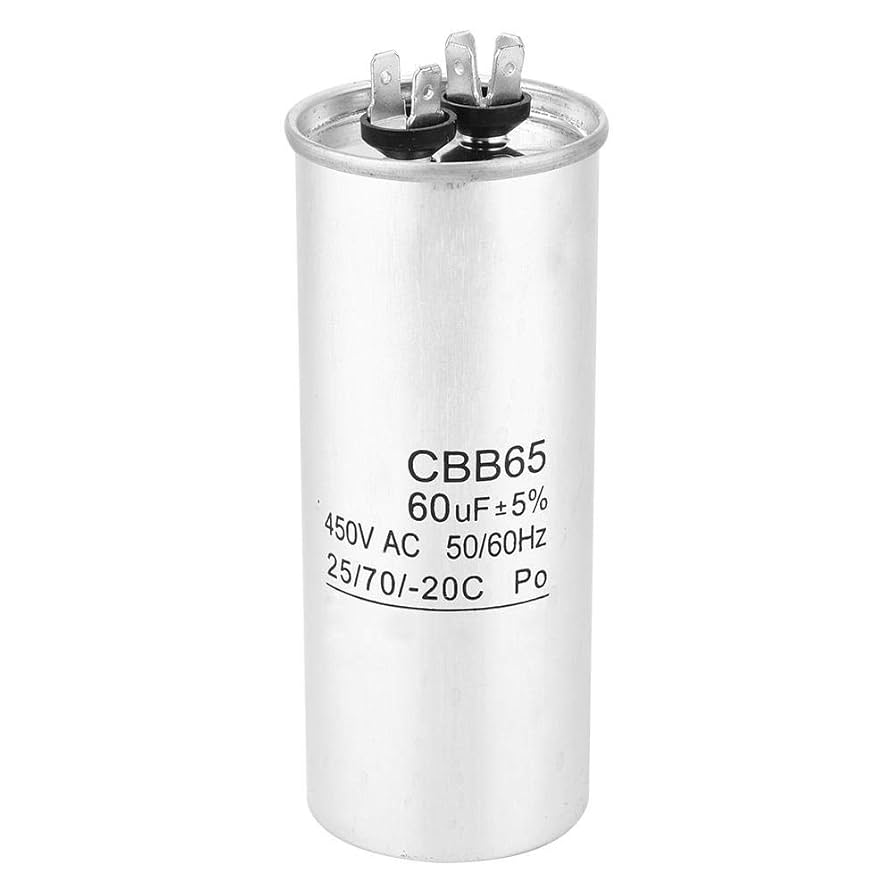
Have you ever wondered what keeps your air conditioner running smoothly, especially during those hot summer days? The secret lies in a small but powerful component called the capacitor.
Without it, your AC might struggle to start or fail to keep your home cool. Understanding what the capacitor does can help you spot issues early and save on costly repairs. Keep reading to discover how this tiny part plays a big role in your comfort and how you can take better care of your air conditioner.
Role Of Capacitors In Air Conditioners
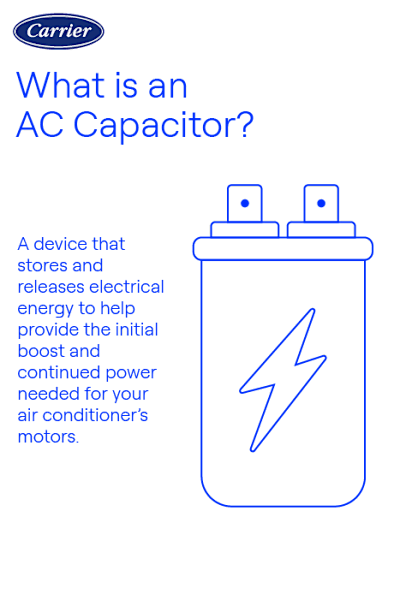
Capacitors are small but vital parts of air conditioners. They help start and run the motors inside the unit.
Without capacitors, the cooling system cannot work properly. They store and release electric energy to keep the system running.
Function In The Cooling System
The capacitor gives the motors the extra push they need to start. It also keeps the motors running smoothly.
- Starts the compressor motor
- Starts the fan motor
- Helps maintain motor speed
- Prevents electrical overload
This action ensures the air conditioner cools the air efficiently and saves energy.
Types Of Capacitors Used
| Type | Purpose | Description |
|---|---|---|
| Start Capacitor | Motor Starting | Provides a high starting torque to the compressor motor |
| Run Capacitor | Motor Running | Keeps the motor running smoothly and efficiently |
| Dual Capacitor | Start & Run | Combines start and run capacitors in one unit |
Credit: www.carrier.com
How Capacitors Work
A capacitor stores electrical energy in an air conditioner. It helps start and run the motor smoothly. Capacitors are small but very important parts.
They keep the motor running by providing extra power. Without capacitors, the motor may not work correctly or could stop.
Basic Electrical Principles
A capacitor holds an electric charge between two plates. It stores energy like a small battery but works differently. The stored energy releases quickly to help start the motor.
Capacitors also improve motor efficiency. They smooth out the electric current and reduce power loss. This helps the air conditioner use less electricity.
- Stores electric charge temporarily
- Releases energy to start motor
- Improves motor efficiency
- Reduces power loss
Start Vs. Run Capacitors
Start capacitors give a big boost to the motor when it starts. They provide extra power for a short time. After the motor starts, they turn off.
Run capacitors work all the time the motor runs. They keep the motor running smoothly and efficiently. Run capacitors help save energy and reduce wear.
- Start Capacitors:Provide extra power to start motor
- Run Capacitors:Help motor run smoothly and save energy
- Start capacitors work only at start
- Run capacitors work continuously
Signs Of A Failing Capacitor
The capacitor in an air conditioner helps start the compressor and fan motors. It stores electrical energy and releases it when needed.
If the capacitor fails, the air conditioner can stop working properly. It is important to know the signs of a failing capacitor early.
Common Symptoms
You may notice strange sounds, weak airflow, or the AC not cooling well. These are common signs the capacitor might be failing.
- The AC makes a humming or buzzing noise
- The fan or compressor motors run slowly or stop
- The air conditioner struggles to start or does not start
- The unit cools less than usual
- There are frequent on-and-off cycles
- Visible bulging or leaking on the capacitor case
Diagnostic Methods
To check if the capacitor is failing, a technician uses tools like a multimeter or capacitor tester. These tools measure the capacitor’s ability to hold charge.
Visual inspection can also help. Look for bulges, cracks, or leaks on the capacitor casing. These signs mean the capacitor needs replacement.
- Turn off power and discharge the capacitor safely
- Use a multimeter set to measure microfarads
- Compare the reading to the capacitor’s rating label
- Check for physical damage on the capacitor
- Listen for unusual sounds from the AC unit
- Observe motor start and run behavior
Credit: www.walmart.ca
Replacing Air Conditioner Capacitors
The capacitor in an air conditioner stores electrical energy. It helps start the motor and keep it running. If the capacitor fails, the AC won’t work correctly.
Replacing a bad capacitor is a common repair. It can restore your air conditioner’s function and improve efficiency.
Safety Precautions
Capacitors hold electric charge even when the power is off. This can cause shocks or injury. Follow these safety tips before replacing one.
- Turn off the power to the air conditioner at the breaker box.
- Use a voltage tester to confirm no power is present.
- Discharge the capacitor with a screwdriver that has an insulated handle.
- Wear safety glasses and insulated gloves to protect yourself.
- Work in a dry area and avoid touching metal parts unnecessarily.
Step-by-step Replacement Process
Follow these steps to replace the capacitor safely and correctly. Keep track of the wires to connect the new capacitor properly.
- Turn off power and discharge the capacitor as described in safety precautions.
- Take a photo or label the wires connected to the old capacitor.
- Remove the screws or clips holding the capacitor in place.
- Disconnect the wires from the old capacitor carefully.
- Install the new capacitor in the same position and secure it.
- Reconnect the wires to the matching terminals on the new capacitor.
- Double-check all connections and mounting.
- Turn the power back on and test the air conditioner.
| Terminals | Common Wire Color |
| Common (C) | Black or Brown |
| Fan (F) | Blue |
| Herm (H) | Yellow or White |
Maintaining Capacitor Health
The capacitor is an important part of an air conditioner. It helps start the motor and keep it running. Taking care of the capacitor keeps your air conditioner working well.
Good maintenance can stop problems early. It also makes your air conditioner last longer and use less energy.
Regular Inspection Tips
Check the capacitor every few months. Look for signs of damage or wear. A swollen or leaking capacitor needs to be replaced right away.
Turn off power before inspecting. Use a screwdriver to open the service panel. Look for cracks, bulges, or rust on the capacitor.
- Listen for unusual noises when the AC starts
- Check wiring connections for looseness or corrosion
- Measure voltage and capacitance with a meter
- Replace capacitors that show physical damage
Extending Capacitor Lifespan
Keep the area around the air conditioner clean. Dirt and dust can cause the capacitor to overheat. Overheating shortens its life.
Use a surge protector to stop power spikes. Sudden voltage changes can damage the capacitor. Regularly check electrical connections for tightness.
- Clean the air filter to improve airflow
- Avoid running the AC in extreme weather conditions
- Schedule annual professional maintenance
- Replace capacitors at the first sign of trouble
Choosing The Right Capacitor
The capacitor in an air conditioner helps start and run the motor. Picking the right one is important to keep the AC working well.
This guide will explain what to look for when choosing a capacitor for your air conditioner.
Key Specifications To Consider
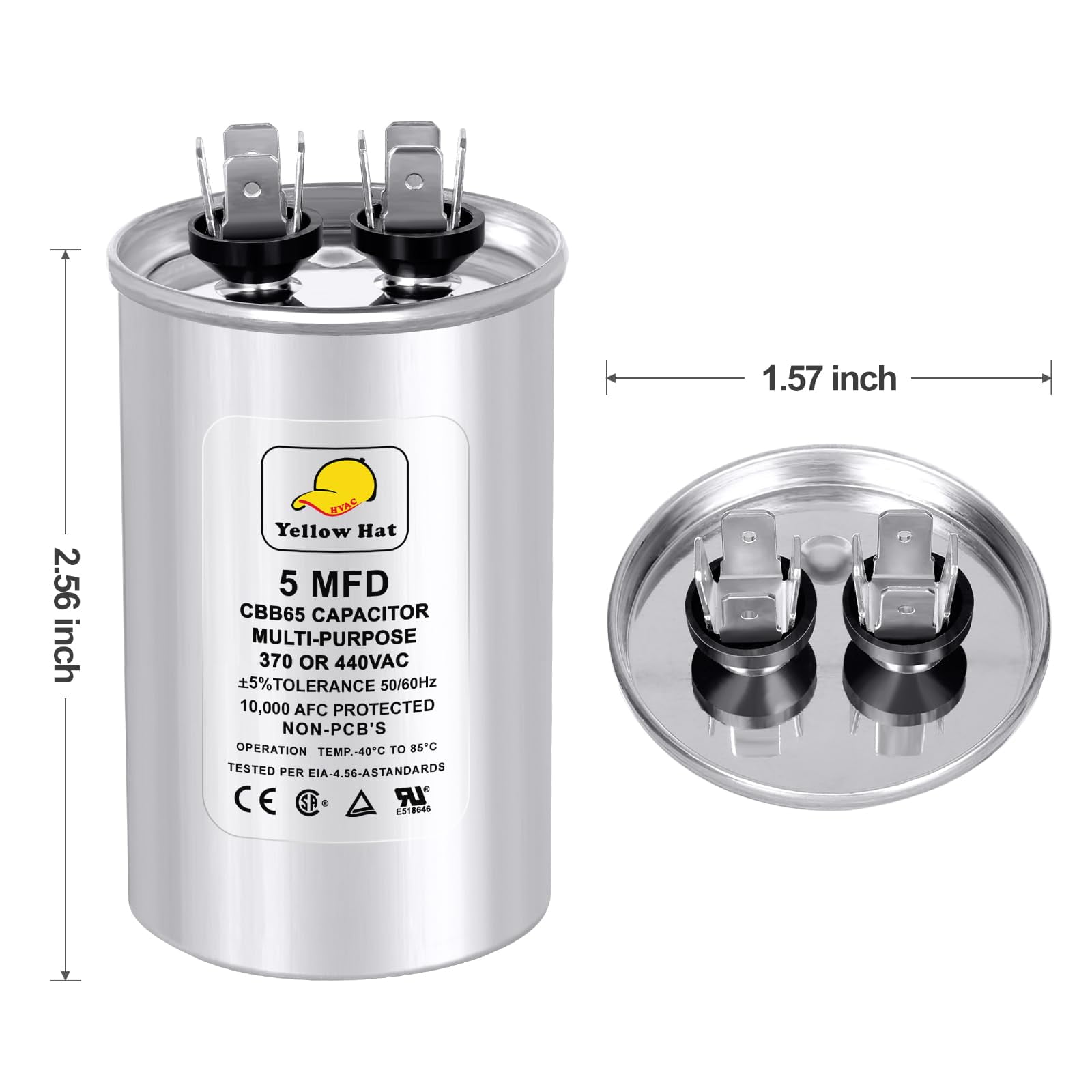
Capacitors have different ratings that match the AC’s needs. These include capacitance, voltage, and type.
- Capacitance:Measured in microfarads (µF), it must match the AC motor’s requirement.
- Voltage rating:Should be equal or higher than the AC system voltage.
- Type:Common types are start and run capacitors.
- Temperature rating:Higher ratings last longer in hot environments.
Compatibility With Ac Units
Check your air conditioner’s manual or label to find the right capacitor size and type. Using the wrong capacitor can damage the unit.
| AC Unit Type | Capacitor Type | Typical Capacitance |
| Central AC | Dual Run Capacitor | 35-70 µF |
| Window AC | Single Run Capacitor | 5-20 µF |
| Heat Pump | Dual Run Capacitor | 40-60 µF |
| Split System | Dual Run Capacitor | 30-55 µF |

Credit: www.amazon.ca
Frequently Asked Questions
What Is The Function Of A Capacitor In An Air Conditioner?
A capacitor stores electrical energy and releases it to start the compressor and fan motor. It ensures smooth operation and improves efficiency.
How Do I Know If My Ac Capacitor Is Faulty?
Signs include a humming noise, AC not cooling, or the unit not starting. A multimeter test can confirm capacitor health.
Can A Bad Capacitor Damage My Air Conditioner?
Yes, a faulty capacitor can cause motor failure and reduce system efficiency. Prompt replacement prevents costly repairs.
How Long Does An Ac Capacitor Typically Last?
Most capacitors last between 10 to 20 years, depending on usage and environmental factors. Regular maintenance extends their lifespan.
Conclusion
A capacitor helps your air conditioner start and run smoothly. It stores and releases electrical energy quickly. Without it, the AC might not work or could stop suddenly. Knowing its role can help you spot problems early. Regular checks keep your system reliable and cool.
Small parts like capacitors matter a lot. Keep your AC in good shape by understanding its key components. Simple care saves money and stress later.