Have you ever stood in your kitchen, staring at your microwave and oven, wondering what really sets them apart? You’re not alone.
Many people use these appliances daily without knowing their key differences. Understanding how they work can help you cook better meals and even save time and energy. If you’ve ever asked yourself whether to nuke your leftovers in the microwave or give them the oven treatment, you’re in the right place.
Stick around to uncover the unique features of each appliance and discover which one is the best fit for your cooking needs. Let’s dive into the fascinating world of microwaves and ovens, and by the end of this article, you’ll be equipped with the knowledge to make informed choices in your kitchen.
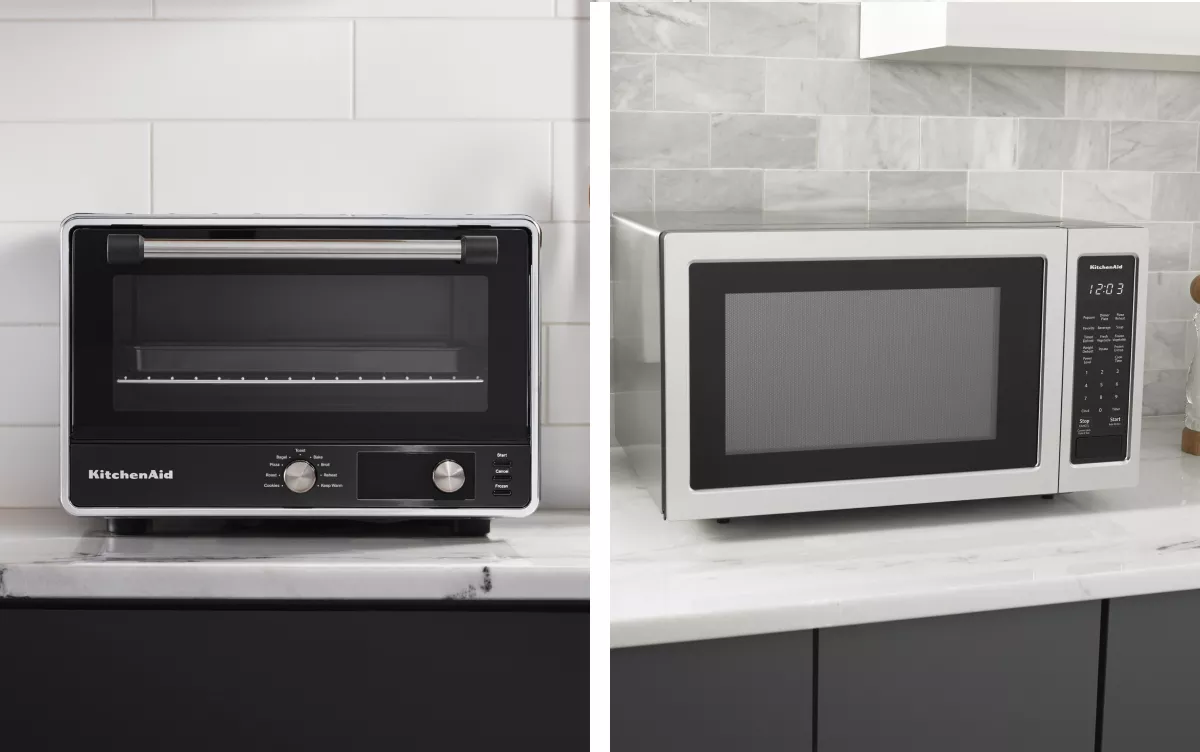
Credit: www.kitchenaid.com
Microwave Basics
Understanding the basics of microwaves can help you decide how best to use this handy kitchen appliance. Microwaves have become a staple in many homes due to their speed and convenience. But what exactly happens inside when you press start?
How Microwaves Work
Microwaves use electromagnetic waves to heat food. These waves target water molecules, causing them to vibrate rapidly. This vibration produces heat, warming your food quickly from the inside out.
Unlike conventional ovens that heat the air around the food, microwaves heat the food directly. This is why reheating leftovers in a microwave is often faster than using an oven.
Common Uses
Microwaves are perfect for reheating meals, defrosting frozen items, and quickly cooking simple dishes like popcorn or steamed vegetables. If you need a quick snack or to warm a cup of coffee, your microwave is the go-to tool.
Have you ever tried baking a cake in a microwave? It’s surprisingly possible, though results vary compared to an oven. This flexibility makes microwaves a versatile addition to your kitchen.
Advantages And Limitations
- Advantages:Speed, energy efficiency, and convenience are the biggest benefits. Microwaves save time and are easy to use.
- Limitations:They don’t brown or crisp food, which limits their use for baking or roasting. Texture and taste can differ compared to oven-cooked meals.
Have you noticed how microwaved bread can turn out chewy instead of crispy? That’s a clear example of what microwaves can’t do well. Knowing these pros and cons helps you choose the right tool for each cooking task.
Oven Essentials
Understanding the essentials of an oven can help you make better choices in your kitchen. Ovens come in various styles and use different heating methods, which affect how your food cooks. Knowing these details can save you time and improve your cooking results.
Types Of Ovens
Ovens vary widely, from traditional models to modern designs. You’ll find:
- Conventional Ovens:Heat food using electric coils or gas flames. They are great for baking and roasting.
- Convection Ovens:Use a fan to circulate hot air, cooking food evenly and faster.
- Toaster Ovens:Compact and versatile, ideal for small meals or reheating.
- Microwave Ovens:Use microwaves to heat food quickly but don’t brown or crisp like conventional ovens.
Have you noticed how your favorite dishes turn out differently depending on the oven type? That’s the impact of these variations.
Heating Methods
Ovens rely on different ways to generate heat. The most common methods include:
- Electric Heating:Uses electric coils or elements to produce consistent heat.
- Gas Heating:Burns natural gas or propane, often heating up faster but with less even temperature control.
- Convection Fans:Circulate hot air inside the oven, speeding cooking and improving browning.
Choosing the right heating method influences energy use and cooking style. Do you prefer the quick heat of gas or the steady warmth of electric?
Typical Applications
Ovens excel at tasks that require steady, thorough cooking. You can:
- Bake:Cakes, bread, and pastries need even, dry heat.
- Roast:Meats and vegetables develop rich flavors and crispy textures.
- Broil:Direct high heat browns food quickly, perfect for melting cheese or crisping tops.
If you enjoy experimenting with recipes, understanding what your oven does best can guide your cooking choices. Have you ever tried broiling a dish and been surprised by the results?
Cooking Speed Comparison
Cooking speed plays a key role in choosing between a microwave and an oven. Both appliances heat food, but their timing varies greatly. Understanding these differences helps pick the right tool for fast or slow cooking needs.
Microwave Cooking Times
Microwaves use electromagnetic waves to heat food quickly. They usually take just a few minutes to warm or cook most dishes. Small portions can be ready in under two minutes. Even frozen meals often heat within five minutes. This speed comes from direct water molecule excitation inside food.
- Reheating leftovers: 1-3 minutes
- Cooking vegetables: 2-5 minutes
- Defrosting meat: 3-7 minutes
- Popcorn: 2-4 minutes
Oven Cooking Times
Ovens heat food by surrounding it with hot air. This process takes longer, especially for baking or roasting. Preheating alone can take 10-15 minutes. Cooking times depend on temperature and food type. Larger meals may require 30 minutes to over an hour to cook fully.
- Baking cookies: 10-15 minutes
- Roasting chicken: 45-60 minutes
- Baking bread: 30-40 minutes
- Reheating casseroles: 20-30 minutes
Cooking Quality And Results
Understanding the differences in cooking quality and results between a microwave and an oven helps you decide which appliance suits your meal preparation best. Each device impacts food texture, taste, and appearance in unique ways. Knowing these distinctions can elevate your cooking experience and ensure your dishes turn out just the way you want.
Texture And Taste Differences
Microwaves cook food quickly by heating water molecules, which often results in steamed textures. This can make some foods soggy or rubbery, especially baked goods or crispy items. Ovens, on the other hand, use dry heat that cooks food more evenly, preserving or enhancing textures like crispness and flakiness.
Think about reheating pizza: in a microwave, it becomes soft and sometimes chewy, while in an oven, the crust stays crispy and the cheese melts perfectly. Have you noticed how leftovers taste different depending on which appliance you use? That difference comes down to how each method affects moisture and heat distribution.
Browning And Crisping Effects
Ovens excel at browning and crisping thanks to the Maillard reaction, which needs dry heat and higher temperatures. This process creates that golden crust on roasted chicken or the crunchy top on casseroles. Microwaves struggle here because they cook with moisture and don’t reach temperatures needed for browning.
If you want that appealing crunch or caramelized flavor, the oven is your go-to. Microwaving might be faster, but it often leaves food looking pale and feeling soggy. Next time you crave crispy fries or a browned pie crust, ask yourself: will the microwave deliver the texture I want, or should I reach for the oven instead?
Energy Consumption
Energy consumption plays a major role in choosing between a microwave and an oven. Understanding how each appliance uses power can help you save money and reduce your environmental impact. Let’s look at how efficiently these devices convert electricity into heat for cooking.
Microwave Efficiency
Microwaves use electromagnetic waves to heat food quickly. Because they directly target water molecules inside the food, they waste less energy heating the air around it. This makes microwaves highly efficient, especially for reheating small portions or cooking simple meals.
In my own kitchen, using a microwave to warm leftovers takes just a couple of minutes and barely registers on my electricity bill. Have you noticed how fast your microwave finishes compared to waiting for an oven to preheat?
Microwaves typically use between 600 to 1,200 watts, but their shorter cooking times mean they consume less total energy per use. This efficiency can add up if you use the microwave multiple times a day.
Oven Energy Use
Ovens heat food by warming the air inside a larger chamber. This process takes longer and consumes more energy because the entire oven space must reach a high temperature. Plus, preheating can add significant extra energy use before you even start cooking.
Electric ovens generally use between 2,000 to 5,000 watts, which is substantially higher than microwaves. When baking or roasting, this power draw can last from 30 minutes to over an hour, depending on the recipe.
Think about the last time you roasted a chicken or baked a cake. Did you keep the oven door open to check progress? This lets heat escape, forcing the oven to work harder and consume more energy.
To minimize energy waste with an oven, consider cooking multiple dishes at once or using convection settings if available. Could adjusting your cooking habits help you cut down on your energy bills?
Safety Considerations
Safety is a key factor when using microwaves and ovens. Both appliances use heat to cook food, but their safety concerns differ. Understanding these helps prevent accidents and injuries in your kitchen. Follow simple rules to keep you and your family safe.
Microwave Safety Tips
- Use microwave-safe containers only. Avoid metal or foil.
- Do not operate the microwave if the door is damaged.
- Stir food to avoid hot spots that can cause burns.
- Cover food with a microwave-safe lid to prevent splatters.
- Let food stand after heating to allow even heat distribution.
- Keep the microwave clean to prevent sparks and odors.
- Avoid overheating liquids to stop sudden boiling or explosions.
- Supervise children when they use the microwave.
Oven Safety Tips
- Always use oven mitts to handle hot trays and dishes.
- Keep the oven door closed during cooking to maintain temperature.
- Clean spills immediately to avoid smoke and fire risks.
- Check that the oven is off after use.
- Place ovens away from flammable materials like curtains or paper.
- Do not leave food unattended while baking or roasting.
- Use timers to prevent overcooking and burning.
- Have a fire extinguisher accessible in your kitchen.
Cost And Maintenance
Understanding the cost and maintenance differences between a microwave and an oven can help you make a smarter purchase decision. Both appliances serve essential roles in your kitchen, but their price tags and upkeep needs vary significantly. Let’s dive into what you should expect when investing in and maintaining these cooking tools.
Initial Purchase Costs
Microwaves generally come with a lower upfront price compared to ovens. You can find a reliable microwave for as little as $50 to $150, while ovens often start around $300 and can go well beyond $1,000 for high-end models.
Think about the space you have and how often you cook. If you mostly reheat meals or cook simple dishes, a microwave might be a cost-effective choice. However, if you enjoy baking or roasting, investing in an oven could provide better value over time.
Upkeep And Repairs
Microwaves tend to require less maintenance because they have fewer moving parts and simpler mechanisms. A quick wipe-down usually keeps them clean, but if a magnetron or control panel fails, repairs can be pricey and sometimes not worth it for budget models.
Ovens, on the other hand, need regular cleaning of racks and sometimes professional servicing for elements or thermostats. Although maintenance might be more involved, ovens typically last longer and can be repaired more easily, which could save you money in the long run.
Have you considered how often you’re willing to clean or fix your appliance? Your answer can guide you toward the best choice for your lifestyle and budget.
Credit: medium.com
Choosing The Right Appliance
Choosing the right appliance between a microwave and an oven can change how you cook daily meals. Each has unique strengths that suit different cooking styles and kitchen habits. Understanding these differences helps you pick what truly fits your lifestyle and needs.
Factors To Consider
Start by looking at your kitchen space. Microwaves are compact and fit easily on countertops or inside cabinets. Ovens, especially built-in or full-size ones, require more room and installation effort.
Think about the types of meals you prepare most often. Do you reheat leftovers, pop popcorn, or cook frozen meals regularly? Microwaves excel at quick heating and simple cooking tasks.
On the other hand, if you enjoy baking, roasting, or making crispy dishes, an oven offers better heat control and cooking results. Also, consider energy use and time efficiency. Microwaves use less energy and cook faster, but ovens provide more cooking versatility.
Matching Appliance To Cooking Needs
Ask yourself what you want from your appliance daily. If speed and convenience top your list, a microwave might be the best match. It’s perfect for busy mornings or when you need a quick meal fix.
If you love experimenting with recipes or cooking for family gatherings, an oven gives you more options. It handles everything from slow roasting to baking bread with even heat.
Some people find having both appliances ideal—using the microwave for reheating and the oven for full meals. What kind of cooking experience do you want to create in your kitchen? Your answer will guide you to the right choice.
Credit: www.bijlikidukan.com
Frequently Asked Questions
What Are The Main Differences Between Microwave And Oven?
Microwaves use electromagnetic waves to heat food quickly. Ovens use heated air to cook food slowly. Microwaves are ideal for reheating, while ovens are better for baking and roasting.
Can A Microwave Replace A Conventional Oven?
No, microwaves cannot fully replace ovens. Ovens provide even cooking and browning. Microwaves excel in fast heating but lack crisping ability.
Which Is More Energy-efficient: Microwave Or Oven?
Microwaves are generally more energy-efficient for quick tasks. Ovens consume more energy due to longer cooking times and heating elements.
Is Food Cooked Faster In A Microwave Or Oven?
Food cooks faster in a microwave due to direct wave heating. Ovens take longer because they heat food through hot air circulation.
Conclusion
Microwaves heat food quickly using waves, while ovens cook by heat. Each has its strength. Use a microwave for fast meals and reheating. Choose an oven for baking and roasting. Knowing their difference helps you cook better and save time.
Both tools make kitchen work easier. Choose the one that fits your needs best. Simple and clear—now you can decide with confidence.