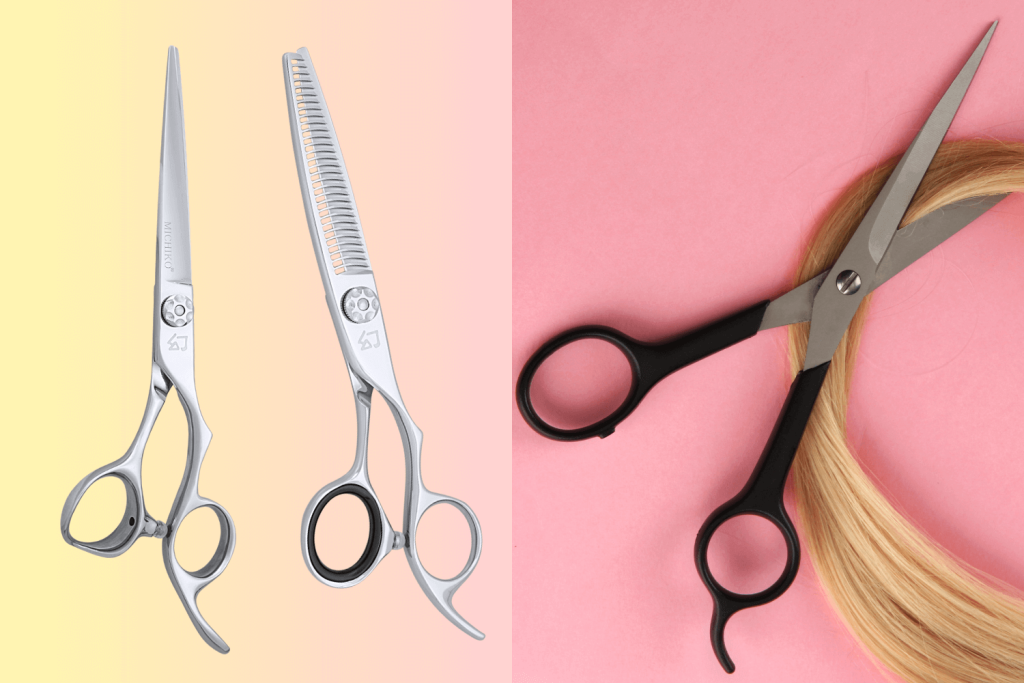
Have you ever picked up a pair of scissors and wondered how they differ from shears? At first glance, they might seem the same, but knowing the difference can make a big impact on your work, whether you’re crafting, sewing, or gardening.
Understanding which tool to use can save you time, effort, and even frustration. You’ll discover clear and simple explanations that will help you choose the right cutting tool every time. Keep reading to learn the key differences that could change the way you cut forever.

Credit: leafyease.com
Basic Design Differences
Scissors and shears look alike but have key design differences. These differences affect how you use them for cutting tasks.
Understanding their design helps you choose the right tool for your needs.
Blade Size And Shape
Scissors usually have smaller blades that are straight and narrow. Shears have longer blades that are often curved or bent.
- Scissors blades range from 3 to 4 inches.
- Shears blades can be 6 inches or longer.
- Shears often have one blade curved to aid cutting thick materials.
- Scissors blades are usually straight for precise cutting.
Handle Construction
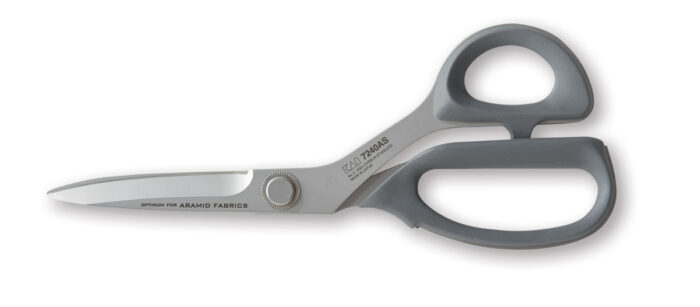
Scissors handles are symmetrical and fit both hands equally. Shears have larger, offset handles for better grip and power.
| Feature | Scissors | Shears |
| Handle Shape | Symmetrical | Offset |
| Grip Size | Smaller and equal | Larger thumb hole |
| Comfort | Good for light tasks | Better for heavy cutting |
Credit: www.threadsmagazine.com
Common Uses
Scissors and shears both cut materials but serve different purposes. Knowing their common uses helps choose the right tool.
Each tool fits certain tasks better. This guide explains their uses in everyday and special jobs.
Everyday Tasks
Scissors are small and easy to handle. They work well for simple cutting jobs at home or school.
People use scissors for paper, fabric, and light plastic. They are common in offices and kitchens.
- Cutting paper and cardboard
- Trimming photos and crafts
- Opening packages
- Cutting light fabric or threads
Specialized Applications
Shears are larger and stronger. They handle tough materials that scissors cannot easily cut.
Shears are used in gardens, sewing, and heavy-duty work. Their design helps cut thick or hard items.
- Trimming plants and small branches
- Cutting thick fabric or leather
- Shearing wool from sheep
- Cutting metal sheets or wires
Material And Build Quality
Scissors and shears are tools for cutting. Their material and build quality make them different. Let’s explore these differences.
Understanding blade and handle materials helps choose the right tool for specific tasks.
Blade Materials
Scissors often have stainless steel blades. This material is strong and resists rust. It is ideal for everyday use.
Shears might use high-carbon steel or titanium. These materials are tougher and last longer. They are good for heavy-duty tasks.
- Stainless steel: Common in scissors, resists rust
- High-carbon steel: Used in shears, very durable
- Titanium: Light and strong, used for precision cutting
Handle Materials
Scissors handles are often plastic. This makes them light and easy to handle. Plastic handles are also cost-effective.
Shears may have metal or rubberized handles. These materials offer better grip and control. They are designed for comfort during extended use.
- Plastic: Common in scissors, lightweight
- Metal: Durable, used in shears
- Rubberized: Comfortable grip, reduces hand fatigue
Cutting Mechanism
Scissors and shears look alike but cut differently. Their cutting mechanism sets them apart.
Understanding how their blades work helps choose the right tool for the job.
Blade Alignment
Scissors have blades that meet evenly along their edges. This creates a clean, straight cut.
Shears have blades that overlap slightly. This design helps cut thicker materials smoothly.
- Scissors blades align edge to edge
- Shears blades overlap for better grip
- Blade alignment affects cutting precision
Cutting Action
Scissors use a simple cutting action with equal blade pressure. This works well for light materials.
Shears use a slicing action. One blade moves while the other stays still, making cutting easier.
- Scissors cut by pressing blades together evenly
- Shears cut by sliding blades past each other
- Slicing action helps cut thick or tough items
Types Of Scissors And Shears
Scissors and shears come in many types, each designed for specific tasks. Knowing their differences helps you pick the right tool for the job.
Both scissors and shears cut materials, but their size and use vary. Scissors are usually smaller and lighter. Shears are larger and stronger for heavy jobs.
Household Varieties
Household scissors and shears handle everyday cutting tasks. They come in different shapes and sizes for convenience and ease.
- Kitchen Shears: Used for cutting meat, herbs, and packaging.
- Craft Scissors: Designed for paper, fabric, and light crafts.
- Children’s Scissors: Small blades and rounded tips for safety.
- General Scissors: Multi-purpose, used for light cutting tasks.
Professional Tools
Professionals use specialized scissors and shears. These tools are built for precision, durability, and specific materials.
| Tool | Use | Material |
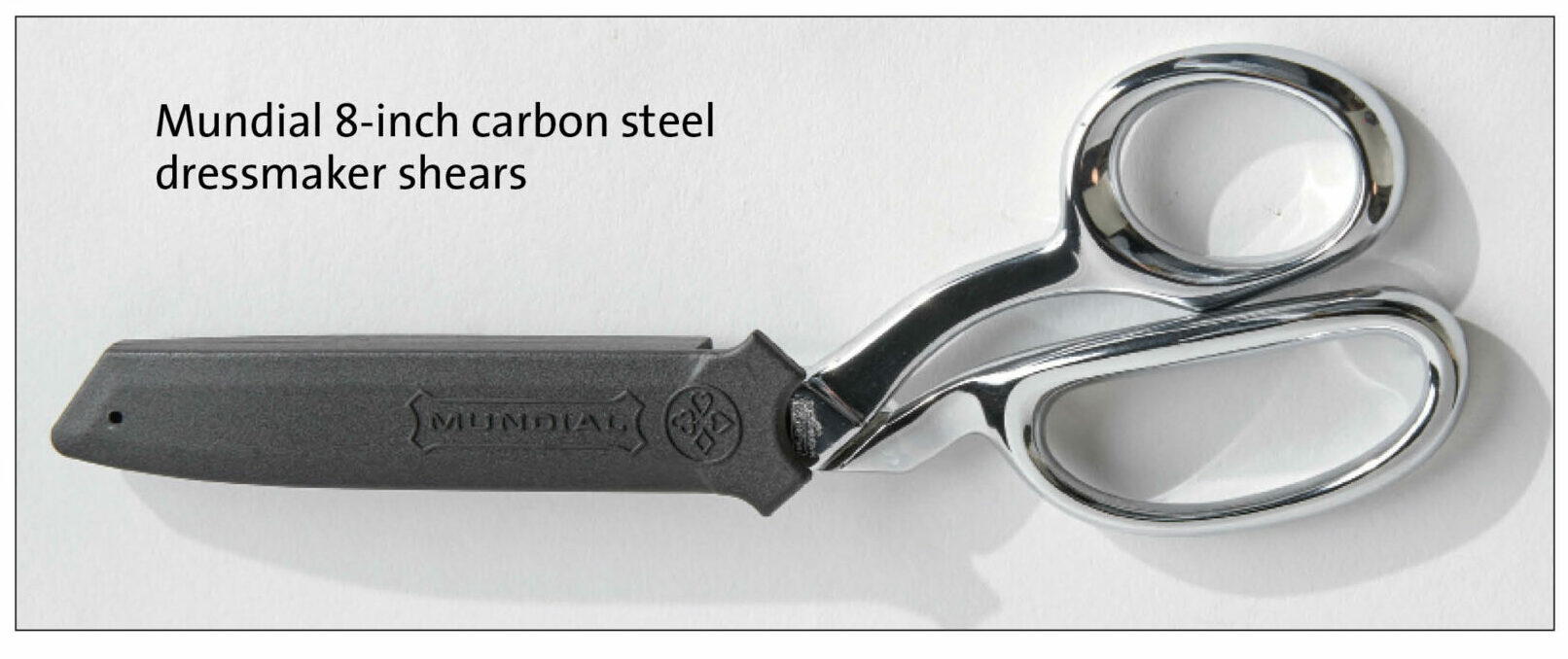
| Tailor’s Shears | Cutting fabric | Heavy cloth |
| Hair Cutting Scissors | Styling hair | Sharp steel blades |
| Pruning Shears | Gardening | Branches and stems |
| Medical Scissors | Surgery and first aid | Sterile steel |
Credit: www.threadsmagazine.com
Maintenance And Care
Scissors and shears need proper care to work well. Keeping them sharp and storing them correctly helps them last longer.
Good maintenance prevents damage and keeps cutting smooth. This guide covers sharpening and storage tips for both tools.
Sharpening Techniques
Scissors and shears dull with use. Sharpening them restores their cutting edge. Use the right method for each tool.
- Clean the blades before sharpening to remove dirt and oil.
- Use a sharpening stone or diamond file for scissors.
- For heavy-duty shears, use a coarse sharpening tool.
- Follow the blade angle carefully to keep the edge sharp.
- Test the blades on paper or fabric after sharpening.
Storage Tips
| Tool | Best Storage | Tips |
|---|---|---|
| Scissors | Dry, closed position | Keep in a pouch or drawer to avoid damage |
| Shears | Hanging or in a sheath | Oil blades lightly to prevent rust |
Proper storage stops blades from getting dull or rusty. Always dry them before putting away.
Choosing The Right Tool
Scissors and shears look similar but serve different purposes. Picking the right one helps you work better.
Knowing when to use scissors or shears can save time and effort. It also protects your materials.
Task-specific Selection
Scissors are best for light cutting tasks like paper or thin fabric. Shears work well for heavy materials.
Choose scissors for detailed cutting and shears for straight, long cuts. This helps you finish the job cleanly.
- Scissors: paper, thread, thin cloth
- Shears: thick fabric, leather, cardboard
- Scissors: small, precise cuts
- Shears: large, strong cuts
Ergonomic Considerations
Comfort matters when using scissors or shears for a long time. Look for handles that fit your hand well.
Shears often have larger handles and spring action to reduce hand strain. Scissors are lighter and easier for quick use.
- Choose scissors with soft grip for comfort
- Use shears with spring handles for heavy jobs
- Pick the right size to avoid hand fatigue
- Check if the tool feels balanced in your hand
Frequently Asked Questions
What Are The Main Differences Between Scissors And Shears?
Scissors have equal-length blades and are used for light cutting. Shears have longer blades and provide more leverage for tougher materials. Shears are often used in sewing and gardening, while scissors suit everyday tasks like paper cutting.
Which Is Better For Cutting Fabric, Scissors Or Shears?
Shears are better for cutting fabric due to their long blades. They make smooth, precise cuts and reduce hand fatigue. Scissors can work but may cause uneven cuts and are less efficient for fabric.
Can Scissors Replace Shears In Heavy-duty Tasks?
No, scissors are not ideal for heavy-duty tasks. Shears offer more strength and leverage for thick materials. Using scissors on tough materials can damage the blades and make cutting difficult.
Are Scissors And Shears Designed Differently For Specific Uses?
Yes, scissors and shears have design differences based on use. Scissors are lightweight with symmetrical handles. Shears have offset handles and longer blades for power and comfort during heavy cutting.
Conclusion
Scissors and shears both cut, but they serve different tasks. Scissors are smaller and good for light work. Shears have longer blades and handle tough jobs. Choosing the right tool makes cutting easier and safer. Understanding their differences helps you pick the best option.
Keep your tools sharp for the best results. Use scissors for paper and fabric, shears for thicker materials. Simple tools, different uses. Now you know which one fits your needs.