Have you ever wondered how plants make their own food? It might seem like magic, but there’s a natural process behind it that keeps plants alive and helps them grow.
Understanding this process can change the way you see the green world around you. You’ll discover what the food-making process in plants is called and why it’s so important—not just for plants but for all living beings, including you. Keep reading to unlock the secret that powers life on Earth!

Credit: www.tes.com
Photosynthesis Basics
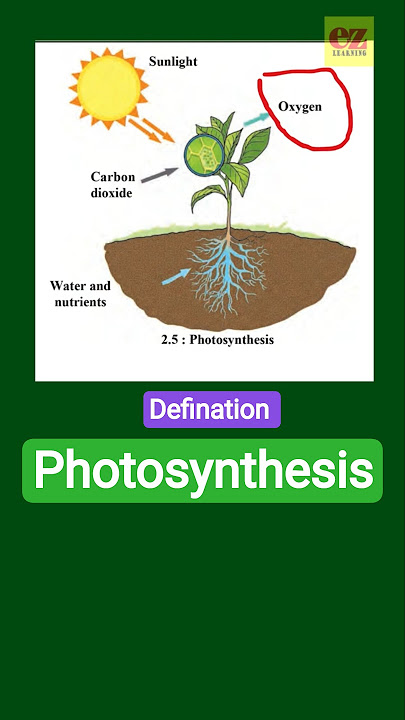
Photosynthesis is the process plants use to make food. It helps plants turn sunlight into energy.
This process happens inside the leaves of plants. It is important for plant growth and oxygen production.
Role Of Sunlight
Sunlight provides energy for photosynthesis. Plants absorb sunlight to start the food-making process.
The light energy splits water molecules and helps make sugar. Without sunlight, plants cannot make food.
Chlorophyll And Leaves
Chlorophyll is a green pigment found in leaves. It captures sunlight and helps convert it to energy.
Leaves have many tiny cells with chlorophyll. These cells are the main site of photosynthesis in plants.
- Chlorophyll gives leaves their green color
- It absorbs light mostly from the blue and red parts of the spectrum
- Chlorophyll helps change light energy into chemical energy
Carbon Dioxide And Water
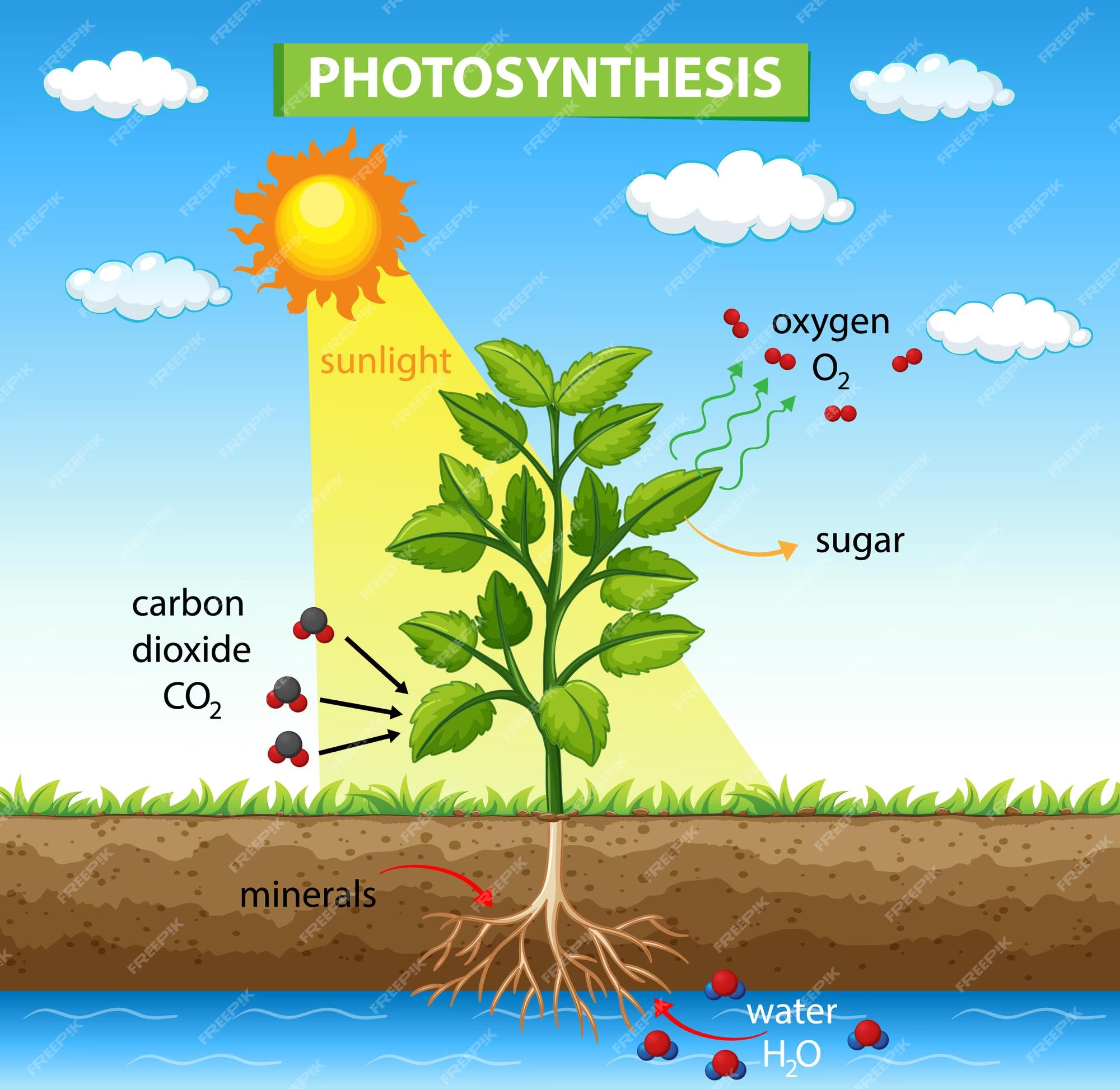
Plants take in carbon dioxide from the air. They absorb water from the soil through their roots.
During photosynthesis, carbon dioxide and water combine. This creates glucose, a type of sugar that feeds the plant.
- Carbon dioxide enters leaves through small holes called stomata
- Water travels from roots to leaves through vessels
- Glucose made is used for growth and energy storage
Credit: www.tutoroot.com
Stages Of Food Production
The food making process in plants is called photosynthesis. It helps plants make their own food using sunlight.
This process has two main stages. These are the light-dependent reactions and the light-independent reactions.
Light-dependent Reactions
Light-dependent reactions happen in the leaves when sunlight hits the chlorophyll. Chlorophyll is a green pigment in plants.
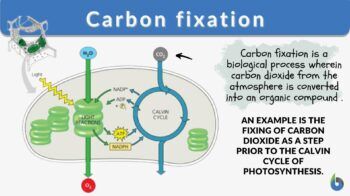
These reactions use sunlight to split water molecules. This creates oxygen, energy, and other molecules needed for the next stage.
- Sunlight is absorbed by chlorophyll
- Water is split into oxygen and hydrogen
- Oxygen is released into the air
- Energy molecules like ATP and NADPH are made
Light-independent Reactions
Light-independent reactions do not need sunlight directly. They use the energy made in the first stage.
In this stage, plants use carbon dioxide from the air to make glucose. Glucose is a type of sugar that plants use for food.
- Energy molecules from the first stage are used
- Carbon dioxide enters the plant leaves
- Carbon dioxide is turned into glucose sugar
- Glucose stores energy for the plant
Importance Of Chloroplasts
Chloroplasts are special parts of plant cells. They are crucial for making food in plants. This process is called photosynthesis.
Chloroplasts have a green pigment called chlorophyll. This pigment helps plants capture sunlight. Sunlight is needed for photosynthesis.
Role Of Chlorophyll In Photosynthesis
Chlorophyll absorbs sunlight. This energy is used to convert water and carbon dioxide into food. The food is in the form of glucose.
Without chlorophyll, plants cannot make food. Chlorophyll gives plants their green color. This is why most plants are green.
Structure Of Chloroplasts
Chloroplasts have a unique structure. They contain stacks of membranes called thylakoids. These membranes are where photosynthesis happens.
Inside chloroplasts, there is a fluid called stroma. This fluid contains enzymes. These enzymes help convert sunlight into energy.
Energy Conversion Process
Chloroplasts convert sunlight into chemical energy. This energy is stored in the form of glucose. Plants use glucose for growth and survival.
Oxygen is a byproduct of photosynthesis. Plants release oxygen into the air. This oxygen is vital for humans and animals to breathe.
- Chloroplasts absorb sunlight using chlorophyll.
- Photosynthesis converts carbon dioxide and water into glucose.
- Oxygen is released as a byproduct.
How Plants Use The Food
The food-making process in plants is called photosynthesis. Plants make food using sunlight, water, and air.
After making food, plants use it in different ways to survive and grow. The food helps plants store energy and build new parts.
Energy Storage
Plants store the food they make as energy for later use. This stored energy helps plants live through nights and bad weather.
The stored food is mainly in the form of starch. Plants keep starch in roots, stems, and leaves for future use.
- Starch is a long-lasting energy source
- Plants break down starch to get energy
- Energy helps plants stay alive when no sunlight is available
Growth And Development
Plants use the food to grow new leaves, stems, and roots. Food gives the building blocks for making cells.
The energy from food also helps plants develop flowers and fruits. This process is important for reproduction.
- Food supplies energy for cell division and expansion
- New parts help plants get more sunlight and water
- Flowers and fruits help plants make seeds
Factors Affecting Food Production
The food-making process in plants is called photosynthesis. It helps plants produce energy from sunlight. Many factors affect how well plants make food.
These factors influence the speed and amount of food production. Understanding them helps us learn how plants grow.
Light Intensity
Light gives energy for photosynthesis. More light means faster food production. Too little light slows down the process. Plants need enough light to grow well.
Water Availability
Water is essential for photosynthesis. It helps carry nutrients inside the plant. Without enough water, plants cannot make enough food. Water also keeps plants healthy and cool.
- Water helps transport minerals
- It keeps leaves moist
- Supports chemical reactions in cells
- Prevents wilting and damage
Carbon Dioxide Levels
Carbon dioxide is a key raw material for photosynthesis. Plants take in carbon dioxide from the air. Higher carbon dioxide levels increase food production, up to a point.
Temperature
Temperature affects the speed of photosynthesis. Warm temperatures help enzymes work well. Too hot or too cold slows down food making. Plants have an ideal temperature range.
| Temperature | Effect on Photosynthesis |
| Low (below 10°C) | Slow enzyme activity, less food made |
| Moderate (20°C – 30°C) | Optimal enzyme activity, more food made |
| High (above 35°C) | Enzyme damage, photosynthesis slows |
Credit: www.biologyonline.com
Frequently Asked Questions
What Is The Food Making Process In Plants Called?
The food making process in plants is called photosynthesis. It converts sunlight, carbon dioxide, and water into glucose and oxygen. This process fuels plant growth and produces oxygen for the environment.
How Do Plants Make Food Using Sunlight?
Plants use sunlight through chlorophyll in leaves to capture light energy. This energy drives photosynthesis, turning carbon dioxide and water into glucose, their food source.
Why Is Photosynthesis Important For Plants And Humans?
Photosynthesis provides food and oxygen essential for plants and humans. Plants produce glucose for energy and release oxygen, which humans and animals breathe.
What Are The Main Ingredients Plants Need For Photosynthesis?
Plants need sunlight, water, and carbon dioxide for photosynthesis. Chlorophyll in leaves absorbs sunlight to convert these ingredients into glucose and oxygen.
Conclusion
Plants make food through photosynthesis, using sunlight, water, and air. This process helps plants grow and gives us oxygen to breathe. Leaves play a big role in capturing sunlight. Without photosynthesis, life on Earth would not be possible. Understanding this process shows how plants keep the world alive.
It’s a simple, natural way plants create energy every day. Remember, plants work hard to make food, supporting all living things around us.