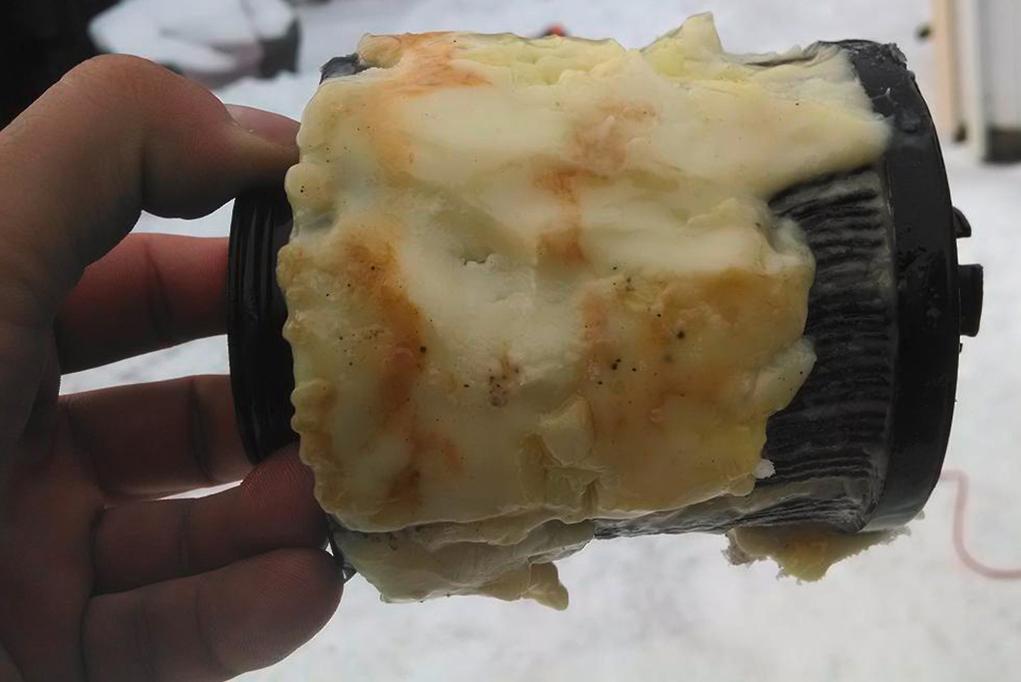
Have you ever wondered why your diesel engine struggles during those cold winter mornings? The culprit might just be something as simple as the freezing point of diesel fuel.
Understanding this can save you from unexpected breakdowns and costly repairs. Diesel doesn’t behave like gasoline; it has its quirks, especially when temperatures plummet. You might ask, “How cold is too cold? ” and “What happens when diesel freezes? ” These are crucial questions, and the answers could make all the difference in keeping your engine running smoothly.
Stick around, and you’ll learn not only the science behind diesel’s freezing point but also practical tips to prevent your fuel from becoming a wintertime headache. Don’t let the cold catch you off guard—arm yourself with the knowledge to keep your diesel engine in top shape all season long.
Diesel Fuel Basics
Understanding the basics of diesel fuel is essential before diving into specifics like its freezing point. Diesel is not just a simple liquid; it’s a complex blend that powers countless engines worldwide. Knowing what makes up diesel and the types available can help you choose the right fuel for your needs and avoid common issues, especially in colder climates.
Composition Of Diesel
Diesel fuel is primarily made from hydrocarbons derived from crude oil. These hydrocarbons vary in length and structure, influencing the fuel’s properties like energy content and freezing point.
Besides hydrocarbons, diesel contains additives that improve performance and stability. These can include anti-gelling agents, detergents, and antioxidants.
Have you ever wondered why diesel behaves differently in cold weather compared to gasoline? It’s largely due to its complex chemical makeup.
Types Of Diesel Fuel
Diesel fuel comes in several types, each designed for specific conditions and engine requirements.
- Petrodiesel:The most common type, made from refined crude oil.
- Biodiesel:Made from vegetable oils or animal fats, often blended with petrodiesel to reduce emissions.
- Winter Diesel:Formulated with additives to resist gelling and improve cold-weather performance.
Choosing the right type of diesel can prevent engine problems and improve efficiency, especially if you live in a region with harsh winters.

Credit: www.trucksales.com.au
Freezing Point Explained
Understanding the freezing point of diesel fuel is key to keeping your engine running smoothly in cold weather. The freezing point is the temperature at which diesel begins to solidify, causing serious issues if ignored. Knowing what happens at low temperatures and how this differs from related concepts can save you from unexpected breakdowns.
What Happens At Low Temperatures
As temperatures drop, diesel fuel starts to form wax crystals. These crystals don’t freeze the fuel solid immediately but make it thicker and harder to pump. You might notice your engine struggling to start or running less efficiently because the fuel flow is restricted.
Have you ever tried to pour honey straight from the fridge? Diesel behaves similarly when cold—it thickens and resists movement. This is why cold weather additives or fuel heaters are often necessary in colder climates.
Difference Between Freezing Point And Pour Point
The freezing point of diesel is the temperature where it actually begins to turn solid. However, the pour point is a bit different—it’s the lowest temperature at which diesel can still flow.
Think of the pour point as the practical limit for using diesel without problems. Even if the fuel hasn’t fully frozen, it may stop flowing properly below this temperature. This distinction helps you know when to take action before your fuel causes trouble.
Factors Affecting Diesel Freezing Point
The freezing point of diesel fuel depends on several important factors. These factors influence how diesel behaves in cold weather. Understanding them helps prevent engine problems and fuel blockages during winter. The main factors include chemical properties, additives, and environmental conditions.
Chemical Properties
Diesel is made of different hydrocarbons. Each type freezes at a different temperature. The longer the carbon chains, the higher the freezing point. Diesel with more paraffins tends to freeze sooner. The balance of these chemicals changes the overall freezing point. The purity of diesel also affects freezing. Impurities can cause crystals to form more easily.
Additives And Treatments
Additives can lower the freezing point of diesel. These chemicals stop wax crystals from growing. They improve flow and prevent fuel filter clogs. Fuel treatments protect engines in cold weather. Some additives also improve combustion efficiency. Using the right additive can extend diesel usability in freezing conditions.
Environmental Conditions
Temperature is the key factor for diesel freezing. Rapid temperature drops increase the risk of freezing. Humidity affects diesel by adding moisture, which can freeze. Storage conditions matter too. Diesel stored in cold, damp places freezes faster. Proper storage and handling reduce freezing issues in diesel fuel.
Typical Freezing Points By Diesel Type
Diesel fuel freezes at different temperatures depending on its type. Knowing the typical freezing points helps prevent engine problems in cold weather. Each diesel type has unique properties that affect its cold flow performance. Understanding these values is important for safe and efficient vehicle operation during winter months.
Standard Diesel
Standard diesel fuel, also called petrodiesel, usually freezes around -10°C to -15°C (14°F to 5°F). This range varies with the fuel’s exact composition. At these temperatures, wax crystals start to form. These crystals can clog fuel filters and lines, causing engine issues. Standard diesel is less suitable for very cold climates without additives.
Biodiesel Blends
Biodiesel blends mix petrodiesel with plant-based oils. Typical freezing points depend on the blend ratio. For example:
- B5 (5% biodiesel) freezes near -10°C (14°F)
- B20 (20% biodiesel) freezes around -7°C (19°F)
- B100 (pure biodiesel) can freeze above 0°C (32°F)
Biodiesel tends to have a higher freezing point than standard diesel. This means it may gel sooner in cold weather.
Winterized Diesel
Winterized diesel is specially treated for low temperatures. It contains additives that lower the freezing point. Typical freezing points for winterized diesel range from -20°C to -30°C (-4°F to -22°F). This fuel type resists wax crystal formation better. It provides reliable performance in harsh winter conditions.
Risks Of Diesel Freezing
Diesel fuel freezing can cause serious problems for vehicles. The fuel’s gel-like state blocks parts and stops the engine from working properly. Knowing the risks helps drivers avoid costly repairs and downtime. Below are some common issues caused by diesel freezing.
Engine Performance Issues
Frozen diesel fuel restricts the flow to the engine. The engine struggles to start or runs unevenly. Power loss and stalling may happen during operation. Reduced fuel flow means poor combustion and lower efficiency. Drivers might notice rough idling and hesitation. Cold weather worsens these issues quickly.
Fuel System Damage
When diesel freezes, it forms wax crystals. These crystals can clog fuel filters and lines. Blockages cause strain on the fuel pump and injectors. Over time, this leads to wear and possible failure. Repairing fuel system parts is often expensive and time-consuming. Preventing freezing keeps the fuel system safe and reliable.

Credit: www.trucksales.com.au
Preventing Diesel Fuel Freezing
Preventing diesel fuel from freezing is essential for smooth engine performance in cold climates. Diesel can gel or solidify at low temperatures, causing blockages and engine failure. Taking simple steps protects your fuel and keeps your vehicle running reliably during winter months.
Storage Tips
Store diesel in a cool, dry place away from moisture. Use containers designed for fuel storage to avoid contamination. Keep tanks full to reduce air space and prevent condensation. Regularly clean storage tanks to remove water and sediments. Check the fuel often during cold weather to ensure it remains clear and fluid.
Use Of Additives
Additives lower the freezing point of diesel and prevent wax crystals. Choose additives made for cold weather use. Follow the manufacturer’s instructions for proper mixing ratios. Use additives before temperatures drop to avoid fuel gelling. Regularly treat fuel, especially during prolonged cold spells.
Heating Solutions
Use fuel heaters or tank heaters to keep diesel above freezing point. Electric heaters are common and easy to install on tanks. Engine block heaters warm the engine and fuel lines before starting. Insulated fuel lines help maintain temperature during operation. These heating methods reduce the risk of fuel solidifying in cold weather.
Testing Diesel Freezing Point
Testing the freezing point of diesel fuel is important to ensure it performs well in cold temperatures. Diesel can gel or solidify, causing engine problems. Testing helps identify the temperature at which diesel stops flowing smoothly. This knowledge is essential for selecting the right fuel and additives for winter use.
Laboratory Methods
Laboratory testing uses precise instruments to find the diesel freezing point. One common tool is the cloud point tester, which cools the diesel sample slowly. Technicians watch for wax crystals forming, marking the cloud point.
Another method is the pour point test. It determines the lowest temperature diesel will still pour. This test involves cooling the sample and tilting the container to check flow.
These tests follow strict standards, like ASTM D97 and ISO 3016. They provide accurate and repeatable results. Labs use controlled environments to avoid errors.
Field Testing Techniques
Field tests offer quick checks without lab equipment. Simple kits use small containers and cooling baths. Operators observe when the diesel starts to cloud or thicken.
Portable instruments can measure freezing points on-site. These devices are easy to use and give fast results. They help drivers and technicians decide if fuel is safe for cold weather.
Field tests may not be as precise as lab methods. Still, they provide useful information for daily fuel management. They prevent engine failures by detecting freezing issues early.
Impact Of Climate On Diesel Use
The impact of climate on diesel use is significant, especially when temperatures drop. Diesel fuel behaves differently in cold weather, which can affect your vehicle’s performance and reliability. Understanding how climate influences diesel can help you avoid unexpected issues and keep your engine running smoothly.
Cold Region Challenges
In colder regions, diesel fuel can start to gel or thicken as temperatures approach its freezing point. This happens because wax crystals form inside the fuel, blocking filters and fuel lines. Have you ever experienced your diesel vehicle struggling to start on a freezing morning? That’s often the wax buildup causing the problem.
This issue is more than an inconvenience—it can lead to costly repairs or leave you stranded. Diesel engines need fuel that flows easily, even in sub-zero temperatures. Cold climates demand special attention to the type of diesel you use and how you store it.
Adjusting Fuel For Seasons
To combat cold weather problems, many drivers switch to winter blend diesel during colder months. This fuel contains additives that lower the freezing point, preventing wax crystals from forming. You might also add anti-gel additives to your regular diesel to improve cold flow properties.
Simple changes like keeping your fuel tank full can reduce condensation and prevent water from freezing inside the system. Have you checked if your fuel supplier offers a winter blend? Using the right fuel for the season can save you from unexpected breakdowns and keep your diesel engine healthy.
Credit: www.hotshotsecret.com
Frequently Asked Questions
What Is The Typical Freezing Point Of Diesel Fuel?
The typical freezing point of diesel fuel ranges between -10°C and -15°C. It varies based on diesel type and additives. Regular diesel solidifies at higher temperatures, while winter blends resist freezing better.
How Does Temperature Affect Diesel Fuel Performance?
Low temperatures cause diesel fuel to gel and thicken, blocking fuel filters and lines. This reduces engine efficiency and can cause starting problems. Using winterized diesel or additives prevents freezing and maintains flow.
Can Additives Lower Diesel Fuel’s Freezing Point?
Yes, additives called anti-gel agents lower diesel’s freezing point. They prevent wax crystal formation, keeping fuel liquid at colder temperatures. Additives improve cold-weather performance and protect engines in freezing conditions.
Why Is Knowing Diesel’s Freezing Point Important?
Knowing diesel’s freezing point helps prevent fuel gelling in cold climates. This ensures reliable engine start-up and smooth operation. It guides proper fuel storage and additive use, avoiding costly breakdowns and delays.
Conclusion
Diesel fuel freezes at low temperatures, usually around -15°C to -20°C. This can cause fuel to gel and block engines. Knowing the freezing point helps drivers avoid problems in cold weather. Using additives or winter diesel can keep fuel flowing smoothly.
Always store diesel properly to prevent freezing. Staying aware helps maintain engine performance and reliability. Simple steps make a big difference in cold climates. Keep your diesel fuel safe and your engine running well.