Have you ever wondered what makes your vehicle run smoothly every time you turn the key? The answer lies in a crucial part called the fuel system.
Understanding what the fuel system is and how it works can help you take better care of your car and avoid costly repairs. You’ll discover the key components of the fuel system, why it matters to your vehicle’s performance, and simple tips to keep it in top shape.
Keep reading—you’ll be surprised at how much knowing this can improve your driving experience.
Fuel System Basics
The fuel system is a key part of any vehicle. It delivers fuel to the engine for burning.
This system works to keep the engine running smoothly and efficiently.
Purpose Of The Fuel System
The fuel system supplies fuel to the engine in the right amount. It mixes fuel with air for combustion.
This process powers the engine and helps the vehicle move. It also controls fuel flow to save energy.
Key Components
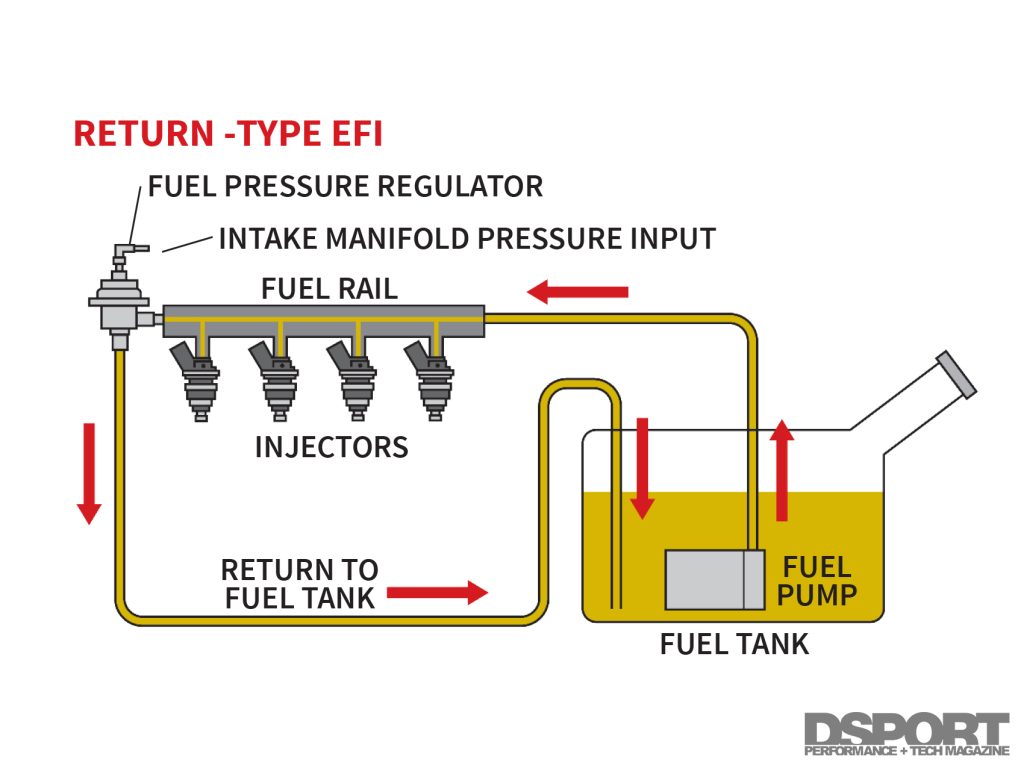
The fuel system has several important parts. Each part plays a role in moving fuel to the engine.
- Fuel Tank: Stores the fuel safely.
- Fuel Pump: Moves fuel from the tank to the engine.
- Fuel Filter: Cleans the fuel by removing dirt.
- Fuel Injectors: Spray fuel into the engine’s air stream.
- Carburetor (in older cars): Mixes fuel and air before entering the engine.
- Fuel Lines: Carry fuel between parts of the system.
Credit: medium.com
Types Of Fuel Systems
The fuel system in a vehicle moves fuel from the tank to the engine. It mixes fuel with air for combustion. Different systems deliver fuel in different ways.
There are several types of fuel systems. Each system has its own way of supplying fuel to the engine. The main types are carbureted systems, fuel injection systems, and direct injection systems.
Carbureted Systems
Carbureted systems mix air and fuel before sending it to the engine. A carburetor uses suction to pull fuel into the airflow. It controls the air-fuel mix by adjusting the throttle.
- Simple design and easy to repair
- Less efficient fuel use
- More pollution compared to modern systems
- Common in older vehicles
Fuel Injection Systems
Fuel injection systems spray fuel directly into the intake air stream. They use electronic controls to manage fuel delivery. This system improves engine performance and fuel efficiency.
| Type | Fuel Delivery Location | Advantages |
| Throttle Body Injection | Before intake valve | Simple and cheaper |
| Multi-Point Injection | At each intake port | Better fuel control |
Direct Injection Systems
Direct injection systems spray fuel straight into the combustion chamber. This allows better control of the fuel-air mix. Engines run cleaner and use less fuel with direct injection.
- Improved fuel efficiency
- Lower emissions
- Better engine power
- Precise fuel delivery
Fuel Delivery Process
The fuel system moves fuel from the tank to the engine. It ensures the engine gets the right amount of fuel. This process is key to engine performance and efficiency.
Each part of the fuel system has a role. Fuel moves through several components before it reaches the engine’s combustion chamber.
Fuel Tank And Pump
The fuel tank stores gasoline safely until needed. The fuel pump draws fuel from the tank and pushes it through the system. Pumps can be electric or mechanical.
- Stores fuel securely
- Prevents leaks and evaporation
- Pumps fuel to the engine
- Maintains fuel flow under pressure
Fuel Filter And Pressure Regulator
The fuel filter cleans dirt and rust from the fuel. Clean fuel protects engine parts from damage. The pressure regulator keeps fuel pressure steady for smooth engine running.
| Component | Function |
| Fuel Filter | Removes impurities from fuel |
| Pressure Regulator | Keeps fuel pressure constant |
Injectors And Combustion
Fuel injectors spray fuel into the engine’s combustion chamber. They control fuel amount and spray pattern. Proper injection helps the fuel burn fully, powering the engine.
- Improves fuel efficiency
- Reduces harmful emissions
- Ensures smooth engine operation
Common Fuel System Issues
The fuel system delivers fuel to the engine for combustion. It has many parts that can fail over time.
Knowing common problems helps keep your vehicle running smoothly and avoid breakdowns.
Clogged Fuel Filters
Fuel filters catch dirt and debris before fuel reaches the engine. A clogged filter blocks fuel flow.
- Engine runs rough or stalls
- Reduced fuel efficiency
- Hard starting or no start
- Loss of power under load
Replacing the fuel filter regularly prevents these problems and protects other fuel system parts.
Faulty Fuel Pumps
The fuel pump moves fuel from the tank to the engine. A bad pump causes low fuel pressure.
| Symptom | Cause | Effect |
|---|---|---|
| Engine sputters | Weak pump motor | Irregular fuel supply |
| Engine stalls at high speeds | Pump overheating | Fuel flow stops |
| No start | Pump failure | No fuel delivery |
Testing fuel pressure can confirm if the pump needs repair or replacement.
Injector Problems
Fuel injectors spray fuel into the engine in precise amounts. Dirty or faulty injectors cause poor spray.
- Rough idling
- Poor acceleration
- Increased emissions
- Engine misfires
Cleaning or replacing injectors restores proper fuel delivery and engine performance.
Maintenance Tips
The fuel system keeps your engine running smoothly. Good care helps avoid breakdowns. Regular maintenance saves money and time.
This guide covers three key tips. Follow them to keep your fuel system in top shape.
Regular Fuel Filter Replacement
The fuel filter stops dirt and rust from reaching the engine. A clogged filter lowers performance and can cause damage. Change it at the intervals in your vehicle manual.
- Check the filter every 10,000 miles or as advised.
- Use the right filter type for your model.
- Replace the filter if you notice poor engine power or stalling.
- Have a professional replace it if unsure how to do it safely.
Using Quality Fuel
Good fuel protects your engine and fuel system parts. Low-quality fuel can cause deposits and damage. Choose fuel with recommended octane rating and additives.
| Fuel Type | Benefit |
| Regular unleaded | Cost-effective and commonly used |
| Premium unleaded | Better for high-performance engines |
| Fuel with detergents | Keeps injectors clean |
| Diesel (for diesel engines) | Provides better combustion and power |
Periodic System Inspections
Regular checks help spot issues early. Inspect hoses, connections, and fuel lines for leaks or cracks. Clean fuel injectors keep fuel flow steady.
- Look for leaks or damage in fuel lines.
- Listen for unusual engine sounds.
- Test fuel pressure with proper tools.
- Clean or replace fuel injectors as needed.
- Check the fuel pump’s operation regularly.

Credit: www.g2dieselproducts.com
Advancements In Fuel Systems
The fuel system helps deliver fuel to an engine for power. Over time, it has changed with new technology. These advancements make engines work better and cleaner.
Two key areas of improvement are Electronic Fuel Injection and Hybrid and Alternative Fuel Systems. Each plays a role in modern vehicles.
Electronic Fuel Injection
Electronic Fuel Injection (EFI) replaces older carburetor systems. EFI uses sensors and computers to control fuel delivery. This leads to better fuel efficiency and lower emissions.
- Improves engine start in cold weather
- Adjusts fuel based on engine needs
- Reduces fuel waste
- Enhances engine performance
Hybrid And Alternative Fuel Systems
Hybrid systems combine gasoline engines with electric motors. This reduces fuel use and pollution. Alternative fuels like ethanol and hydrogen also offer cleaner options.
| Fuel Type | Benefit | Common Use |
| Gasoline-Electric Hybrid | Lower fuel consumption | Passenger cars |
| Ethanol | Renewable and cleaner | Flexible fuel vehicles |
| Hydrogen | Zero emissions | Fuel cell vehicles |
| Electric | No fuel needed | Battery electric vehicles |

Credit: www.trucksales.com.au
Frequently Asked Questions
What Is A Fuel System In A Vehicle?
A fuel system stores and supplies fuel to the engine. It ensures efficient combustion and optimal performance. Components include the fuel tank, pump, filter, and injectors. Proper maintenance is crucial for engine efficiency and longevity.
How Does A Fuel System Work?
The fuel system delivers fuel from the tank to the engine. The pump moves fuel through lines to injectors. Injectors spray fuel into combustion chambers. This mixture ignites, powering the engine.
What Are Common Fuel System Problems?
Common issues include clogged filters, fuel leaks, and malfunctioning pumps. These can cause poor engine performance. Regular maintenance and timely repairs prevent these problems, ensuring efficient operation.
Why Is Fuel System Maintenance Important?
Regular maintenance ensures efficient fuel delivery and engine performance. It prevents clogs and leaks, reducing repair costs. Proper upkeep enhances fuel efficiency and extends engine life.
Conclusion
The fuel system keeps your engine running smoothly. It moves fuel from the tank to the engine. Each part plays a key role in this process. Clean fuel and a working system save money and time. Regular checks help avoid breakdowns and costly repairs.
Knowing how it works helps you spot problems early. A healthy fuel system means better car performance and less pollution. Keep it simple, keep it clean, and your vehicle will thank you.