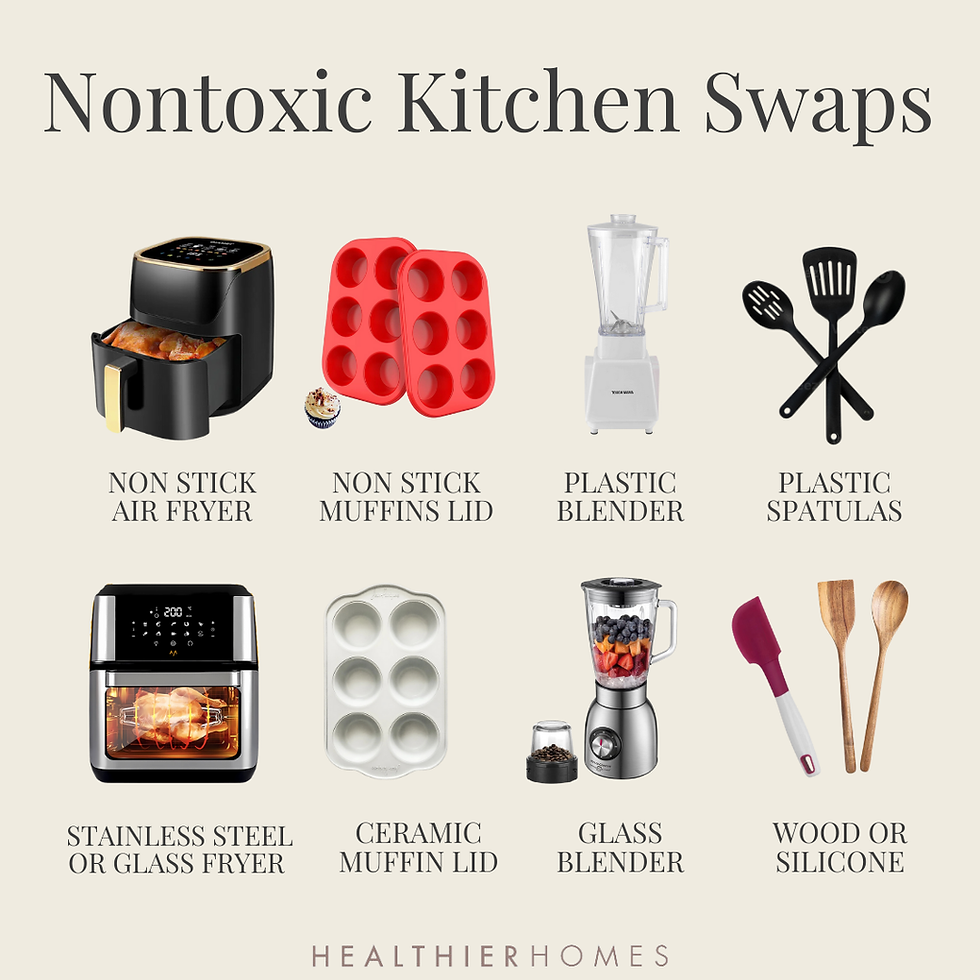
When it comes to cooking, the pots and pans you use matter more than you might think. What if the material of your cookware could affect not just the taste of your food but also your health?
Choosing the healthiest pots and pans can protect you from harmful chemicals and keep your meals nutritious. Are you curious about which materials are safest and best for your kitchen? Keep reading to discover the top choices that can make a real difference in your cooking and wellbeing.
Common Cookware Materials
Choosing the right material for pots and pans is important for health. Different materials affect cooking and food safety.
This guide explains common cookware materials and their health features. It helps you pick safe options for your kitchen.
Stainless Steel
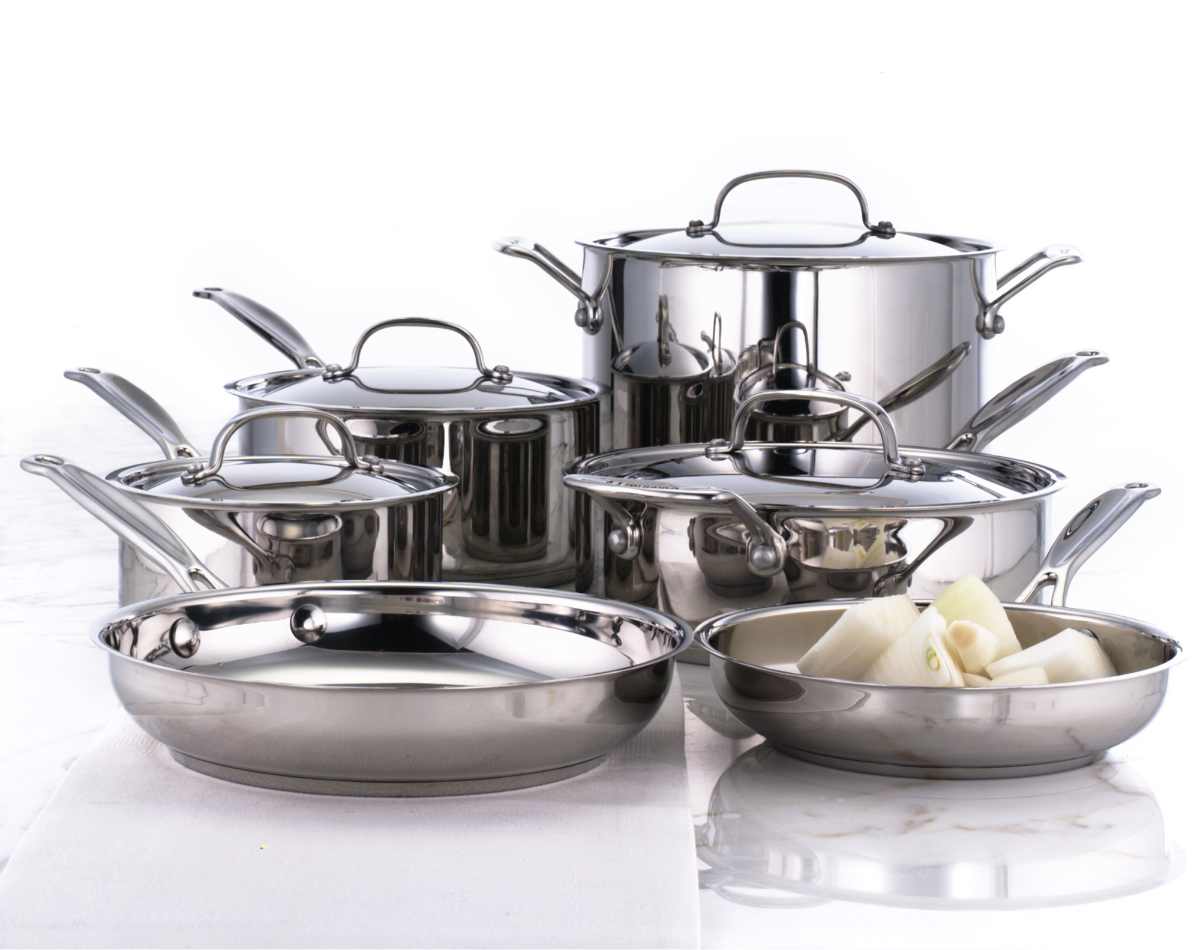
Stainless steel is a popular cookware choice. It does not react with food and is very durable.
This material is easy to clean and does not release harmful chemicals. It works well for most cooking tasks.
Cast Iron
Cast iron is known for excellent heat retention. It can add small amounts of iron to food, which is healthy.
It needs seasoning to keep its surface nonstick. Proper care prevents rust and keeps it safe for cooking.
Nonstick Coatings
Nonstick pans help cook with less oil. Some coatings can release harmful chemicals if overheated.
Choose nonstick cookware made without PFOA or PTFE. Use low to medium heat to stay safe.
Ceramic
Ceramic cookware has a natural nonstick surface. It does not release toxins during cooking.
Ceramic pots and pans heat evenly and are easy to clean. They are good for healthy cooking methods.
Copper
Copper cookware heats quickly and evenly. It can react with acidic foods, so it often has a lining.
The lining is usually stainless steel or tin. Properly lined copper pots are safe and effective for cooking.
Aluminum
Aluminum heats fast but can react with some foods. Anodized aluminum is safer and more durable.
Anodized aluminum has a hard surface that stops food contact with metal. It is a good option for healthy cooking.
Credit: www.lemon8-app.com
Health Benefits And Risks
Choosing the right material for pots and pans affects your health. Some materials can leach harmful substances into food. Others may cause allergies or require special care.
Knowing the health benefits and risks helps you pick safer cookware. This guide covers toxins, allergies, and durability of common materials.
Potential Toxins And Leaching
Some pots and pans release chemicals when heated. These substances can enter your food and harm your body over time.
- Non-stick coatings may release toxic fumes if overheated.
- Aluminum pans can leach metal into acidic foods.
- Copper cookware often has a protective lining to prevent leaching.
- Cast iron can add beneficial iron but may leach if not properly seasoned.
- Stainless steel is generally safe and resists leaching.
Allergy And Sensitivity Concerns
Some people may react to metals in cookware. Nickel and other metals can cause skin and digestive allergies.
| Material | Common Allergies |
| Stainless Steel | Nickel sensitivity |
| Copper | Rare metal allergies |
| Aluminum | Rare, possible skin irritation |
| Cast Iron | Generally low risk |
| Non-stick (PTFE) | Fumes can irritate lungs |
Durability And Maintenance
Cookware needs care to stay safe and last long. Some materials scratch easily or need seasoning. Others are dishwasher safe and strong.
- Cast iron is durable but needs regular seasoning to prevent rust.
- Stainless steel resists scratches and cleans easily.
- Non-stick pans wear out faster and can chip.
- Aluminum is lightweight but can dent and discolor.
- Copper requires polishing to keep its look and performance.
Best Materials For Safe Cooking
Choosing the right material for pots and pans helps keep cooking safe and healthy. Different materials affect how food cooks and how safe it is.
We will look at non-toxic surfaces, heat distribution, and how easy it is to clean and care for your cookware.
Non-toxic Surface Options
Cookware made from non-toxic materials avoids harmful chemicals in your food. Some common safe materials include stainless steel, cast iron, and ceramic.
- Stainless Steel:Durable and does not leach chemicals.
- Cast Iron:Adds iron to food and is naturally non-stick when seasoned.
- Ceramic:A natural, non-reactive surface without toxic coatings.
- Glass:Safe for baking and does not react with food.
Heat Distribution And Cooking Efficiency
Even heat helps food cook well without burning. Some materials heat faster or spread heat better than others.
| Material | Heat Distribution | Cooking Efficiency |
| Aluminum | Excellent | Heats quickly |
| Cast Iron | Good | Retains heat well |
| Stainless Steel | Poor alone | Better with layered base |
| Ceramic | Moderate | Heats evenly but slower |
Ease Of Cleaning And Care
Cookware that is easy to clean saves time and lasts longer. Some materials need special care to keep their surface safe.
- Stainless Steel:Easy to clean and dishwasher safe.
- Cast Iron:Requires seasoning and hand washing only.
- Ceramic:Usually dishwasher safe but avoid harsh scrubbers.
- Non-stick Coatings:Clean gently to avoid damage and chemical release.
Environmental Impact Of Cookware
Choosing healthy pots and pans also means thinking about the environment. Cookware materials affect nature from start to finish. This includes how raw materials are taken, made, and thrown away.
We will look at how cookware impacts the environment through its materials, making process, and disposal.
Sustainability Of Raw Materials
The materials used in pots and pans come from nature. Some are easy to find and renew, others are rare and take a long time to grow back. Sustainable materials cause less harm to the earth.
For example, stainless steel uses metal that can be mined many times. Cast iron is also durable and comes from common materials. Non-stick coatings may use chemicals that are bad for the environment.
- Choose metals that are common and recyclable
- Avoid materials with harmful chemicals
- Look for natural or low-impact materials
Manufacturing Processes
How pots and pans are made affects the environment. Some methods use a lot of energy and water. Others create pollution and waste. Cleaner processes help reduce harm to the planet.
For example, casting metals uses heat and power but lasts long. Coating pans with chemicals may add pollution. Some factories now use green energy and recycle waste to help nature.
- Energy use in factories impacts pollution
- Water use and waste affect local areas
- Cleaner technology lowers environmental damage
Recycling And Disposal
Cookware can last many years but will end up as waste. Some materials are easy to recycle, like metals. Others, like some non-stick coatings, are hard to recycle and may pollute landfills.
Recycling metals reduces the need to mine new materials. Throwing away pans with harmful coatings can release toxins. Proper recycling helps protect the environment and saves resources.
- Metals like steel and iron are recyclable
- Avoid pans with coatings that can’t be recycled
- Check local recycling rules for cookware
Choosing Cookware For Your Needs
Picking the healthiest material for pots and pans depends on your cooking habits. Different materials offer safety, durability, and ease of use.
Think about what you cook often and how much you use your cookware. This helps find the best option for your kitchen.
Cooking Style And Frequency
Your cooking style affects the best material for your pots and pans. Some materials heat quickly, others hold heat longer.
If you cook every day, choose durable and easy-to-clean cookware. For slow cooking, materials that keep heat steady work well.
- Stainless steel works well for searing and sautéing
- Ceramic is good for low to medium heat cooking
- Cast iron is best for slow cooking and frying
- Nonstick pans suit quick, easy meals
Budget Considerations
Your budget will guide which cookware materials you can afford. Some last longer but cost more upfront.
Affordable options work fine if you cook less often. Investing in quality cookware saves money over time.
- Aluminum pans are usually less expensive
- Stainless steel offers good value for money
- Cast iron is affordable and very durable
- Ceramic can be mid-range or pricey
Compatibility With Cooktops
Make sure your pots and pans work with your cooktop type. Not all materials heat well on every stove.
Check if the cookware is safe for gas, electric, induction, or ceramic stoves before buying.
- Cast iron and stainless steel work on induction and gas
- Aluminum and copper may need a special base for induction
- Nonstick pans usually work on electric and gas cooktops
- Ceramic cookware fits electric and gas stoves well
Credit: healthytasteoflife.com

Credit: www.youtube.com
Frequently Asked Questions
What Are The Safest Materials For Cookware?
Stainless steel, cast iron, and ceramic are considered safe materials. They are free from harmful chemicals and offer durability. These materials ensure even heat distribution and are less likely to leach toxins into food. Always choose high-quality options for the best results.
Is Ceramic Cookware Non-toxic?
Yes, ceramic cookware is non-toxic and safe for cooking. It is free from harmful chemicals like PFOA and PTFE. Ceramic provides a non-stick surface, making it an excellent choice for healthy cooking. Ensure it’s 100% ceramic for maximum safety benefits.
How Does Stainless Steel Benefit Health?
Stainless steel is non-reactive and doesn’t leach chemicals into food. It’s durable, easy to clean, and promotes even heat distribution. This material is ideal for various cooking methods, ensuring food remains healthy. Opt for high-grade stainless steel for optimal results.
Are Cast Iron Pans Good For Health?
Yes, cast iron pans are beneficial for health. They naturally release iron, an essential nutrient, into food. Cast iron is durable, retains heat well, and is free from harmful coatings. Proper seasoning prevents rust and enhances its non-stick properties, making it a safe choice.
Conclusion
Choosing healthy pots and pans helps keep your food safe. Materials like stainless steel and cast iron offer good health benefits. Avoid cookware that can release harmful chemicals when heated. Cleaning and caring for your pots properly also matters. Your cooking tools affect the taste and quality of meals.
Pick materials that last long and suit your cooking style. Remember, simple choices lead to healthier eating habits. Cook with care and enjoy meals that nourish your body.