
Have you ever wondered how long your trusty microwave oven will keep serving you those quick meals and late-night snacks? You’re not alone.
Many of us rely heavily on this kitchen staple, but few actually know its expected lifespan. Understanding how long your microwave is likely to last can save you from unexpected breakdowns and help you plan better. Is it time to start budgeting for a new one, or can your microwave keep going strong for years to come?
Let’s dive into what factors influence the life expectancy of a microwave oven and how you can extend its life. Keep reading to learn everything you need to know about getting the most out of this essential appliance.

Credit: www.searshomeservices.com
Microwave Oven Lifespan
Understanding the lifespan of your microwave oven helps you plan replacements and avoid unexpected breakdowns. Microwaves are essential in most kitchens, but their durability varies widely. Knowing what to expect can save you time, money, and frustration.
Average Years Of Use
Most microwave ovens last between 7 to 10 years under typical household use. Some high-quality models can exceed this range, reaching up to 12 years or more. If your microwave starts showing signs of wear before 7 years, it might be due to specific factors affecting its longevity.
Have you noticed your microwave taking longer to heat food or making unusual noises? These signs often indicate it’s nearing the end of its effective lifespan.
Factors Influencing Longevity
Several key factors impact how long your microwave will last:
- Usage Frequency:Using your microwave multiple times daily can shorten its lifespan compared to occasional use.
- Power Level:Consistently using high power settings can cause more wear on internal components.
- Maintenance:Regular cleaning and prompt repairs can extend your microwave’s life significantly.
- Build Quality:Well-made microwaves from reputable brands tend to last longer.
- Environmental Conditions:Excess moisture, heat, or dust around the appliance can accelerate deterioration.
Think about how you use your microwave daily. Are you treating it gently or pushing it to its limits? Adjusting your habits could add years to your microwave’s service life.

Credit: www.magnet.co.uk
Signs Of Microwave Wear
Microwaves do not last forever. Over time, signs of wear appear. These signs show the microwave is aging or may need repair. Spotting these signs early helps avoid bigger problems. Knowing what to watch for keeps your kitchen safe and your meals hot.
Common Malfunctions
- Microwave does not start or stops suddenly
- Turntable stops spinning or wobbles
- Door latch fails to close properly
- Unusual noises like buzzing or humming
- Microwave sparks or shows small fires inside
- Control panel buttons stop responding
- Display screen fades or shows errors
Performance Decline Indicators
- Food heats unevenly or takes longer
- Microwave smells burnt during use
- Power levels do not adjust correctly
- Microwave overheats quickly
- Steam or smoke builds up inside
- Light inside the microwave flickers or is dim
Maintenance Tips
Proper maintenance is key to extending the life expectancy of your microwave oven. Simple daily habits can prevent costly repairs and keep your microwave running efficiently. Paying attention to how you clean and handle your microwave will save you time and money in the long run.
Cleaning Best Practices
Regular cleaning prevents food buildup that can damage your microwave’s interior and affect its performance. Use a damp cloth with mild soap to wipe down the inside after each use. Avoid harsh chemicals that can corrode the surfaces or leave harmful residues.
Steam cleaning is a great trick: place a bowl of water with lemon juice inside and run the microwave for a few minutes. The steam loosens grime, making it easier to wipe away. This also helps eliminate unpleasant odors without scrubbing hard.
Avoiding Common Damage
Microwaves are sensitive to certain types of damage that can shorten their lifespan. Never operate the microwave when it’s empty; this can cause the magnetron to overheat and fail. Using metal containers or foil inside can cause sparks and serious internal damage.
Watch out for slamming the door shut or forcing it open—this can break the latch or damage the seal, leading to inefficient heating. Also, avoid placing heavy objects on top of the microwave, as this can affect ventilation and cause overheating.
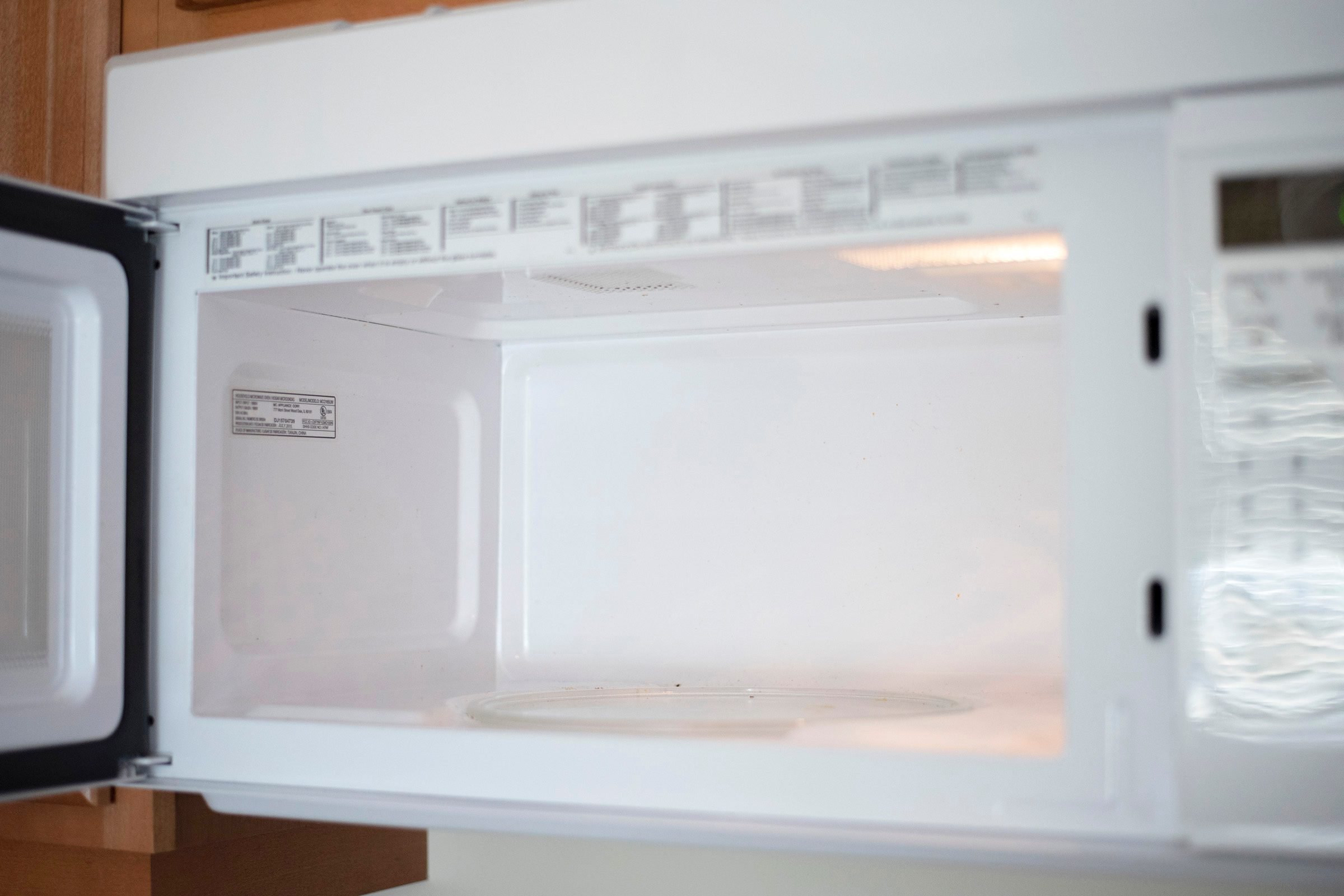
Credit: www.rd.com
Repair Vs Replacement
Deciding whether to repair or replace your microwave oven can be tricky. Microwaves typically last around 7 to 10 years, but issues can arise before or after that timeframe. Understanding when it’s worth fixing and when it’s smarter to get a new one can save you time, money, and frustration.
When To Repair
Consider repair if the microwave is relatively new and the problem is minor. Small issues like a faulty door latch or a broken turntable motor can often be fixed quickly and affordably.
Ask yourself: Does the repair cost less than half the price of a new microwave? If yes, repairing might be your best bet. Also, if you have a high-end model with special features, repair can preserve those benefits.
Think about the inconvenience of being without your microwave during the repair time. If you rely on it daily, a quick fix might be essential.
When To Replace
Replacement makes sense if the microwave is old and starts showing multiple problems. Frequent breakdowns signal that the appliance is nearing the end of its life.
Also, if the repair cost approaches or exceeds 50% of a new microwave’s price, investing in a new one is smarter. New models often have better energy efficiency and updated safety features.
Consider your usage habits. If your microwave is your kitchen workhorse, replacing it ensures reliability and peace of mind. Would you rather patch up an old appliance or enjoy the convenience of a fresh, efficient model?
Extending Microwave Life
Extending the life of your microwave oven is not just about saving money—it’s about getting the most value and convenience from a device you rely on daily. Small changes in how you use and maintain your microwave can significantly impact its longevity. Are you unknowingly shortening your microwave’s lifespan?
Proper Usage Habits
How you use your microwave matters more than you might think. Avoid running it empty; microwaving without food or liquid can cause serious damage to the magnetron, the part that generates heat.
Use microwave-safe containers only. Plastic containers not designed for microwave use can melt or release harmful chemicals, which affects both your food and the microwave’s interior.
Keep the door closed firmly and avoid slamming it. A damaged door or faulty seal lets microwaves escape, reducing efficiency and risking safety.
Regular Inspections
Don’t wait until your microwave stops working to check on it. Regular inspections help catch small issues before they become costly repairs.
- Clean the inside regularly to prevent food buildup that can cause sparks or uneven heating.
- Check the door seal for cracks or wear; a tight seal maintains proper microwave function.
- Listen for unusual noises during operation—buzzing or humming can signal mechanical problems.
- Inspect the turntable to ensure it rotates smoothly, helping food cook evenly and reducing motor strain.
Have you ever noticed a faint burning smell or flickering light inside your microwave? These signs shouldn’t be ignored as they could hint at electrical issues. Taking a few minutes each month to look over your microwave can keep it running longer and safer.
Microwave Models And Durability
Microwave ovens vary widely in design and build quality. Different models offer different levels of durability. Knowing these differences helps you choose a microwave that lasts longer. Durability depends on the brand, materials, and internal parts. Some microwaves are made for light use, while others handle heavy daily use. This section explores how models affect lifespan and what features to watch for.
Comparing Brands
Top brands build microwaves with different quality standards. Premium brands use stronger materials and better electronics. Budget brands may cut corners to lower prices. Brand reputation often reflects product durability. Some brands offer longer warranties, showing confidence in their products. Customer reviews also reveal common issues and lifespan expectations. Choosing a brand with good customer support helps if repairs are needed.
Features That Affect Lifespan
Certain features in microwaves impact how long they last. Mechanical parts like turntables and buttons wear out faster than touch controls. Models with simple designs usually last longer. High power microwaves generate more heat, which can reduce lifespan. Advanced features like sensor cooking add complexity and potential repair points. Stainless steel interiors resist wear better than painted ones. Checking these features helps pick a microwave with better durability.
Frequently Asked Questions
What Is The Average Lifespan Of A Microwave Oven?
The average microwave oven lasts about 7 to 10 years with regular use. Proper maintenance can extend its life.
How Do I Know When My Microwave Needs Replacing?
Signs include uneven heating, strange noises, or failure to start. Frequent repairs may also indicate replacement is needed.
Can Regular Cleaning Extend Microwave Oven Life?
Yes, regular cleaning prevents food buildup and damage. It helps maintain efficiency and prolongs the microwave’s lifespan.
Does Brand Affect A Microwave’s Life Expectancy?
Yes, reputable brands often use higher quality parts, leading to longer lifespan and better reliability.
Conclusion
Microwave ovens usually last about 7 to 10 years. Proper care can help extend their life. Regular cleaning and avoiding metal inside keeps them safe. Watch for signs like strange noises or poor heating. These may mean it’s time for a replacement.
Choosing a good brand also affects how long it works. Remember, using your microwave correctly saves money and effort. A well-maintained microwave serves your kitchen for many years.