Are you curious about what makes an inverter air conditioner different from regular ones? Understanding the meaning of an inverter air conditioner can change the way you think about cooling your home.
It’s not just a fancy term—this technology can save you money, reduce energy use, and keep your space comfortable all year round. If you want to know how an inverter air conditioner works and why it might be the best choice for your home, keep reading.
This simple explanation will help you make smarter decisions for your comfort and your budget.
Inverter Ac Basics
An inverter air conditioner uses a special technology to save energy. It adjusts the compressor speed to keep the room temperature steady.
This type of AC is different from regular air conditioners that turn on and off repeatedly. Inverter ACs work more smoothly and use less power.
How Inverter Technology Works
The inverter controls the speed of the compressor motor. It changes the speed based on the cooling needs of the room.
This means the AC can run faster or slower instead of stopping and starting. It keeps the temperature more stable and saves electricity.
- The compressor runs at variable speeds
- Temperature stays constant without big changes
- Less energy is used compared to on/off cycling
- Less noise because it does not switch on and off often
Difference Between Inverter And Non-inverter Ac
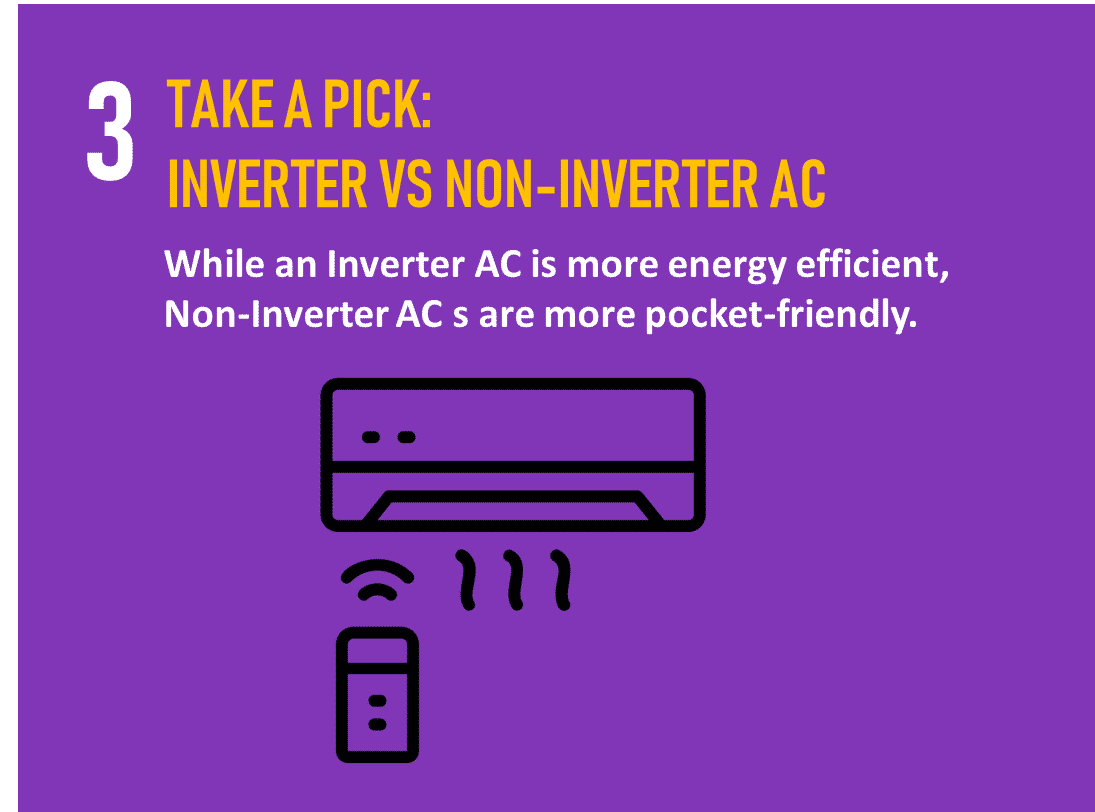
Non-inverter ACs turn the compressor motor on and off to control temperature. This causes more energy use and noise.
Inverter ACs change the compressor speed to keep the temperature steady. They use less energy and run quietly.
| Feature | Inverter AC | Non-Inverter AC |
|---|---|---|
| Compressor Operation | Variable speed | Fixed speed (on/off) |
| Energy Efficiency | Higher | Lower |
| Noise Level | Lower | Higher |
| Temperature Control | Stable | Fluctuates |
Credit: www.airflowdesigns.com
Benefits Of Inverter Air Conditioners
Inverter air conditioners use advanced technology to control the compressor speed. This helps keep the room temperature steady.
They offer many benefits compared to traditional air conditioners. These benefits include saving energy and operating quietly.
Energy Efficiency
Inverter air conditioners adjust their power based on the room’s needs. They do not turn on and off repeatedly.
This steady operation uses less electricity. It helps reduce energy waste and lowers your electric bill.
Cost Savings
Using less electricity means you save money on energy bills. Inverter air conditioners also reduce wear and tear on parts.
- Lower electricity consumption
- Reduced maintenance costs
- Less frequent repairs needed
Quieter Operation
These air conditioners run smoothly and quietly. The compressor does not switch on and off loudly.
Noise Level Comparison (in decibels):
| Type | Noise Level (dB) |
|---|---|
| Traditional AC | 55-65 |
| Inverter AC | 35-45 |
Longer Lifespan
Inverter air conditioners experience less stress on components. The compressor runs at variable speeds instead of full power all the time.
This reduces wear and tear. It helps the air conditioner last longer and work better over time.
Types Of Inverter Air Conditioners
Inverter air conditioners save energy by adjusting compressor speed. They keep the room temperature steady and use less power.
There are different types of inverter air conditioners. Each type fits different rooms and needs.
Split Inverter Ac
Split inverter AC has two parts: an indoor unit and an outdoor unit. The indoor unit blows cool air inside the room.
The outdoor unit contains the compressor and releases heat outside. This type is quiet and good for large rooms.
Window Inverter Ac
Window inverter AC combines all parts in one box. It fits in a window or a hole in the wall.
This type is easy to install and works well for small rooms. It saves space and cools quickly.
Portable Inverter Ac
Portable inverter AC can move from room to room. It has wheels and does not need permanent installation.
This type is good for renters or those who want cooling in different places. It is less powerful but very flexible.
Choosing The Right Inverter Ac
Inverter air conditioners save energy by adjusting compressor speed. They keep rooms comfortable without using too much power.
Choosing the right inverter AC depends on your room size, needed features, and brand trust. Consider these factors before buying.
Sizing And Capacity
Select an inverter AC with the correct capacity for your room. Too small units won’t cool well. Too large units waste energy.
- Measure the room area in square feet or meters
- Use the rule of 20 BTU per square foot for cooling
- Consider ceiling height and insulation quality
- Account for sunlight exposure and number of people
Features To Consider
Look for inverter AC features that improve comfort and efficiency. Not all models offer the same options.
| Feature | Benefit |
| Sleep Mode | Adjusts temperature for better sleep |
| Eco Mode | Reduces power consumption |
| Air Purifier | Removes dust and allergens |
| Wi-Fi Control | Control AC remotely via smartphone |
| Auto Restart | Restarts AC after power outage |
Brand And Warranty
Choose a reliable brand with good customer support. Warranty covers repairs and parts for a set time.
- Check the warranty length for compressor and parts
- Look for brands with accessible service centers
- Read user reviews about reliability and support
- Compare warranty terms before buying
Installation And Maintenance Tips
An inverter air conditioner uses advanced technology to save energy. Proper installation and care keep it working well.
Simple steps during installation and regular maintenance help avoid problems and extend the unit’s life.
Proper Installation Practices
Place the indoor unit away from direct sunlight and heat sources. This helps the AC cool better.
Ensure the outdoor unit is in a well-ventilated area. Avoid placing it near dust or smoke.
- Use the correct size pipes and cables recommended by the manufacturer
- Keep the unit level to avoid water leakage
- Seal all connections tightly to prevent gas leaks
- Hire a certified technician for installation
Regular Cleaning And Servicing
Clean the air filters every two weeks to keep air flowing freely. Dirty filters reduce cooling power.
Check the outdoor unit for leaves or debris. Clean the fins gently to avoid damage.
- Schedule a professional service once a year
- Check refrigerant levels to ensure efficient cooling
- Clean drain pipes to prevent blockages and water damage
Troubleshooting Common Issues
If the AC does not cool well, check if the filter is dirty or if doors and windows are open.
Strange noises may mean loose parts or a blocked fan. Turn off the unit and call a technician.
- The unit won’t start: check the power supply and remote control batteries
- Water leaks: inspect the drain pipe for clogs or damage
- Unusual odors: clean or replace the air filter
Credit: www.thermocool.com.ng
Inverter Ac Vs Traditional Ac Costs
Choosing between an inverter air conditioner and a traditional air conditioner involves looking at costs. The price difference is clear, but so are the savings over time. Understanding these costs helps you make a smart choice.
Initial Investment
Inverter air conditioners usually cost more to buy than traditional models. The technology inside inverter ACs is more advanced. This means a higher upfront price. Traditional ACs are cheaper but use older technology.
- Inverter AC price is about 20% to 40% higher than traditional AC.
- Installation for inverter AC may cost more due to complex parts.
- Traditional ACs have lower initial costs and simpler installation.
Running Costs Over Time
Inverter ACs use less electricity because they adjust their speed. Traditional ACs run at full power and turn off when the room cools. This on-off cycle uses more energy over time.
| Type | Energy Consumption | Estimated Monthly Cost |
|---|---|---|
| Inverter AC | Low (Adjusts speed) | $30 – $50 |
| Traditional AC | High (Full power on/off) | $50 – $70 |
Return On Investment
Even though inverter ACs cost more at first, they save money on electricity bills. Over time, these savings can cover the higher price. Traditional ACs cost less upfront but may have higher bills.
- Calculate your monthly electricity savings with an inverter AC.
- Compare these savings to the price difference between the two types.
- Decide how long you plan to use the AC to see if savings are worth it.

Credit: oxygendigitalshop.com
Frequently Asked Questions
What Is An Inverter Air Conditioner?
An inverter air conditioner adjusts compressor speed to control temperature efficiently. It uses less energy than traditional ACs. This technology provides consistent cooling and reduces power consumption, saving electricity bills.
How Does An Inverter Ac Save Energy?
Inverter ACs save energy by varying compressor speed. They avoid the frequent start-stop cycles of conventional ACs. This leads to steady temperature control and significant electricity savings over time.
Is Inverter Ac Better Than Non-inverter Ac?
Yes, inverter ACs offer better energy efficiency and quieter operation. They provide faster cooling and maintain consistent temperatures. Non-inverter ACs consume more power and cause temperature fluctuations.
Why Is Inverter Technology Popular In Air Conditioners?
Inverter technology is popular for its energy efficiency and cost-effectiveness. It improves cooling performance and extends the AC’s lifespan. Consumers prefer it for reduced electricity bills and eco-friendly operation.
Conclusion
An inverter air conditioner saves energy by adjusting its speed. It cools rooms quietly and keeps temperature steady. This type of AC uses less power than traditional models. It helps reduce electricity bills and is better for the environment. Understanding how it works can guide your choice.
Choosing an inverter AC means comfort and savings. Simple technology with clear benefits. A smart option for any home or office.