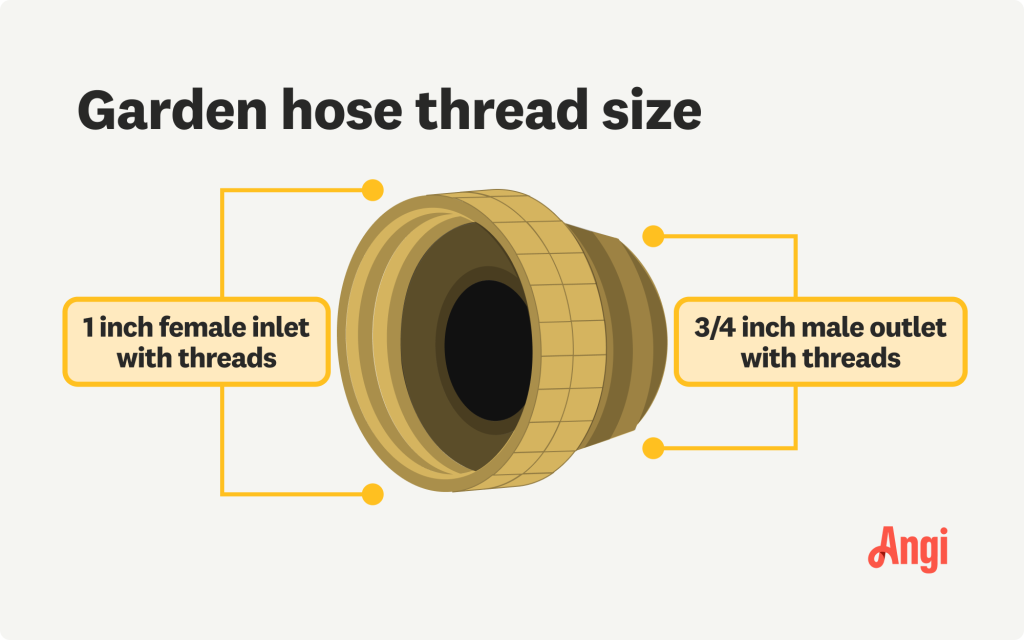
Have you ever struggled to connect your garden hose to a faucet or sprinkler, only to find the fitting doesn’t quite match? Knowing the size of a garden hose fitting can save you time, money, and frustration.
Whether you’re watering your plants, washing your car, or setting up a new irrigation system, getting the right fit is essential for smooth water flow. You’ll discover exactly what garden hose fittings are, the common sizes you’ll encounter, and how to choose the perfect one for your needs.
Keep reading to make sure your garden hose setup works perfectly every time.
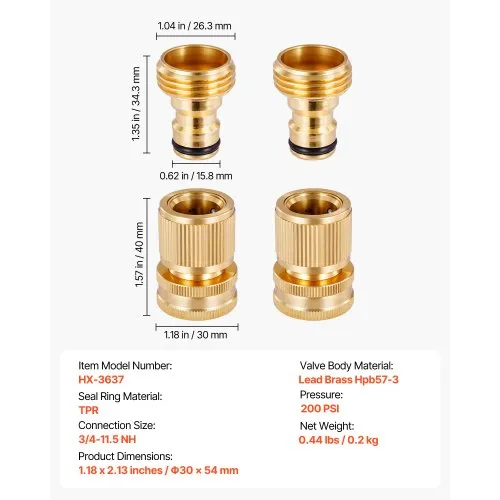
Credit: www.vevor.com
Common Garden Hose Sizes
Garden hoses come in different sizes to fit many uses. Knowing the right size helps you pick the right hose and fittings.
Size usually means the diameter and length of the hose. Both affect water flow and how easy it is to use.
Standard Diameter Options
Garden hoses have common diameters that fit most fittings. The size is measured in inches.
The main diameter sizes are 1/2 inch, 5/8 inch, and 3/4 inch. Each size works for different tasks.
- 1/2 inch:Good for light watering and small gardens.
- 5/8 inch:Most popular size for general watering and lawn care.
- 3/4 inch:Used for heavy-duty watering and long distances.
Length Variations
Garden hoses come in many lengths. The length affects how far you can water.
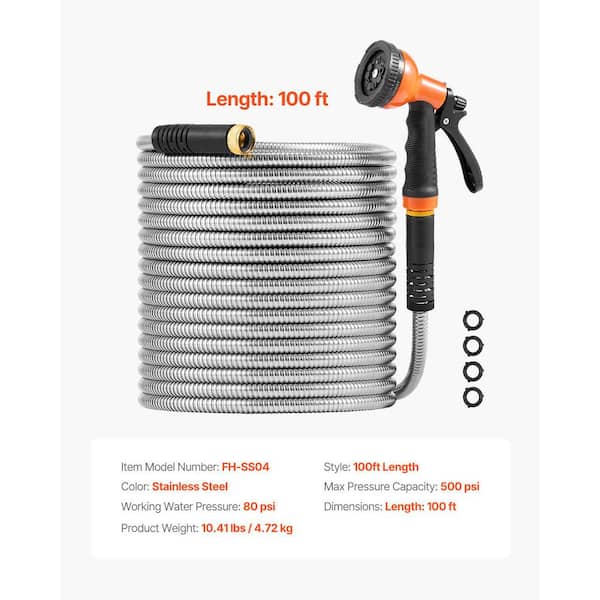
Common lengths range from 25 feet to 100 feet. Longer hoses can reach farther but may reduce water pressure.
- 25 feet: Easy to store and good for small areas.
- 50 feet: Standard length for most homes.
- 75 feet: Good for larger yards and gardens.
- 100 feet: Best for very large areas or hard-to-reach spots.
Types Of Garden Hose Fittings
Garden hose fittings connect hoses to water sources or tools. They come in different styles to fit needs.
Choosing the right fitting type helps water flow and hose use. Let’s explore common types of fittings.
Threaded Fittings
Threaded fittings have screw threads to secure the connection. They are common in garden hoses.
These fittings usually follow a standard size of 3/4 inch diameter. This size fits most outdoor faucets.
Threaded fittings are strong and prevent leaks when tightened well. They require manual screwing.
Quick Connect Fittings
Quick connect fittings allow fast attachment and removal of hoses. They do not need screwing.
- One part stays on the hose end
- The other part attaches to the water source or tool
- Push and click to connect or disconnect
These fittings save time and avoid cross-threading. They are popular for frequent hose changes.
Hose End Fittings
Hose end fittings join the hose to nozzles or sprinklers. They come in various sizes and types.
| Fitting Type | Common Size | Use |
| Male Thread | 3/4 inch | Connect to female hose ends |
| Female Thread | 3/4 inch | Attach to male hose ends or faucets |
| Barbed Fitting | Varies | Insert inside hose for tight seal |
Correct hose end fittings prevent leaks and keep water flowing well. Match the size to the hose diameter.
Measuring Hose Fitting Size
Knowing the size of your garden hose fitting helps you find the right connectors. Measuring is simple if you have the right tools. This guide explains how to measure hose fittings accurately.
We will cover what tools you need and the steps to measure the hose fitting size. Accurate measurement prevents leaks and ensures a good fit.
Tools Needed
- Ruler or tape measure
- Caliper (optional for precise measurement)
- Pen and paper to note measurements
- Clean cloth to wipe the fitting
Having these tools ready makes the measuring process easier and more accurate. A caliper is helpful but not required.
Step-by-step Measurement
| Step | What to Do | Why It Matters |
|---|---|---|
| 1 | Clean the hose fitting | Remove dirt to get clear measurements |
| 2 | Measure the outside diameter (OD) | Find the width across the outside edges |
| 3 | Measure the inside diameter (ID) | Check the space inside the fitting |
| 4 | Record thread type (male or female) | Know how the fitting connects to other parts |
| 5 | Note any special features like threads or ridges | Identify the exact fitting type for replacements |
Measure the outside diameter with a ruler or caliper. Then check the inside diameter if possible. Write down all measurements clearly.
Material Choices For Fittings
Garden hose fittings come in different materials. Each material has unique features. Choosing the right one helps your hose last longer.
Let’s look at some common materials used for garden hose fittings. We will discuss brass, plastic, and aluminum options.
Brass
Brass is a popular choice for hose fittings. It is strong and resists rust. Brass fittings last a long time and work well in many weather conditions.
Brass fittings can handle high water pressure. They also create a tight seal to stop leaks. The metal is heavy but very durable.
Plastic
Plastic fittings are lightweight and affordable. They do not rust or corrode. Plastic works well for light use or short hoses.
- Easy to handle and install
- Resistant to chemicals and corrosion
- Less durable than metal options
- Can crack in cold weather
Plastic fittings are a good choice for small gardens or temporary setups. They need careful handling to avoid damage.
Aluminum
Aluminum fittings are light and strong. They do not rust and handle pressure well. Aluminum is a good middle ground between brass and plastic.
| Material | Weight | Durability | Rust Resistance | Cost |
|---|---|---|---|---|
| Brass | Heavy | High | High | Higher |
| Plastic | Light | Low | High | Low |
| Aluminum | Light | Medium | High | Medium |
Matching Fittings To Hoses
Garden hose fittings connect hoses to faucets, nozzles, and other tools. It is important to match the fitting size with the hose size. This helps water flow smoothly and prevents damage.
Most garden hoses use standard sizes, but checking the fitting size is still necessary. Using the wrong size can cause leaks and reduce water pressure.
Compatibility Tips
Check the hose diameter before buying a fitting. Common hose sizes are 1/2 inch, 5/8 inch, and 3/4 inch. The fitting should match this diameter exactly.
Look for the fitting thread type as well. Most garden hoses use GHT (Garden Hose Thread), which is different from other plumbing threads. Using the right thread type ensures a tight fit.
- Measure hose diameter with a ruler or tape
- Choose fittings labeled for your hose size
- Use GHT fittings for garden hoses
- Check packaging for thread type information
Avoiding Leaks
Leaking fittings waste water and can cause damage. Use rubber washers inside fittings to create a tight seal. Replace washers if they look worn or cracked.
Do not overtighten fittings. Tightening too much can damage threads and cause leaks. Hand-tighten fittings and use a wrench only if needed.
- Always use rubber washers inside fittings
- Replace washers regularly to keep seals tight
- Hand-tighten fittings to avoid damage
- Check for leaks after attaching fittings

Credit: www.amazon.com
Popular Brands And Their Sizes
Garden hose fittings come in many sizes and styles. Different brands use common sizes but add unique features.
Knowing brand sizes helps you pick the right hose fitting for your garden or tools.
Brand Comparisons
Most garden hose fittings use 3/4 inch standard size. Some brands offer quick-connect options or adapters for other sizes.
| Brand | Standard Size | Additional Sizes |
|---|---|---|
| Gilmour | 3/4 inch | 1/2 inch, 5/8 inch |
| Orbit | 3/4 inch | 1/2 inch |
| Drip Depot | 3/4 inch | Various quick-connect sizes |
| Rain Bird | 3/4 inch | Adapters for 1/2 inch |
Unique Features
Different brands add features to garden hose fittings. These include easy grip handles, rust-resistant materials, and leak-proof seals.
- Gilmour offers fittings with ergonomic grips for easy use.
- Orbit focuses on durable brass fittings for long life.
- Drip Depot provides quick-connect fittings for fast hose changes.
- Rain Bird includes adapters to fit various hose sizes.
Maintenance And Replacement Tips
Garden hose fittings connect your hose to spigots or tools. Proper care helps them last longer. Knowing when to replace is important for good water flow.
Small leaks or damage can cause big problems. Use simple tips to keep fittings working well and avoid costly repairs.
Extending Fitting Life
Clean and protect your garden hose fittings to avoid rust and wear. Store hoses properly and check fittings often for damage.
- Rinse fittings with water after each use to remove dirt.
- Dry fittings to prevent rust and corrosion.
- Use silicone grease on threads to make connecting easier.
- Store hoses in shaded areas away from sun damage.
- Avoid bending the hose sharply near the fittings.
- Check washers regularly and replace if worn out.
When To Replace
Replacing fittings on time keeps your hose working well and stops leaks. Look for signs that show it is time to change the fitting.
| Sign | What it Means | Action |
| Cracks or breaks | Fitting is damaged and may leak | Replace immediately |
| Constant leaks | Washer or fitting worn out | Check washer, replace fitting if needed |
| Rust or corrosion | Metal is weakening | Replace to avoid failure |
| Difficulty connecting | Threads are stripped or damaged | Replace fitting |
Credit: www.homedepot.com
Frequently Asked Questions
What Are Standard Garden Hose Fitting Sizes?
Garden hose fittings typically come in two standard sizes: 3/4 inch and 5/8 inch. The 3/4 inch size is more common in the U. S. , while the 5/8 inch is used for smaller residential hoses. It’s essential to match the fitting size to your hose for a proper connection.
How Do I Measure Garden Hose Fittings?
To measure a garden hose fitting, use a ruler or caliper to check the diameter of the fitting’s opening. Ensure you’re measuring the internal diameter of the fitting. This will help you determine if it’s a 3/4 inch or 5/8 inch fitting.
Are Garden Hose Fittings Universal?
Garden hose fittings are not entirely universal, but 3/4 inch fittings are widely used in the U. S. for residential purposes. Always check the fitting size of your hose to ensure compatibility. Some hoses may require specific adapters to connect to certain fittings.
What Materials Are Garden Hose Fittings Made Of?
Garden hose fittings are typically made of brass, plastic, or stainless steel. Brass fittings are durable and corrosion-resistant, making them popular. Plastic fittings are lightweight and affordable but may not last as long. Stainless steel fittings offer excellent durability and resistance to corrosion.
Conclusion
Knowing the size of a garden hose fitting helps you pick the right parts. It saves time and stops leaks. Most garden hoses use standard sizes like 5/8 inch or 3/4 inch. Always check the fitting size before buying new connectors or nozzles.
This small step keeps your watering tools working well. You get a better watering experience with less hassle. Simple, clear, and easy to use—just what every gardener wants.