Have you ever struggled to find the right garden hose fitting, only to end up with leaks or a poor connection? Knowing the standard garden hose fitting size can save you time, money, and frustration.
Whether you’re watering your plants, washing your car, or setting up a sprinkler, having the correct fitting makes all the difference. You’ll discover exactly what size you need and why it matters for your garden hose setup. Keep reading to ensure your next hose connection is perfect every time.
Common Garden Hose Sizes
Garden hoses come in various sizes. Choosing the right size helps with effective watering.
Understanding hose size can improve water flow and reach. Let’s explore common options.
Diameter Options
Hose diameter affects water flow. Here are the typical sizes you’ll find.
- 1/2 inch: Suitable for light watering tasks.
- 5/8 inch: Common for home gardens, balances flow and pressure.
- 3/4 inch: Best for heavy-duty tasks, provides higher water volume.
Length Variations
Hose length affects how far you can reach. Choose based on your garden’s size.
| Length (Feet) | Suitable For |
| 25 | Small gardens or decks |
| 50 | Average-sized gardens |
| 100 | Large areas or long distances |
Consider both diameter and length when buying a garden hose. This ensures efficiency in your watering tasks.
Typical Fitting Dimensions
Garden hose fittings connect hoses to water sources or tools. They come in standard sizes for easy use.
Knowing typical fitting sizes helps you pick the right parts for your garden setup.
Thread Size Standards
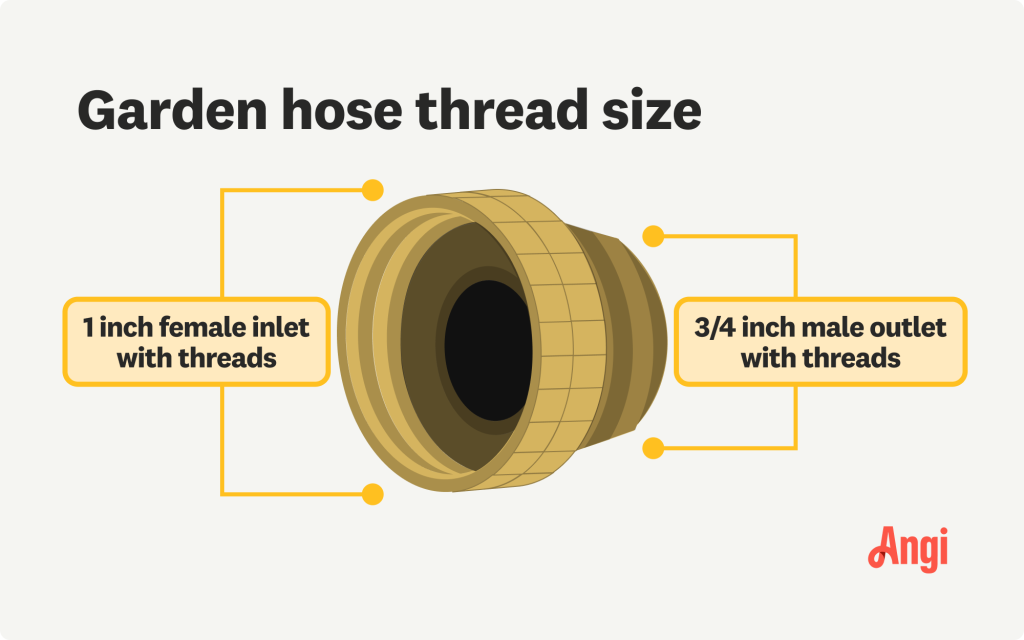
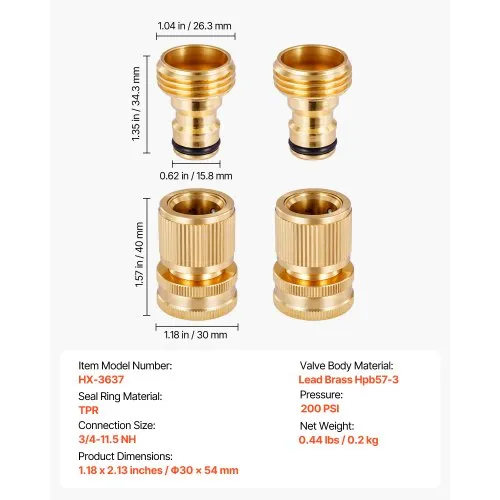
The most common thread size for garden hoses in the US is 3/4 inch. This is also called GHT or Garden Hose Thread.
| Thread Type | Diameter | Pitch |
| Garden Hose Thread (GHT) | 3/4 inch (approx. 19 mm) | 11.5 TPI (threads per inch) |
| National Pipe Thread (NPT) | Varies by size | Tapered for tight seal |
| British Standard Pipe (BSP) | Varies | Parallel or tapered |
Material Types
Garden hose fittings come in different materials. Each has benefits and fits certain needs.
- Brass:Durable and resistant to rust.
- Plastic:Lightweight and affordable but less durable.
- Aluminum:Lightweight and strong but can corrode.
- Stainless Steel:Very strong and rust-resistant.
How To Measure Hose Fittings
Knowing the right size of your garden hose fittings helps ensure a tight connection. Measuring hose fittings is easy and requires simple tools.
This guide shows the tools you need and the steps to measure hose fittings correctly.
Tools Needed
- Measuring tape or ruler
- Caliper (optional for precise measurement)
- Pen and paper to note measurements
These tools help you get exact measurements of hose fittings.
Step-by-step Process
| Step | Action | Details |
| 1 | Remove the fitting | Detach the hose fitting from the hose for accurate measuring. |
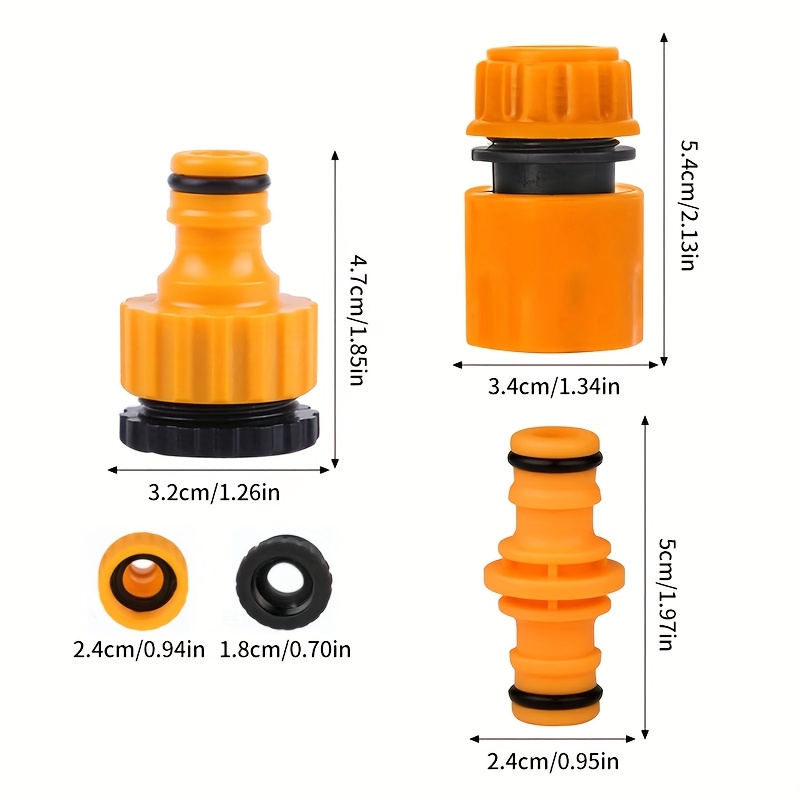
| 2 | Measure the diameter | Use a measuring tape or caliper to measure the outside diameter of the fitting’s threaded end. |
| 3 | Note the thread type | Check if the threads are male or female to match fittings properly. |
| 4 | Record the measurements | Write down the diameter and thread type for reference when buying or replacing fittings. |
Following these steps ensures you know the standard garden hose fitting size needed.
Credit: www.temu.com
Compatibility With Accessories
The standard garden hose fitting size is designed to fit many common accessories. This size helps connect your hose to different tools easily. Knowing the fitting size makes buying the right accessories simple.
Most garden hoses use a 3/4 inch diameter fitting. This size is common in nozzles, sprayers, connectors, and splitters. Using the correct fitting size ensures a tight and leak-free connection.
Nozzles And Sprayers
Nozzles and sprayers attach directly to the hose end. The standard 3/4 inch fitting allows most nozzles to fit without adapters. This size supports a secure and stable connection for watering plants or cleaning.
Sprayers come in many types, such as misting or jet sprays. The fitting size makes it easy to swap between different spray styles. This helps you choose the right spray for your task quickly.
- Standard size fits most garden nozzles
- Easy to switch between spray types
- Provides a leak-free watering experience
Connectors And Splitters
Connectors and splitters join hoses or add more water outlets. The 3/4 inch fitting size is standard for these accessories too. This size allows you to connect multiple hoses or tools without extra parts.
Splitters let you water two or more areas at once. Connectors extend hose length or link different hoses. The standard fitting keeps all parts working together without leaks.
- Connects multiple hoses easily
- Allows watering in several areas
- Standard size avoids compatibility issues
Tips For Choosing The Right Fitting
Choosing the right garden hose fitting size is important for a good water flow. The standard size is usually 3/4 inch.
Knowing what to look for helps you pick fittings that last longer and are easy to use.
Durability Factors
Durability matters because garden hose fittings face water pressure and weather changes. Strong materials last longer.
Brass fittings resist rust and cracks better than plastic ones. Look for fittings with thick walls and good seals.
- Choose brass or stainless steel for longer life
- Avoid cheap plastic fittings that break easily
- Check for tight seals to prevent leaks
- Look for corrosion-resistant coatings
Ease Of Use
Easy-to-use fittings save time and effort. Choose ones that connect and disconnect without tools.
Look for fittings with a comfortable grip and simple thread design. This helps during quick setup and storage.
- Pick fittings with smooth threading
- Use quick-connect fittings for fast changes
- Choose fittings with ergonomic grips
- Check that fittings fit your hose size perfectly

Credit: www.amazon.com
Common Issues And Fixes
Garden hoses usually have a standard fitting size, but problems can still happen. These issues can stop water flow or cause damage. Understanding common problems helps you fix them fast.
Two common problems with garden hose fittings are leaking connections and cross-threading. Both can be fixed with simple steps and tools.
Leaking Connections
Leaking happens when water escapes at the connection point. This usually means the fitting is loose or the washer is damaged. Leaks waste water and reduce pressure.
To fix leaks, first check the rubber washer inside the fitting. Replace it if it looks cracked or worn. Tighten the connection by hand, but do not use tools to avoid damage.
- Replace worn or missing washers
- Tighten fittings by hand only
- Clean dirt or debris from threads
- Use plumber’s tape for a better seal
Cross-threading Problems
Cross-threading occurs when threads do not line up correctly. This can strip the threads and cause leaks or weak connections. It happens if you force the fitting at the wrong angle.
To avoid cross-threading, start threading the fitting by hand. Turn slowly and feel for resistance. If it feels tight early, stop and realign. Do not force the fitting.
- Begin threading by hand carefully
- Stop if threads feel stuck or rough
- Realign fittings before tightening
- Replace damaged fittings if needed
Credit: www.vevor.com
Frequently Asked Questions
What Is The Standard Garden Hose Fitting Size?
The standard garden hose fitting size is 3/4 inch diameter. This size fits most garden hoses and outdoor faucets. It ensures compatibility and easy connection for watering tasks.
Are Garden Hose Fittings Universally Compatible?
Most garden hose fittings use the 3/4 inch size, making them widely compatible. However, some specialty hoses may have different sizes. Always check fitting size before buying to ensure proper connection.
Can I Use Adapters For Different Hose Fitting Sizes?
Yes, adapters can connect different hose fitting sizes. They allow using hoses with non-standard fittings on standard faucets. Adapters are affordable and easy to install for versatile watering needs.
Why Is 3/4 Inch The Garden Hose Standard Size?
3/4 inch is standard for balancing water flow and pressure. It is large enough for efficient watering but small enough for easy handling. This size has become a universal choice for garden hoses.
Conclusion
Knowing the standard garden hose fitting size helps you buy the right hose. Most hoses use a 5/8-inch fitting for easy connection. This size fits most outdoor faucets and accessories. Using the correct fitting prevents leaks and saves water. It also makes gardening tasks simpler and faster.
Keep this size in mind when shopping. Your garden tools will work better and last longer. Simple steps lead to a healthier garden and less hassle.