Ever wondered what keeps your vacuum pump running smoothly and efficiently? It’s not just the mechanics or the design; it’s something much simpler yet crucial—vacuum pump oil.
This often-overlooked component is vital in ensuring your vacuum pump performs at its best, extending its life and maintaining its efficiency. But what exactly is vacuum pump oil, and why should you care? Imagine a world where your machinery runs seamlessly without unexpected breakdowns or costly repairs.
By understanding the role and importance of vacuum pump oil, you can achieve just that. Stay with us as we unravel the secrets behind this essential lubricant and discover how it can transform the way your equipment functions.

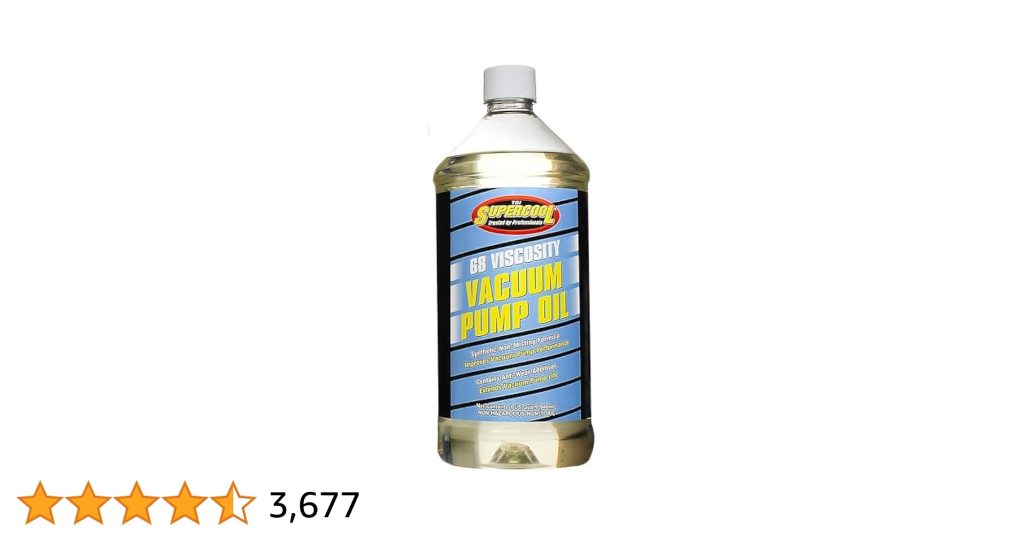
Credit: www.amazon.ca
Vacuum Pump Oil Basics
Vacuum pump oil is a special fluid made for vacuum pumps. It helps these machines work smoothly and last longer. This oil does more than just lubricate parts. It also seals gaps and removes heat. Understanding its basics can help you choose the right oil and keep your pump in good shape.
Role In Vacuum Pumps
Vacuum pump oil lubricates moving parts inside the pump. This reduces friction and wear. It also forms a seal between the pump’s moving and stationary parts. This seal helps create a strong vacuum. The oil cools the pump by carrying heat away. It also traps dirt and contaminants. Clean oil keeps the pump running efficiently and prevents damage.
Types Of Vacuum Pump Oil
There are several types of vacuum pump oil. Each has different features for specific pumps and tasks.
- Mineral Oil:Common and affordable. Works well for many pumps but breaks down faster.
- Synthetic Oil:Lasts longer and resists heat better. Ideal for high-performance pumps.
- Fluorinated Oil:Resistant to chemicals. Used in pumps handling corrosive gases.
- Food Grade Oil:Safe for pumps in food and pharmaceutical industries.
Choosing the right oil type keeps the pump running smoothly and extends its life.
Key Properties Of Vacuum Pump Oil
Understanding the key properties of vacuum pump oil is essential for maintaining the efficiency and longevity of your vacuum pump. The right oil ensures smooth operation, prevents damage, and adapts to the demanding conditions inside the pump. Let’s break down these critical properties so you can choose the best oil for your needs.
Viscosity And Its Impact
Viscosity measures how thick or thin the vacuum pump oil is. Oils with the correct viscosity create a tight seal and reduce friction between moving parts.
Too thick oil can cause sluggish pump performance, while too thin oil might not protect parts adequately. Have you ever noticed your pump overheating or making strange noises? It could be due to improper viscosity.
Thermal Stability
Vacuum pumps generate heat during operation, so oil must resist breaking down under high temperatures. Thermal stability means the oil stays effective without turning into sludge or losing lubricating power.
Using oil with poor thermal stability can lead to frequent maintenance and costly repairs. Think about how often you replace your oil—stable oils extend that interval and save you time.
Chemical Compatibility
The oil needs to be chemically compatible with the materials inside your pump, including seals and metals. This prevents corrosion and degradation that can damage your equipment.
Also, the oil should resist reacting with gases or contaminants entering the pump. If you work with aggressive chemicals, ask yourself: Is my oil up to the task?
Choosing The Right Oil
Choosing the right vacuum pump oil is crucial for the efficient operation and longevity of your pump. The oil acts as a lubricant, sealant, and coolant, so selecting the proper type can save you from costly repairs and downtime. Understanding the oil grades, pump compatibility, and environmental factors helps you make an informed decision tailored to your needs.
Oil Grades And Specifications
Vacuum pump oils come in different grades, mainly distinguished by their viscosity and purity. A lower viscosity oil flows easily at room temperature, which is ideal for smaller or rotary vane pumps. Higher viscosity oils suit pumps operating under heavy loads or high temperatures.
Look for oils meeting industry standards such as ISO VG ratings and those free of contaminants like acids or moisture. Synthetic oils often offer better thermal stability and longer service life compared to mineral oils. Check your pump’s manual for recommended specifications to avoid compatibility issues.
Matching Oil To Pump Type
Different vacuum pumps require specific oil types. Rotary vane pumps typically need oils with good sealing properties, while piston pumps demand oils with high lubricity. Using the wrong oil can reduce pump efficiency or cause internal damage.
For example, if you use a general-purpose oil in a high-vacuum application, it might evaporate quickly, leading to frequent top-ups and contamination. Always verify the oil type with your pump manufacturer’s guidelines to ensure optimal performance.
Environmental Considerations
Think about the environment where your pump operates. If you work in a cleanroom or a sensitive lab, low vapor pressure oils can prevent contamination. Similarly, biodegradable or less toxic oils reduce environmental impact if spills occur.
Also, consider the disposal process of used oil. Some oils require special handling and recycling due to hazardous additives. Choosing eco-friendly options not only protects your workplace but also aligns with sustainable practices.

Credit: chandlervac.com
Maintaining Oil For Peak Performance
Maintaining vacuum pump oil is essential for the pump’s efficiency and lifespan. Clean, fresh oil reduces wear and keeps the pump running smoothly. Regular checks and timely oil changes prevent damage and costly repairs. Proper care ensures the vacuum system works at peak performance.
Oil Change Intervals
Change vacuum pump oil regularly to keep it clean and effective. Follow the manufacturer’s recommended intervals for oil changes. These intervals depend on pump usage and operating conditions. Heavy use or dirty environments may require more frequent changes. Regular oil changes help maintain vacuum quality and prevent contamination.
Signs Of Oil Degradation
Watch for signs that vacuum pump oil is degrading. Dark or cloudy oil indicates contamination. A strong, unusual odor can mean oil breakdown. Increased pump noise or overheating may signal poor lubrication. Regularly inspect the oil to catch problems early and avoid pump damage.
Proper Disposal Methods
Dispose of used vacuum pump oil safely to protect the environment. Do not pour oil down drains or onto the ground. Collect used oil in sealed containers for recycling or disposal. Follow local regulations for hazardous waste handling. Responsible disposal helps prevent pollution and promotes sustainability.
Common Issues And Troubleshooting
Understanding common issues with vacuum pump oil can save you time and money. Troubleshooting these problems quickly ensures your pump runs efficiently and lasts longer. Let’s look at typical problems and practical ways to fix and avoid them.
Contamination Problems
Contamination in vacuum pump oil is one of the biggest challenges you’ll face. Dirt, moisture, and chemical residues can enter the oil during operation or handling. This degrades the oil’s performance and can cause your pump to overheat or seize.
Have you ever noticed your pump running hotter than usual or making strange noises? These often point to oil contamination. Regularly checking oil clarity and using quality filters helps catch contaminants early. Changing oil at recommended intervals also keeps your system clean.
Oil Leaks And Their Causes
Oil leaks are not just messy; they signal underlying issues. Common causes include worn seals, loose fittings, or cracks in the pump housing. Ignoring leaks can lead to low oil levels, causing poor lubrication and damage.
Take a moment to inspect your pump for oil spots or puddles around connections. Tightening fittings and replacing faulty seals often stop leaks immediately. If leaks persist, it might be time to consult a professional to avoid bigger problems.
Preventing Pump Damage
Preventing damage starts with proper oil maintenance. Using the correct oil grade and changing it before it breaks down is crucial. Old or wrong oil can cause corrosion and reduce your pump’s life drastically.
Besides oil care, avoid running your pump dry or under heavy loads for too long. These conditions stress internal parts and increase wear. Do you schedule regular maintenance checks? Consistent monitoring and timely action can save your pump from costly repairs.
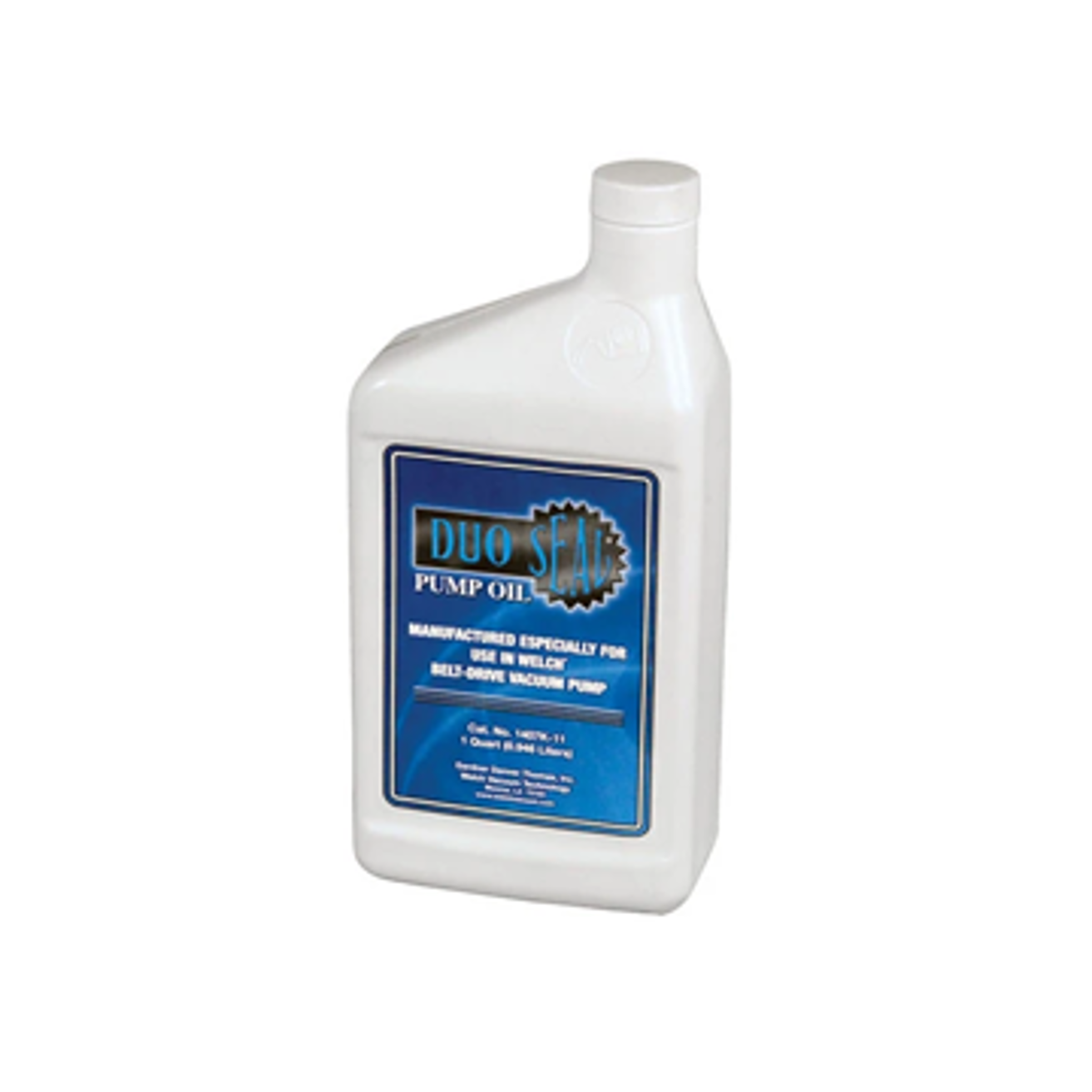
Credit: www.welchvacuum.com
Advancements In Vacuum Pump Oils
Vacuum pump oils have evolved significantly to meet modern industrial needs. New formulations offer better performance, longer life, and improved protection for vacuum pumps. These oils now handle higher temperatures and resist contamination more effectively. The advancements also focus on reducing environmental impact and enhancing energy efficiency.
Synthetic Vs Mineral Oils
Synthetic oils are man-made and designed for high performance. They offer better thermal stability and resist breakdown under heat. These oils last longer and reduce maintenance frequency. Mineral oils come from natural petroleum sources. They are less expensive but break down faster under stress. Synthetic oils improve pump efficiency and protect internal parts better. Many industries prefer synthetic oils for demanding applications.
Eco-friendly Alternatives
Eco-friendly vacuum pump oils are gaining popularity. They use biodegradable and non-toxic ingredients. These oils reduce pollution risks in case of leaks or spills. Some eco-friendly oils come from renewable resources like vegetable oils. They maintain good lubrication and protect pumps well. Switching to greener oils supports environmental goals without sacrificing performance.
Frequently Asked Questions
What Is Vacuum Pump Oil Used For?
Vacuum pump oil lubricates the pump’s moving parts. It also seals and cools the pump during operation. This oil ensures efficient vacuum generation and prolongs pump life.
How Often Should Vacuum Pump Oil Be Changed?
Vacuum pump oil should be changed every 500 to 1000 operating hours. Frequent oil changes prevent contamination and maintain pump performance. Always follow the manufacturer’s guidelines for best results.
Can I Use Regular Oil In A Vacuum Pump?
No, regular oil is not suitable for vacuum pumps. Vacuum pump oil has special properties to handle low pressure and contaminants. Using the wrong oil can damage the pump and reduce efficiency.
What Happens If Vacuum Pump Oil Is Contaminated?
Contaminated oil reduces vacuum efficiency and damages pump parts. It can cause corrosion, wear, and overheating. Regular oil checks and replacements prevent these issues and ensure smooth pump operation.
Conclusion
Vacuum pump oil plays a vital role in pump performance. It keeps the pump running smoothly and prevents damage. Choosing the right oil helps maintain vacuum strength and extends pump life. Clean oil reduces wear and stops leaks. Regular oil changes keep the pump working well.
Remember, good oil means better pump health and less downtime. Always use oil made for your pump type. Simple steps make a big difference in pump care. Take care of your vacuum pump oil, and your system will thank you.