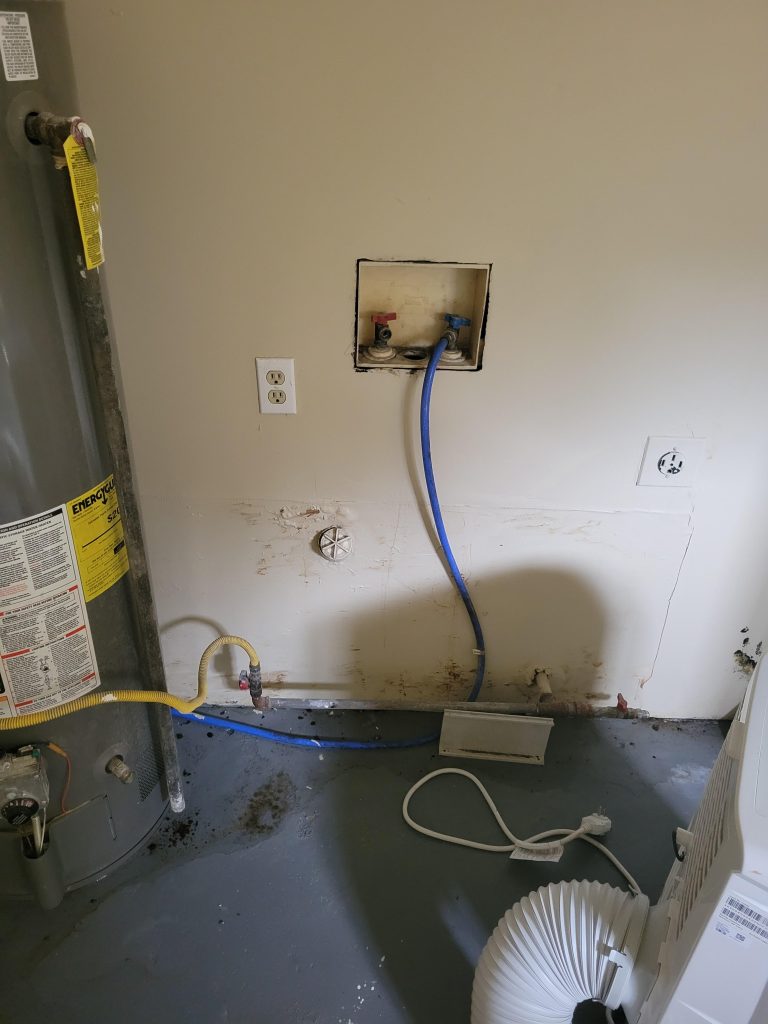
Are you setting up a laundry space and wondering about a washer dryer hookup? Knowing what it is and how it works can save you time, money, and a lot of frustration.
Imagine having your washer and dryer connected perfectly, so you don’t have to deal with messy hoses or electrical issues. You’ll discover exactly what a washer dryer hookup means, why it matters for your home, and how to make sure yours is done right.
Keep reading to avoid common mistakes and make your laundry routine easier than ever.
Washer Dryer Hookup Basics
A washer dryer hookup is a set of connections for your washing machine and dryer. It supplies water, power, and drainage needed for these appliances to work.
Knowing the basics helps you prepare a space for installing a washer and dryer safely and efficiently.
Key Components
Washer dryer hookups have several important parts. Each plays a role in making the machines work properly.
- Water Supply Valves: Control hot and cold water flow to the washer.
- Drain Pipe: Removes used water from the washer.
- Electrical Outlet: Powers the washer and dryer.
- Dryer Vent: Allows hot air and moisture to escape safely outside.
Types Of Hookups
There are different hookup types based on the dryer used and plumbing setup. Choosing the right type matters for safety and function.
- Electric Dryer Hookup: Uses a 240-volt outlet and a vent for hot air.
- Gas Dryer Hookup: Needs a gas line and a vent to the outside.
- Stacked Washer-Dryer Hookup: Saves space by stacking machines vertically.
- Combination Washer-Dryer Hookup: Uses one machine for both washing and drying, often needing only water and power connections.
Common Locations
Washer dryer hookups are usually found in areas designed for laundry. These spots have access to water, power, and ventilation.
- Laundry Rooms: The most common and dedicated space for washer and dryer.
- Basements: Often used when space is limited on main floors.
- Bathrooms: Sometimes used when plumbing is close by.
- Kitchens: In small homes, hookups may be placed here for convenience.
Tools And Materials Needed
Setting up a washer dryer hookup needs the right tools and materials. These help you connect water, drain, and power safely.
Using the proper items makes installation easier and prevents leaks or damage. Below are the essentials you will need.
Essential Tools
You need some basic tools to install a washer dryer hookup. These tools help with plumbing and electrical work.
- Adjustable wrench for tightening connections
- Pipe wrench to handle water pipes
- Screwdrivers (flathead and Phillips) for screws
- Drill with bits for mounting and holes
- Level to make sure appliances sit straight
- Utility knife for cutting hoses and materials
- Measuring tape to check distances and lengths
- Plumber’s tape to seal threaded joints
Required Materials
The materials connect your washer and dryer to water, power, and drainage. Use quality parts to avoid leaks and problems.
- Washer water supply hoses for hot and cold water
- Drain hose to remove wastewater safely
- Washer dryer outlet box or hookup box
- Electrical outlet rated for your dryer’s power needs
- Shut-off valves to control water flow
- Hose clamps to secure connections
- PVC or metal pipes for drainage
- Gaskets and washers to stop leaks
Step-by-step Installation
Installing a washer dryer hookup means setting up water, drainage, and power connections. This guide helps you install the hookup safely.
Follow these steps to prepare and connect your washer dryer properly.
Preparing The Area
Clear space near a water source and drain for your washer dryer. The area should be flat and sturdy.
Check that the floor can support the washer dryer’s weight. Make sure there is enough room for ventilation.
Connecting Water Supply
Attach hoses to the cold and hot water valves. Use new hoses to avoid leaks.
Tighten the hose connections with a wrench but do not overtighten. Turn on the water to check for leaks.
- Use flexible water supply hoses
- Connect cold and hot water hoses correctly
- Tighten connections securely but gently
- Test for leaks after connecting
Setting Up Drainage
Place the drain hose into the standpipe or laundry tub. Make sure it fits tightly to prevent water spills.
Secure the hose with a clamp or zip tie to keep it in place during operation.
- Use a standpipe or laundry tub for drainage
- Insert drain hose firmly
- Secure hose to avoid movement
- Check that drain height matches washer’s instructions
Electrical Connections
Plug the washer dryer into a grounded electrical outlet. Use a dedicated circuit to avoid overloads.
Check your appliance’s power needs before connecting to ensure safety.
- Use a grounded outlet
- Ensure the circuit matches appliance voltage
- Do not use extension cords
- Turn off power before any wiring work
Testing The Setup
Run a short wash cycle to test all connections. Watch for leaks or unusual noises.
Check water supply, drainage, and power during the test to ensure everything works well.
- Start a rinse or wash cycle
- Inspect for water leaks
- Listen for unusual sounds
- Confirm drainage flows smoothly

Credit: www.reddit.com
Troubleshooting Tips
A washer dryer hookup connects your washing machine and dryer to water and power. Sometimes, issues can happen with this setup. Knowing how to fix common problems saves time and money.
This guide covers common problems and quick fixes for washer dryer hookups. Use these tips to keep your laundry area working well.
Common Problems
Some common problems include leaks, no power, and poor drainage. These can stop your washer or dryer from working properly.
- Water leaks from hoses or connections
- Dryer not turning on or heating
- Washer not draining water fully
- Power issues with the outlet or circuit
- Drain hose blockage or kinks
Quick Fixes
Start by checking hoses and plugs. Tighten any loose connections and remove blockages to fix many problems fast.
- Replace cracked or worn hoses to stop leaks.
- Ensure the dryer is plugged in and the circuit breaker is on.
- Clear clogs from the washer drain hose for better drainage.
- Check the water supply valves and turn them fully on.
- Clean the dryer lint filter to prevent overheating.
If problems persist, consider calling a professional for help. Regular checks keep your hookup working well.
Safety Precautions
Installing a washer dryer hookup needs care to avoid accidents. Safety is key when working with water and electricity.
This guide covers important safety tips for electrical setup and water handling during installation.
Electrical Safety
Electricity powers your washer and dryer but can be dangerous if not handled properly. Follow these rules to keep safe.
- Turn off power at the circuit breaker before starting installation.
- Use a dedicated electrical outlet with the correct voltage for your appliances.
- Check that all wiring meets local building codes and is grounded correctly.
- Avoid using extension cords or adapters for your washer dryer hookup.
- Inspect cords and plugs for damage before use.
- Hire a licensed electrician if you are unsure about electrical work.
Water Handling Tips
Water connections must be secure to prevent leaks and water damage. Take these steps to handle water safely.
| Tip | Reason |
| Use water supply lines rated for washers | Prevents bursting and leaks |
| Turn off water valves before installing hoses | Avoids flooding and water waste |
| Check hose connections for tight seals | Stops water drips and damage |
| Replace old or cracked hoses regularly | Reduces risk of sudden leaks |
| Ensure proper drainage to avoid backflow | Prevents water contamination |

Credit: www.angi.com
Maintenance And Care
Washer dryer hookups need regular maintenance. Proper care keeps them running smoothly.
Simple steps can prevent costly repairs. This guide helps you maintain your setup.
Regular Checks
Check your washer dryer connections monthly. Look for any leaks or cracks in the hoses.
Ensure the water supply is steady. Tighten any loose connections to prevent drips.
- Inspect hoses for wear and tear
- Check the water pressure
- Look for any water leaks
Preventing Damage
Use the right detergent for your washer. Too much soap can cause clogs and issues.
Clean the lint trap after each dryer use. This reduces fire risk and keeps airflow clear.
- Use correct detergent amount
- Clean lint trap regularly
- Ensure proper ventilation

Credit: www.reddit.com
Frequently Asked Questions
What Is A Washer Dryer Hookup?
A washer dryer hookup is a set of plumbing and electrical connections. It allows you to install and operate both a washing machine and a dryer in one location. This setup ensures water supply, drainage, and power access for efficient laundry use.
Why Do I Need A Washer Dryer Hookup?
You need a washer dryer hookup for proper appliance installation. It ensures your machines receive water, drain waste, and have electricity. Without it, your washer and dryer won’t function correctly or safely, potentially causing leaks or electrical hazards.
Can A Washer Dryer Hookup Fit In A Small Space?
Yes, washer dryer hookups can fit in small spaces. Compact hookups are designed for tight laundry areas or closets. They allow efficient use of limited space while providing all necessary connections for your washer and dryer.
How Much Does Installing A Washer Dryer Hookup Cost?
Installing a washer dryer hookup typically costs between $300 and $800. The price depends on plumbing, electrical work, and location complexity. Hiring a professional ensures safe, code-compliant installation for your laundry appliances.
Conclusion
A washer dryer hookup makes laundry easier and saves space. It connects your machines to water and power. Knowing how it works helps you install it right. You avoid leaks and other problems this way. It fits well in small homes or apartments.
Simple setup leads to smooth laundry days. Keep these points in mind for your next project. Clean clothes with less hassle—sounds good, right?