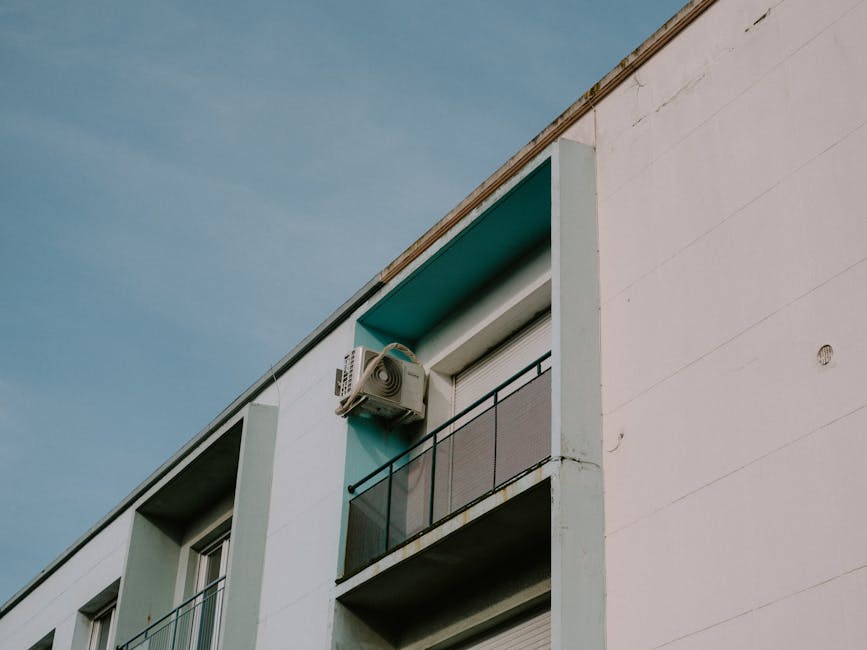
Have you ever noticed your air conditioner looking like it’s covered in ice? It might seem strange, but a frozen-up AC is a common problem that can leave your home uncomfortable and your energy bills higher than usual.
Understanding what makes an air conditioner freeze up can save you time, money, and frustration. You’ll discover the simple reasons behind this issue and easy steps you can take to fix it before it becomes a bigger problem. Keep reading to learn how to keep your AC running smoothly all summer long.

Credit: a1heating.com
Common Causes Of Ac Freeze Ups
Low refrigerant levelscause the AC coil to get very cold. This leads to ice forming on the coil. The system can’t cool your home properly when refrigerant is low.
Dirty air filtersblock airflow. This makes the coil too cold and ice builds up. Changing filters often helps keep air moving well.
Restricted airflowfrom blocked vents or closed doors causes cold air to stay around the coil. Ice forms because warm air does not flow over it.
Thermostat issuescan make the AC run too long or too cold. This causes the coil to freeze. Checking the thermostat settings can stop freeze ups.
Faulty blower motormeans air does not move well inside the system. Without airflow, ice can form on the coil and block cooling.
Outdoor temperature effectsplay a role. If it is too cold outside, the AC may freeze up. Most units are not made to run in cold weather.
Signs Of A Frozen Air Conditioner
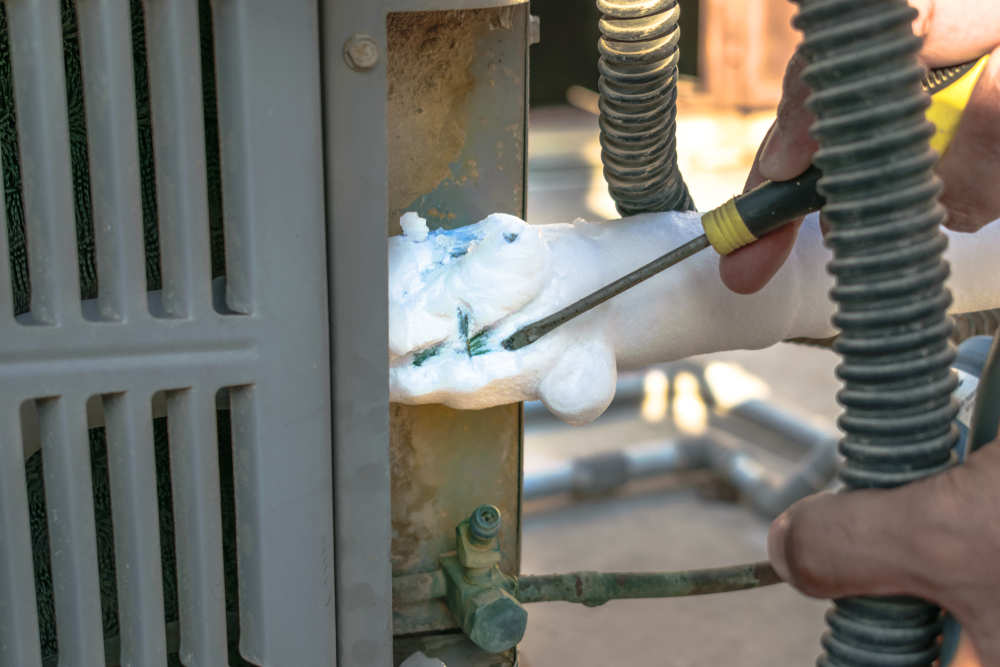
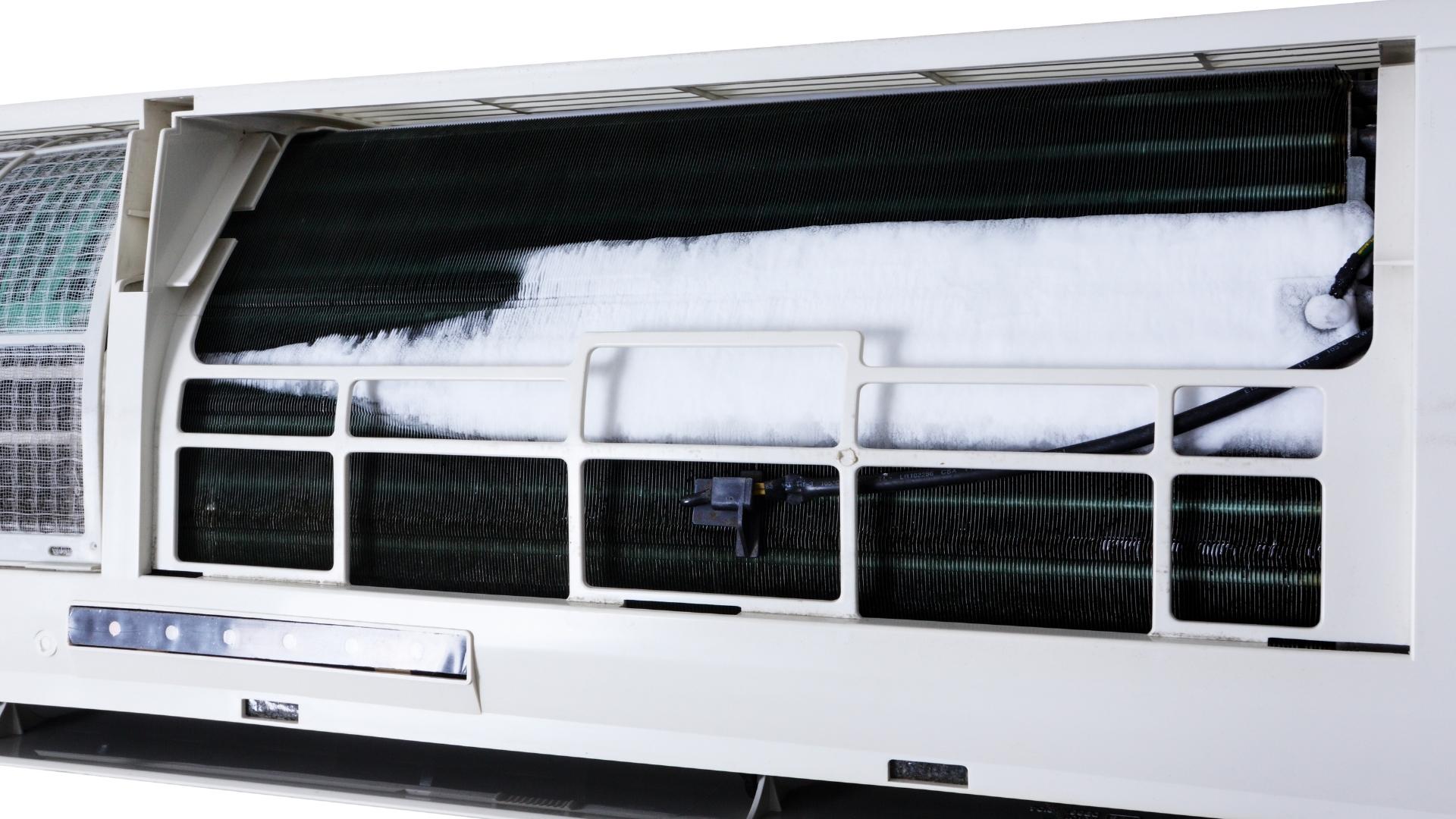
Ice formation on coilslooks like a thick layer of frost or ice. This blocks airflow and stops the air conditioner from working well.
Reduced cooling efficiencymeans the room feels warmer even if the AC is on. The frozen coils can’t cool the air properly.
Unusual noiseslike rattling or gurgling can happen. These sounds come from the frozen parts struggling to work.
Water leaks around unithappen because the ice melts and drips. This water can damage floors or walls if not fixed.
Quick Fixes To Thaw A Frozen Ac
Turning off the air conditioner helps to stop ice from building up further. Let it rest for at least an hour to melt the ice.
Increasing airflow can prevent freezing. Make sure all vents and doors are open and not blocked.
- Dirty air filtersreduce airflow and cause freezing.
- Clean or replace filters every 1-3 months for best results.
Check the thermostat settings. Setting it too low can cause the unit to freeze.
Low refrigerant levels often cause freezing too. A professional can check and refill refrigerant safely.
Credit: tcomfort.com
Preventing Future Freeze Ups
Regular maintenance keeps the air conditioner running smoothly. Clean or replace filters often. Dirty filters block airflow and cause freezing. Clear debris from outside units to ensure good air movement.
Professional inspections catch problems early. Technicians check all parts and clean coils. They spot leaks or worn parts that may cause freezing.
Proper airflow is key. Keep vents open and unblocked. Use fans to help spread cool air evenly. Blocked airflow makes the system work harder and freeze up.
Refrigerant levels must be right. Low refrigerant causes freezing and poor cooling. Trained professionals should check and refill refrigerant carefully.
Credit: www.thervgeeks.com
Frequently Asked Questions
Why Does My Air Conditioner Freeze Up?
Air conditioners freeze due to restricted airflow or low refrigerant levels. Dirty filters, blocked ducts, or malfunctioning fans can restrict airflow. Low refrigerant levels decrease the system’s pressure, causing the coils to freeze. Regular maintenance, including cleaning filters and checking refrigerant, can prevent freezing issues.
What Causes Restricted Airflow In Ac Units?
Restricted airflow is often caused by dirty filters, blocked vents, or closed dampers. These obstructions prevent proper air circulation, leading to freezing. Regularly cleaning or replacing filters and ensuring vents are open can improve airflow. Proper maintenance ensures efficient operation and prevents freezing.
How Can Low Refrigerant Cause Freezing?
Low refrigerant levels reduce pressure in the evaporator coil, causing it to freeze. This happens because insufficient refrigerant cannot absorb heat effectively. Regular checks and professional servicing can ensure refrigerant levels are adequate. This prevents freezing and maintains efficient cooling.
Can Thermostat Settings Cause Freezing?
Yes, setting the thermostat too low can cause freezing. Extremely low temperatures make the air conditioner work harder, potentially leading to coil freezing. Set the thermostat to a moderate, comfortable temperature to prevent overworking the system. This helps maintain efficiency and prevents freezing.
Conclusion
Air conditioners freeze up mainly because of airflow or refrigerant issues. Dirty filters or blocked vents stop air from moving well. Low refrigerant levels make the system too cold. Regular cleaning and timely maintenance keep your AC running smoothly. Catching problems early saves money and avoids discomfort.
Knowing these causes helps you act fast and keep cool. Stay alert to signs of freezing to protect your unit. A well-cared AC cools better and lasts longer. Simple steps make a big difference in preventing freeze-ups.