
Have you ever wondered why dry ice is called “dry”? It’s a fascinating substance that defies your typical expectations of ice.
Unlike the ice cubes chilling in your drink, dry ice doesn’t melt into a puddle of water. Instead, it seems to vanish into thin air, leaving you intrigued. This peculiar behavior has puzzled many, and understanding it can unlock a world of practical applications and surprising science.
Dive into the mystery of dry ice, and discover what makes it so uniquely “dry. ” You might just find yourself captivated by the secrets of this extraordinary substance.
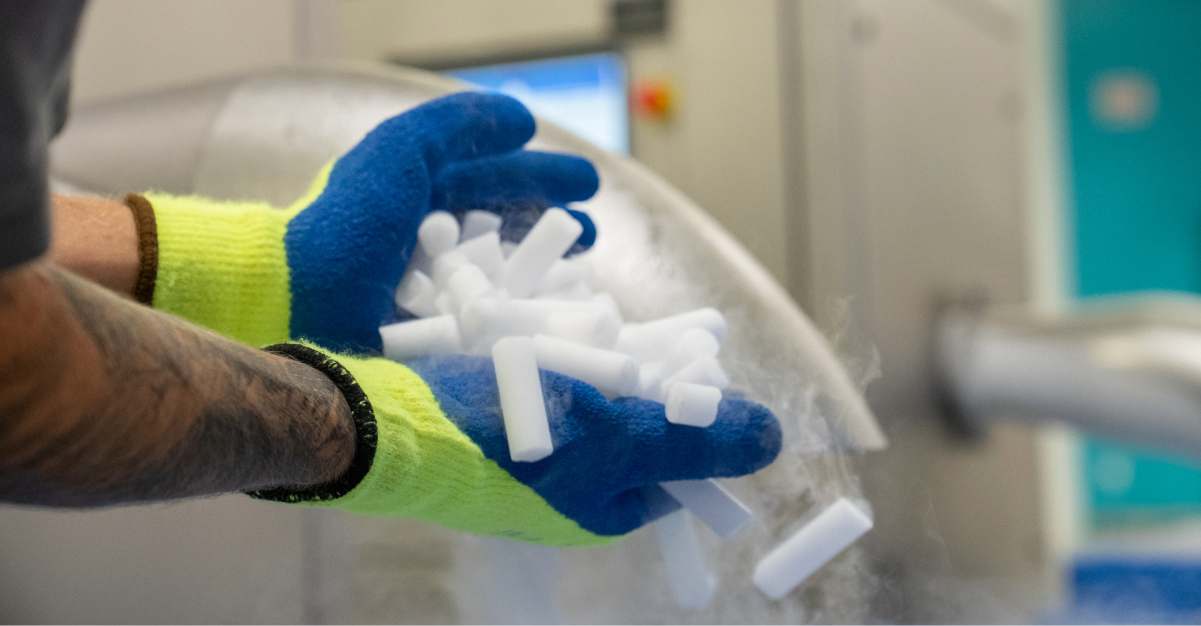
Credit: blog.coldjet.com
Dry Ice Basics
Understanding the basics of dry ice helps you see why it behaves so uniquely. It’s not just frozen carbon dioxide; there’s more to how it stays “dry” and cold at the same time. Let’s break down what dry ice is and what physical traits give it its special qualities.
What Is Dry Ice Made Of
Dry ice is made from carbon dioxide (CO2) gas that’s been cooled and compressed until it becomes a solid. Unlike regular ice made from water, dry ice doesn’t melt into a liquid when it warms up. Instead, it turns directly into gas, a process called sublimation.
This means dry ice skips the liquid phase entirely. Have you ever noticed how it seems to disappear without leaving any wet residue? That’s because it’s turning straight into CO2gas, which makes it “dry.”
Physical Properties Of Dry Ice
Dry ice is extremely cold, with a temperature of about -78.5°C (-109.3°F). This intense cold is why it’s used to keep things frozen or chilled during shipping and special effects.
- Sublimation:Dry ice goes from solid to gas without melting.
- Density:It’s denser than regular ice, so it feels heavier in your hand.
- Appearance:Dry ice looks solid and opaque white, often with a frosty surface.
Have you ever wondered why dry ice doesn’t get wet or leave puddles? Its sublimation means it vanishes without any liquid mess. This makes it perfect for applications where moisture would be a problem.
Sublimation Explained
Sublimation is the key reason dry ice feels so unique and “dry.” Unlike regular ice, which melts into water, dry ice skips the liquid phase entirely. It transforms directly from a solid to a gas, leaving no wet residue behind.
How Dry Ice Changes State
Dry ice is solid carbon dioxide. When it warms up, it doesn’t melt into a liquid. Instead, it sublimates, turning straight into carbon dioxide gas.
This happens because dry ice’s temperature is extremely low, about -78.5°C (-109.3°F). At this temperature, the carbon dioxide molecules skip the liquid phase under normal atmospheric pressure.
Have you noticed how dry ice fogs up a room without leaving any puddles? That’s the gas mixing with the air, not melted water.
Difference Between Sublimation And Melting
| Process | State Change | Result | Common Examples |
|---|---|---|---|
| Sublimation | Solid → Gas | No liquid phase; directly vaporizes | Dry ice, mothballs, frozen air fresheners |
| Melting | Solid → Liquid | Forms a liquid before becoming gas | Regular ice, butter, chocolate |
Understanding this difference helps you see why dry ice doesn’t make a mess. Instead of puddles, it releases gas that quickly dissipates.
Next time you handle dry ice, think about this silent change happening before your eyes. What other everyday materials might surprise you with their unique state changes?
Why Dry Ice Feels Dry
Dry ice feels dry for a fascinating reason tied to its unique physical properties. Unlike regular ice, dry ice does not melt into liquid water. This difference shapes how it interacts with moisture around it. The sensation of dryness comes from how dry ice changes state and affects the air near it.
Absence Of Liquid Phase
Dry ice is solid carbon dioxide. It does not melt like water ice. Instead, it changes directly from solid to gas. This process is called sublimation. Because no liquid water forms, there is no wetness on the surface.
When dry ice sublimates, it releases cold carbon dioxide gas. This gas does not leave any moisture behind. That is why touching dry ice feels dry. There is no slippery or wet feeling like with regular ice.
Temperature Effects On Moisture
Dry ice is extremely cold, about -78.5°C (-109.3°F). This low temperature affects the air near it. The cold air causes water vapor around dry ice to freeze instantly.
Frozen moisture forms frost, not liquid water. This frost is very thin and dry to the touch. The cold air also reduces humidity near dry ice. Less moisture means a drier feeling overall.
Common Uses Of Dry Ice
Dry ice is far more than just frozen carbon dioxide—it’s a versatile tool that fits many practical needs. Its unique property of sublimation makes it ideal for tasks where traditional ice just won’t do. Understanding its common uses can help you decide if dry ice is the right choice for your next project or emergency.
Preservation And Cooling
Dry ice keeps things cold without leaving water behind. This makes it perfect for shipping perishable foods and medical supplies. You can pack it with frozen foods to maintain quality during long trips without worrying about soggy packaging.
Ever tried to chill drinks quickly for a party? Dry ice can cool beverages in minutes, which saves you from last-minute fridge runs. Just remember to handle it carefully—direct contact can cause frostbite.
Special Effects And Cleaning
Have you noticed that spooky fog effect at concerts or Halloween parties? That’s dry ice at work. It creates dense fog when it sublimates, adding an eerie atmosphere without using harmful chemicals.
Dry ice also cleans surfaces with a method called dry ice blasting. It’s like pressure washing but gentler and residue-free. This technique is popular for cleaning delicate machinery and even removing graffiti without damaging the underlying surface.
Safety Tips When Handling Dry Ice
Handling dry ice requires caution because it is extremely cold. Contact with skin can cause serious injuries. Following safety tips protects you from harm and keeps your environment safe. Always respect the unique properties of dry ice to prevent accidents.
Preventing Frostbite
Dry ice has a temperature of -78.5°C (-109.3°F). Touching it directly can freeze your skin instantly. Use thick gloves or tongs to handle dry ice. Avoid bare skin contact at all times. If you touch dry ice, warm the skin slowly with lukewarm water. Never use hot water. Keep dry ice away from children and pets.
Proper Storage And Ventilation
Store dry ice in a well-insulated container but do not seal it tightly. Dry ice turns from solid to gas quickly and can build pressure. Use containers with loose lids or vents. Always use dry ice in well-ventilated areas to avoid gas buildup. Carbon dioxide gas can cause suffocation in closed spaces. Never store dry ice in a freezer or airtight container.

Credit: blog.coldjet.com

Credit: cryotechgroup.com
Frequently Asked Questions
What Is Dry Ice Made Of?
Dry ice is solid carbon dioxide (CO2). It forms when CO2 gas is cooled and compressed. Unlike water ice, it sublimates directly into gas without melting.
Why Does Dry Ice Feel Dry To Touch?
Dry ice feels dry because it doesn’t melt into liquid water. It sublimates directly into gas, leaving no wet residue on surfaces or skin.
How Does Dry Ice Sublimate?
Dry ice sublimates by changing from solid to gas at -78. 5°C (-109. 3°F). This process skips the liquid phase, creating a fog-like vapor.
Is Dry Ice Safe To Handle Without Gloves?
Handling dry ice without gloves is unsafe. It is extremely cold and can cause frostbite or burns on skin contact.
Conclusion
Dry ice stays dry because it skips the liquid stage. It changes from solid to gas quickly. This process is called sublimation. No water is left behind. That is why it feels cold but not wet. Dry ice is useful for keeping things cold without making a mess.
Understanding this helps you use it safely. Now you know what makes dry ice dry. Simple science with practical effects.