
Have you ever noticed your cutting board looking a bit worn out or dull? You might be wondering how to keep it in top shape for longer.
The secret lies in the type of oil you use. Choosing the right oil for your cutting board is crucial not just for its appearance but also for its longevity and safety. You’ll discover the best oils to use, why they matter, and how they can transform your culinary workspace.
Keep reading to ensure your cutting board remains a reliable kitchen companion for years to come. You won’t want to miss these simple yet effective tips that could completely change how you care for your kitchen tools.

Credit: greenerchef.com
Choosing The Right Oil
Oiling your cutting board keeps it in good shape. It helps protect the wood from drying and cracking. Choosing the right oil is important for safety and care.
Many oils can be used, but some work better than others. Knowing which oil to pick helps keep your cutting board safe and lasts longer.
Mineral Oil Benefits
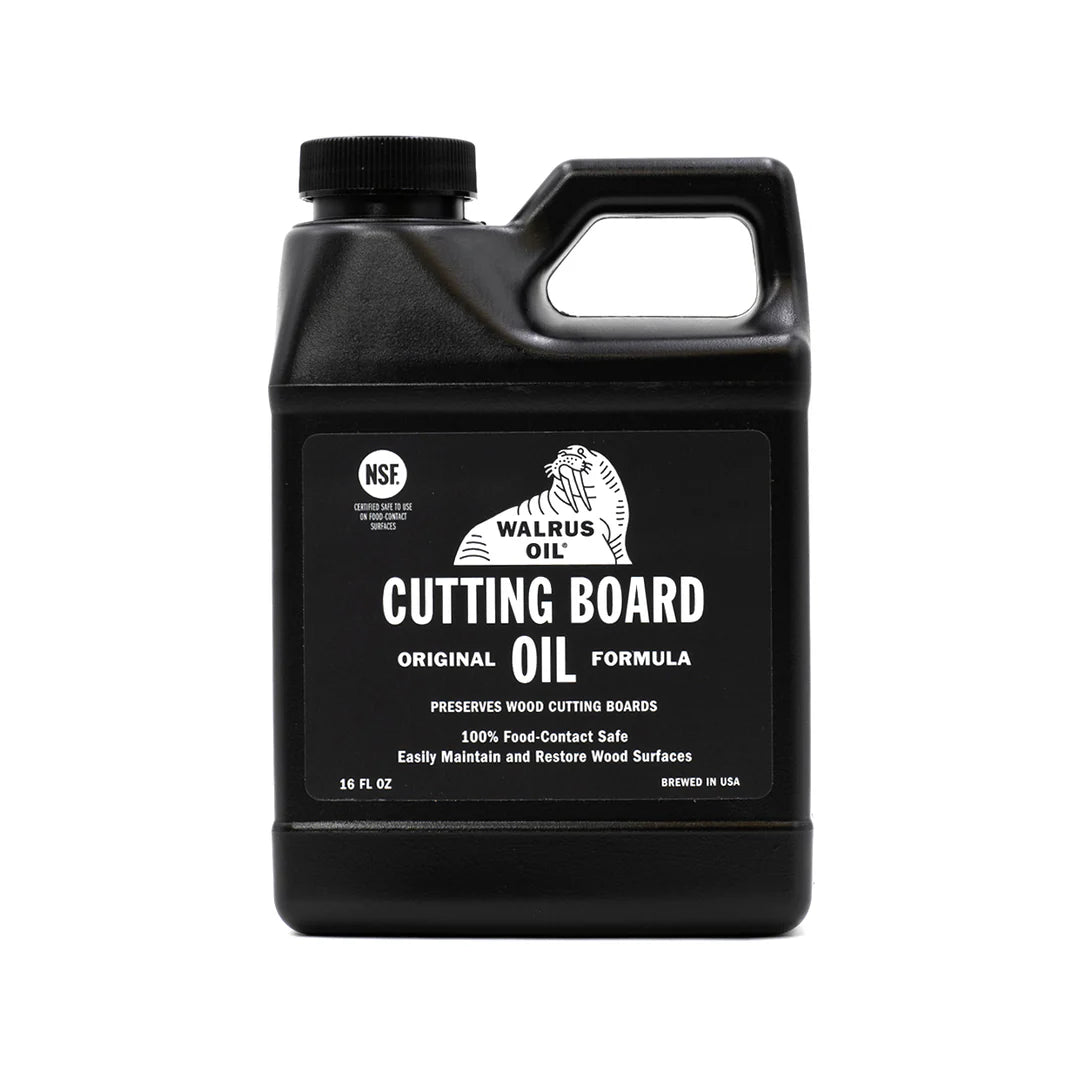
Mineral oil is a popular choice for cutting boards. It is safe to use on surfaces that touch food. The oil soaks into the wood and seals it.
- Prevents wood from drying out
- Does not go rancid or smell bad
- Easy to apply and absorbs well
- Food-safe and non-toxic
- Helps keep the board looking new
Why Avoid Vegetable Oils
Vegetable oils like olive or canola are not good for cutting boards. They can turn sticky and smell bad over time. This happens because they go rancid.
| Vegetable Oil | Effect on Board |
| Olive Oil | Turns sticky and smelly |
| Canola Oil | Goes rancid quickly |
| Sunflower Oil | Leaves residue and odor |
| Corn Oil | Attracts bacteria |
Specialty Oils For Cutting Boards
Some specialty oils are good for cutting boards. These oils often mix mineral oil with natural waxes. They add extra protection and shine.
- Beeswax adds a smooth, water-resistant layer
- Carnauba wax provides a hard, glossy finish
- Tung oil is a natural drying oil that hardens
- Walnut oil is natural but may cause allergies
How To Oil A Cutting Board
Oiling a cutting board keeps it strong and clean. It stops the wood from drying out and cracking.
You should oil your board regularly to make it last longer. Here is how to do it right.
Preparing The Board
First, clean your cutting board with warm water and mild soap. Remove all food bits and stains.
Dry the board completely before you start oiling. A wet board will not absorb oil well.
Applying Oil Evenly
Use food-safe mineral oil or cutting board oil. Avoid cooking oils as they can go bad.
Pour a small amount of oil on the board. Spread it with a clean cloth or paper towel.
- Cover the whole surface, including edges.
- Use circular motions to rub the oil in.
- Apply more oil if the board soaks it quickly.
Letting The Oil Soak
After applying oil, let the board sit for several hours or overnight. This helps the wood absorb the oil.
If the board looks dry after soaking, apply a second coat of oil and wait again.
Frequency Of Oiling
Oiling a cutting board keeps it strong and safe. It stops the wood from drying out and cracking.
How often you oil your board depends on how much you use it and its condition. Regular care helps your board last longer.
Signs Your Board Needs Oil
Look for these signs that show your board needs oil:
- The wood looks dry or faded.
- Water soaks in quickly instead of beading up.
- There are cracks or splits on the surface.
- The board feels rough when you touch it.
- Food smells linger even after cleaning.
Recommended Oiling Schedule
Follow this oiling schedule to keep your board in good shape:
| Use Level | Oiling Frequency |
| Light Use (few times a week) | Once a month |
| Medium Use (daily) | Every 2 weeks |
| Heavy Use (professional or large family) | Once a week |
Credit: www.fishbrothersboardco.com
Additional Care Tips
Taking care of your cutting board oiling extends its life. Proper care keeps the wood strong and clean.
Use the right steps to clean, protect, and avoid damage. These tips help your board stay useful longer.
Cleaning Before Oiling
Always clean your cutting board before applying oil. Dirt and food particles block oil from soaking in.
Use warm water and mild soap. Rinse well and dry completely with a towel before oiling.
Avoiding Damage
Stop damage by not soaking your board in water. Water can cause the wood to crack or warp.
Do not use harsh chemicals or scrubbers. These can wear down the wood and remove oil.
- Dry board after each use
- Use a soft cloth for cleaning
- Keep board away from direct heat
Using Beeswax For Protection
Beeswax adds a strong layer of protection to your cutting board. It seals the wood and keeps moisture out.
Mix beeswax with oil for a smooth finish. Apply it after oiling and let it dry for best results.
Common Mistakes To Avoid
Oiling a cutting board keeps it strong and clean. Using the wrong oil or too much can cause problems. Regular care helps your board last longer.
Learn what to avoid when oiling your cutting board. This helps keep it safe and in good shape.
Using The Wrong Oil Types
Not all oils are safe for cutting boards. Some oils go bad or smell bad. Avoid cooking oils like olive or vegetable oil.
Choose food-safe oils made for wood, like mineral oil. These oils do not spoil or harm your board.
- Do not use olive, vegetable, or nut oils
- Use food-grade mineral oil or beeswax products
- Avoid oils that turn sticky or smell bad
Over-oiling Issues
Adding too much oil can leave your board sticky. This attracts dirt and dust. It may also cause the wood to swell.
Apply a thin, even coat of oil. Let it soak in before adding more. Wipe off any extra oil to prevent build-up.
- Use only a small amount of oil each time
- Allow oil to fully absorb into the wood
- Remove any leftover oil with a clean cloth
Neglecting Regular Maintenance
Oiling your board once is not enough. Wood can dry out and crack without regular care. Clean and oil your board often.
Set a schedule to oil your cutting board. This keeps it smooth and safe to use.
- Clean the board before each oiling
- Oil at least once a month or after heavy use
- Check for cracks or damage regularly

Credit: www.reddit.com
Frequently Asked Questions
What Is The Best Oil For Cutting Boards?
Food-grade mineral oil is the best choice for cutting boards. It is safe, odorless, and prevents wood from drying and cracking. Avoid vegetable or cooking oils, as they can turn rancid and damage the board.
How Often Should You Oil A Cutting Board?
Oil your cutting board every 3 to 4 weeks, or when it looks dry. Regular oiling maintains its moisture, prevents cracking, and extends its lifespan. More frequent oiling may be needed for heavily used boards.
Can I Use Olive Oil On A Cutting Board?
No, avoid olive oil on cutting boards. Olive oil can become sticky and rancid over time. Use food-grade mineral oil instead, as it is stable and safe for wood maintenance.
Why Is Mineral Oil Recommended For Cutting Boards?
Mineral oil is non-toxic, odorless, and doesn’t spoil. It penetrates wood fibers, protecting against moisture and bacteria. This keeps your cutting board safe, durable, and easy to clean.
Conclusion
Choosing the right oil keeps your cutting board healthy and lasting. Mineral oil works best because it soaks in well and does not spoil. Avoid cooking oils that can go bad or leave sticky spots. Regular oiling stops cracks and warping, making your board safe for food.
Simple care helps your cutting board look good and stay strong. Take a few minutes to oil it often. Your kitchen tool will thank you with years of use.