If you care about keeping your wooden cutting board looking great and lasting for years, choosing the right oil is key. You might wonder why oiling matters or which type is best for your board.
Using the wrong oil can cause damage, while the right one protects, nourishes, and even helps prevent bacteria. You’ll discover exactly what oil works best for your wooden cutting board and how to use it to keep your kitchen tool in top shape.
Ready to unlock the secret to a healthier, longer-lasting cutting board? Let’s dive in.

Credit: greenerchef.com
Choosing The Right Oil
Wooden cutting boards need special care to last long. Using the right oil keeps wood strong and safe. Not all oils are good for cutting boards.
Choosing food-safe oil helps protect your board from cracking and drying. It also stops bacteria from growing on the wood.
Mineral Oil Benefits
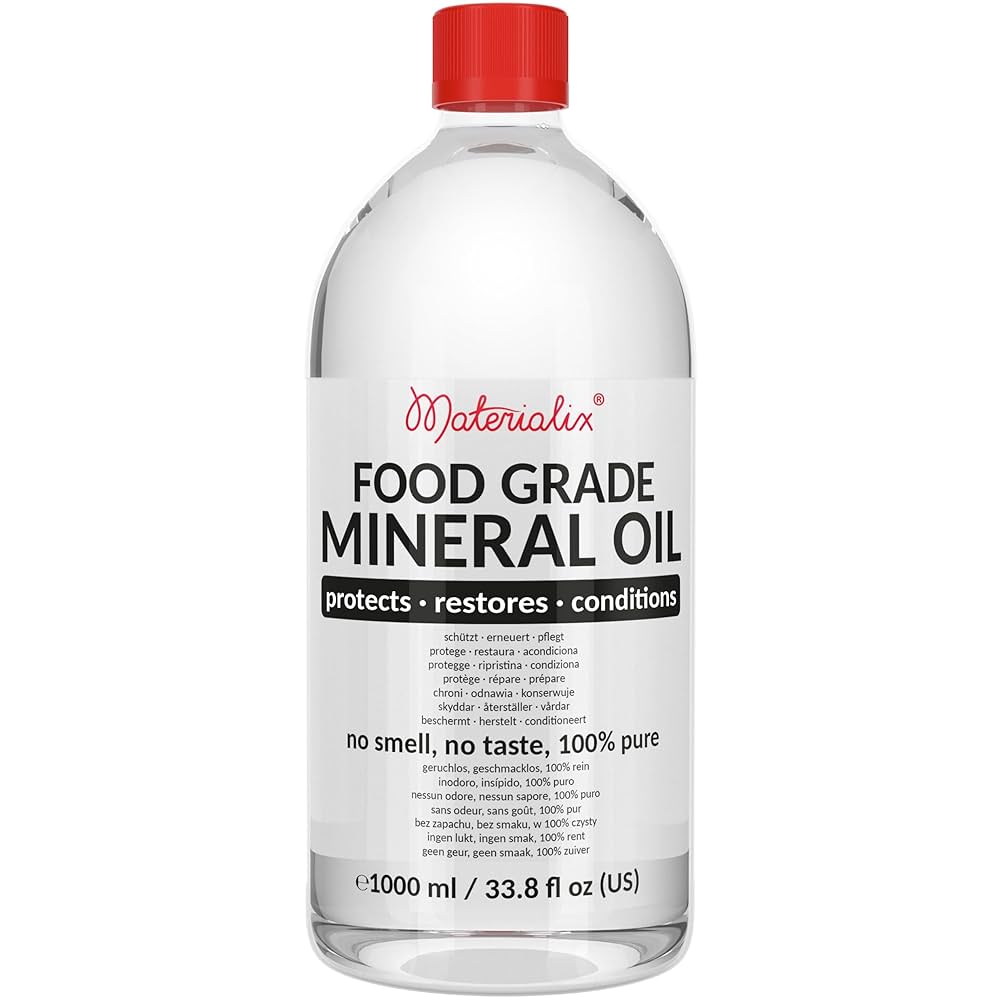
Mineral oil is popular for treating wooden cutting boards. It is colorless and does not smell. This oil soaks deep into the wood and seals it well.
- Prevents water from soaking in
- Stops wood from drying out and cracking
- Does not go rancid over time
- Safe for food contact
Why Food-grade Oils Matter
Food-grade oils are safe to use on items that touch food. They do not cause harm if you eat food prepared on the board. Using these oils avoids chemicals or toxins.
| Oil Type | Safe for Food Contact | Common Use |
| Mineral Oil | Yes | Wood treatment |
| Coconut Oil (Refined) | Yes | Wood treatment |
| Vegetable Oil | No | Cooking only |
| Olive Oil | No | Cooking only |
Avoiding Vegetable Oils
Vegetable oils like olive or canola oil are not good for wooden boards. They can turn sticky and smell bad after time. These oils also can cause wood to spoil.
- Vegetable oils go rancid quickly
- They attract dust and dirt
- Can cause wood to warp or crack
- Not recommended for food-contact surfaces
How To Apply Oil
Oiling wooden cutting boards keeps them strong and safe. It stops the wood from drying and cracking. Applying oil is simple and does not take much time.
Use food-safe oils like mineral oil or beeswax oil. These oils do not go bad and protect your board well. Learn how to prepare and oil your board below.
Preparing The Board
Clean the board with warm water and mild soap. Dry it completely with a towel. Make sure no food or dirt remains on the surface before oiling.
Step-by-step Oiling Process
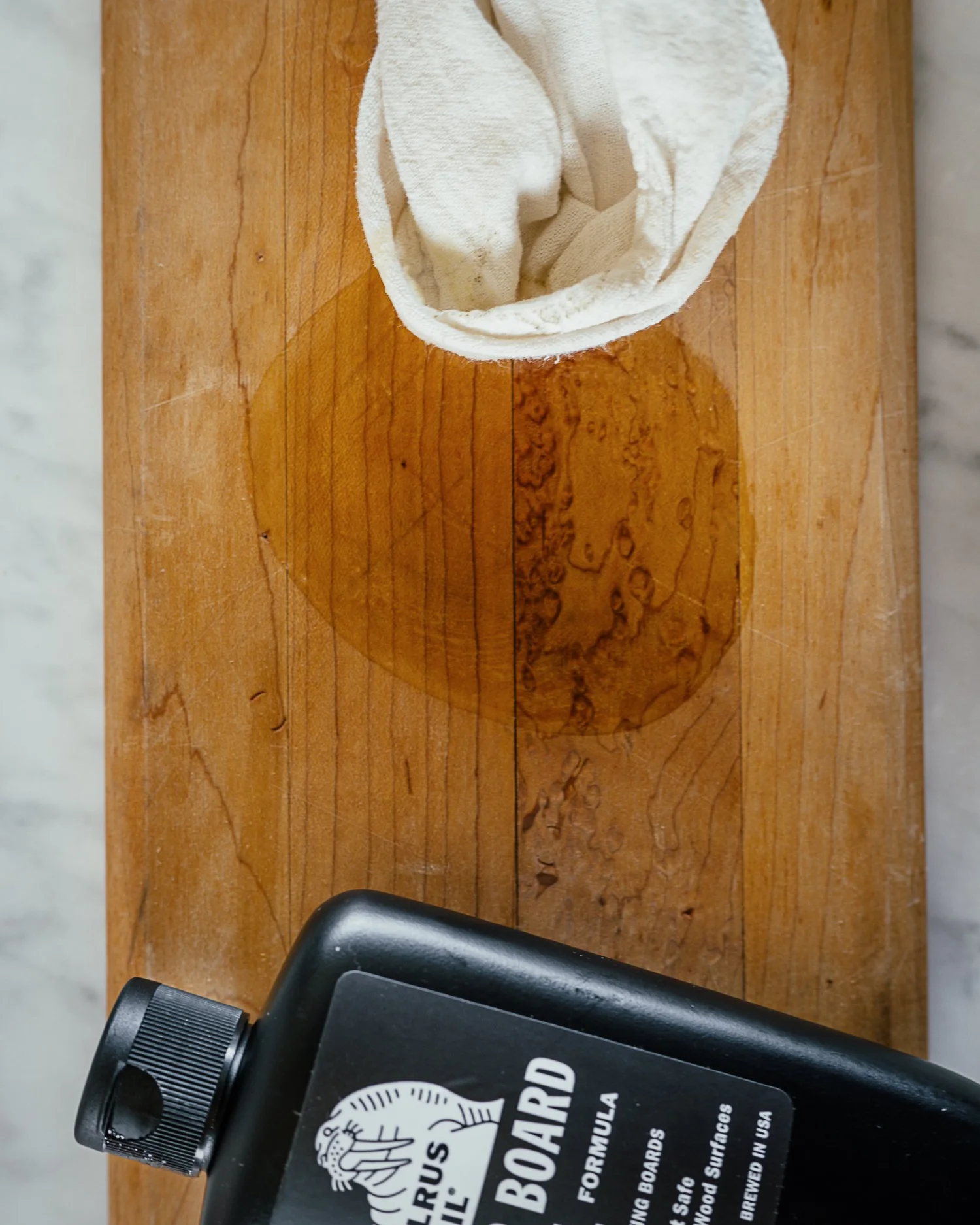
- Pour a small amount of oil onto the board.
- Use a clean cloth to spread the oil evenly.
- Rub the oil into the wood using circular motions.
- Cover all surfaces, including edges and sides.
- Let the oil soak in for at least two hours.
- Wipe off any extra oil with a dry cloth.
Frequency Of Application
Oil your cutting board regularly to keep it in good shape. The oiling schedule depends on how often you use the board.
| Usage | Oiling Frequency |
| Daily Use | Once a week |
| Weekly Use | Every two weeks |
| Occasional Use | Once a month |
Additional Care Tips
Oiling wooden cutting boards helps keep them strong and safe. Using the right oil is only part of the care process. Proper cleaning, drying, and storage also protect your board.
These tips help your cutting board last longer and look better. Follow simple steps to avoid damage and keep your board in top shape.
Cleaning Without Damage
Use warm water and mild soap to clean your wooden board. Avoid soaking it or using harsh chemicals. These can weaken the wood and remove the oil finish.
Scrub gently with a soft sponge or brush. Rinse well and dry quickly to stop bacteria from growing.
- Do not put wooden boards in the dishwasher
- Use a soft scrubber, not steel wool
- Clean right after use to avoid stains
Drying And Storage
Dry your cutting board immediately after washing. Use a clean towel to remove water. Let it air dry standing up or on a rack. This helps air reach all sides.
Store the board in a cool, dry place. Avoid areas with high heat or moisture. These conditions can cause the wood to warp or crack.
- Never leave the board in water
- Keep it away from direct sunlight
- Store upright to allow airflow
Preventing Cracks And Warping
Oil your wooden cutting board regularly to keep the wood moist. Use food-safe oils like mineral oil or beeswax. This prevents the wood from drying out and cracking.
Avoid extreme temperature changes. Rapid heating or cooling can cause warping. Keep your board away from hot stoves and cold sinks.
- Apply oil once a month or as needed
- Use only food-safe, non-toxic oils
- Keep the board out of direct heat

Credit: www.amazon.com
Oils To Avoid For Cutting Boards
Not all oils are safe for wooden cutting boards. Some oils can damage the wood or cause unpleasant smells.
Knowing which oils to avoid helps keep your board clean and lasting longer.
Why Some Oils Go Rancid
Oils with many unsaturated fats can spoil quickly. They react with air and light, causing bad smells.
Rancid oils create sticky or sticky layers on the wood. This harms the board’s surface and hygiene.
- Vegetable oils like olive or canola can go rancid fast.
- Nut oils also spoil quickly and are not good for boards.
- Oils with antioxidants last longer but still can spoil.
Impact On Board Longevity
Using the wrong oil can dry out the wood. This leads to cracks and warping over time.
Rancid oils attract dirt and bacteria. This shortens the cutting board’s life and safety.
- Dry wood loses strength and looks dull.
- Sticky surfaces trap food particles and germs.
- Proper oils protect and keep the board smooth.
Natural Alternatives To Mineral Oil
Wooden cutting boards need regular care to stay smooth and safe. Many people use mineral oil. It is common but not the only choice.
Natural oils and blends can protect and nourish wood. They also avoid chemicals found in some mineral oils.
Beeswax And Oil Blends
Beeswax mixed with natural oils creates a thick, protective layer on cutting boards. This blend seals the wood and keeps water out.
- Beeswax helps to prevent cracking and drying.
- Oils like jojoba or walnut oil add moisture and shine.
- The mixture is easy to apply and lasts longer than oil alone.
- It is safe for food contact and keeps the board looking new.
Coconut Oil And Other Options
Coconut oil is popular but must be used carefully. It can go rancid if not refined. Some other natural oils work well too.
| Oil Type | Benefits | Notes |
| Coconut Oil (Refined) | Moisturizes and protects | Use refined form only |
| Walnut Oil | Dries hard, long-lasting | May cause allergies |
| Jojoba Oil | Non-toxic and stable | Expensive but effective |
| Olive Oil | Easy to find | Can become sticky |
Credit: www.theelliotthomestead.com
Frequently Asked Questions
What Is The Best Oil For Wooden Cutting Boards?
Mineral oil is the best choice for wooden cutting boards. It’s food-safe, odorless, and prevents wood from drying. Regular application keeps the board in good condition. Avoid vegetable oils, as they can turn rancid. Mineral oil penetrates deeply, providing long-lasting protection for your cutting board.
Can I Use Olive Oil On Cutting Boards?
Olive oil is not recommended for wooden cutting boards. It can turn rancid and leave an unpleasant odor. Instead, use mineral oil or other food-safe oils. These options offer better protection and longevity for your cutting board. Olive oil’s thick consistency might also not penetrate wood effectively.
How Often Should I Oil My Cutting Board?
Oiling your cutting board once a month is ideal. This frequency ensures the wood remains hydrated and protected. If used frequently, consider oiling it more often. Regular maintenance prevents cracking and warping. Always clean the board thoroughly before applying oil for the best results.
What Happens If I Don’t Oil My Board?
If you neglect oiling, the board may dry out and crack. Without proper care, it can warp and lose its durability. Oiling keeps the wood supple and extends its lifespan. Regular oiling also helps maintain a smooth, even surface, preventing damage from knife cuts.
Conclusion
Choosing the right oil keeps wooden cutting boards strong and safe. Mineral oil is a popular choice because it soaks in well and does not go bad. Food-safe oils protect wood from drying and cracking. Regular oiling helps your board last longer and stay smooth.
Avoid cooking oils that can turn sticky or smell bad. Simple care makes a big difference for your kitchen tools. Treat your cutting board right, and it will serve you well. Easy steps lead to better results and happy cooking.