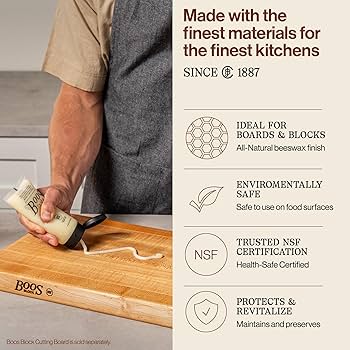
If you love cooking, you know how important a good cutting board is. But do you ever wonder what oil you should use to keep your cutting board in top shape?
Using the right oil can protect your board from cracks, stains, and bacteria. Choosing the wrong one might damage it or leave it sticky. You’ll discover exactly what oil works best for your cutting board and how to apply it.
Keep reading to learn the simple secret to making your cutting board last longer and stay safe for your food.
Choosing The Right Oil
Oiling a cutting board keeps it from drying out and cracking. Choosing the right oil is important for food safety and board care.
Not all oils work well on wood cutting boards. Some can spoil or leave sticky residues.
Food-safe Oils
Food-safe oils do not go bad or harm your health. They help keep the wood strong and water-resistant.
Common food-safe oils include mineral oil and some natural oils like coconut oil. These oils protect the board without spoiling.
- Mineral oil
- Coconut oil (refined)
- Walnut oil
- Grapeseed oil
Mineral Oil Benefits
Mineral oil is popular for cutting boards because it is odorless and tasteless. It does not go rancid over time.
This oil soaks into the wood and seals it from water. It also helps prevent cracks and warping.
- Safe for food contact
- Long-lasting protection
- Easy to apply and maintain
- Inexpensive and widely available
Natural Oils To Avoid
Some natural oils are not good for cutting boards. They can go rancid and smell bad over time.
Avoid oils that dry out or become sticky. These can damage the wood or attract bacteria.
- Vegetable oils like canola and soybean
- Flaxseed oil (unless fully cured)
- Nut oils if you have allergies
- Unrefined oils that spoil quickly
Why Olive Oil Isn’t Ideal
Olive oil is common in kitchens but not good for cutting boards. It can go rancid and leave a sticky surface.
Rancid olive oil smells bad and can cause the wood to attract dirt. It also does not protect the board well.
Applying Oil To Your Cutting Board
Oiling your cutting board keeps it healthy and strong. It stops the wood from drying out and cracking.
Using the right oil and applying it properly helps your board last longer.
Preparing The Board
Clean your cutting board before oiling. Use warm water and mild soap. Dry it well with a towel.
Make sure the board is completely dry. Oiling a wet board will trap moisture inside the wood.
How Much Oil To Use
Use enough oil to cover the whole surface of the board. A few tablespoons usually work for a medium board.
Don’t pour too much oil at once. It should soak into the wood, not pool on top.
Proper Application Techniques
Apply oil with a clean cloth or paper towel. Rub it in using small circles to cover the entire board.
- Start with the board’s surface
- Don’t forget the edges and sides
- Let the oil soak for at least 20 minutes
- Wipe off any extra oil that does not absorb
Frequency Of Oiling
Oil your cutting board regularly to keep it protected. Oiling once a month works well for heavy use.
If you use the board less, oil every 2 to 3 months. Always oil when the wood looks dry or dull.
Maintaining Your Cutting Board
Keeping your cutting board in good shape helps it last longer. Proper care stops cracks and keeps food safe.
Oiling your board is important. It protects the wood and keeps it looking fresh.
Cleaning Tips
Wash your cutting board after every use with warm water and soap. Avoid soaking it in water to stop warping.
- Use a sponge or soft brush
- Rinse well and dry immediately
- Do not put wooden boards in the dishwasher
Removing Stains And Odors
Lemon juice and salt can clean stains and remove smells. Rub the board with lemon and sprinkle salt on it.
- Cut a lemon in half
- Sprinkle coarse salt on the board
- Rub the lemon over the salted surface
- Let it sit 5 minutes, then rinse
Sanding For Smoothness
If your board feels rough or has deep cuts, sanding can help. Use fine-grit sandpaper to smooth the surface.
| Sandpaper Grit | Use |
|---|---|
| 120 | Remove deep scratches |
| 220 | Smooth surface after rough sanding |
| 320 | Final polish for smoothness |
When To Reapply Oil
Oil your board when it looks dry or water no longer beads on the surface. Regular oiling prevents cracks.
- Clean and dry the board fully
- Apply food-safe mineral oil evenly
- Let the oil soak in for several hours
- Wipe off any extra oil with a soft cloth

Credit: greenerchef.com
Alternatives To Oil For Board Care
Taking care of a cutting board means keeping it clean and smooth. Many people use oil to protect wood boards. But there are other choices that work well too.
These options can help keep your board safe from cracks and stains without just using plain oil. Here are some alternatives to try.
Beeswax And Oil Blends
Beeswax combined with natural oils creates a thicker coating. This blend seals the wood better and lasts longer than oil alone. It also adds a slight shine.
- Apply a small amount and rub it in well.
- Let it soak before wiping off extra wax.
- Use it every few weeks for best results.
Conditioning Balms
Conditioning balms are ready-made mixtures of oils and waxes. They are easy to use and often have natural ingredients. These balms help repair dry or damaged wood.
| Type | Main Ingredients | Use |
| Natural Balm | Beeswax, coconut oil | Protects and shines |
| Mineral Balm | Mineral oil, beeswax | Seals and moisturizes |
| Plant-Based Balm | Olive oil, carnauba wax | Softens and protects |
Commercial Products
Many stores sell special products for board care. These often combine oils, waxes, and other safe ingredients. They come ready to use and can save time.
- Check for food-safe labels.
- Avoid products with strong smells or chemicals.
- Pick options that say “for wood cutting boards”.
Common Mistakes To Avoid
Choosing the right oil for your cutting board is important. Using the wrong oil can damage the wood or make it unsafe.
Here are common mistakes people make when oiling their cutting boards. Avoid these to keep your board in good shape.
Using Toxic Oils
Some oils are harmful if they come into contact with food. Avoid oils like mineral oil with additives or cooking oils that can go bad.
Use food-safe oils designed for cutting boards. These oils protect the wood and are safe for food contact.
- Do not use vegetable or olive oil as they can turn rancid.
- Avoid oils with chemicals or synthetic additives.
- Choose pure mineral oil or specially made cutting board oil.
Over-oiling Issues
Putting too much oil on your cutting board can cause problems. Excess oil leaves a sticky surface that attracts dirt and dust.
Only apply a thin, even layer of oil. Let it soak in fully before using the board again.
- Too much oil can make the board slippery.
- Excess oil can trap bacteria in the wood.
- Over-oiled boards take longer to dry.
Ignoring Regular Maintenance
Oiling your cutting board once is not enough. You must oil it regularly to keep it protected and healthy.
Without regular care, the wood can dry out, crack, or absorb moisture and odors.
- Oil your board once a month or when it looks dry.
- Clean and dry the board before oiling.
- Regular maintenance extends the life of your cutting board.

Credit: www.amazon.ca

Credit: www.reddit.com
Frequently Asked Questions
What Is The Best Oil For Cutting Boards?
Mineral oil is often considered the best choice. It is food-safe, odorless, and helps preserve the board’s integrity. Regular application keeps the board hydrated and prevents cracking. Unlike vegetable oils, it won’t go rancid over time, making it ideal for long-term use.
Can I Use Olive Oil On A Cutting Board?
Using olive oil is not recommended. It can go rancid and create unpleasant odors. Rancid oil can affect the taste of food. Instead, opt for mineral oil or specialized cutting board oil to maintain the board’s condition and ensure food safety.
How Often Should I Oil My Cutting Board?
Oil your cutting board once a month or as needed. Regular oiling maintains the wood’s moisture, preventing cracking and warping. Frequency depends on usage and climate. If the board looks dry or absorbs water quickly, it’s time to oil it again.
Is Coconut Oil Good For Cutting Boards?
Coconut oil is not ideal for cutting boards. It can become rancid over time, affecting food safety. Mineral oil or specialized cutting board oils are better choices. These oils are designed to maintain the board’s condition without turning rancid.
Conclusion
Choosing the right oil keeps your cutting board safe and strong. Mineral oil is easy to find and protects wood well. Avoid cooking oils that can go bad and smell. Regular oiling stops cracks and warping over time. Clean your board before applying oil for best results.
A well-oiled board lasts longer and stays nice. Take a few minutes to care for your cutting board. Your kitchen tools will thank you for it. Simple steps make a big difference in board care.