If you want your wood cutting board to last longer and stay looking fresh, choosing the right oil is key. You might wonder why oiling matters or which type works best for your board.
Using the wrong oil can damage the wood or leave your board sticky and unpleasant to use. You’ll discover exactly what oil to use on your wood cutting board and how it keeps your kitchen tool safe and healthy. Keep reading to find simple tips that will make your cutting board your favorite kitchen companion for years to come.
Choosing The Right Oil
Wood cutting boards need the right oil to stay strong and clean. Using the best oil helps protect the wood from drying out and cracking. It also keeps the board safe for food use.
Not all oils work well for wood boards. Some oils can spoil or cause harm. Knowing which oil to pick will keep your board in good shape for a long time.
Food-safe Oils
Food-safe oils are safe to use on surfaces that touch food. They do not go bad quickly and do not leave harmful chemicals behind. These oils help keep your cutting board clean and healthy.
- Mineral oil: Clear and odorless, stays fresh for a long time.
- Walnut oil: Natural and good for wood, but watch for allergies.
- Fractionated coconut oil: Does not spoil and absorbs well.
- Pure linseed oil: Food grade, but takes time to dry.
Natural Vs Synthetic Oils
Natural oils come from plants and nuts. They soak into wood and help keep it moist. Synthetic oils are made in labs. They may protect wood but can contain chemicals.
| Type | Source | Pros | Cons |
| Natural Oils | Plants, nuts | Safe, nourishes wood | May spoil or cause allergies |
| Synthetic Oils | Lab-made | Long-lasting, water-resistant | Can have harmful chemicals |
Avoiding Harmful Oils
Some oils can harm your cutting board or your health. Avoid oils that turn sticky or smell bad after use. Stay away from oils not meant for food contact.
- Vegetable oils like olive or canola can go rancid.
- Motor oils and other synthetic products are toxic.
- Non-food-grade oils may contain chemicals.
- Avoid oils that leave a sticky or shiny surface.
Credit: strictlysinks.store
Popular Oils For Wood Boards
Choosing the right oil for your wood cutting board helps keep it in good shape. Oils protect the wood from drying out and cracking. They also make the surface safer for food preparation.
Many oils work well, but some are better than others. It is important to pick an oil that is safe and easy to use. Below, we explore popular oils used on wood boards.
Mineral Oil Benefits
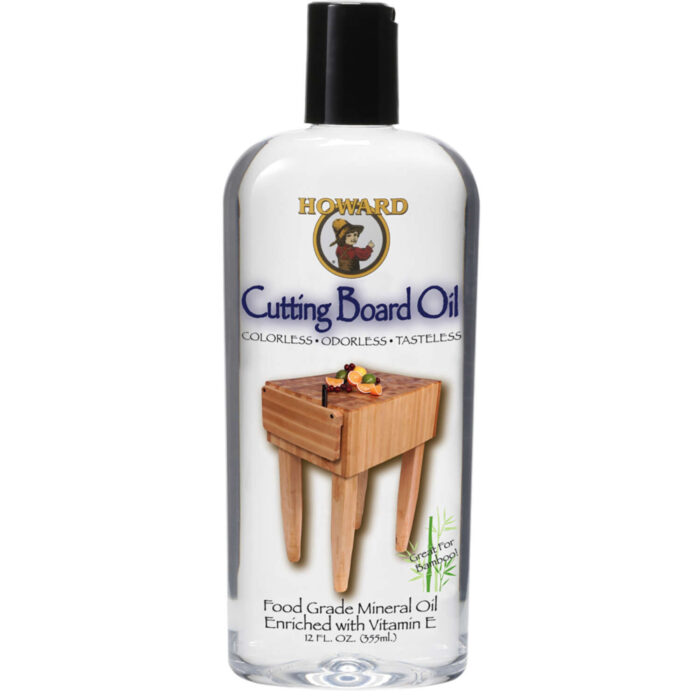
Mineral oil is a common choice for cutting boards. It is colorless, odorless, and tasteless. Mineral oil soaks into the wood and helps keep it from drying out. It also resists water and prevents stains.
This oil is easy to apply and affordable. Many people like mineral oil because it is food-safe and does not go bad quickly.
Beeswax Blends
Beeswax is often mixed with oil to create a protective blend. This mixture adds a slight shine and extra water resistance to wood boards. Beeswax helps seal the wood surface and keeps it smooth.
- Protects against moisture
- Adds a soft, smooth finish
- Safe for food contact
- Easy to apply and buff
Coconut Oil Considerations
Coconut oil is a natural option but can cause problems on cutting boards. It may go rancid over time and leave a bad smell. This oil can also attract bacteria if not cleaned well.
People who use coconut oil should apply it carefully and monitor the board for any odors or stickiness.
Walnut Oil And Allergies
Walnut oil is a good wood conditioner and dries hard. It is popular because it enhances the wood grain and offers strong protection. But it can cause allergic reactions for some people.
| Benefit | Note |
| Hard finish | Protects wood well |
| Enhances grain | Improves board appearance |
| Allergy risk | Avoid if nut allergies exist |
How To Apply Oil
Oiling your wood cutting board keeps it smooth and prevents cracking. Using the right oil and applying it properly extends the board’s life.
Here are simple steps to prepare, oil, and let your cutting board absorb the oil well.
Preparation Steps
Clean your cutting board before oiling. Remove any food or dirt by washing with warm, soapy water. Dry it completely with a towel.
Lightly sand the surface with fine-grit sandpaper if the board feels rough. Wipe away dust with a dry cloth after sanding.
- Wash board with warm water and mild soap
- Dry thoroughly with a clean towel
- Sand with fine-grit paper if needed
- Remove sanding dust completely
Oiling Techniques
Use food-safe mineral oil or a special cutting board oil. Avoid vegetable oils that can go rancid. Pour a small amount of oil on the board.
Spread oil evenly with a clean cloth or paper towel. Cover the entire surface, including edges and sides. Apply more oil if needed to soak in well.
- Choose food-safe mineral oil or cutting board oil
- Pour a small amount on the board surface
- Use a cloth to spread oil evenly
- Cover all sides and edges
- Add more oil if the wood absorbs it quickly
Drying And Absorbing Time
Let the oil soak into the wood for several hours. This helps the board absorb the oil fully and stay protected. Avoid using the board during this time.
If the board still looks dry after a few hours, apply another thin layer. Wipe off any extra oil before storing the board.
- Allow oil to soak for at least 4 hours
- Do not use the board during this time
- Apply a second layer if the wood still looks dry
- Wipe off excess oil before storing
Maintenance Tips
Keeping a wood cutting board in good shape requires regular care. Oiling helps protect and extend its life.
This guide covers how often to oil, cleaning before oiling, and signs your board needs oil.
Frequency Of Oiling
Oiling your cutting board regularly stops it from drying out and cracking. The frequency depends on how much you use it.
- For heavy use, oil your board once a week.
- For moderate use, oil every two to three weeks.
- For light use, oil once a month.
Cleaning Before Oiling
Clean your board well before applying oil. Removing dirt helps the oil soak in better.
- Wash with warm water and mild soap.
- Rinse thoroughly to remove soap residue.
- Dry the board completely with a towel.
- Let it air dry standing up for better airflow.
Signs Your Board Needs Oil
| Sign | What It Means |
|---|---|
| Wood looks dry and dull | The board is losing moisture and needs oil |
| Cracks or splits appear | Wood is drying out and may break soon |
| Water soaks in quickly | Protective oil layer is gone |
Common Mistakes To Avoid
Choosing the right oil for your wood cutting board is important. Using the wrong oil or applying it improperly can harm the wood.
Learn about common mistakes to avoid. This will help keep your cutting board in good condition for years.
Using Cooking Oils
Some people use regular cooking oils like olive or vegetable oil on their cutting boards. These oils can go bad and make the board sticky or smelly.
- Avoid oils that can turn rancid.
- Use mineral oil or special cutting board oils instead.
- Do not use flavored or scented oils.
- Make sure the oil is food safe and non-toxic.
Over-oiling
Applying too much oil can cause problems. Over-oiling creates a sticky surface and attracts dirt and bacteria.
| Signs of Over-Oiling | Why It Happens |
|---|---|
| Sticky or tacky surface | Excess oil not absorbed by wood |
| Darkened wood color | Oil pools and stains the wood |
| Attracts dust and dirt | Oil acts like glue for particles |
| Long drying time | Too much oil on the surface |
Apply oil in small amounts and wipe off the excess. Let the board absorb the oil before adding more.
Ignoring Cracks And Damage
Ignoring cracks or damage on your cutting board can make things worse. Oil will not fix deep cracks or splinters.
- Check your board regularly for cracks or splits.
- Sand small rough spots before oiling.
- Replace boards with large cracks or damage.
- Oil helps protect but does not repair wood.
Credit: walrusoil.com

Credit: ca.maisonrodin.com
Frequently Asked Questions
What Is The Best Oil For Wood Cutting Boards?
Mineral oil is the best choice for wood cutting boards. It’s food-safe, odorless, and tasteless. This oil penetrates the wood, preventing cracks and warping. It also enhances the board’s natural appearance. Regular application keeps your cutting board in top condition.
Can I Use Olive Oil On Cutting Boards?
Using olive oil on cutting boards is not recommended. Olive oil can become rancid over time, leaving an unpleasant smell. It doesn’t provide long-lasting protection. Instead, opt for food-grade mineral oil to ensure your board stays in good shape.
How Often Should I Oil My Cutting Board?
It’s best to oil your cutting board once a month. If the board appears dry or absorbs water quickly, apply oil more frequently. Regular oiling maintains the board’s durability and appearance. It also helps protect against moisture and bacteria buildup.
Why Use Food-grade Mineral Oil For Wood Boards?
Food-grade mineral oil is non-toxic and won’t spoil. It penetrates the wood, preventing cracks and enhancing longevity. This oil also repels water, minimizing bacterial growth. Regular use keeps your cutting board safe and looking great. It’s the preferred choice for maintaining wood cutting boards.
Conclusion
Choosing the right oil keeps your wood cutting board strong. Mineral oil is safe and easy to find. It soaks into the wood, stopping cracks and drying. Regular oiling helps your board last longer. Avoid cooking oils that can go bad.
Treat your board with care for best use. Simple steps protect your kitchen tool well. Keep your cutting board clean and oiled often. Enjoy chopping with a smooth, healthy surface every time.