Your cutting board is more than just a kitchen tool—it’s where you prepare meals for yourself and your loved ones. But do you know what oil to use on cutting boards to keep them safe, clean, and lasting longer?
Using the wrong oil can damage your board or even affect your food’s taste. You’ll discover the best oils that protect and nourish your cutting board, helping it stay fresh and ready for every meal. Keep reading to find out how a simple step can make a big difference in your kitchen.

Credit: ca.maisonrodin.com
Types Of Oils For Cutting Boards
Oiling cutting boards helps keep them in good shape. It stops the wood from drying out and cracking.
There are different types of oils you can use. Some oils work better and are safer for food contact.
Mineral Oil Benefits
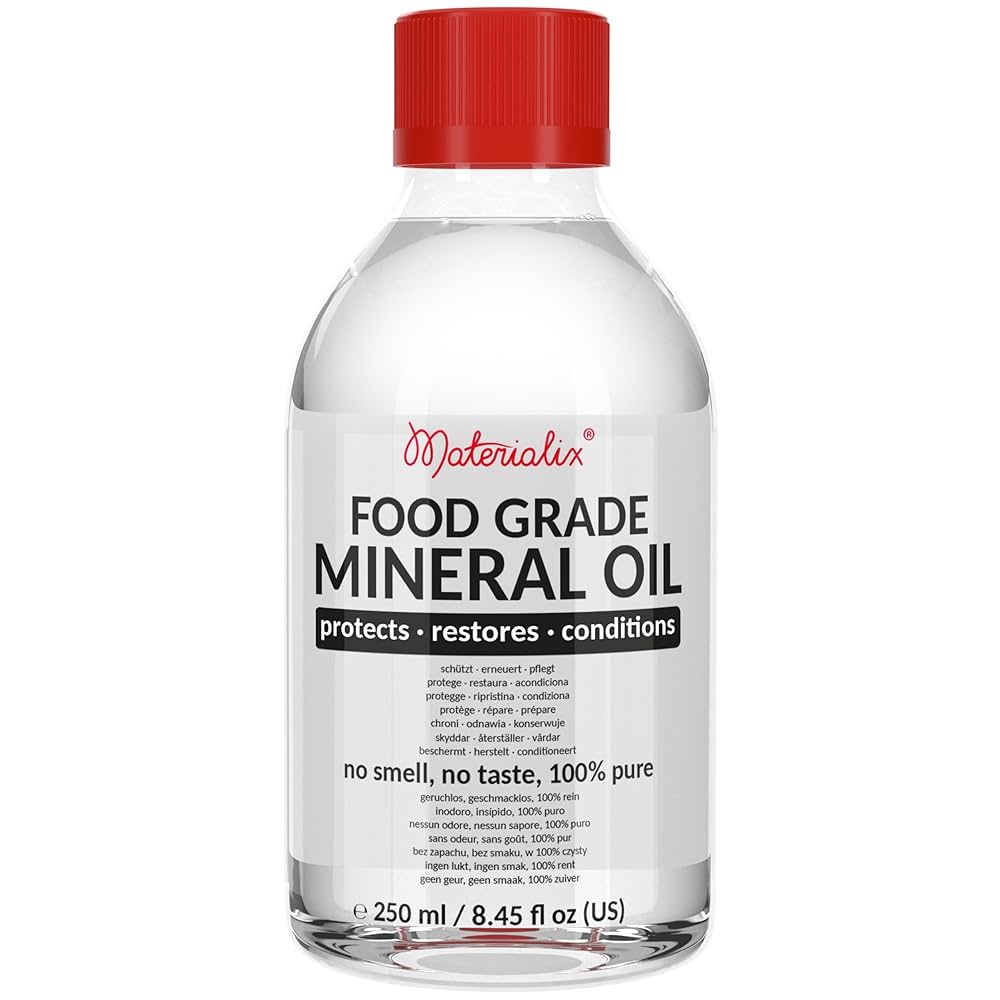
Mineral oil is a popular choice for cutting boards. It is colorless, odorless, and safe for food use.
This oil soaks into the wood and protects it from water damage. It also keeps the board looking fresh.
- Prevents wood from drying out
- Non-toxic and food-safe
- Easy to apply and dries quickly
- Does not go rancid over time
Food-grade Oils To Avoid
Some food-grade oils are not good for cutting boards. They can spoil or leave sticky residue.
Oils that can turn rancid should be avoided. These oils can cause bad smells and damage the wood.
- Olive oil – can go rancid and sticky
- Vegetable oil – may spoil and smell bad
- Canola oil – not stable for wood care
- Coconut oil (unrefined) – may develop odor
Natural Oils And Their Properties
Some natural oils are safe for cutting boards. They harden and protect the wood without spoiling.
These oils also have different scents and drying times. Choose one that fits your needs.
- Tung oil – hardens well and water-resistant
- Walnut oil – food-safe and dries hard
- Beeswax (often mixed with oil) – seals and protects
- Linseed oil (food-grade) – protects and hardens wood

Credit: www.amazon.ca
Choosing The Right Oil
Oiling your cutting board keeps it strong and safe to use. Picking the right oil is key for long life.
Some oils protect better, others are safer for food. Learn what works best for your board.
Durability And Protection
Good oil stops wood from drying and cracking. It also keeps water out.
Oils like mineral oil soak in well and shield the board. They help wood last longer.
- Penetrate wood to prevent damage
- Keep moisture from warping the board
- Help avoid cracks and splits
Food Safety Considerations
Use oils safe for food contact. Avoid oils that can go rancid or cause allergies.
Mineral oil is tasteless and safe. Food-grade oils like walnut oil are good but may cause allergies.
- Choose food-safe, non-toxic oils
- Avoid vegetable oils that spoil fast
- Check for allergy risks
Ease Of Application
Pick an oil that is easy to apply and dries well. This makes maintenance simple.
Mineral oil spreads smoothly and soaks in quickly. Some oils may leave sticky residue.
- Apply oil with a clean cloth
- Let it soak for several hours
- Wipe off extra to prevent stickiness
How To Oil A Cutting Board
Oiling your cutting board keeps it strong and safe. It stops cracks and prevents water damage. Using the right oil is important for the best care.
This guide shows how to prepare, apply oil, and how often to oil your board for long-lasting use.
Preparation Steps
Start by cleaning your board well. Remove all food bits and dry it completely. Sand rough spots to smooth the surface. This helps the oil soak in evenly.
- Wash the board with warm, soapy water
- Dry with a clean towel and air dry fully
- Lightly sand any rough or dry areas
- Wipe away dust with a damp cloth
Application Techniques
Use food-safe mineral oil for best results. Avoid vegetable oils that can go rancid. Apply oil with a clean cloth or paper towel. Rub it in with the grain of the wood.
- Pour a small amount of oil on the board
- Spread evenly using a soft cloth
- Cover the entire surface, including edges
- Let the oil soak in for a few hours or overnight
- Wipe off any extra oil before use
Frequency Of Oiling
| Condition | Oiling Frequency |
|---|---|
| New or dry board | Every week until fully conditioned |
| Regular use | Once a month |
| Heavy use or washing often | Every two weeks |
Common Mistakes To Avoid
Choosing the right oil for your cutting board is important. Using the wrong oil can damage the board or make it unsafe.
Learn about common mistakes people make when oiling cutting boards. Avoid these to keep your board in good shape.
Using Toxic Oils
Some oils are toxic and unsafe for food contact. Avoid using oils that can spoil or become sticky.
Oils like vegetable oil and olive oil can go rancid. This makes your board smell bad and damages the wood.
- Use food-safe mineral oil or specialized cutting board oil
- Avoid cooking oils that can spoil
- Check labels to ensure the oil is non-toxic and safe
Over-oiling Issues
Applying too much oil can cause problems. The board may stay sticky and attract dirt.
Oil builds up if you do not wipe off the excess. This can make the surface uneven and hard to clean.
- Apply a thin, even layer of oil
- Let the oil soak in for a few hours
- Wipe off any extra oil with a clean cloth
Ignoring Board Type
Different cutting boards need different care. Hardwoods like maple absorb oil well. Softwoods may not.
Plastic boards do not need oiling. Using oil on the wrong board can cause damage or waste oil.
- Use mineral oil on wooden boards only
- Do not oil plastic, glass, or metal boards
- Check your board type before applying oil
Maintaining Your Cutting Board
Taking care of your cutting board helps it last longer and stay safe. Using the right oil keeps the wood strong and prevents cracks.
Proper maintenance includes cleaning, storing, and knowing when to oil your board. This guide shares easy tips to keep your board in good shape.
Cleaning Tips Before Oiling
Clean your cutting board well before applying oil. Remove food particles and stains to avoid trapping dirt under the oil.
- Wash with warm water and mild soap
- Scrub gently using a sponge or soft brush
- Rinse thoroughly to remove soap
- Dry completely with a clean towel
- Let it air dry standing upright for several hours
Storage Recommendations
Store your cutting board in a dry place to avoid warping or mold. Keep it away from direct sunlight and heat sources.
| Storage Tip | Reason |
| Keep upright | Allows air circulation to dry |
| Avoid stacking | Prevents pressure marks |
| Store in a cool area | Prevents wood from cracking |
| Use a board rack | Keeps board stable and dry |
Signs Your Board Needs Oil
Look for these signs to know when to oil your cutting board. Regular oiling helps maintain its strength and look.
- Wood looks dry or faded
- Surface feels rough or splintered
- Water droplets no longer bead on the surface
- Board cracks or shows small splits
- Food stains soak in quickly
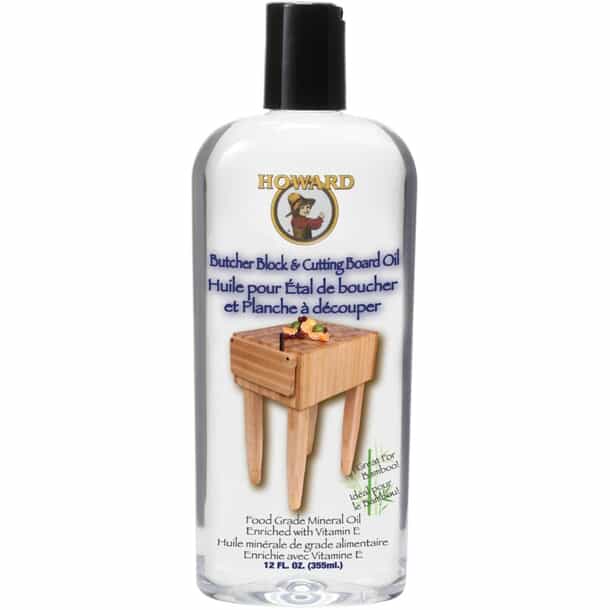
Credit: www.homehardware.ca
Frequently Asked Questions
What Is The Best Oil For Cutting Boards?
The best oil for cutting boards is food-grade mineral oil. It is safe, non-toxic, and prevents the wood from drying out. Mineral oil penetrates deep into the wood, keeping it moisturized. Regular application helps maintain the board’s condition and prolongs its lifespan.
Can I Use Olive Oil On Cutting Boards?
It’s not recommended to use olive oil on cutting boards. Olive oil can become rancid over time and leave a sticky residue. This can create an unpleasant odor and affect the board’s performance. Instead, opt for food-grade mineral oil or specialized cutting board oils.
How Often Should I Oil My Cutting Board?
You should oil your cutting board once a month. Regular oiling keeps the wood hydrated and prevents cracking. If your board sees heavy use, consider oiling it more frequently. Apply a generous amount of oil and let it soak overnight for best results.
Is Coconut Oil Safe For Cutting Boards?
Coconut oil is not ideal for cutting boards. It can go rancid and develop an unpleasant odor. For optimal care, use food-grade mineral oil instead. It provides long-lasting protection without the risk of spoilage, ensuring your cutting board remains in top condition.
Conclusion
Choosing the right oil keeps your cutting board safe and strong. Mineral oil is a top choice for many. It soaks in well and stops cracks. Food-safe oils protect your board from water damage. Avoid cooking oils that can turn rancid.
Regular oiling makes your board last longer. Clean and dry your board before oiling. A well-oiled board looks better and works well. Take care of your cutting board, and it serves you for years. Simple steps make a big difference.