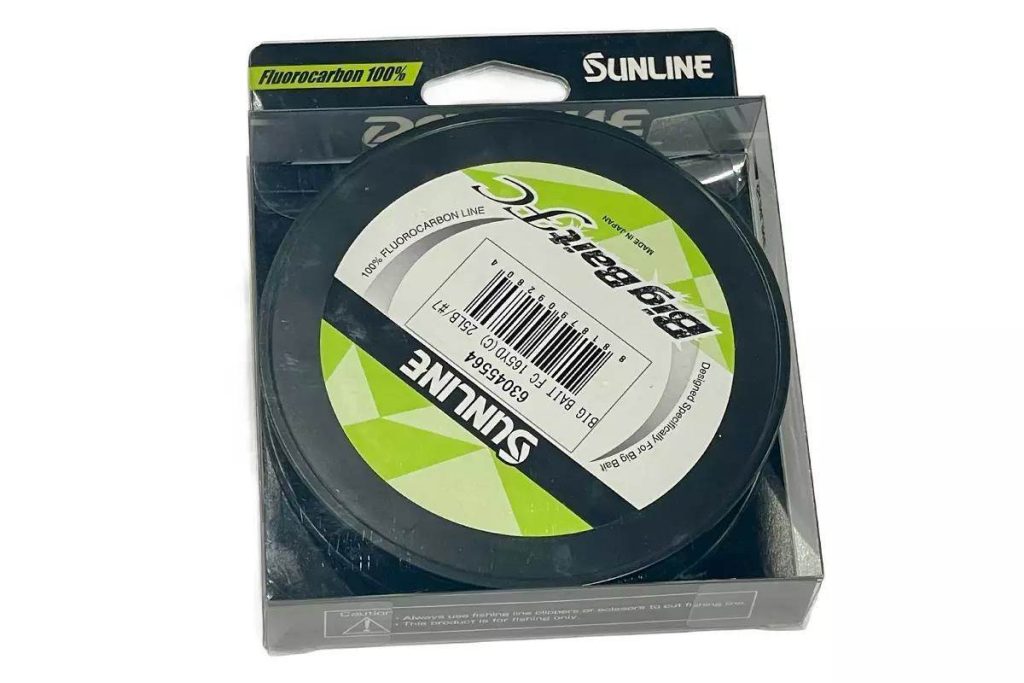
Choosing the right pound fishing line for bass can make all the difference between landing a big catch or losing it at the last moment. You want a line strong enough to handle the fight but still sensitive enough to feel every nibble.
If you’re unsure which line weight suits your fishing style and the bass you’re after, you’re not alone. This guide will help you pick the perfect pound test line so you can fish with confidence and increase your chances of success.
Keep reading to find out exactly what works best for your next bass fishing trip.
Bass Fishing Line Basics
Choosing the right fishing line is key for catching bass. The line must match your fishing style and bass habits.
This guide covers common line types and why line strength matters. It helps you pick the best line for bass fishing.
Line Types For Bass
Bass fishermen use different line types. Each type has strengths and weaknesses for bass fishing.
- Monofilament:Easy to handle and stretchable. Good for beginners.
- Fluorocarbon:Nearly invisible underwater. Better for clear water.
- Braid:Very strong with little stretch. Best for heavy cover.
Importance Of Line Strength
Line strength is shown by pound test. It tells how much weight the line can hold before breaking.
| Pound Test | Best Use | Notes |
| 6-10 lbs | Light cover, small bass | Good for finesse fishing |
| 12-17 lbs | Medium cover, average bass | Most common choice |
| 20-30 lbs | Heavy cover, large bass | Strong but less sensitive |
Choosing The Right Pound Test
Fishing for bass requires the right fishing line. The pound test is crucial to your success. It determines the strength and suitability of your line.
Choosing the right pound test depends on several factors. These include the size of the bass and the fishing environment.
Light Line Benefits
Light lines are often chosen for their subtlety. They make your lure appear more natural in the water.
With a light line, casting is easier and more accurate. It is suitable for clear waters where bass are wary.
- Improved casting distance
- Less visible to fish
- Better lure action
Heavy Line Advantages
Heavy lines are strong and robust. They are ideal for fishing in dense cover and around obstacles.
They provide extra strength needed to reel in larger bass. Heavy lines can handle rough environments.
- Increased strength for big fish
- Durable in harsh conditions
- Less likely to break
Balancing Strength And Sensitivity
Finding the right balance is key in bass fishing. You need strength to handle big fish but sensitivity to feel bites.
Consider the water you fish in and the average size of bass. Adjust your pound test accordingly for the best results.
| Environment | Recommended Pound Test |
| Clear Water | 6-8 lbs |
| Heavy Cover | 15-20 lbs |
Popular Line Materials
Choosing the right fishing line for bass is important. Different materials offer different strengths and features.
This guide explains three popular types of fishing lines. Each has its own benefits for bass fishing.
Monofilament Lines
Monofilament lines are made from a single strand of nylon. They are stretchy and easy to handle.
This line type floats on water and has good knot strength. It is good for beginners and general use.
- Stretch helps absorb fish strikes
- Good visibility in water
- Less expensive than other types
- Can weaken from sun exposure
Fluorocarbon Lines
Fluorocarbon lines are made from a special polymer. They are nearly invisible underwater.
This line sinks faster than monofilament. It is strong and resists abrasion well, making it great for clear water.
- Low visibility helps catch shy bass
- Good abrasion resistance
- Less stretch than monofilament
- More expensive but durable
Braided Lines
Braided lines are made by weaving many fibers together. They are very strong for their diameter.
This line has almost no stretch and floats on water. It is good for heavy cover and long casts.
- High strength with thin diameter
- Very sensitive to bites
- Does not stretch much
- Can be visible in clear water

Credit: www.expertanglingloz.com
Factors Affecting Line Strength
Choosing the right pound test for bass fishing depends on many factors. Line strength affects how well you can handle different fishing conditions. Knowing what to consider helps you pick the best line.
Several key elements change the needed line strength. These include the water where you fish, the size and habits of bass, and your fishing methods. Each factor plays a role in the line’s performance.
Water Conditions
Water conditions affect the wear and tear on your fishing line. Clear water may require lighter line to avoid spooking bass. Murky or weedy water might need stronger line to prevent breaks.
- Clear water: use lighter line for less visibility
- Weedy water: stronger line resists snags and abrasion
- Rocky areas: durable line protects against cuts
- Saltwater or brackish water: corrosion-resistant line is best
Bass Size And Behavior
Bass size and how they act changes the needed pound test. Larger bass need stronger line to avoid breaking. Aggressive fish may cause sudden tension, so a tough line helps.
| Bass Size | Recommended Line Strength |
| Small (under 2 lbs) | 6-8 lb test |
| Medium (2-5 lbs) | 8-12 lb test |
| Large (over 5 lbs) | 12-20 lb test |
Fishing Techniques
Your fishing style also affects the line choice. Different lures and actions put varied stress on the line. Match your technique to the right pound test for best results.
- Topwater fishing: lighter line helps with lure action
- Flipping and pitching: medium to heavy line resists breakage
- Deep water jigging: strong line handles pressure and weight
- Using heavy cover: thick line avoids cuts and tears
Top Pound Tests For Bass In 2025
Choosing the right pound test for bass fishing is important. It helps catch bass without breaking your line.
This guide covers the best pound tests for different bass sizes. You will learn about lightweight, medium, and heavy lines.
Lightweight Lines For Panfish-sized Bass
Lightweight lines work well for small bass and panfish. They offer good sensitivity and less visibility in water.
Use lines in the 4 to 8-pound test range for panfish-sized bass. These lines help feel bites and fight fish gently.
- 4 lb test: Best for very small bass and panfish
- 6 lb test: Good balance of strength and sensitivity
- 8 lb test: Strong enough for larger panfish-sized bass
Medium Strength Lines For Average Bass
Medium strength lines fit most bass fishing situations. They handle average-sized bass well without too much stretch.
Choose lines between 10 and 15 pounds for average bass. This range offers good control and strength.
- 10 lb test: Great for small to medium bass
- 12 lb test: Common choice for average bass fishing
- 15 lb test: Stronger line for bigger average bass
Heavy Lines For Trophy Bass
Heavy lines are needed for trophy bass. These fish fight hard and need strong lines to land safely.
Use lines from 17 to 30 pounds for trophy bass. These lines resist breaking and abrasion in tough conditions.
- 17 lb test: Good for large bass in moderate cover
- 20 lb test: Strong line for heavy cover fishing
- 30 lb test: Best for the biggest bass and rough spots
Credit: www.k9fishing.com
Tips For Maximizing Line Performance
Choosing the right pound fishing line for bass is important. Keeping the line in good shape helps you catch more fish.
Below are tips to improve your fishing line’s strength and durability. Follow these to get the best from your line.
Proper Line Maintenance
Cleaning and storing your fishing line correctly keeps it strong and long-lasting. Dirt and salt can weaken the line over time.
- Rinse the line with fresh water after each use
- Dry the line completely before storing it
- Keep the line away from direct sunlight to avoid damage
- Check for frays or nicks regularly and cut damaged parts
- Store the spool in a cool, dry place
Knot Strength And Selection
Using the right knots improves your line’s holding power. A weak knot can cause lost fish even with a strong line.
| Knot Type | Strength | Ease of Tying |
| Palomar Knot | High | Easy |
| Improved Clinch Knot | Medium | Medium |
| Uni Knot | High | Medium |
| Loop Knot | Medium | Hard |
Test your knots before fishing by pulling hard. Replace knots that slip or look worn.
Line Replacement Frequency
Replace your fishing line often to keep it strong. Old lines lose strength and can break easily.
- Replace line after 5-10 fishing trips
- Change line immediately if you see damage
- Replace line if it feels rough or stiff
- Use fresh line before important fishing trips
Common Mistakes To Avoid
Choosing the right pound fishing line for bass fishing is important. Many anglers make mistakes that reduce their chances of success.
This guide points out common errors to help you fish smarter and avoid problems on the water.
Using Too Heavy Line
Using a fishing line that is too heavy can scare bass away. Heavy lines are more visible and less flexible. This can reduce your catch rate.
- Heavy line limits lure action and movement.
- It reduces the natural feel of the bait.
- Heavier line may cause more fish to break off.
- Light to medium line usually works best for bass.
Ignoring Line Wear
Wear and tear on your fishing line weakens it over time. This can cause unexpected breaks and lost fish.
| Cause of Wear | Effect on Line |
| Rubbing on rocks or logs | Creates weak spots |
| Exposure to sun and heat | Reduces strength |
| Repeated casting | Causes micro-damage |
| Saltwater exposure | Speeds up corrosion |
Neglecting Environmental Factors
Environmental conditions affect line choice and performance. Ignoring them can lead to poor fishing results.
Consider these factors before choosing your line:
- Water clarity: Clear water needs less visible lines like fluorocarbon.
- Vegetation: Heavy cover needs stronger, abrasion-resistant line.
- Weather: Wind and rain can affect casting distance and control.
- Water temperature: Cold water may affect line flexibility.

Credit: www.reddit.com
Frequently Asked Questions
What Pound Fishing Line Is Best For Bass Fishing?
For bass fishing, a 10-20 pound test line is ideal. It offers strength to handle bass and enough sensitivity to feel bites.
Can I Use Lighter Lines For Bass Fishing?
Yes, lighter lines like 6-8 pounds work for clear water and smaller bass. They improve lure action and reduce visibility.
How Does Line Strength Affect Bass Fishing Success?
Stronger lines help fight bigger bass but may reduce lure action. Choosing the right strength balances durability and fish attraction.
Is Braided Or Monofilament Line Better For Bass?
Braided lines offer high strength and sensitivity but lack stretch. Monofilament provides stretch and better knot strength, ideal for beginners.
Conclusion
Choosing the right pound fishing line helps catch bass with less trouble. Stronger lines handle big bass but can be stiff and visible. Lighter lines offer better feel and less chance to scare fish. Consider water clarity and bass size when picking your line.
Testing different lines helps find what works best for you. Enjoy fishing with confidence and patience. Catch more bass by using the right fishing line strength. Keep it simple, and have fun on the water.