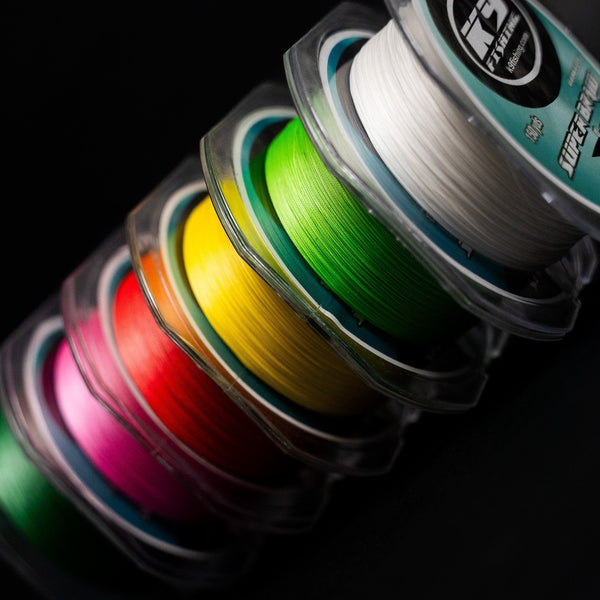
Choosing the right pound fishing line for bass can make all the difference between landing a big catch or losing it at the last moment. You want a line strong enough to handle the fight but still sensitive enough to feel every nibble.
If you’ve ever felt confused about what strength to use or worried your line might snap just when it counts, you’re not alone. This guide will help you find the perfect balance, so you can fish with confidence and increase your chances of reeling in that trophy bass.
Keep reading, and you’ll discover how to pick the ideal pound test for your bass fishing needs.
Bass Fishing Basics
Bass fishing is a popular outdoor activity for many anglers. Choosing the right fishing line is important for success. Different fishing lines work better in different conditions.
This guide covers bass behavior and habitats along with popular fishing techniques. Understanding these will help you decide what pound fishing line to use.
Bass Behavior And Habitats
Bass are freshwater fish that prefer warm water. They stay near structures like rocks, logs, and weed beds. They feed mostly during early morning and late evening.
- Bass hide near cover to avoid predators.
- They like clear water but tolerate some murkiness.
- Depth varies by season; shallow in spring, deeper in summer.
- They respond to changes in water temperature and light.
Popular Bass Fishing Techniques
Anglers use many techniques for bass fishing. Each technique needs specific line strength. The right pound test line helps to catch and land bass without losing them.
| Technique | Recommended Line Pound Test | Reason |
| Spinnerbait | 10-12 lbs | Good for cover and cast control |
| Soft Plastic Worm | 8-12 lbs | Flexible and sensitive for finesse fishing |
| Crankbait | 12-14 lbs | Strong for deeper water and heavy cover |
| Topwater | 10-15 lbs | Durable for strikes and surface fights |
Types Of Fishing Lines
Choosing the right fishing line is key for catching bass. Different lines offer various benefits and features. Knowing these helps you pick the best one for your fishing style.
This guide explains three main types: monofilament, fluorocarbon, and braided lines. Each has unique traits that suit different fishing needs.
Monofilament Line Features
Monofilament line is made from a single strand of nylon. It is flexible and easy to handle. This line floats well and stretches under pressure, which can help avoid snapped lines.
It is often the best choice for beginners because it knots well and is less visible on the water surface. Monofilament also comes in many pound tests, usually from 4 to 20 pounds for bass fishing.
Fluorocarbon Line Benefits
Fluorocarbon line is nearly invisible underwater. It sinks faster than monofilament, making it ideal for deep bass fishing. This line is also abrasion resistant and lasts longer in rough conditions.
- Low visibility in water
- Sinks quickly for deep fishing
- Strong against sharp objects
- Less stretch for better hook sets
Braided Line Strengths
Braided line is made from several fibers woven together. It is very strong and has little stretch. This line is great for heavy cover or when you need to pull big bass out fast.
| Feature | Benefit |
| High strength | Handles big fish easily |
| Small diameter | More line fits on reel |
| Very low stretch | Improves bite detection |
| Visible in water | Best for topwater fishing |
Choosing The Right Pound Test
Selecting the right pound test for bass fishing is very important. It helps you catch bass without breaking your line.
The pound test shows how much weight your fishing line can hold before it breaks. Choosing the right strength depends on many factors.
Factors Influencing Line Strength
The size and weight of the bass affect the line strength you need. Bigger bass need stronger lines to hold them.
Water conditions like weeds or rocks can also affect your line. Rough places need stronger lines to avoid snapping.
- Bass size and weight
- Water depth and clarity
- Presence of weeds, rocks, or debris
- Type of bait or lure used
Matching Line To Fishing Conditions
Clear water calls for thinner, lighter lines so fish do not see it easily. Murky water allows for thicker, stronger lines.
If you fish in heavy cover like bushes or logs, pick a stronger line. Open water needs less strong lines for better casting.
- Clear water: 6-10 pound test
- Muddy or stained water: 10-15 pound test
- Heavy cover areas: 15-20 pound test
- Open water: 8-12 pound test
Balancing Sensitivity And Durability
Light lines give better feeling of the fish biting. They allow you to sense small movements and bites quickly.
Stronger lines last longer and resist breaks, but they are less sensitive. Choose a line that fits your fishing style.
- Light lines: more sensitive, less durable
- Heavy lines: less sensitive, more durable
- Pick line strength based on fish size and fishing style

Credit: www.floridasportsman.com
Recommended Pound Tests For Bass
Choosing the right fishing line strength is important for catching bass. The pound test shows how much weight the line can hold before breaking.
Different bass sizes need different line strengths. Using the right pound test helps you catch bass without losing your lure or line.
Lightweight Lines For Small Bass
Lightweight lines are good for small bass. They let you feel bites better and cast more smoothly.
Lines rated between 4 and 8 pounds work well for small bass fishing. They are less visible in the water and help catch cautious fish.
- 4 lb test: Best for very small bass and light lures
- 6 lb test: Good for average small bass
- 8 lb test: Stronger but still light for small to medium bass
Medium Strength Lines For Versatility
Medium strength lines suit many fishing styles. They offer a balance between sensitivity and strength.
Lines with 10 to 15 pounds of test are popular. They can handle medium-sized bass and heavier lures.
- 10 lb test: Great for most bass fishing situations
- 12 lb test: Extra strength for bigger bass or thicker cover
- 15 lb test: Strong enough for heavy lures and bigger bass
Heavy Lines For Big Bass
Heavy lines work best for big bass or tough fishing conditions. They resist breaking around rocks or wood.
Use lines rated 20 pounds or more if you expect large fish. These lines give you more control and power.
- 20 lb test: Suitable for large bass and heavy cover
- 25 lb test: Great for very big bass and strong fight
- 30+ lb test: For the biggest bass and toughest fishing spots
Line Maintenance Tips
Keeping your bass fishing line in good shape helps you catch more fish. Regular care prevents breaks and tangles. Simple checks and storage habits extend your line’s life.
Follow these tips to keep your line strong and ready for action. This guide covers checking for damage, storing the line, and knowing when to replace it.
Checking For Wear And Tear
Look closely at your fishing line before each trip. Small cuts, frays, or discoloration weaken the line. These flaws can cause the line to snap during a fight with a bass.
- Run the line through your fingers to feel for rough spots.
- Check for any visible nicks or abrasions.
- Look for changes in color that might show sun damage.
- Replace sections that show any damage.
Proper Storage Techniques
Store your fishing line in a cool, dry place away from sunlight. Heat and UV rays break down line fibers and reduce strength. Avoid tight coils that can cause memory in the line.
| Storage Method | Benefit |
| Keep spools in sealed plastic bags | Protects from dust and moisture |
| Store line away from direct sunlight | Prevents UV damage |
| Loosely coil line on spool | Reduces line memory and tangles |
| Use line conditioner spray occasionally | Keeps line flexible |
Replacing Old Line
Old line loses strength and can cause you to lose bass. Replace your line after several fishing trips or if it shows wear. Regular replacement keeps your gear reliable.
- Remove all old line from your reel.
- Inspect the reel for dirt and clean it if needed.
- Choose the right pound test line for bass fishing.
- Spool new line evenly and tightly onto the reel.
- Cut any loose ends to avoid tangles.
Common Mistakes To Avoid
Choosing the right pound fishing line for bass is important. Many anglers make simple mistakes that hurt their fishing success.
This guide covers common errors to avoid when selecting and using bass fishing line.
Using Too Heavy Or Too Light Line
Picking the wrong line strength can cause problems. Heavy line may scare the bass away. Light line can break easily.
- Heavy line reduces lure action and sensitivity.
- Light line may snap on big bass or sharp cover.
- Match line strength to the bass size and water conditions.
- Use medium-strength line for most bass fishing situations.
Ignoring Environmental Factors
Water clarity, vegetation, and obstacles affect line choice. Clear water needs lighter, less visible line. Weedy areas need strong, abrasion-resistant line.
| Environmental Factor | Recommended Line Type | Line Strength (Pound Test) |
| Clear Water | Fluorocarbon or Light Monofilament | 6-10 lb |
| Weedy or Rocky Areas | Braid or Heavy Monofilament | 12-20 lb |
| Open Water | Monofilament or Fluorocarbon | 8-12 lb |
Neglecting Line Quality
Low-quality line can cause many issues. It may have weak spots or stretch too much. This lowers hook sets and fighting power.
Check these points for quality line:
- Choose well-known brands.
- Inspect line for nicks or abrasions before use.
- Store line properly to avoid damage from heat or sunlight.
- Replace old line to keep strength and sensitivity.
Expert Tips For Perfect Catch
Choosing the right pound fishing line for bass fishing is important. It helps you catch fish more easily and avoid losing them.
This guide shares expert tips to pick and use fishing line well. You will learn how to adjust line by season, combine types, and improve your hook sets.
Adjusting Line Based On Season
Seasons affect bass behavior and water conditions. Adjust your line strength to match these changes for better results.
- Spring: Use 8-12 pound line. Bass are active but water can be murky.
- Summer: Choose 10-15 pound line for stronger fish and clearer water.
- Fall: Use 12-17 pound line to handle bigger bass feeding before winter.
- Winter: Pick 6-10 pound line as bass move slower and water is cold.
Combining Line Types
Using two types of fishing line can improve your fishing. Main line and leader line work together for strength and stealth.
| Line Type | Purpose | Recommended Pound |
| Braided Line | Main line for strength and sensitivity | 15-30 lbs |
| Fluorocarbon Leader | Invisible near bait, abrasion resistant | 8-12 lbs |
| Monofilament Leader | Stretch to soften hook sets | 10-14 lbs |
Enhancing Hook Sets With Proper Line
Strong hook sets need the right line. Use line that balances strength with some stretch to set hooks firmly.
- Choose line with moderate stretch to avoid snapping.
- Match line strength to hook size and bass size.
- Use lighter line for small hooks and lighter lures.
- Heavier line works best for big bass and heavy cover.
- Practice smooth, quick hook sets to reduce line breakage.

Credit: www.expertanglingloz.com

Credit: www.reddit.com
Frequently Asked Questions
What Pound Fishing Line Is Best For Bass?
For bass fishing, a 10-20 pound test line is ideal. It balances strength and sensitivity, handling bass’s fighting power well.
Can I Use Lighter Line For Bass Fishing?
Yes, lighter lines (6-10 pounds) work in clear water and calm conditions. They offer better lure action and less visibility.
When Should I Choose Heavier Pound Line For Bass?
Choose heavier lines (20+ pounds) in heavy cover or murky water. They resist abrasion and help pull bass from dense vegetation.
Is Braided Or Monofilament Line Better For Bass?
Braided line offers high strength and sensitivity, great for heavy cover. Monofilament is more stretchable and better for topwater lures and general use.
Conclusion
Choosing the right pound fishing line matters. Bass fishing success depends on it. Lighter lines suit clear waters. Heavier lines handle dense cover better. Consider the fishing environment. Adapt to conditions for best results. Experience and practice improve line choice over time.
Experiment with different strengths. Find what works best for you. Remember, every fishing trip is unique. Stay patient and enjoy the process. Catching bass can be rewarding. With the right line, it becomes easier. Happy fishing and tight lines!