Are you wondering what temperature to set your air conditioner for the best comfort and savings? Choosing the right setting can make a big difference in how cool your home feels and how much you pay on your energy bill.
Too cold, and you might waste money; too warm, and you may feel uncomfortable. You’ll discover the perfect balance that keeps you comfortable while saving energy. Keep reading to find out how to set your air conditioner just right for your home and lifestyle.
Credit: www.tomsguide.com
Ideal Temperature Range
Setting the right temperature on your air conditioner helps keep your home comfortable. It also saves energy and lowers bills.
The ideal range is usually between 72°F and 78°F. This range balances coolness and energy use well.
Balancing Comfort And Energy Use
Lower temperatures cool your home faster but use more energy. Higher temperatures save energy but may feel warm.
Setting your thermostat around 75°F keeps you cool without wasting power. You can adjust it a little to stay comfortable.
- Set higher when you are away to save energy
- Use a fan to help spread cool air
- Close blinds to block heat from the sun
Recommended Settings For Different Seasons
In summer, keep your air conditioner between 74°F and 78°F. This cools your home without high costs.
In spring and fall, use higher settings like 78°F or turn off the AC when possible. Open windows to get fresh air.
| Season | Recommended Temperature | Tips |
|---|---|---|
| Summer | 74°F – 78°F | Use fans and close blinds |
| Spring/Fall | 78°F or off | Open windows for fresh air |
| Winter | Turn off AC or 78°F if needed | Use heating instead |
Factors Affecting Temperature Choice
Setting your air conditioner to the right temperature keeps you comfortable. Many things affect this choice.
Understanding these factors helps you pick the best temperature for your space.
Humidity Levels
Humidity affects how warm or cool you feel inside a room. High humidity makes the air feel hotter.
Lower temperatures help reduce moisture and make the space more comfortable.
- High humidity needs cooler settings
- Low humidity allows for warmer settings
- Use a dehumidifier to balance moisture
Room Size And Insulation
Bigger rooms need more cooling power to reach the set temperature. Poor insulation lets cool air escape.
Well-insulated rooms keep the cool air in, so you can set a higher temperature and save energy.
- Large rooms may need cooler settings
- Good insulation keeps rooms cooler longer
- Check windows and doors for leaks
Number Of Occupants
More people in a room produce extra body heat. This heat raises the room temperature.
You may need to lower the air conditioner temperature to stay comfortable with many occupants.
- More people means more cooling needed
- Fewer people allow for higher temperature settings
- Adjust settings based on room use
Energy Savings Tips
Setting your air conditioner to the right temperature can save energy and lower bills. Small changes in settings help reduce power use.
Learn how to use thermostats, adjust settings when away, and maintain your AC for better efficiency.
Using Programmable Thermostats
Programmable thermostats let you set temperatures for different times. This avoids cooling empty rooms and saves energy.
- Set higher temperatures when you are not home
- Lower temperatures only when you need cooling
- Use daily or weekly schedules for comfort and savings
Adjusting Settings When Away
Raising your AC temperature when you leave can cut energy use. It keeps the system off or low until you return.
| Situation | Recommended Temperature |
| Home and Active | 72°F (22°C) |
| Away for Few Hours | 78°F (26°C) |
| Gone All Day | 85°F (29°C) |
Maintaining Your Air Conditioner
Regular care keeps your AC running well and saves energy. Clean filters and check parts often.
- Clean or replace air filters monthly
- Clear debris from outdoor units
- Schedule yearly professional check-ups
- Seal leaks around doors and windows

Credit: www.reddit.com
Health Considerations
Setting your air conditioner properly helps keep you healthy. The right temperature avoids discomfort and health problems.
We focus on two key health points: avoiding overcooling and preventing respiratory issues.
Avoiding Overcooling
Too cold air can cause body stress and muscle stiffness. It can also make you feel tired or sick.
- Set the temperature between 75°F and 78°F for comfort.
- Use fans to help air flow without lowering the temperature.
- Close blinds or curtains to reduce heat from sunlight.
- Avoid direct air blowing on your body for long periods.
Preventing Respiratory Issues
Cold, dry air from air conditioners can irritate your nose and throat. This may cause coughing or worsen allergies.
| Problem | Cause | Solution |
| Dry throat | Low humidity from AC | Use a humidifier |
| Allergy flare-ups | Dust and mold in filters | Clean or replace filters often |
| Cold symptoms | Air blowing directly on skin | Adjust vents away from face |
Smart Technology For Ac Control
Smart technology changes how we control air conditioners. It helps keep rooms comfortable and saves energy.
With smart tools, you can adjust settings easily and make your AC work better for you.
Smart Thermostats
Smart thermostats learn your schedule and adjust the temperature automatically. They keep your home cool without waste.
- Set temperatures for different times of day
- Use sensors to detect if rooms are empty
- Control settings from a smartphone
- Get alerts for maintenance or issues
Remote Temperature Management
Remote control lets you change the AC temperature from anywhere. This keeps your home ready before you arrive.
| Feature | Benefit |
| Mobile App Control | Adjust temperature on the go |
| Voice Commands | Hands-free temperature changes |
| Energy Reports | Track usage and save money |
| Geofencing | Turn AC on/off based on location |
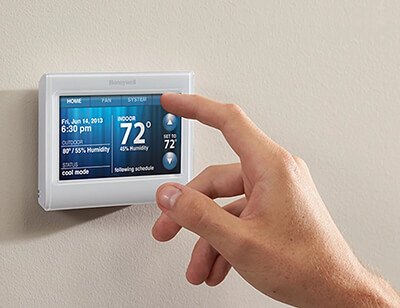
Credit: gulfshorecooling.com
Seasonal Adjustments
Setting your air conditioner correctly helps you stay comfortable all year. Adjusting the temperature based on the season saves energy and money.
Seasonal changes affect how you should use your air conditioner. It’s best to change settings for summer and shoulder seasons.
Cooling In Summer
In summer, your air conditioner works hard to keep your home cool. Set the temperature low enough to stay comfortable but not too low.
Experts suggest setting your AC between 75°F and 78°F. This range balances comfort and energy savings.
- Keep the temperature at 78°F when home and active
- Set it higher when you leave the house
- Use fans to help cool the air
Transitioning To Warmer Settings In Shoulder Seasons
Shoulder seasons are spring and fall when the weather is milder. During these times, adjust your AC to warmer settings to save energy.
Try setting your air conditioner closer to 80°F or higher. This keeps your home comfortable without overcooling.
- Use natural ventilation when possible
- Turn off the AC during cooler nights
- Adjust settings gradually as temperatures change
Frequently Asked Questions
What Temperature Should I Set My Ac In Summer?
Setting your air conditioner to 78°F (26°C) in the summer is energy-efficient. It balances comfort and reduces energy bills. Adjust slightly for personal comfort, but remember, each degree higher can save up to 3% on energy costs.
Is 72 A Good Temperature For Ac?
Setting your air conditioner to 72°F (22°C) is comfortable but might increase energy usage. It’s ideal for quick cooling but not energy-efficient for long-term use. Consider raising it a few degrees to save energy.
What Is The Most Energy-efficient Ac Setting?
The most energy-efficient setting is 78°F (26°C) in summer. This setting balances comfort and energy savings. Using a programmable thermostat can optimize energy use by adjusting settings based on your schedule.
Should I Lower Ac At Night?
Lowering your AC at night to 70°F (21°C) can improve sleep. However, for energy efficiency, consider setting it around 74°F (23°C) instead. Use fans to enhance cooling without significantly increasing energy consumption.
Conclusion
Setting your air conditioner to the right temperature saves energy and money. Aim for a balance between comfort and efficiency. Around 78°F (25-26°C) works well on hot days. Use a higher setting when you’re away to cut costs. Keep your AC maintained for better performance.
Small changes make a big difference in bills and comfort. Stay cool without wasting power. Your choices today help both your wallet and the planet. Simple habits lead to lasting benefits. Enjoy a comfortable home all summer long.