Choosing the right air conditioner size for your studio apartment can feel confusing. You want to stay cool without wasting energy or spending too much money.
But how do you know what size unit is just right for your space? Picking the wrong one could leave you uncomfortable or with a sky-high electric bill. This guide will help you find the perfect fit for your studio, so you can enjoy cool, refreshing air all year long.
Keep reading to discover simple tips that make this decision easy and smart for you.
Credit: www.businessinsider.com
Factors Influencing Ac Size
Choosing the right air conditioner size is important for a studio apartment. The size depends on many factors that affect cooling needs.
Understanding these factors helps you pick an AC that cools well without wasting energy.
Room Dimensions
The size of your studio apartment is the main factor for AC size. Bigger rooms need more cooling power.
Measure the length, width, and height to find the total space to cool.
- Small studio (up to 300 sq ft) needs about 6,000 BTU
- Medium studio (300-500 sq ft) needs 8,000-10,000 BTU
- Larger spaces require more than 10,000 BTU
Insulation Quality
Good insulation keeps cool air inside and heat outside. Poor insulation makes your AC work harder.
Check windows, walls, and ceilings for leaks or thin materials.
- Well-insulated rooms need less cooling power
- Bad insulation may require a stronger AC unit
- Adding insulation can reduce energy costs
Climate Considerations
The local climate affects how much cooling you need. Hotter places need bigger AC units.
Consider average temperatures and humidity levels in your area.
- Hot and humid climates require higher BTU
- Mild climates may need smaller AC units
- Seasonal changes affect cooling needs
Window And Door Placement
Windows and doors let heat into your studio. Their size and location matter for AC size.
Rooms with many or large windows need more cooling power.
- South-facing windows get more sun and heat
- Doors that open outside can raise room temperature
- Use curtains or blinds to reduce heat gain

Credit: www.goodhousekeeping.com
Btu Rating Explained
Choosing the right air conditioner size is key for a studio apartment. The BTU rating helps decide which unit fits best.
This guide explains what BTU means and why picking the correct size matters.
What Is Btu?
BTU stands for British Thermal Unit. It measures heat energy.
In air conditioners, BTU shows how much heat the unit can remove per hour.
Importance Of Correct Btu
Picking the right BTU rating ensures your apartment stays cool and comfortable.
- Avoids wasting energy
- Keeps electricity bills low
- Extends air conditioner life
- Improves cooling performance
Risks Of Over-sizing
Too large a unit cools the room too fast without removing humidity.
| Problem | Effect |
| Short cycling | Wears out the AC quickly |
| High energy use | Increases electricity costs |
| Poor comfort | Room feels damp or clammy |
Risks Of Under-sizing
Too small a unit runs constantly but cannot cool the space well.
- Higher energy bills from long run times
- Reduced AC lifespan due to overwork
- Uncomfortable room temperature
- Possible humidity problems
Calculating The Right Btu For Your Space
Choosing the right air conditioner size is important for comfort. The cooling power is measured in BTUs. You need the right BTU number for your studio apartment.
Too small an air conditioner will not cool well. Too large will waste energy and money. Knowing how to calculate BTUs helps you pick the right unit.
Measuring Your Apartment
Start by measuring the length and width of your studio apartment. Multiply these numbers to get the square footage. This size guides your BTU needs.
For example, a 20 feet by 15 feet room is 300 square feet. This number helps you find the base BTU level needed to cool your space.
- Measure the length of the room in feet
- Measure the width of the room in feet
- Multiply length by width for square feet
Using Btu Calculators
BTU calculators ask for room size and some details. They quickly suggest the right BTU number. These tools save time and reduce errors.
Many calculators also ask about sun exposure and number of people. These factors help refine the BTU estimate for your studio apartment.
- Enter room square footage
- Add details like sunlight and occupancy
- Get recommended BTU range
Adjustments For High Ceilings
High ceilings mean more air space to cool. This requires more BTUs than standard ceiling height rooms. Adjust your BTU calculation if ceilings are taller than 8 feet.
Add about 10% more BTUs for every foot over 8 feet. This ensures your air conditioner cools the entire volume of your studio apartment properly.
- Standard ceiling height: 8 feet
- Add 10% BTUs per foot above 8 feet
- Example: 10-foot ceiling adds 20% BTUs
Types Of Air Conditioners Suitable For Studios
Choosing the right air conditioner helps keep your studio apartment comfortable. Small spaces need cooling units that fit well and work efficiently.
This guide explains three common types of air conditioners for studio apartments. Each type has features that suit different needs and spaces.
Window Units
Window air conditioners are a popular choice for studio apartments. They fit in a window and cool the room directly.
- Easy to install and remove
- Cost-effective and energy efficient
- Good for rooms up to 500 square feet
- Can block natural light from windows
Portable Units
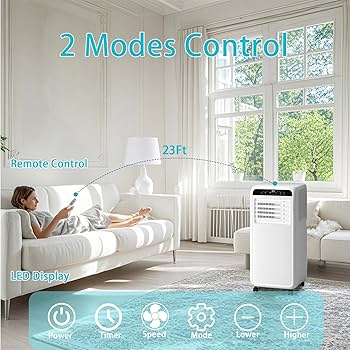
Portable air conditioners are flexible and can move from room to room. They need a vent hose for hot air, usually through a window or wall opening.
| Feature | Details |
| Installation | No permanent installation needed |
| Mobility | Can be moved easily |
| Cooling Capacity | Suitable for small to medium rooms |
| Noise Level | Usually louder than window units |
Split Systems
Split air conditioners have two parts: one inside and one outside. They cool efficiently and do not take window space.
- Quieter operation inside the room
- Higher installation cost
- Requires professional setup
- Good for studio apartments with limited window space
Energy Efficiency Considerations
Choosing the right air conditioner size for a studio apartment affects energy use. Small spaces need units that cool well without wasting power.
Energy efficiency helps lower electric bills and keeps your home comfortable. Understanding efficiency ratings guides smart buying choices.
Understanding Eer And Seer Ratings
EER means Energy Efficiency Ratio. It shows how well an air conditioner cools at a specific temperature.
SEER stands for Seasonal Energy Efficiency Ratio. It measures efficiency over a whole cooling season.
- Higher EER means better energy use during peak heat
- Higher SEER means lower energy use over time
- Look for units with high EER and SEER for savings
Long-term Savings
Efficient air conditioners cost less to run every month. They use less electricity to cool your studio apartment.
Spending a bit more upfront on a good unit saves money on bills later. It also reduces the need for repairs.
- Lower monthly energy bills
- Less frequent maintenance and repairs
- Longer unit lifespan
Environmental Impact
Energy-efficient air conditioners reduce pollution by using less electricity. This helps protect the planet.
Using less energy means fewer greenhouse gases are released. It supports cleaner air and a healthier environment.
- Lower carbon footprint
- Reduced demand on power plants
- Supports sustainable living

Credit: www.forbes.com
Additional Features To Look For
Choosing the right air conditioner size for your studio apartment is important. Besides size, extra features can make your AC more useful and comfortable.
These features help save energy, control temperature easily, and reduce noise. Here are some features to consider.
Programmable Thermostats
Programmable thermostats let you set the temperature for different times of the day. This saves energy by cooling only when needed.
You can set the AC to turn off when you leave or cool down before you come back. This keeps your apartment comfortable and saves money.
Smart Controls
Smart controls allow you to manage your air conditioner from your phone or voice assistant. This gives you easy access to settings anywhere.
With smart controls, you can turn the AC on or off, adjust temperature, and set schedules remotely. This adds convenience and helps with energy use.
Noise Levels
Noise is important in a small space like a studio. Look for air conditioners with low noise ratings for quiet operation.
Quiet units help you sleep, work, or relax without distractions. Check the decibel (dB) level before buying an AC.
- Below 50 dB is usually quiet
- Higher dB means louder noise
- Look for “silent” or “quiet” models
Installation And Maintenance Tips
Choosing the right air conditioner size is important for a studio apartment. Proper installation and regular care keep it working well.
This guide helps you with installation choices and easy maintenance tips. It also covers how to fix common problems.
Professional Installation Vs. Diy
Professional installation ensures your air conditioner works safely and efficiently. Experts know how to handle wiring and placement.
DIY installation might save money but can cause issues if done wrong. Incorrect setup can reduce cooling power and increase costs.
- Professionals check electrical connections properly
- They place the unit for best airflow
- DIY can lead to leaks or poor sealing
- Wrong installation may void the warranty
Regular Cleaning And Upkeep
Cleaning your air conditioner regularly keeps it running smoothly. Dust and dirt block airflow and reduce cooling.
Check and clean or replace filters every month. Wipe the exterior and clear debris from vents and coils.
- Remove and wash filters with mild soap
- Keep vents free of dust and dirt
- Clean coils to improve efficiency
- Schedule yearly professional maintenance
Troubleshooting Common Issues
If your air conditioner stops cooling, check the power and thermostat settings first. Sometimes a simple reset fixes the problem.
Listen for unusual noises or check for water leaks. These signs mean you need to clean or call a professional.
- Power off and on to reset the unit
- Ensure thermostat is set to cool mode
- Clear blocked vents or filters
- Call a technician for strange sounds or leaks
Budgeting For Your Air Conditioner
Choosing the right air conditioner size for your studio apartment needs careful budgeting. You should consider both upfront and ongoing costs before buying.
Planning your budget well helps you avoid surprises. It also ensures you get good value from your purchase.
Initial Costs Vs. Long-term Costs
Initial costs include the price of the air conditioner and installation fees. Long-term costs cover electricity bills and maintenance expenses.
| Cost Type | Examples | Why It Matters |
|---|---|---|
| Initial Costs | Unit price, installation, accessories | Determines your upfront budget |
| Long-term Costs | Electricity, repairs, filter replacements | Affects your monthly expenses |
Warranty And Service Plans
Check the warranty period and what it covers. A good warranty can save money if the unit breaks down.
- Length of warranty
- Coverage for parts and labor
- Availability of service centers
- Cost of extended service plans
Rebates And Incentives
Look for rebates and incentives from government or utility companies. These can reduce your purchase price.
- Energy-efficient model rebates
- Seasonal promotions
- Tax credits for green appliances
Frequently Asked Questions
What Size Ac Is Ideal For A Studio Apartment?
A 5,000 to 8,000 BTU air conditioner is ideal for most studio apartments. It efficiently cools spaces up to 300-350 square feet. This size balances energy use and comfort perfectly.
How To Calculate Ac Size For A Studio Apartment?
Multiply the room’s square footage by 20 BTU to find the needed AC size. For example, a 300 sq ft studio needs about 6,000 BTU. Adjust for factors like sunlight and insulation for accuracy.
Can A Small Ac Cool A Studio Effectively?
Yes, a properly sized small AC can cool a studio efficiently. Choosing the right BTU ensures quick cooling without wasting energy. Avoid oversized units as they cause humidity issues.
Does Room Layout Affect Ac Size For Studios?
Yes, room layout impacts AC efficiency and size requirements. Open layouts may need slightly larger units for even cooling. Obstructions and high ceilings can also influence the needed BTU.
Conclusion
Choosing the right air conditioner size keeps your studio cool and saves energy. A unit that fits your space well works best. Too big or too small causes problems and wastes power. Measure your room carefully before picking a model.
Remember, a properly sized air conditioner improves comfort all year. Stay cool without spending too much on electricity. Simple steps help you enjoy a fresh and cool studio apartment easily.