
Choosing the right bike helmet size is more than just a number on a label—it’s about your safety and comfort every time you ride. If your helmet doesn’t fit properly, it won’t protect you the way it should.
You might feel unsure about how to find the perfect fit or worry that measuring your head is too complicated. But don’t worry—this guide will walk you through simple steps to help you pick the ideal helmet size. Keep reading, and you’ll learn exactly what you need to know to protect yourself and enjoy every ride with confidence.
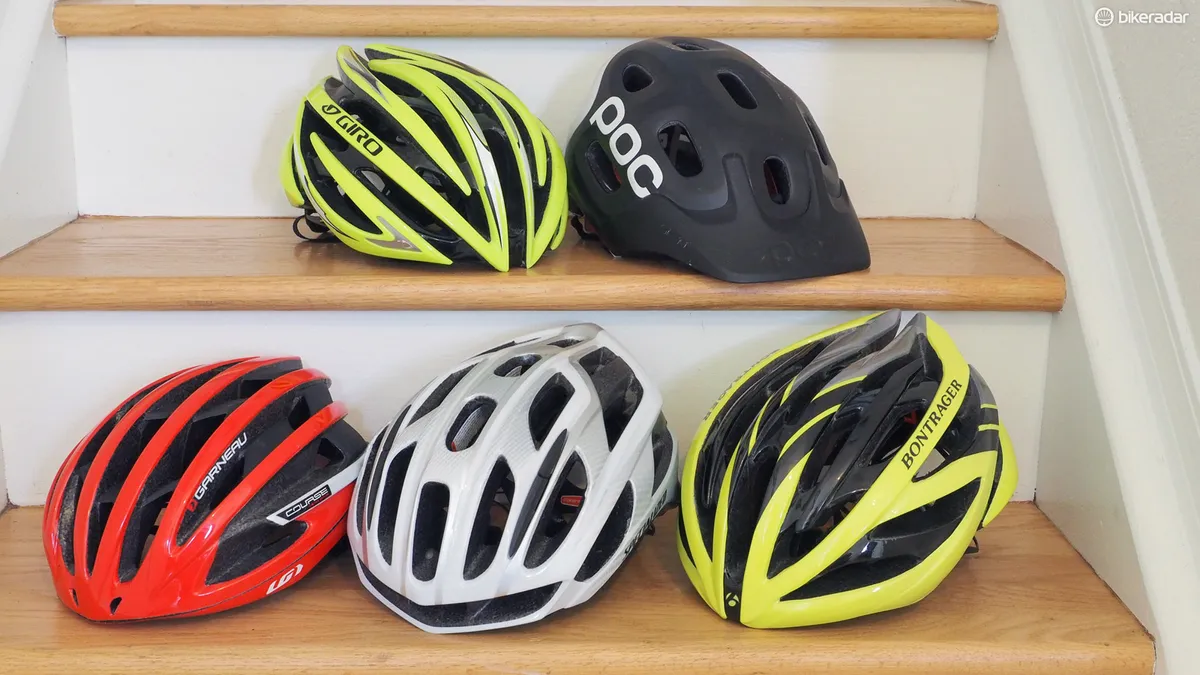
Credit: www.bikeradar.com
Why Helmet Fit Matters
Choosing the right size bike helmet is very important for safety. A helmet that fits well protects your head better.
A helmet that fits right also feels more comfortable. It helps you perform better while riding.
Safety And Protection
A helmet must fit snugly to protect your head during a crash. A loose helmet can move and fail to protect you.
- A helmet that is too big may slip off your head.
- A helmet that is too small can cause pain and distractions.
- Proper fit keeps the helmet in place during impact.
- Correct fit helps reduce the risk of head injuries.
Comfort And Performance
A good fit makes your ride more comfortable. It stops the helmet from pressing hard or sliding around.
| Fit Issue | Effect on Rider |
| Too Tight | Headache and discomfort |
| Too Loose | Helmet shifts and distracts |
| Just Right | Comfort and better focus |
Measuring Your Head Size
Choosing the right bike helmet is crucial for safety. A perfect fit ensures maximum protection while riding. Let’s learn how to measure your head size accurately.
Follow these steps to ensure your helmet fits perfectly. It will help in reducing the risk of injury during a fall or collision.
Tools Needed
Gather these items before you start measuring. They will help you get the most accurate head size measurement.
- Flexible measuring tape
- Mirror
- Pen and paper
- Assistant (optional)
Step-by-step Measuring
Follow these steps to measure your head size properly. Each step will guide you through the process to ensure accuracy.
- Wrap the measuring tape around your head. Place it just above your eyebrows and ears.
- Ensure the tape is level all the way around your head. Use a mirror to check.
- Note the measurement in centimeters or inches. Write it down for reference.
- Repeat the process to confirm the measurement. Consistency is key.
Helmet Size Charts
Choosing the right bike helmet size is very important for safety. A helmet that fits well protects your head better.
Helmet size charts help you find the correct size by measuring your head. These charts show sizes in centimeters or inches.
Standard Sizing
Standard helmet sizes are usually small, medium, large, and extra-large. Each size fits a range of head measurements.
| Size | Head Circumference (cm) | Head Circumference (inches) |
|---|---|---|
| Small | 51-55 | 20-21.7 |
| Medium | 55-59 | 21.7-23.2 |
| Large | 59-63 | 23.2-24.8 |
| Extra Large | 63-67 | 24.8-26.4 |
To measure your head, use a tape measure above your eyebrows. Compare the number to the chart to pick your size.
Brand Variations
Different helmet brands may use slightly different size charts. Some brands use numbers instead of letters.
| Brand | Size Label | Head Circumference (cm) |
|---|---|---|
| Brand A | XS, S, M, L, XL | 50-67 |
| Brand B | 54, 58, 62 | 54-62 |
| Brand C | Small, Medium, Large | 52-61 |
Always check the size chart of the brand you want. This helps you avoid buying the wrong size.
Types Of Bike Helmets
Choosing the right bike helmet keeps you safe and comfortable. Different helmets fit different riding styles.
Learn about road, mountain, and commuter helmets to find what suits you best.
Road Helmets
Road helmets are light and aerodynamic. They have many vents to keep your head cool during fast rides.
- Designed for speed and performance
- Lots of ventilation holes
- Lightweight materials
- Often have a sleek, rounded shape
Mountain Bike Helmets
Mountain bike helmets offer extra protection. They cover more of your head and often include visors.
| Feature | Benefit |
| Extended rear coverage | Protects the back of your head |
| Built-in visor | Shields eyes from sun and branches |
| Stronger shell | Handles rough trails and impacts |
| Good ventilation | Keeps you cool on tough rides |
Commuter Helmets
Commuter helmets focus on comfort and visibility. They often have reflective parts and mounts for lights.
- Reflective strips for safety
- Built-in mounts for lights or cameras
- Comfort padding for daily use
- Good ventilation with fewer vents than road helmets
Fitting Tips For Perfect Comfort
Choosing the right bike helmet size is key to staying safe. A well-fitted helmet feels comfortable and secure on your head.
Follow these tips to make sure your helmet fits just right. Proper fit helps protect your head in case of a fall.
Adjusting Straps And Pads
Straps keep the helmet in place and pads add comfort. Adjust both to avoid pressure points or loose fit.
Make sure the straps form a “V” shape under your ears. Pads should fill gaps without making the helmet tight.
- Loosen straps before putting on the helmet
- Tighten straps until snug but not painful
- Place pads where the helmet touches your head
- Replace or add pads if needed for a better fit
Checking Helmet Position
Place the helmet level on your head. It should cover your forehead without tilting backward or forward.
Look straight into a mirror to check the position. The front edge should sit about an inch above your eyebrows.
- Helmet should sit low enough to protect your forehead
- Keep helmet level, not tilted up or down
- Adjust straps if helmet shifts when you move
Ensuring Stability
Shake your head gently to test the helmet’s hold. The helmet should stay in place without moving side to side.
If the helmet moves a lot, tighten the straps or add padding. A stable helmet protects better during a crash.
- Strap tension should keep helmet stable but comfortable
- Use chin strap to prevent helmet from slipping off
- Check stability regularly, especially after adjustments

Credit: yankel.co.uk
When To Replace Your Helmet
Your bike helmet protects your head in crashes. It is important to know when to replace it for safety.
Helmets lose their ability to protect you over time or after damage. Check your helmet regularly to keep safe.
After Impact
Replace your helmet after any crash or big impact. Even if you see no damage, the inside could be weakened.
Helmets are designed to absorb one major impact only. Using a helmet after a crash can reduce its protection.
Wear And Tear Signs
- Cracks or dents on the shell
- Foam lining that is cracked or compressed
- Broken or loose straps and buckles
- Padding that no longer fits snugly
- Fading or soft spots on the helmet surface
If you notice any of these signs, replace your helmet immediately to stay protected.
Helmet Age Guidelines
| Helmet Age | Recommended Action |
| Less than 3 years | Check for damage regularly |
| 3 to 5 years | Consider replacement depending on use |
| More than 5 years | Replace helmet regardless of condition |
Materials inside helmets wear out over time. Replace your helmet every five years even if it looks fine.
Special Considerations
Choosing the right bike helmet size is important for safety and comfort. Some factors can affect the fit beyond basic measurements.
Pay attention to unique needs for kids, head shapes, and extra safety features. These details help you pick the best helmet.
Kids And Youth Helmets
Kids’ heads grow fast, so helmets must fit snugly but allow room for growth. Youth helmets come in smaller sizes than adult ones.
Look for adjustable straps and padding. These help the helmet stay secure and comfortable as the child grows.
- Measure the child’s head around the forehead
- Choose helmets with adjustable fit systems
- Replace helmets after any crash or if too small
Helmet For Different Head Shapes
Heads come in many shapes. Some helmets fit round heads best, others fit oval or long heads better. Choose one that matches your head shape.
Trying helmets on helps find the best fit. A helmet should feel snug but not tight anywhere.
- Round helmets suit round heads
- Oval helmets fit longer heads
- Check fit around temples and back of the head
Additional Safety Features
Some helmets include extra safety features for better protection. These can improve comfort and reduce injury risk.
Look for features like impact liners, reflective elements, and ventilation. These add value beyond size and fit.
- Multi-directional impact protection systems (MIPS)
- Reflective stickers for better visibility
- Good ventilation to keep cool
- Adjustable straps and padding for comfort

Credit: www.btosports.com
Frequently Asked Questions
How Do I Measure My Head For A Bike Helmet?
Use a soft measuring tape around your head, about an inch above your eyebrows. Measure the circumference in centimeters or inches for an accurate helmet size.
What Helmet Size Fits A 22-inch Head Circumference?
A 22-inch (56 cm) head typically fits a medium helmet size. Always check the specific brand’s sizing chart for exact fits.
Can A Helmet Be Too Tight Or Too Loose?
Yes, a helmet should fit snugly but comfortably. Too tight causes discomfort; too loose reduces protection.
How Often Should I Replace My Bike Helmet?
Replace your helmet every 3-5 years or after any significant impact to ensure maximum safety and performance.
Conclusion
Choosing the right bike helmet size keeps you safe and comfortable. Measure your head carefully before buying. A helmet that fits well stays in place during rides. Avoid helmets that feel too tight or too loose. Remember, a proper fit protects your head better.
Always check the size guide of each brand. Safety comes first, so take your time. Enjoy riding with confidence and peace of mind.