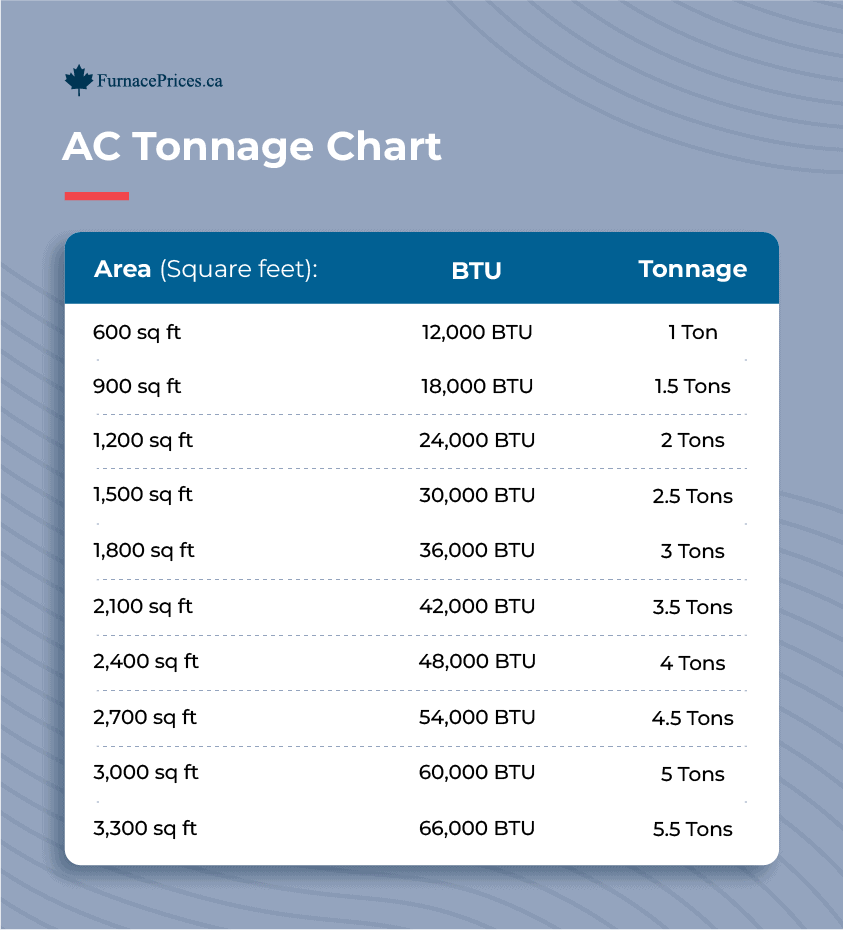
Choosing the right size BTU air conditioner can feel confusing, but it doesn’t have to be. If your AC is too small, it won’t cool your space properly.
If it’s too big, you’ll waste energy and money. You want a unit that fits your room perfectly, keeps you comfortable, and saves you cash. You’ll discover exactly how to find the perfect BTU size for your needs. Keep reading, and you’ll never have to guess again.
How Btu Affects Cooling
BTU stands for British Thermal Unit. It measures the cooling power of an air conditioner.
The right BTU size helps keep your room comfortable and saves energy.
Btu Explained
One BTU cools or heats one pound of water by one degree Fahrenheit. In air conditioners, it shows how much heat the unit can remove from a room per hour.
- Low BTU means less cooling power.
- High BTU means more cooling power.
- BTU size depends on room size and insulation.
Why Size Matters
Choosing the right size air conditioner is important. A unit that is too small will not cool well. A unit that is too large will waste energy and money.
| Room Size (sq ft) | Recommended BTU |
| 100 – 150 | 5,000 – 6,000 |
| 150 – 250 | 6,000 – 8,000 |
| 250 – 350 | 8,000 – 10,000 |
| 350 – 450 | 10,000 – 12,000 |
| 450 – 550 | 12,000 – 14,000 |
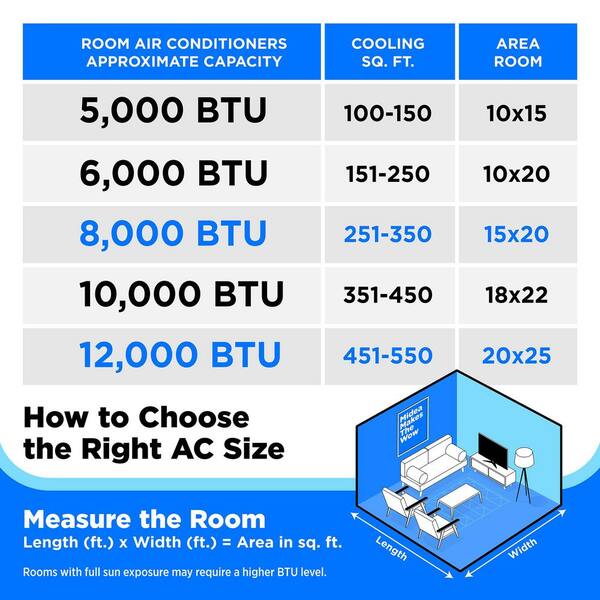
Credit: www.homedepot.com
Factors Influencing Btu Requirements
Choosing the right BTU size for your air conditioner is important. BTU means British Thermal Unit and shows cooling power.
Several factors affect how many BTUs you need. These include room size, sunlight, ceiling height, insulation, and more.
Room Size And Layout
The size of the room is the main factor for BTU needs. Larger rooms need more cooling power. The room’s shape also matters.
- Small rooms under 150 sq ft need about 5,000 BTUs
- Medium rooms around 250 sq ft require 6,000 to 8,000 BTUs
- Large rooms over 350 sq ft might need 10,000 BTUs or more
Sunlight Exposure
Rooms with many windows or direct sunlight get warmer. This increases the BTU size you need to cool the space well.
| Sunlight Level | BTU Adjustment |
| Low (shaded room) | Standard BTU size |
| Medium (few windows) | Add 10% to BTU size |
| High (large windows, direct sun) | Add 20% to BTU size |
Ceiling Height
Taller ceilings mean more air volume to cool. Rooms with ceilings over 8 feet need extra BTUs to keep cool.
For every foot above 8 feet, add about 10% more BTUs to your calculation.
Insulation Quality
Good insulation keeps cool air inside and heat outside. Poor insulation means your air conditioner works harder.
- Well-insulated rooms need fewer BTUs
- Rooms with old or no insulation need more BTUs
- Check walls, windows, and doors for leaks
Occupants And Appliances
People and machines produce heat. More occupants or heat-producing appliances increase BTU needs.
| Factor | BTU Increase |
| Each additional person | +600 BTUs |
| Major appliances running | +1,000 to 1,500 BTUs |
Calculating The Right Btu
Choosing the right BTU for an air conditioner keeps your room cool and saves energy. BTU means British Thermal Unit. It shows how much heat the AC can remove from the air.
To pick the correct size, you need to measure your room and think about other factors. This guide helps you find the best BTU size for your space.
Measuring Your Space
Start by measuring the length and width of your room in feet. Multiply these numbers to get the square footage. This size helps you understand how much cooling power you need.
- Measure the length of the room
- Measure the width of the room
- Multiply length by width to get square feet
Using Btu Calculators
Online BTU calculators give a quick estimate. You enter your room size and some details. The calculator shows the BTU size needed for your room.
Note: This simple estimate uses 20 BTU per square foot.
Adjusting For Special Conditions
Some rooms need more or less cooling. Sunlight, ceiling height, and people affect the BTU needs. Adjust your BTU size based on these conditions.
| Condition | Adjustment |
| Room gets a lot of sun | Add 10% BTU |
| High ceiling (over 8 ft) | Add 10% BTU |
| Room is shaded | Subtract 10% BTU |
| More than 2 people usually inside | Add 600 BTU per extra person |
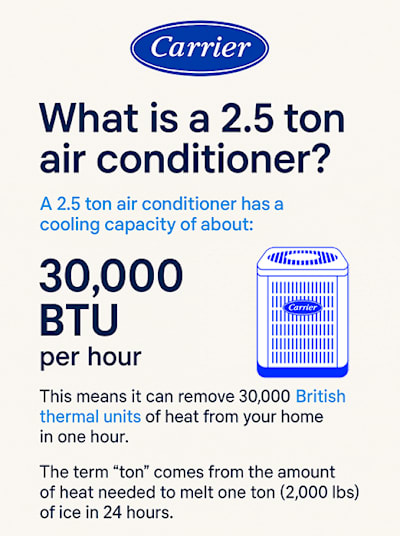
Credit: www.carrier.com
Common Btu Sizes And Their Uses
Choosing the right BTU size for your air conditioner is important. It helps keep your space cool and saves energy.
BTU stands for British Thermal Unit. It shows how much heat the air conditioner can remove per hour.
Small Rooms
Small rooms usually need air conditioners with lower BTU ratings. This is enough to cool the space efficiently.
Rooms like bedrooms or small offices often use units with 5,000 to 8,000 BTUs.
- Up to 150 square feet: 5,000 BTUs
- 150 to 250 square feet: 6,000 to 8,000 BTUs
Medium Spaces
Medium-sized rooms need more cooling power. This covers spaces like larger bedrooms or small living rooms.
BTU sizes between 8,000 and 12,000 work well for these areas.
- 250 to 350 square feet: 8,000 to 10,000 BTUs
- 350 to 450 square feet: 10,000 to 12,000 BTUs
Large Areas
Large rooms like big living rooms or open offices require higher BTU units. This cools the space well.
BTU sizes from 12,000 to 18,000 are common for these areas.
- 450 to 600 square feet: 12,000 to 14,000 BTUs
- 600 to 1,000 square feet: 14,000 to 18,000 BTUs
Open Floor Plans
Open floor plans need the highest BTU air conditioners. These spaces have few walls to block air flow.
Units with 18,000 to 24,000 BTUs cool large, open areas effectively.
- 1,000 to 1,200 square feet: 18,000 to 21,000 BTUs
- Over 1,200 square feet: 21,000 to 24,000 BTUs
Consequences Of Incorrect Btu Sizing
Choosing the right BTU size for your air conditioner is crucial. Incorrect sizing can lead to various problems in your home.
Understanding these consequences can help you make a better decision. Let’s explore what happens when your air conditioner’s BTU is too small or too large.
Too Small: Inefficiency And Discomfort
An air conditioner with a low BTU rating will struggle to cool your space. This leads to inefficiency and discomfort, especially on hot days.
- The unit runs constantly, increasing wear and tear.
- Energy bills rise due to prolonged operation.
- Room temperature remains uneven and uncomfortable.
Too Large: Wasted Energy And Costs
A unit with too high a BTU cools the space too quickly. This sounds good but has its drawbacks.
Rapid cooling causes the unit to cycle on and off frequently. This is known as short cycling and can lead to:
| Consequence | Description |
| Increased Energy Use | The unit uses more power in starting up. |
| Higher Bills | Frequent cycling raises energy costs. |
| Reduced Lifespan | Excessive cycling causes faster wear. |
Energy Efficiency And Btu
Choosing the right size air conditioner is key to saving energy. BTU measures how much cooling power you need.
A unit too small cools poorly, while a large one wastes energy. Proper sizing helps keep bills low.
Seer Ratings
SEER stands for Seasonal Energy Efficiency Ratio. It shows how well an air conditioner uses energy.
Higher SEER ratings mean better efficiency and lower electricity costs. Look for units with good SEER scores.
- SEER 13 is the minimum standard in many places
- SEER 16 or higher saves more energy
- Higher SEER units cost more but save money long term
Energy-saving Tips
Using your air conditioner smartly can reduce energy use. Small habits make a big difference in cooling costs.
Set the thermostat at a comfortable but not too low temperature. Keep doors and windows closed while cooling.
- Use ceiling fans to help spread cool air
- Seal leaks around windows and doors
- Close curtains to block sunlight during the day
- Maintain your air conditioner regularly
Additional Features To Consider
Choosing the right size BTU air conditioner is important. Other features also affect comfort and usability. Think about smart controls, noise levels, and installation needs.
These features help improve your experience with the air conditioner. They can save energy, reduce noise, and make setup easier.
Smart Controls
Smart controls let you operate the air conditioner using a phone or voice commands. This adds convenience and helps save energy.
- Remote control via mobile apps
- Voice assistant compatibility
- Scheduling and timers for automatic operation
- Energy usage monitoring
Noise Levels
Noise level matters if you use the air conditioner in bedrooms or offices. Look for models with low decibel ratings.
| Noise Level (dB) | Comfort Level |
|---|---|
| Below 50 | Quiet, suitable for bedrooms |
| 50 – 60 | Moderate noise, good for living rooms |
| Above 60 | Loud, may disturb concentration or sleep |
Installation Requirements
Installation depends on the type of air conditioner and your space. Some units need professional help, while others are easy to install.
| Type | Installation Need | Notes |
|---|---|---|
| Window Unit | Easy DIY | Fits standard window openings |
| Split System | Professional | Requires wall mounting and external unit |
| Portable Unit | Minimal | Needs venting through window or wall |
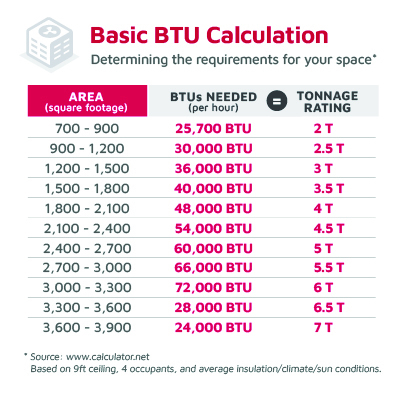
Credit: www.lennox.com
Maintenance For Optimal Performance
Keeping your air conditioner well maintained helps it run better. Regular care lowers energy use and extends its life.
Simple maintenance tasks can prevent many common problems. You do not need to be an expert to keep your AC working well.
Regular Cleaning
Dirt and dust build up inside the unit. This reduces cooling power and can cause damage.
- Clean the outside unit by removing leaves and debris
- Wipe down the indoor vents and coils
- Use a soft brush or vacuum to remove dust
- Do this every month during heavy use
Filter Replacement
Filters trap dust and allergens but get dirty quickly. Dirty filters reduce airflow and strain the AC.
| Filter Type | Replacement Frequency |
| Standard Fiberglass | Every 30 days |
| Pleated Filter | Every 3 months |
| HEPA Filter | Every 6 months |
Professional Servicing
Experts check for hidden problems and keep parts working well. Service includes cleaning coils, checking refrigerant, and testing controls.
- Schedule service once a year
- Ask for a full system inspection
- Fix small issues before they grow
Frequently Asked Questions
What Size Btu Air Conditioner Do I Need For 500 Sq Ft?
For a 500 sq ft room, a 6,000 to 7,000 BTU air conditioner is ideal. It efficiently cools small spaces without wasting energy.
How To Calculate Btu For My Room Size?
Multiply your room’s length by width to get square footage. Then, multiply the square footage by 20 BTU for an approximate cooling capacity.
Can A Too Large Btu Air Conditioner Cause Problems?
Yes, an oversized AC cools too fast, causing humidity issues and higher energy bills. Proper sizing ensures comfort and efficiency.
Does Ceiling Height Affect Btu Calculation?
Yes, higher ceilings increase room volume, requiring more BTUs. Adjust calculations by considering ceiling height above the standard 8 feet.
Conclusion
Choosing the right BTU size keeps your room cool and saves energy. Too small an air conditioner won’t cool well. Too large will waste power and cost more. Measure your room size first for best results. Also, consider the room’s sunlight, insulation, and number of people.
These factors affect cooling needs. A properly sized AC gives comfort without high bills. Take time to pick the correct BTU. You’ll enjoy a cooler home and lower energy costs. Simple steps lead to better comfort all summer long.