Choosing the right size climbing shoe can make or break your climbing experience. If your shoes are too tight, your feet will hurt, and you’ll lose focus on the climb.
Too loose, and you risk slipping or losing control. So, how do you find the perfect fit that feels comfortable but still gives you the grip and precision you need? You’ll discover simple, practical tips to help you pick the ideal climbing shoe size.
Stick with me, and you’ll be one step closer to climbing with confidence and comfort.

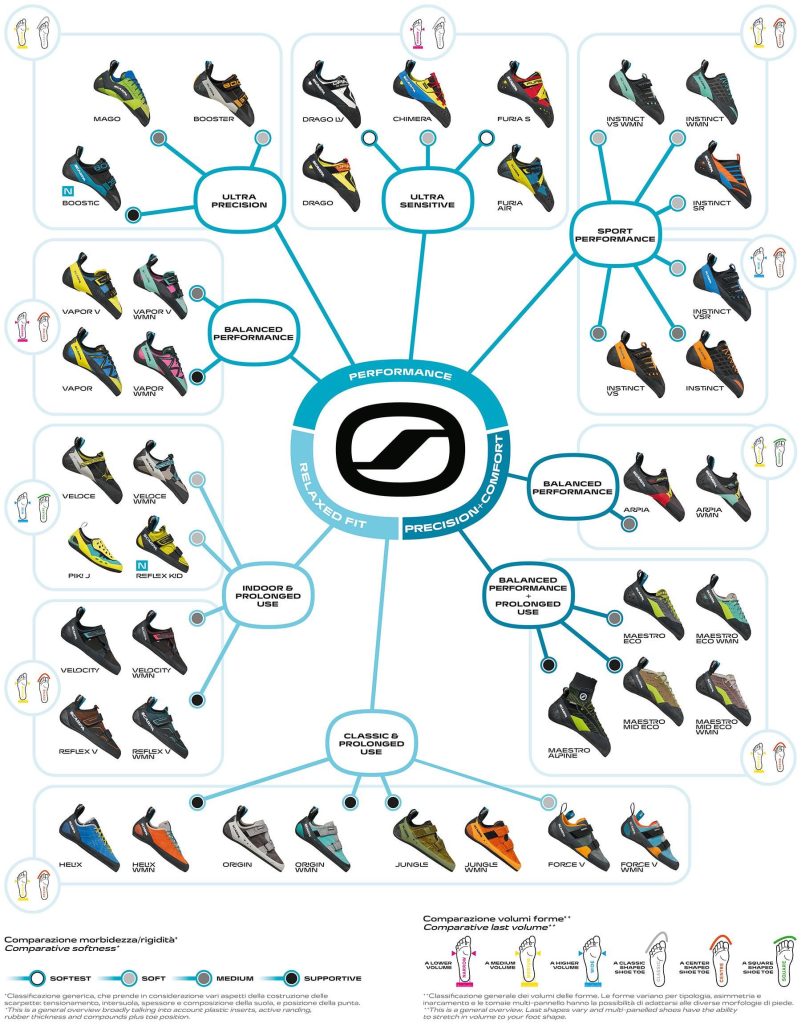
Credit: www.reddit.com
Choosing The Right Fit
Picking the right climbing shoe size is key for comfort and performance. Shoes that fit well help you climb better and avoid pain.
This guide covers how to measure your foot, think about sock thickness, and try different brands.
Measuring Your Foot Accurately
Measure your foot length and width to find a good shoe size. Use a ruler or tape measure on a flat surface.
- Place a piece of paper on the floor against a wall.
- Stand on the paper with your heel touching the wall.
- Mark the longest toe’s tip on the paper.
- Measure the length from the wall to the mark in centimeters or inches.
- Repeat for the other foot; use the larger measurement.
Considering Sock Thickness
Socks affect how tight your climbing shoes feel. Thicker socks need more space inside the shoe.
| Sock Type | Fit Recommendation |
| No socks | Choose a snug fit |
| Thin climbing socks | Choose your normal size |
| Thick socks | Consider sizing up half a size |
Trying Different Brands
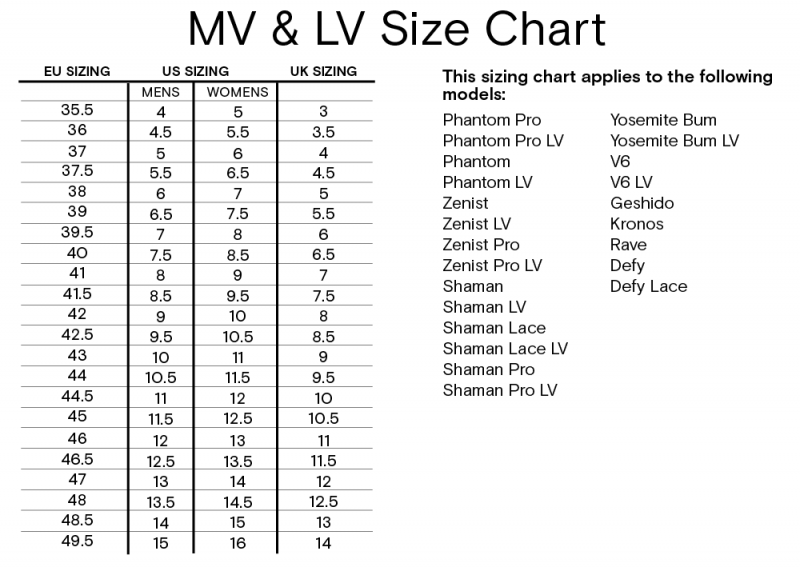
Each brand fits feet differently. Always try shoes before buying. Sizes can vary even if the number is the same.
Here are tips for trying climbing shoe brands:
- Try on shoes at the end of the day when feet are largest.
- Wear socks you plan to climb with.
- Walk around to check comfort and tightness.
- Check for pressure points or loose areas.
Credit: www.evolvsports.com
Types Of Climbing Shoes
Choosing the right climbing shoe size depends on the type of shoe you pick. Climbing shoes come in different shapes for comfort, versatility, or performance.
Each shoe type fits differently and suits different climbing styles. Knowing the types helps you find the best size for your needs.
Neutral Shoes For Comfort
Neutral climbing shoes have a relaxed fit. They feel like regular shoes and offer comfort for long climbs.
These shoes are good for beginners or climbers who want to protect their feet. They usually have a flat shape and more padding.
- Fit like everyday shoes
- More padding inside
- Good for long climbing sessions
Moderate Shoes For Versatility
Moderate climbing shoes balance comfort and performance. They have a slight curve to help with different types of climbs.
These shoes suit many climbers because they work well on various surfaces. They fit snug but are not too tight.
- Slightly downturned shape
- Good for bouldering and sport climbing
- Snug fit without pain
Aggressive Shoes For Performance
Aggressive climbing shoes have a strong curve and pointed toe. They help climbers push on small holds and edges.
These shoes fit very tight to give precise control. They are best for advanced climbers and short climbs.
- Strongly downturned shape
- Pointed toe for precision
- Very tight fit for control
Factors Affecting Size Choice
Choosing the right climbing shoe size is key for comfort and performance. Several factors affect which size fits you best.
Understanding these factors helps you pick shoes that support your climbing style and foot shape.
Foot Shape And Volume
Your foot’s shape and volume influence how a climbing shoe fits. Wide or narrow feet need different sizes or models.
- Wide feet usually require larger or wider shoes to avoid pinching.
- Low volume feet may need smaller or tighter shoes for a secure fit.
- High arches may affect how the shoe wraps around your foot.
- Toe shape impacts comfort and sizing, especially for tight-fitting shoes.
Climbing Style And Discipline
Your climbing style affects shoe size choice. Different disciplines need different fits.
| Climbing Style | Fit Preference |
| Bouldering | Tighter fit for precision and power |
| Sport Climbing | Moderate fit for comfort and performance |
| Trad Climbing | Looser fit for longer wear and comfort |
| Indoor Climbing | Depends on session length and wall type |
Material Stretch And Break-in
Materials affect how climbing shoes fit over time. Some stretch more than others.
Consider these points about shoe materials:
- Leather shoes stretch and mold to your feet with use.
- Synthetic shoes stretch less but offer a consistent fit.
- Shoes with lining stretch less than unlined versions.
- New shoes may feel tight but become more comfortable after break-in.
Testing Shoe Fit
Choosing the right climbing shoe size is key for comfort and performance. Testing the fit helps you avoid pain and injury.
Try on shoes carefully and check how they feel in different areas of your foot. This guide covers the main points to watch.
Heel And Toe Fit
The heel should fit snugly without slipping. Your toes should be slightly curled but not cramped. A good fit here keeps your foot stable.
- Heel holds firmly with no gaps
- Toes touch the shoe tip lightly
- No dead space around toes
- Toes slightly bent, not forced
Pressure Points To Watch
Notice any spots where the shoe presses too hard. These pressure points cause pain and limit climbing ability.
| Pressure Area | What to Check |
| Top of foot | Too tight or pinching |
| Arch | Proper support without pain |
| Toes | Not crushed or numb |
| Heel | No slipping or bruising |
Flexibility And Sensitivity
Good climbing shoes bend with your foot but still feel sensitive on holds. Test the shoe by flexing it and feeling the sole.
Check these points for flexibility and sensitivity:
- The shoe bends where your toes bend
- You can feel small holds through the sole
- The shoe is stiff enough for support
- Flexibility matches your climbing style
Common Sizing Mistakes
Choosing the right climbing shoe size is important for comfort and performance. Many people make mistakes that affect their climbing experience.
This guide explains common sizing errors and how to avoid them for a better fit.
Buying Too Large For Comfort
Some climbers buy shoes that are too big to feel comfortable at first. This can cause problems while climbing.
Shoes that are too large can slip off or cause blisters. They reduce control on small holds and edges.
Ignoring Foot Swelling
Feet swell during climbing and after long walks. Ignoring this can lead to buying shoes that feel tight later.
- Try shoes at the end of the day when feet are swollen.
- Wear climbing socks or go barefoot as you will during climbs.
- Check fit after walking or light exercise.
Overlooking Brand Variability
Different brands use different sizing systems and shapes. This affects how a shoe fits your foot.
| Brand | Fit Type | Size Notes |
| Brand A | Narrow | Order half size larger for wide feet |
| Brand B | Wide | True to size for most feet |
| Brand C | Average | Runs small, try one size larger |

Credit: www.evolvsports.com
Tips For First-time Buyers
Choosing the right size climbing shoe is important for comfort and performance. Shoes that fit well help you climb better and avoid injuries.
Climbing shoes should feel snug but not painful. It takes time to find the right fit, especially if it is your first pair.
Trying Shoes In The Afternoon
Your feet swell during the day. Trying shoes in the afternoon helps you get a better fit. Shoes that fit well when your feet are biggest will be more comfortable.
If you try shoes in the morning, they may feel tight later. Make sure to test them at the right time to avoid buying shoes that are too small.
Wearing Them Around The House
Wear your climbing shoes at home before climbing. This helps your feet get used to the fit and feel. You will notice if there are any painful spots or tight areas.
Walk and move around in the shoes for 15 to 30 minutes. This test shows if the shoes stay comfortable or cause pain after some use.
- Check for pressure points
- Make sure toes are not too cramped
- See if the shoes slip or feel loose
Seeking Expert Advice
Ask experienced climbers or store staff for help. They can suggest sizes and brands that fit your foot shape well. Experts know how shoes should feel.
Bring your regular shoe size as a starting point. Try different sizes and listen to expert tips. Good advice saves time and helps you pick the right shoes.
Frequently Asked Questions
How Tight Should Climbing Shoes Fit?
Climbing shoes should fit snugly without causing pain. They must hold your foot firmly to ensure precise movements. Avoid overly tight shoes that cause numbness or blisters. A tight fit improves control but prioritize comfort for longer climbs.
Can Climbing Shoe Size Differ By Brand?
Yes, sizing varies between brands due to design differences. Always try shoes on or check brand-specific size charts. Reading customer reviews helps understand fit accuracy. When unsure, order multiple sizes to test the best fit.
Should My Climbing Shoes Stretch Over Time?
Most climbing shoes stretch slightly with wear, especially leather ones. Synthetic shoes stretch less or not at all. Consider this when choosing size; a snug fit initially is ideal. Avoid buying shoes too large expecting significant stretching later.
Is It Okay To Buy Climbing Shoes Online?
Buying online is convenient but risky without trying on shoes first. Use size charts, reviews, and return policies to minimize fit issues. If possible, test shoes in-store before purchasing online for better sizing confidence.
Conclusion
Choosing the right climbing shoe size matters a lot. Shoes that fit well give better grip and comfort. Too tight shoes can hurt your feet. Too loose shoes can make climbing hard. Try different sizes and move inside the shoe.
Feel the snug fit without pain. Remember, every brand fits a little different. Take your time to find what feels best. Good shoes help you climb with confidence and ease. Keep these tips in mind when buying your next pair.