Choosing the right compost bin size can make all the difference in how easily you turn your kitchen scraps and yard waste into rich, healthy compost. But how do you know what size compost bin you actually need?
Too small, and you’ll constantly be emptying it; too big, and it might take forever to fill up. This guide will help you find the perfect fit for your home and lifestyle, so you can start composting with confidence and get the best results without any hassle.
Keep reading to discover simple tips that will save you time, space, and effort.
Determining Your Composting Needs
Choosing the right compost bin size helps make composting easy. It depends on how much waste you create.
Think about what you want to compost and how often you will add materials. This helps find the best size.
Estimate Your Waste Volume
Look at your kitchen and yard waste. Estimate how much you throw away each week.
Small households make less waste. Larger families create more. Yard size also matters for garden waste.
- Single person: about 2-4 gallons per week
- Family of four: about 10-20 gallons per week
- Lawn and garden waste: varies by season
Consider Composting Frequency
Think about how often you want to turn or empty your bin. More frequent turning means smaller bins work well.
If you prefer to add waste less often, choose a larger bin. This stops overflow and helps maintain compost.
Space Available For Your Bin
Check the space you have in your yard or balcony. The bin size must fit comfortably in that space.
Large bins need more room but hold more waste. Small spaces work best with compact bins or tumblers.
Type Of Composting You Plan
Cold composting needs bigger bins because it takes longer. Hot composting needs space for heat and turning.
Tumbler bins are smaller but need frequent use. Open bins or piles can be larger but need more space.
- Cold composting: large bins or piles
- Hot composting: medium to large bins
- Tumbler composting: small to medium bins
Assessing Available Space
Choosing the right size compost bin depends on the space you have. Before buying, check your yard or garden area carefully.
Knowing your available space helps you pick a bin that fits well and works efficiently.
Measure Your Outdoor Area
Use a tape measure to find the length and width of the spot where you want the bin. Mark the area clearly.
Make sure the space is flat and easy to reach for adding compost materials and turning the pile.
- Measure length and width in feet or meters
- Check for flat, stable ground
- Ensure easy access from all sides
Consider Nearby Plants And Structures
Check how close the compost bin will be to trees, fences, or buildings. Leave enough space to avoid damage.
Good airflow around the bin helps compost break down faster and reduces odors.
- Keep 1-2 feet away from plants and structures
- Avoid placing bin under dense tree branches
- Choose a spot with good sunlight and air flow
Check Local Rules And Guidelines
Some neighborhoods have rules about compost bin size and placement. Check with your local council or homeowner group.
Following guidelines helps avoid fines and keeps your composting legal and safe.
- Ask about minimum distance from property lines
- Learn about allowed compost bin sizes
- Find out if you need a permit or approval
Types Of Compost Bins
Choosing the right compost bin size depends on the type of bin you use. Each bin type has different space needs and features. Understanding these types helps you pick the best bin for your composting.
Here are the main types of compost bins you can use in your garden or kitchen.
Stationary Bins
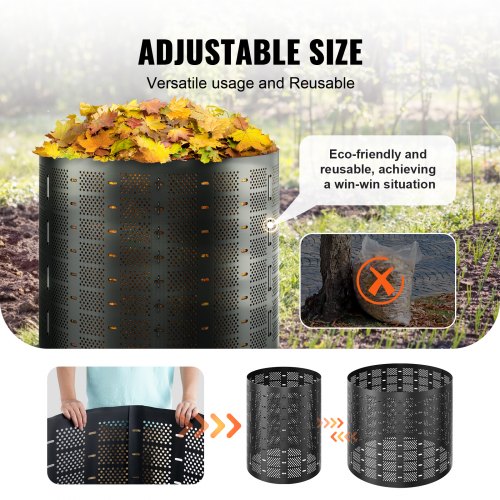
Stationary bins stay in one place. They are usually large and made of plastic or wood. These bins hold a lot of compost material and work well for outdoor composting.
They need more space but do not require much maintenance. You add waste and wait for it to turn into compost.
- Good for big gardens
- Can hold 50 to 100 gallons or more
- Needs space and ventilation
Tumbling Composters
Tumbling composters have a drum that you can spin. This helps mix the compost and speeds up the process. They are smaller than stationary bins but easier to use.
These bins are good for people with limited space. You turn the drum to aerate the compost.
- Holds about 20 to 40 gallons
- Faster composting with regular tumbling
- Compact and easy to move
Worm Bins
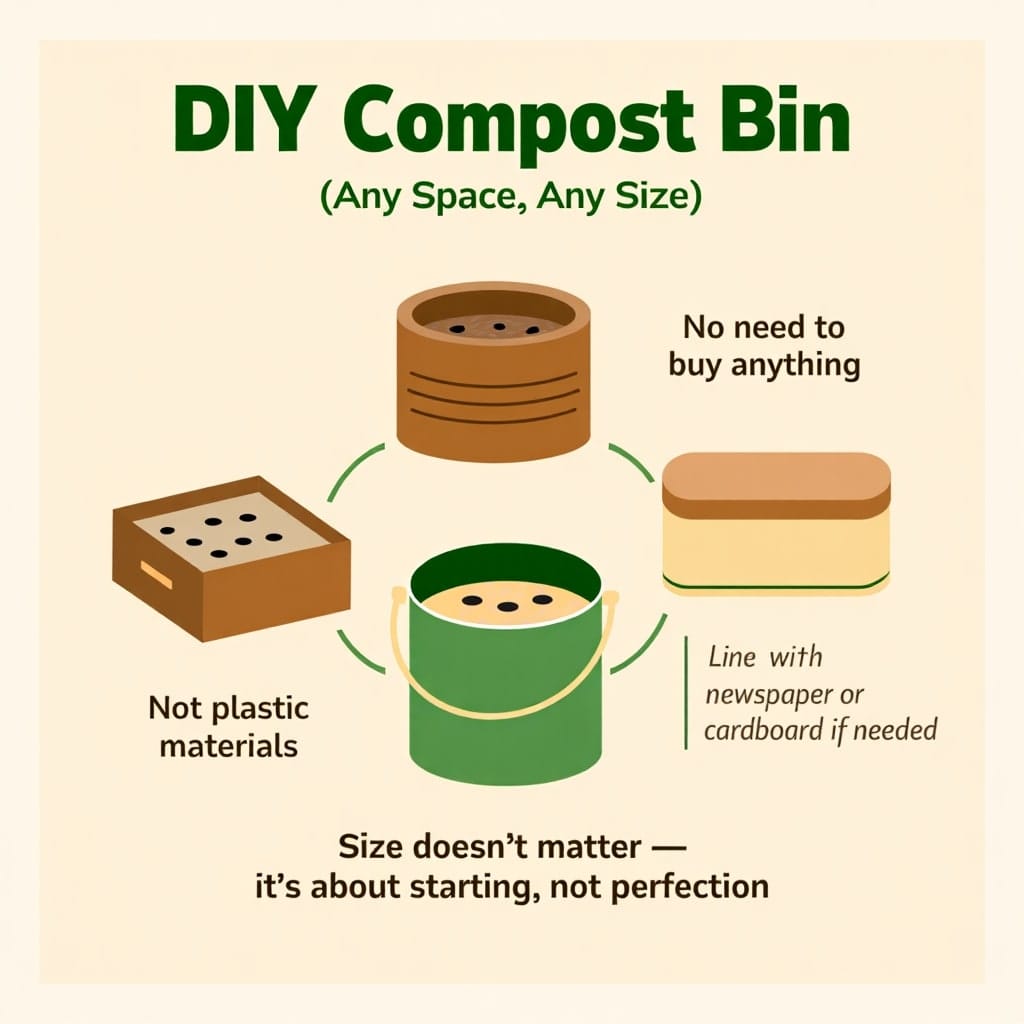
Worm bins use worms to break down food scraps. They are small and fit indoors. These bins are great for kitchen waste and small amounts of compost.
Worm bins need less space and work faster with the help of worms. They produce nutrient-rich compost called worm castings.
- Usually 5 to 15 gallons in size
- Perfect for indoor use or small patios
- Requires care for worms and moisture
Credit: earthlyours.com
Considerations For Different Bin Sizes
Choosing the right compost bin size depends on your space and how much waste you create. The size affects how well your compost breaks down.
Think about how many people live in your home and what types of scraps you produce. This helps you pick a bin that fits your needs.
Small Bins
Small bins hold about 5 to 15 gallons of compost. They work well for apartments or homes with little yard space.
Use small bins if you only compost kitchen scraps like fruit peels and coffee grounds. They are easy to manage and fit indoors.
- Best for 1-2 people
- Good for small amounts of food waste
- Fits on a balcony or countertop
Medium Bins
Medium bins hold around 20 to 50 gallons. They suit small families or gardeners with moderate yard waste.
These bins handle kitchen scraps plus some leaves and grass clippings. They need more space but speed up composting.
- Best for 3-4 people
- Handles mixed kitchen and yard waste
- Needs outdoor space like a backyard
Large Bins
Large bins hold over 50 gallons. They fit big families or serious gardeners with lots of waste.
Use large bins for big amounts of leaves, grass, and food scraps. They require room and effort but produce more compost.
- Best for 5 or more people
- Ideal for heavy yard and kitchen waste
- Needs ample outdoor space
Materials And Design Features
Choosing the right compost bin size depends on its materials and design. Good materials help your bin last longer outdoors. Design features affect how well the compost breaks down.
Look for a compost bin that balances durability, air flow, and ease of use. These factors help create the best environment for composting organic waste.
Durability And Material Types
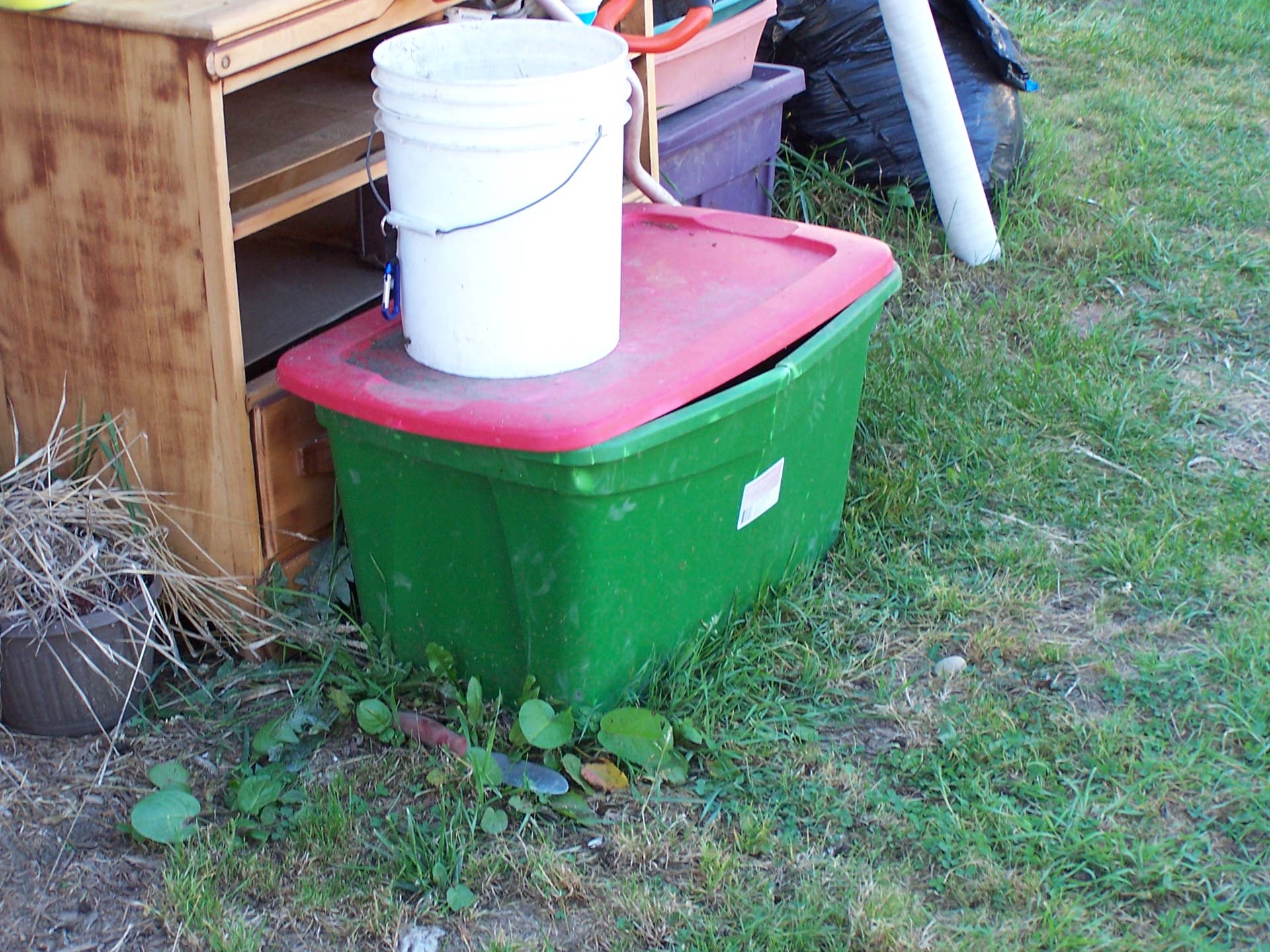
Durable materials resist weather and pests. Common types include plastic, wood, and metal. Each has pros and cons based on strength and maintenance.
- Plastic:Lightweight, weather-resistant, and low maintenance.
- Wood:Natural look but may rot over time if untreated.
- Metal:Strong and long-lasting but can rust without coating.
Ventilation And Aeration
A good compost bin needs air to speed up decomposition. Proper ventilation stops bad odors and keeps helpful microbes alive.
| Design Feature | Purpose |
| Ventilation holes | Allow fresh air inside |
| Removable panels | Help turn compost easily |
| Mesh sides or bottom | Improve airflow and drainage |
Accessibility And Ease Of Use
Easy access helps you add scraps and remove compost quickly. Look for bins with simple lids and doors.
- Wide lid opening for adding waste
- Side door or hatch for removing finished compost
- Stackable or modular design for space saving
Credit: dengarden.com
Composting Volume And Frequency
Choosing the right size compost bin depends on how much waste you create. It also depends on how often you add waste to the bin. Compost bins come in many sizes to fit different needs.
Understanding your waste helps you pick a bin that works well. Too small a bin fills up fast. Too large a bin may slow down composting.
Household Waste Contribution
Kitchen scraps are a major part of household waste. This includes fruit peels, vegetable trimmings, coffee grounds, and eggshells. These scraps break down quickly and add moisture to the compost.
- Small families produce about 2 to 4 pounds of kitchen waste daily.
- Larger families may produce 5 to 8 pounds daily.
- Adding waste every day or two keeps compost healthy.
- Too much waste added at once can slow the process.
Garden Waste Management
Garden waste varies by season and garden size. Leaves, grass clippings, and plant trimmings make up most garden waste. These materials are dry and add carbon to compost.
| Type of Garden Waste | Typical Volume per Week | Compost Bin Size Suggestion |
| Small garden with few plants | 2 to 3 gallons | 20 to 30 gallons |
| Medium garden with shrubs and flowers | 5 to 10 gallons | 40 to 60 gallons |
| Large garden with trees and lawn | 15 to 20 gallons | 80 gallons or more |
Climate And Environmental Factors
Choosing the right compost bin size depends on your local climate and environment. These factors affect how fast your compost breaks down.
Understanding weather and surroundings helps you pick a bin that works well all year. This keeps your compost healthy and efficient.
Temperature And Seasonal Changes
Warm climates speed up composting. A smaller bin may be enough because materials break down fast.
Cold climates slow down decomposition. You might need a larger bin to keep heat inside and protect compost.
- Small to medium bins suit hot areas
- Larger bins help in cold weather
- Insulated bins keep compost warm in winter
Rainfall And Moisture Levels
High rainfall can make compost too wet. Choose a bin with good drainage and cover options.
Dry areas need bins that hold moisture well. A larger bin keeps compost moist longer in dry weather.
- Drainage helps prevent soggy compost
- Covers protect from heavy rain
- Bigger bins retain moisture in dry zones
Space And Local Environment
Your outdoor space and garden size matter. A large yard allows for bigger bins and more compost.
Urban or small spaces need compact bins. These bins fit well but may hold less material.
- Large spaces suit big compost bins
- Small spaces require compact bins
- Consider bin shape for limited areas
Budget Considerations
Choosing the right size compost bin depends on your budget. Larger bins cost more but hold more waste.
Smaller bins are cheaper but need more frequent emptying. Think about how much you want to spend.
Initial Cost Of Compost Bins
Compost bin prices vary by size and material. Bigger bins usually cost more upfront.
Plastic bins often cost less than metal or wood bins. Your budget limits your choices.
- Small bins: low price, less capacity
- Medium bins: moderate price, good capacity
- Large bins: higher price, more capacity
Long-term Maintenance Costs
Some compost bins need extra care or parts over time. Factor these costs into your budget.
Wood bins may require sealing or repairs. Plastic bins usually need less maintenance.
- Check for replacement parts cost
- Consider cleaning and upkeep time
- Wood bins may need weatherproofing
Space And Waste Volume
Think about how much food waste you produce. A bigger bin fits more scraps but costs more.
If budget is tight, a smaller bin may work if you compost often. Match bin size to waste volume.
- Small households: small or medium bins
- Large households: medium or large bins
- Gardens with lots of green waste need bigger bins
Tips For Efficient Composting
Choosing the right size compost bin helps your garden grow better. Efficient composting needs care and attention. Small changes make a big difference.
Good compost comes from the right balance of materials. You must also watch moisture and temperature. These tips help your compost break down faster.
Balancing Green And Brown Materials
Green materials are wet and full of nitrogen. Brown materials are dry and rich in carbon. Both are needed for healthy compost.
Too many greens make the pile smell bad. Too many browns slow down the process. A good mix keeps the compost working well.
- Use green items like vegetable scraps, grass clippings, and coffee grounds.
- Add brown items like dry leaves, straw, and cardboard.
- Mix them evenly for the best results.
Maintaining Optimal Moisture Levels
Moisture helps microbes break down materials. Compost should feel like a damp sponge, not wet or dry.
If the pile is too dry, add water or green materials. If it is too wet, add dry brown materials and turn the pile to air it out.
- Check moisture weekly by squeezing a handful of compost.
- Add water slowly to avoid over-wetting.
- Turn the pile to improve air flow and reduce wet spots.
Monitoring Temperature
Temperature shows how active your compost is. Warm piles break down faster and kill weed seeds.
Use a compost thermometer to check the heat inside the bin. Ideal temperatures are between 130°F and 160°F.
- Turn the pile if the temperature drops below 100°F.
- If it gets too hot, open the bin to cool it down.
- Keep checking until the compost cools to room temperature before use.
Troubleshooting Common Issues
Compost bins can have problems that slow down the process or cause bad smells. Fixing these issues helps keep your compost healthy and working well.
Here are tips for common problems like odor, pests, and slow decomposition.
Odor Control
Bad smells come from too much moisture or food waste that is not balanced. To stop smells, keep your compost dry and mix in brown materials like leaves or paper.
- Turn the compost often to add air
- Add dry leaves or shredded paper to absorb moisture
- Avoid putting meat, dairy, or oily foods in the bin
- Cover fresh food scraps with brown materials
Pest Management
Pests come to compost bins looking for food. To keep them away, close the bin tightly and avoid adding food scraps that attract animals.
| Cause | Solution |
| Open bin lid | Use a bin with a secure lid |
| Food scraps on surface | Cover scraps with brown material |
| Meat or dairy in compost | Do not compost meat, fish, or dairy |
| Bin near pet food or trash | Place bin away from attractants |
Decomposition Problems
Slow composting happens if the mix of materials is wrong or if the bin is too dry or wet. Fix this by balancing green and brown materials and keeping the bin moist but not wet.
Try this simple checklist to speed up decomposition:
- Add equal parts green (grass, food scraps) and brown (leaves, cardboard) materials.
- Turn the compost weekly to add air.
- Keep the compost as moist as a wrung-out sponge.
- Break up large pieces to help microbes work faster.
Credit: www.vevor.ca
Frequently Asked Questions
What Factors Determine The Right Compost Bin Size?
The right size depends on your household waste amount and garden size. Consider how much organic waste you produce weekly. Larger families or gardens need bigger bins to handle more compostable material efficiently.
How Much Kitchen Waste Fits In A 50-gallon Bin?
A 50-gallon bin can hold about 2 cubic feet of kitchen scraps. This size suits small households producing moderate organic waste. It balances space and capacity for efficient composting without overwhelming the system.
Can A Small Compost Bin Handle Yard Waste?
Small bins can handle limited yard waste like grass clippings or small leaves. For larger branches or significant garden debris, a bigger bin or pile is better. Proper sizing ensures faster decomposition and less maintenance.
Is A Large Compost Bin Better For Beginners?
Not always; large bins may be hard to manage for beginners. Starting with a medium-sized bin allows easier turning and monitoring. Gradually upgrade size as your composting skills and waste volume grow.
Conclusion
Choosing the right compost bin size helps manage waste easily. Small bins suit kitchens or small gardens well. Larger bins work best for big families or gardens. Think about your waste amount and space before buying. A good-sized bin keeps composting neat and efficient.
Start with what fits your needs today. Watch your compost grow and help the environment. Simple steps lead to a cleaner, greener home. Composting becomes easier with the right bin size. Take action and enjoy fresh, rich compost soon.