Choosing the right size heating and cooling system for your home is more important than you might think. If your system is too small, it won’t keep your space comfortable.
If it’s too big, you’ll waste energy and money. You want a system that fits your home perfectly, saves you money, and keeps you cozy all year round. You’ll discover how to find the perfect size system for your needs—so you can enjoy comfort without surprises on your energy bill.
Keep reading to learn the simple steps that make all the difference.
Factors Influencing System Size
Choosing the right size heating and cooling system is important for comfort. A system too big or too small can waste energy or not work well.
Several factors affect the size of the system you need. Understanding these helps find the best fit for your home.
Home Square Footage
The size of your home is a key factor. Bigger homes need larger systems to heat and cool all rooms evenly.
Smaller homes require less power. System size should match the total square feet to avoid discomfort.
Insulation Quality
Good insulation keeps your home warm in winter and cool in summer. It reduces energy loss and system workload.
Poor insulation means the system works harder and needs to be larger. Check your walls, roof, and floors for insulation quality.
Window Types And Placement
Windows affect heating and cooling needs. Large or many windows can increase heat gain or loss.
South-facing windows bring more sunlight, warming the home. Double-pane or energy-efficient windows help keep temperature steady.
- Single-pane windows lose more heat
- Window size impacts energy flow
- Window shading reduces cooling needs
Climate Considerations
Your local climate affects system size. Hotter climates need bigger cooling systems, colder climates need bigger heating systems.
Areas with mild weather can use smaller or more balanced systems. Seasonal changes also impact system demands.
Occupant Lifestyle
How many people live in the home affects system size. More occupants produce more heat and use more energy.
Activity levels matter too. Homes with many active people or pets may need larger systems to maintain comfort.
Credit: www.furnaceprices.ca
Calculating Heating Requirements
Choosing the right heating system size is important for comfort and energy use. You need to know how much heat your space loses and how much heat it needs.
We will look at three key parts: heat loss calculation, BTU needs per room, and how ceiling height affects heating.
Heat Loss Calculation
Heat loss means the heat your home loses through walls, windows, doors, and roof. This loss affects how much heat your system needs to replace.
- Check insulation quality in walls and attic.
- Measure window size and type.
- Note any air leaks around doors or vents.
- Calculate the surface area of walls and windows.
- Use local climate data for outdoor temperature.
Btu Needs Per Room
BTU means British Thermal Unit. It measures the heat needed to warm a room. Each room needs a different BTU based on size and use.
| Room Type | Average BTU per Square Foot | Example: 150 sq ft Room BTU |
|---|---|---|
| Living Room | 30 | 4,500 |
| Bedroom | 25 | 3,750 |
| Kitchen | 35 | 5,250 |
Impact Of Ceiling Height
Taller ceilings need more heat. This is because warm air rises and fills more space. You must adjust BTU needs for ceiling height.
- Standard ceiling (8 feet): Use normal BTU calculation.
- High ceiling (9-10 feet): Increase BTU needs by 10-20%.
- Very high ceiling (over 10 feet): Increase BTU needs by 20-30%.
Calculating Cooling Requirements
Choosing the right size heating and cooling system is very important. It keeps your home comfortable and saves energy.
Cooling needs depend on many factors. You must understand these to pick the right system size.
Heat Gain Assessment
Heat gain means the amount of heat your home gets. It comes from the sun, people, and appliances.
To calculate cooling needs, you must measure how much heat enters your home. This helps find the right system size.
- Sunlight through windows adds heat
- People generate body heat
- Electrical devices produce heat
- Walls and roof absorb outdoor heat
Btu Cooling Capacity
BTU means British Thermal Unit. It measures how much heat a cooling system can remove per hour.
You need to match the BTU capacity to your home’s heat gain. Too small BTU means poor cooling. Too large wastes energy.
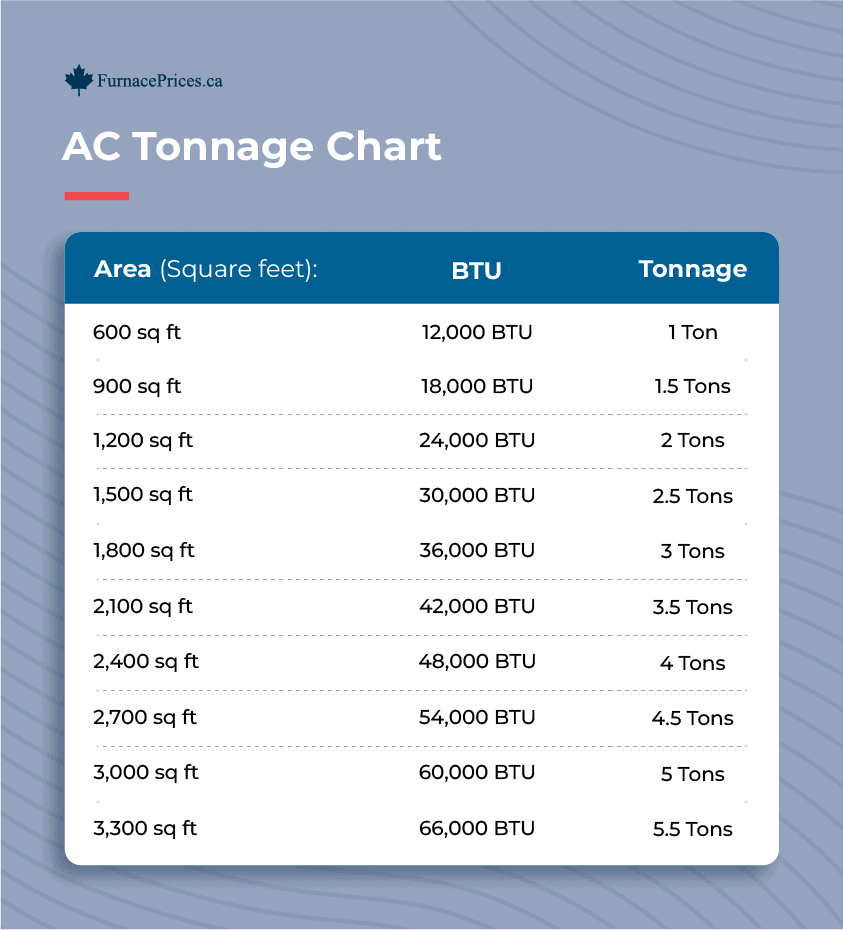
- 1 ton of cooling = 12,000 BTU per hour
- Small rooms may need 5,000 to 8,000 BTU
- Large homes may require 24,000 BTU or more
- Use heat gain to estimate BTU needs
Effect Of Sun Exposure
Sun exposure increases cooling needs. Rooms with many windows or south-facing walls get hotter.
Shade and window treatments can reduce heat gain. Consider these when calculating your cooling system size.
- South and west windows get the most sun
- Use curtains or blinds to block heat
- Tree shade lowers indoor temperatures
- More sun means higher BTU needs
Types Of Heating And Cooling Systems
Choosing the right size heating and cooling system is important for comfort and efficiency. Different systems work best in different homes and climates.
This guide explains common types of heating and cooling systems. Learn how each type works and what makes them unique.
Furnaces And Boilers
Furnaces heat air and distribute it through ducts. Boilers heat water and send steam or hot water through pipes. Both provide warmth in cold months.
- Furnaces use gas, electricity, or oil to heat air.
- Boilers use gas, oil, or electricity to heat water.
- Furnaces are common in many homes.
- Boilers offer steady, even heat.
Heat Pumps
Heat pumps move heat from outside to inside in winter. In summer, they reverse and cool the air. They work well in mild climates.
Heat pumps save energy by using electricity to move heat, not create it.
Central Air Conditioners
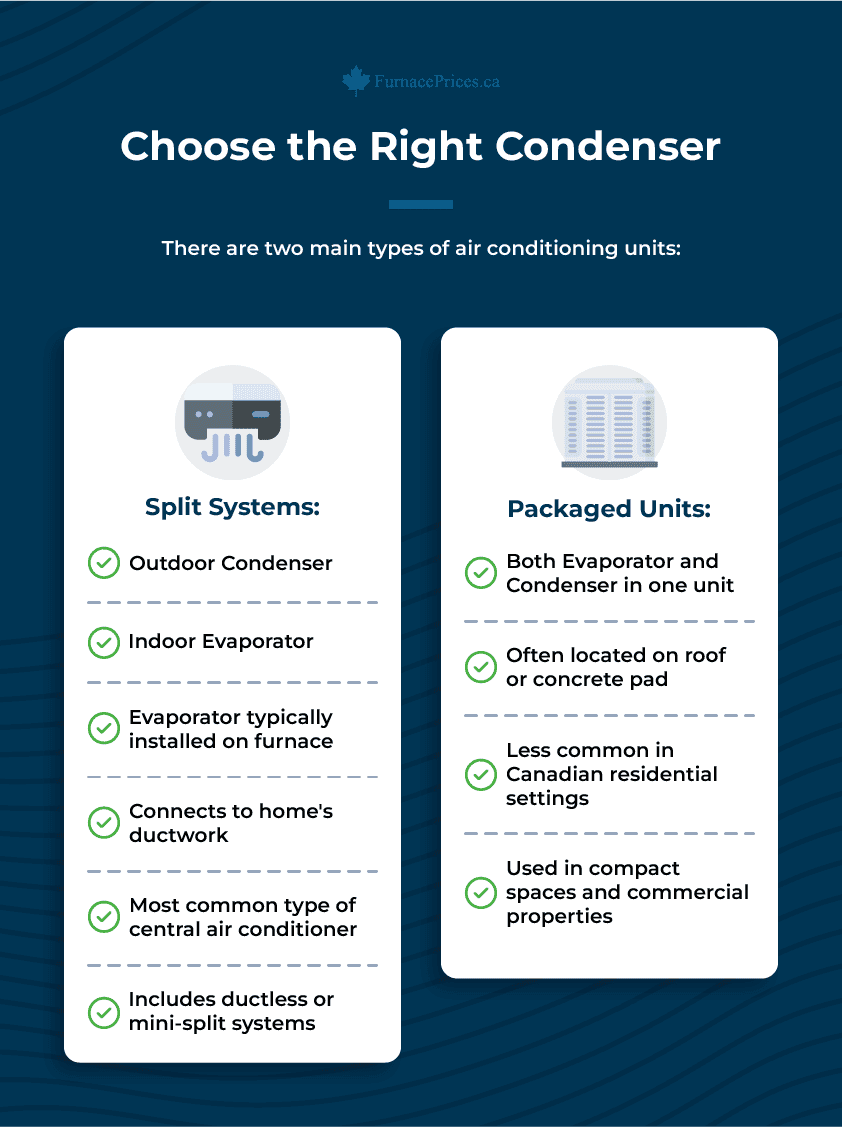
Central air conditioners cool air and send it through ducts. They use a compressor and refrigerant to remove heat from inside the home.
| Feature | Description |
| Cooling Method | Compressor and refrigerant cycle |
| Air Distribution | Ducts throughout the home |
| Best Use | Homes with existing ductwork |
| Energy Source | Electricity |
Ductless Mini-splits
Ductless mini-splits offer heating and cooling without ducts. They have an outdoor unit and one or more indoor units.
They are easy to install and good for rooms without ductwork.
Sizing Methods And Tools
Choosing the right size heating and cooling system is very important. A system that is too big or too small will not work well.
There are several ways to find the correct size. Some tools and methods help you get accurate results.
Manual J Load Calculation
Manual J is the standard method to measure home heating and cooling needs. It uses many details about your house.
This method looks at house size, insulation, windows, doors, and local climate. It calculates the heat loss and gain.
- Measures heat loss in winter
- Measures heat gain in summer
- Considers air leaks and insulation
- Uses local weather data
Online Calculators
Online calculators offer a quick way to estimate heating and cooling size. They ask for basic home information.
These tools are easy to use but less detailed than Manual J. They work well for simple homes and rough estimates.
- Enter home square footage
- Provide number of windows and doors
- Choose your climate zone
- Get an estimated system size
Professional Hvac Assessments
HVAC professionals can do detailed assessments to find the right system size. They use special tools and experience.
They check your home’s structure, insulation, and airflow. A professional report often includes Manual J calculations.
- On-site inspection of your home
- Detailed energy and airflow tests
- Customized recommendations
- Helps choose efficient systems
Consequences Of Incorrect Sizing
Choosing the right size for your heating and cooling system is very important. A system that is too big or too small can cause many problems. These problems affect comfort, cost, and energy use.
Understanding the effects of incorrect sizing helps you make a better choice. It also helps avoid costly repairs and higher bills later on.
Oversized Systems
Oversized heating and cooling systems turn on and off too often. This short cycling wears out parts quickly. It also creates uneven temperatures in your home.
- More wear and tear on the system
- Higher maintenance and repair costs
- Uncomfortable hot or cold spots
- Increased humidity inside the house
- Louder noise from frequent cycling
Undersized Systems
Undersized systems run constantly but cannot reach the desired temperature. This causes discomfort and stress on the system. It may also reduce the system’s lifespan.
| Issue | Effect |
| Constant running | Higher energy bills |
| Inadequate heating/cooling | Uncomfortable rooms |
| System strain | More repairs needed |
Energy Efficiency Impact
Incorrect sizing lowers energy efficiency. Both oversized and undersized systems waste energy. This leads to higher utility bills and more pollution.
Energy problems caused by wrong system size:
- Frequent start and stop cycles use more power
- Long run times increase electricity consumption
- Poor temperature control wastes heating and cooling
- More wear reduces system efficiency over time
Tips For Choosing The Right System
Choosing the right heating and cooling system size is very important. A system that is too big or too small will not work well.
Think about your home’s needs and the system’s features before buying. This helps keep your home comfortable all year.
Considering Future Home Changes
Plan for changes like adding rooms or finishing a basement. These changes can affect how much heating or cooling you need.
Choose a system that can handle extra space or can be adjusted easily. This avoids buying a new system later.
Energy Efficiency Ratings
Look for systems with good energy efficiency ratings. Higher ratings save money on bills and use less energy.
Check labels like SEER for cooling and AFUE for heating. These numbers tell you how well the system works.
- SEER (Seasonal Energy Efficiency Ratio): Higher means better cooling efficiency
- AFUE (Annual Fuel Utilization Efficiency): Higher means better heating efficiency
- Energy Star label shows certified efficient models
Budget And Maintenance
Pick a system that fits your budget, but think about long-term costs too. Cheaper systems may cost more to run.
Regular maintenance keeps your system working well. Check how easy it is to clean filters and get repairs.
- Compare upfront costs and energy bills
- Ask about warranty and service options
- Consider maintenance needs and costs
Credit: lynnswinnipeg.ca

Credit: www.jamesriverair.com
Frequently Asked Questions
How Do I Determine Hvac System Size?
To determine HVAC size, calculate your home’s square footage. Consider insulation, windows, and regional climate. Consult a professional for an accurate assessment. Proper sizing ensures efficiency and comfort. Don’t rely solely on size calculators. A professional can account for unique home features.
What Factors Affect Hvac Sizing?
HVAC sizing is influenced by home size, climate, insulation, and windows. The number of occupants also matters. Properly sized systems improve efficiency and comfort. Consulting with an HVAC professional ensures accurate sizing. They consider all relevant factors for your specific needs.
Why Is Hvac System Sizing Important?
Proper sizing ensures efficiency, comfort, and longevity of your HVAC system. An undersized system struggles to maintain temperature. An oversized one cycles frequently, wasting energy. Both scenarios lead to higher energy bills. Proper sizing also prevents unnecessary wear and tear.
Can I Use Online Calculators For Hvac Sizing?
Online calculators provide rough estimates for HVAC sizing. They consider basic factors like square footage and climate. However, they can’t account for unique home features. For accuracy, consult with an HVAC professional. They provide precise assessments and recommendations tailored to your home.
Conclusion
Choosing the right size heating and cooling system matters a lot. Too small, and your home stays uncomfortable. Too big, and you waste energy and money. Consider your home’s size, insulation, and local climate. A good fit means better comfort and lower bills.
Always ask a professional for help. This ensures your system works well all year long. Simple steps lead to a cozy, efficient home.