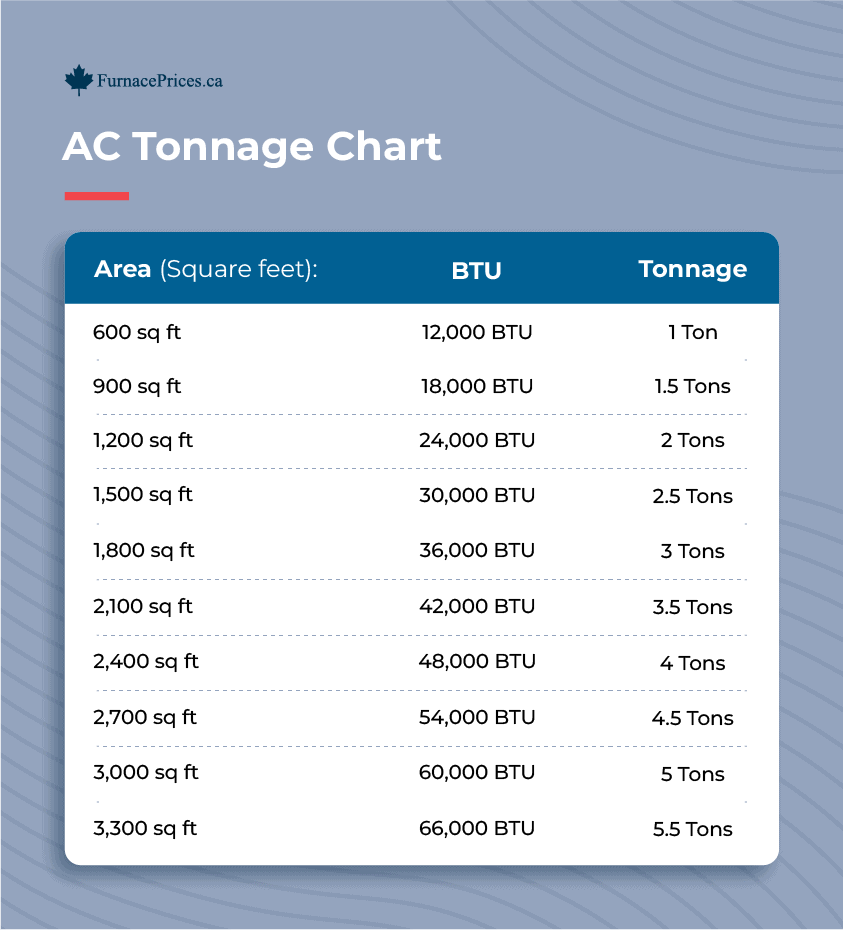
Choosing the right size air conditioner can make all the difference in keeping your home cool and comfortable. But how do you know what size is best for your space?
If your AC is too small, it will struggle to cool your room and waste energy. If it’s too big, it will cycle on and off too often, costing you more money and wearing out faster. You want a unit that fits your needs perfectly, saving you money and keeping you comfortable.
Keep reading to discover exactly how to find the perfect air conditioner size for your home.
Factors Affecting Ac Size
The size of an air conditionerdepends on several important factors. Room dimensionsplay a big role. Larger rooms need bigger units to cool effectively. Insulation qualityaffects how much cold air stays inside. Poor insulation means more cooling power is needed.
Sunlight exposurealso matters. Rooms with lots of sun get hotter and need stronger AC units. The number of occupantsadds heat too. More people mean more cooling required. Appliances inside the room release heat as well. This appliance heat outputcan raise room temperature.
- Room size and shape
- Wall and window insulation
- Amount of direct sunlight
- Number of people inside
- Heat from devices and machines

Credit: www.warmzilla.co.uk
Cooling Capacity Explained
BTUstands for British Thermal Unit. It measures the cooling powerof an air conditioner. The higher the BTU, the larger the area it can cool. Cooling capacity must match the room size for best comfort and energy use.
Here is a simple guide to BTU and room size:
| Room Size (sq ft) | Recommended BTU |
|---|---|
| 100 – 150 | 5,000 – 6,000 |
| 150 – 250 | 6,000 – 8,000 |
| 250 – 350 | 8,000 – 10,000 |
| 350 – 450 | 10,000 – 12,000 |
Too small BTU means the AC will struggle to cool the room. Too big BTU wastes energy and costs more. Choose an AC with the right BTU for your room size.
Choosing Ac Size By Room Type
Each room type needs a different AC sizefor best cooling. Bedrooms usually need smaller units. A 5,000 to 8,000 BTUAC works well for most bedrooms.
Living rooms are bigger and need more power. A unit with 8,000 to 12,000 BTUis good to keep the space cool and comfortable.
Kitchens get hot from cooking. Choose an AC with 10,000 to 14,000 BTUto handle heat and smells.
Offices need steady cooling for focus. Pick an AC with 8,000 to 12,000 BTUdepending on room size and number of people.
Effects Of Incorrect Ac Size
Oversized air conditionerscool the room too fast. This stops them from removing enough moisture. Rooms feel cold but damp, causing discomfort. These units also waste energy and increase bills. Frequent turning on and off can wear out the AC quickly.
Undersized unitsrun all the time but struggle to cool properly. They may never reach the right temperature. This leads to high energy use and higher costs. The unit works hard, which can cause breakdowns. Rooms stay warm and uncomfortable for long periods.
Calculating Your Ac Size
The size of an air conditioner is measured in BTUs(British Thermal Units). To find the right size, multiply the room’s square footage by 20. For example, a 200 square foot room needs about 4,000 BTUs.
Online calculators make this easy. Enter room size and some details like window size or sun exposure. The tool gives a BTU estimate quickly. This saves time and helps choose the right unit.
Large rooms or unusual spaces need expert advice. A professionalcan check insulation, sun, and room use. They ensure the AC is not too small or too big. This avoids high bills and poor cooling.

Credit: lynnswinnipeg.ca
Energy Efficiency Tips
Proper AC maintenancekeeps your unit running well and saves energy. Clean or replace filters often. Dirt blocks airflow and wastes power. Check coils and fins to remove dust and debris. Clear drain lines to stop water buildup. Regular tune-ups help your AC work at its best.
Using a smart thermostatcan cut cooling costs. It learns your schedule and adjusts temperatures automatically. Set it higher when no one is home. Lower it before you return. This avoids wasting energy on empty rooms.
Sealing and insulationkeep cool air inside and hot air outside. Check windows and doors for leaks. Use weatherstripping or caulk to seal gaps. Insulate walls and attics to reduce heat gain. Better sealing means your AC uses less energy to cool your home.
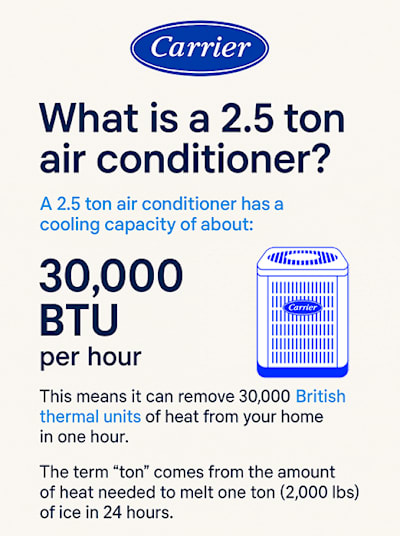
Credit: www.carrier.com
Frequently Asked Questions
What Factors Determine Air Conditioner Size?
Air conditioner size depends on room size, insulation, and climate. A larger room requires a bigger unit. Consider insulation efficiency and local climate for precise sizing. An energy-efficient model can save costs and improve comfort.
How Do I Calculate Ac Size For My Room?
To calculate AC size, measure your room’s square footage. Multiply length by width. Use 20 BTU per square foot as a guideline. Consider additional heat sources like sunlight and appliances. Consult a professional for accurate sizing.
Why Is Proper Ac Sizing Important?
Proper AC sizing ensures optimal cooling and energy efficiency. An oversized unit wastes energy and causes humidity issues. An undersized unit struggles to cool, increasing wear and energy costs. Correct sizing enhances comfort and system longevity.
Can An Oversized Ac Affect Performance?
Yes, an oversized AC can short cycle, causing uneven cooling. It increases energy consumption and reduces humidity control. This leads to higher bills and less comfort. A properly sized unit operates efficiently, providing consistent cooling.
Conclusion
Choosing the right air conditioner size matters a lot. Too big or too small causes problems. A properly sized unit cools your space well and saves energy. Measure your room and think about heat sources inside. Consider the climate where you live, too.
Small details make a big difference in comfort. Take time to find the best fit for your needs. This helps keep your home cool and your bills low. Simple steps lead to better cooling all year round.